'The 12-Hour Screen Time': Does leaving your GPS navigation on all day waste fuel?

Running phone GPS for 12 hours draws under 15 watts of power. It burns less than 0.1 litres of fuel and costs under Rs 10, meaning navigation has zero noticeable impact on a car's overall mileage.
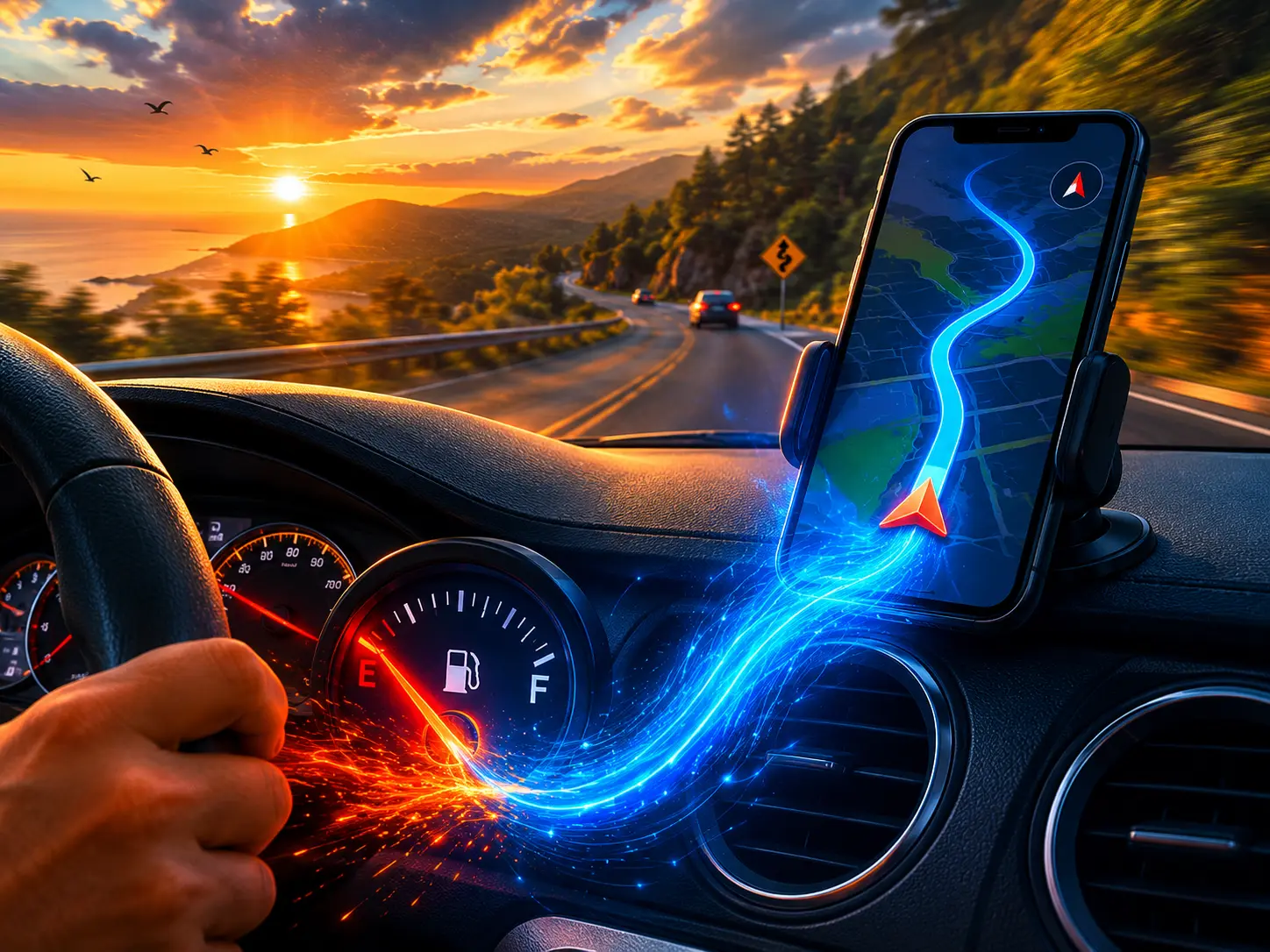
Draws Under 15 Watts
Running a GPS application continuously forces your phone screen to stay active, pulling power from the car's electrical system. However, a standard smartphone charger only draws between five and 15 watts of energy. This is a tiny fraction of the 1,000 watts generated by a modern alternator.

Burns 0.07 Litres Petrol
The alternator relies on the car engine to generate electricity, which requires burning additional fuel. Over a continuous 12-hour drive, keeping the phone screen bright and the GPS active burns roughly 0.07 litres of extra petrol. This slight mechanical strain goes entirely unnoticed by the driver.

Costs Less Than Rs 10
The financial impact of navigating all day is extremely low compared to overall travel expenses. Based on current petrol prices, running your maps continuously for 12 hours costs less than Rs 10. Drivers spend significantly more fuel overcoming wind resistance than powering a mobile device.
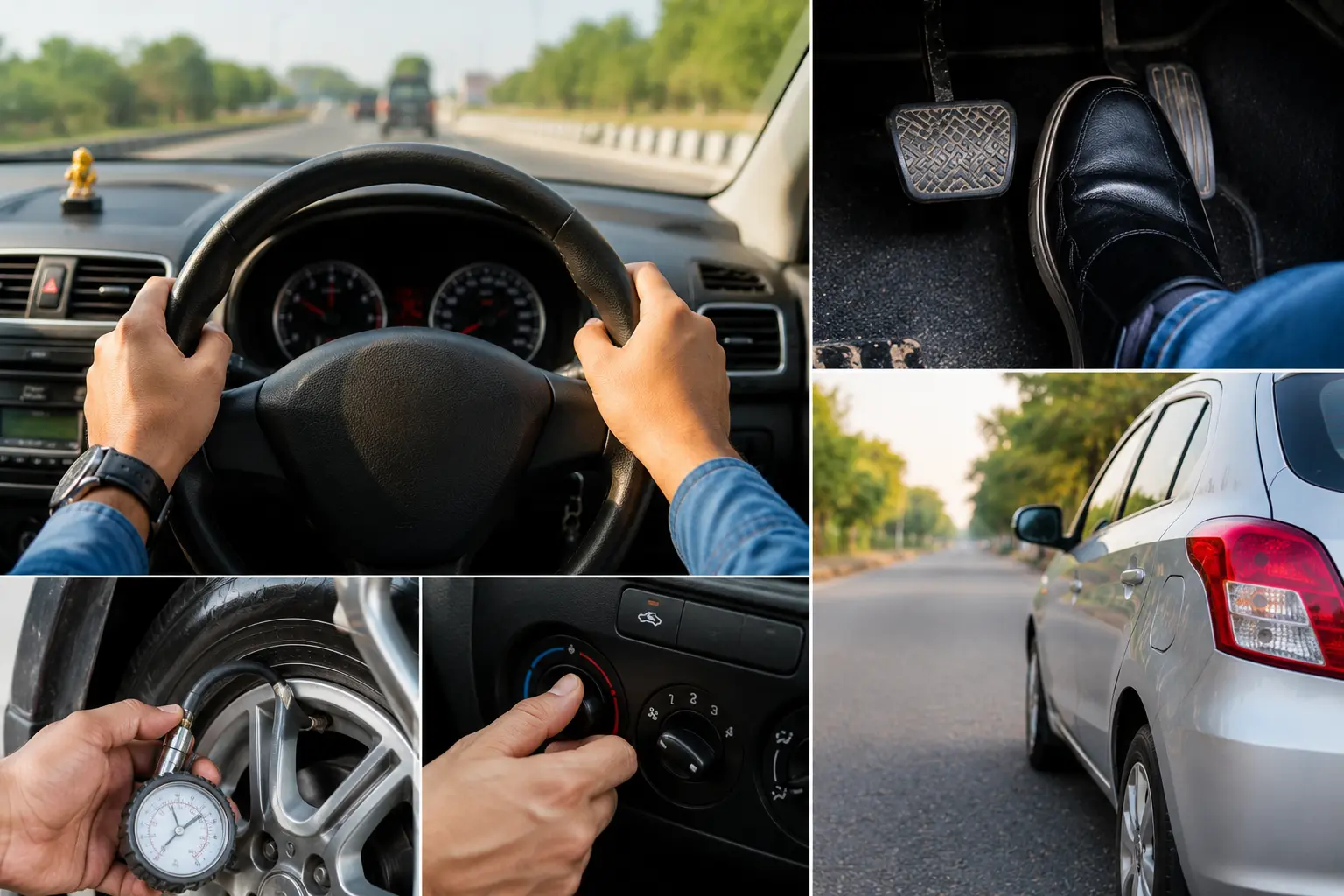
Drops Mileage 0.1 Per Cent
Activating heavy electrical components like air conditioning can reduce your vehicle's fuel economy by several miles per gallon. In contrast, charging a phone for navigation lowers overall efficiency by less than 0.1 per cent. The map application drains your mobile battery, not the vehicle's fuel tank.
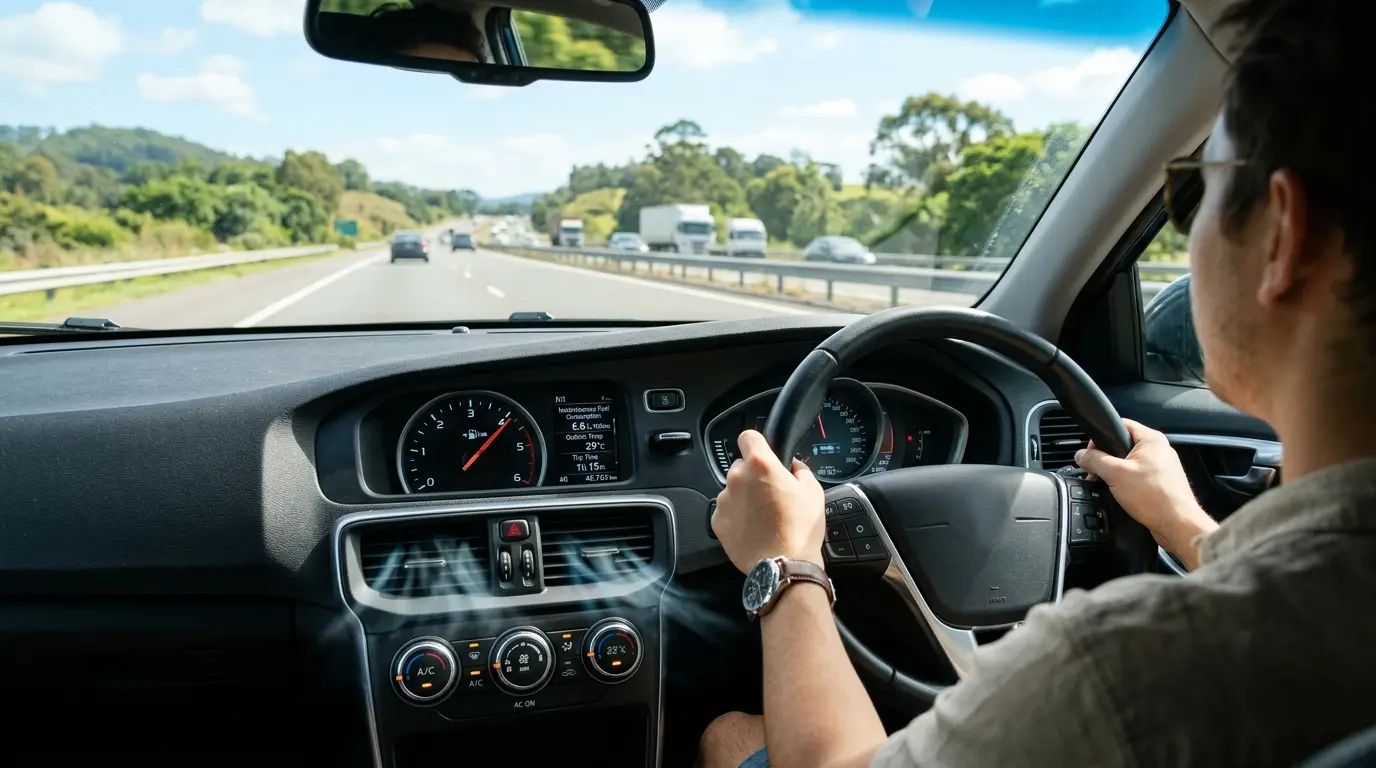
Zero Dead Battery Risk
Motorists often worry that a long journey with constant screen time will exhaust the main car battery. Since the alternator constantly replenishes the electrical system while driving, there is absolutely zero risk of a dead battery. The vehicle handles this minor electrical load with complete ease.
)
)
)
)
)