'The 0 to 100% Charge': Does plugging in 1 phone actually cost you any fuel?

Charging a phone in your car uses less than 10 watts of power, consuming only a fraction of fuel. The extra load costs under Rs 1 and has zero noticeable impact on overall mileage.
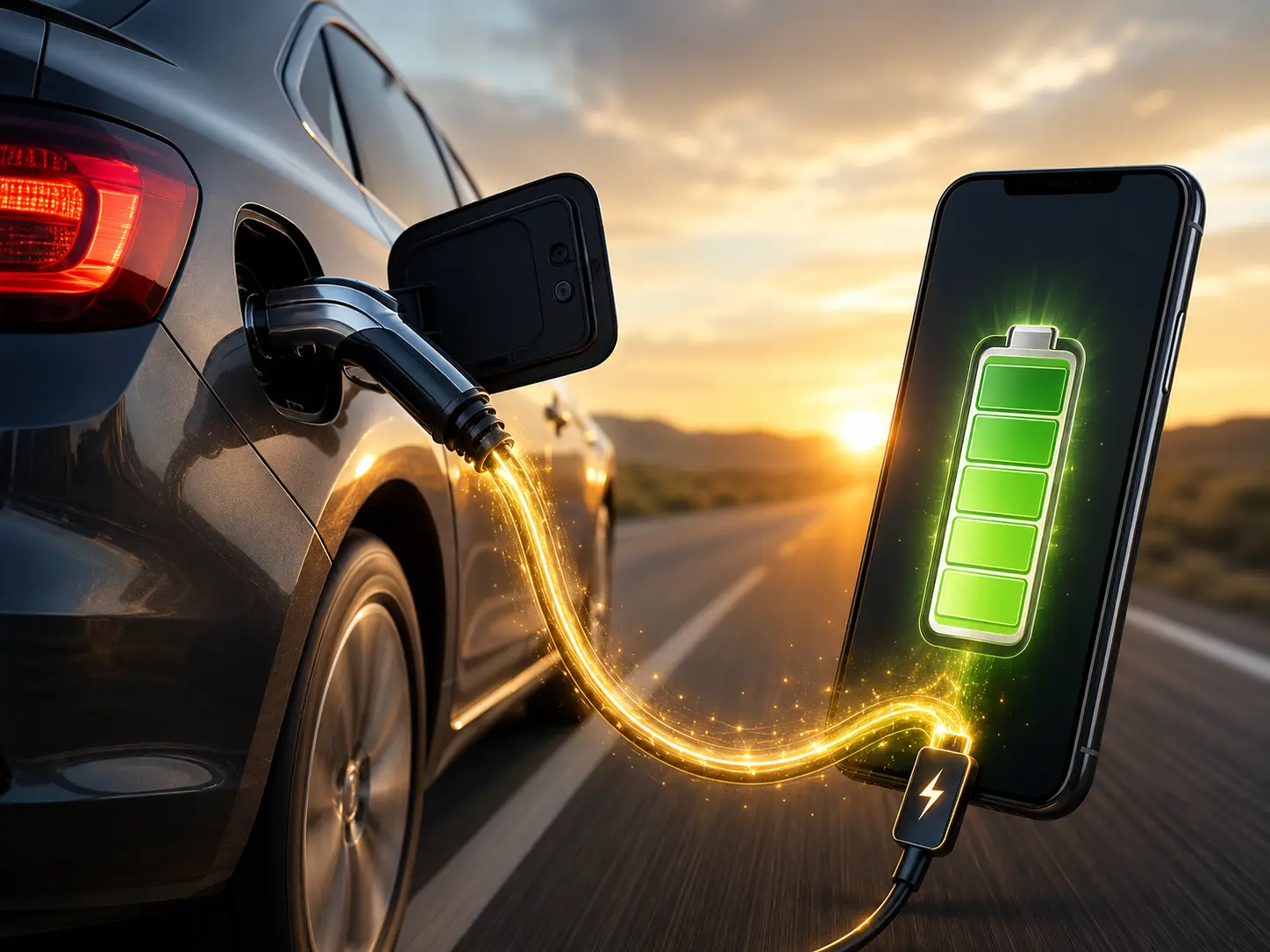
Negligible Wattage Used
Charging your phone in a car typically pulls between 5 to 15 watts for standard ports, and up to 45 watts for modern fast chargers. Meanwhile, a car alternator easily generates between 500 and 1,400 watts while driving. Even with fast charging, your phone consumes less than two to three per cent of the total available electrical capacity.
Burns 0.02 Litres Fuel
While all electrical loads require energy, a single smartphone uses roughly 0.01 to 0.02 litres of fuel per 100 miles. Modern engines manage this tiny extra load without measurable strain. The actual dip in your overall fuel mileage remains virtually undetectable on the road.

Costs Under Rs 1
The financial impact of keeping your battery full on the go is extremely low. Over the course of a long drive, the extra fuel burned amounts to less than Rs 1. You would need to charge your device daily for a full year to see any noticeable fuel cost.
Takes 10 Per Cent
Heavier electrical loads place a far bigger demand on the alternator than your phone. Using the air conditioning can reduce fuel economy by up to 10 per cent during a trip. By comparison, a tiny USB plug is completely insignificant to the vehicle's overall performance.
Virtually Zero Drain
Drivers often worry that a plugged-in charger will secretly drain the car battery. While many modern vehicles cut power to the USB ports once the ignition is switched off, some cars feature "always-on" ports. However, a dormant cable or a fully charged phone draws only a few milliwatts of power—it would take weeks of the car sitting completely idle to drain a healthy battery.
)
)
)
)
)