Thailand-Cambodia conflict: 5 defence treaties that could come into play if the conflict escalates

If Thailand-Cambodia tensions worsen, up. here are five defence treaties and frameworks that could pull in other countries or demand urgent peace moves. See how these legal agreements will affect the path of the crisis.
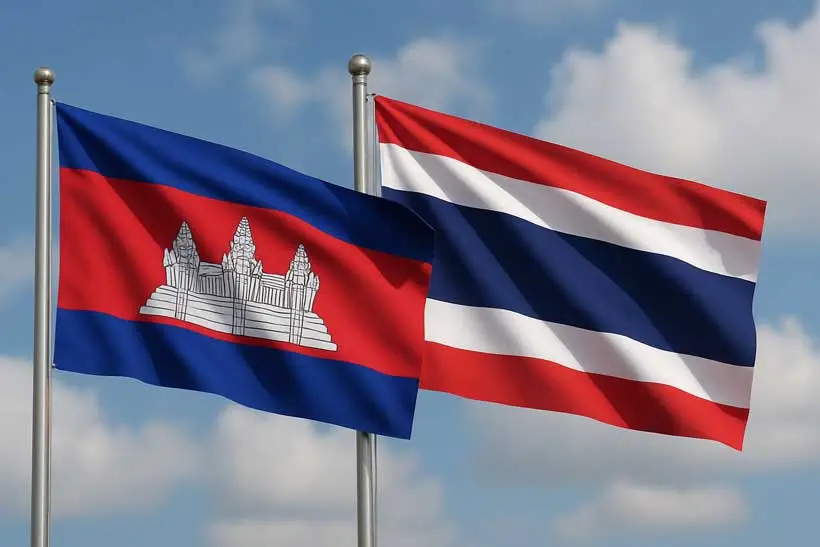
Treaties that matter in the Thailand-Cambodia conflict
If the conflict grows between thailand and cambodia, several major defence treaties may shape how other countries respond. These include old agreements and regional pacts.
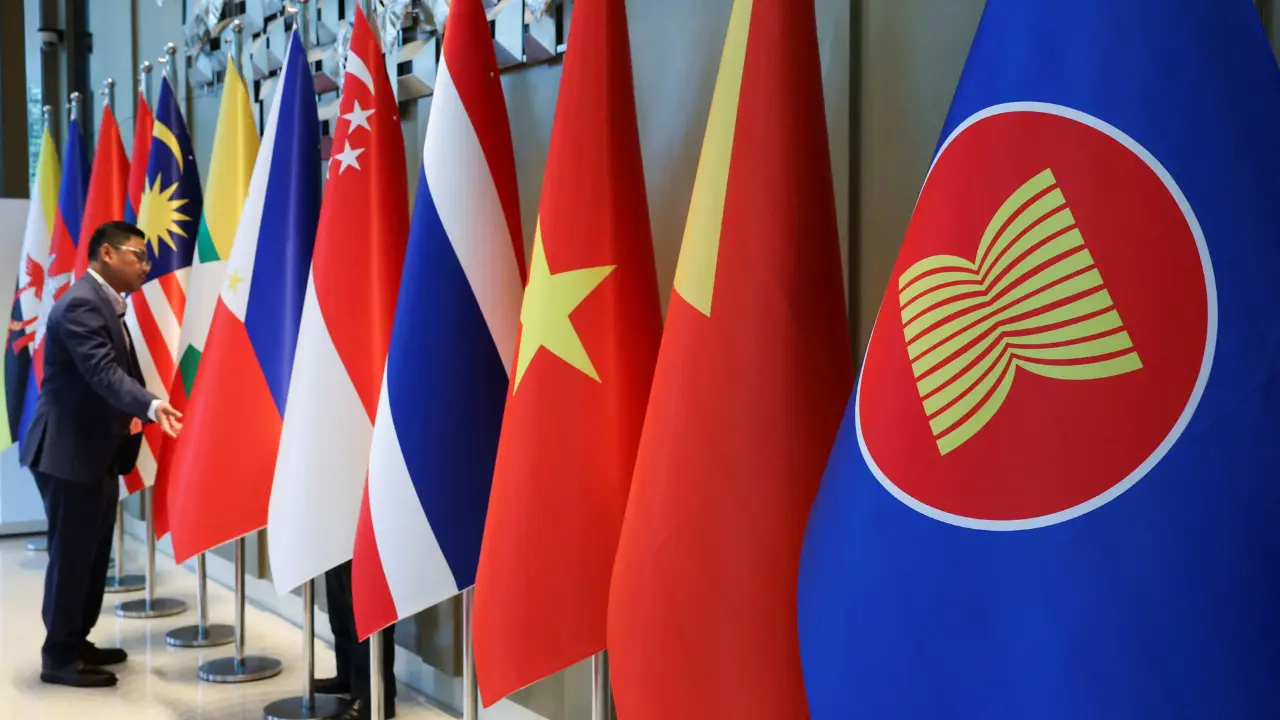
The 1976 treaty of amity and cooperation (tac)
As members of the association of southeast asian nations (ASEAN), both Thailand and Cambodia signed the tac. the treaty aims to stop members from using force and urges peaceful dispute resolution. If war breaks out, ASEAN could call emergency meetings, but it cannot use military force under tac.
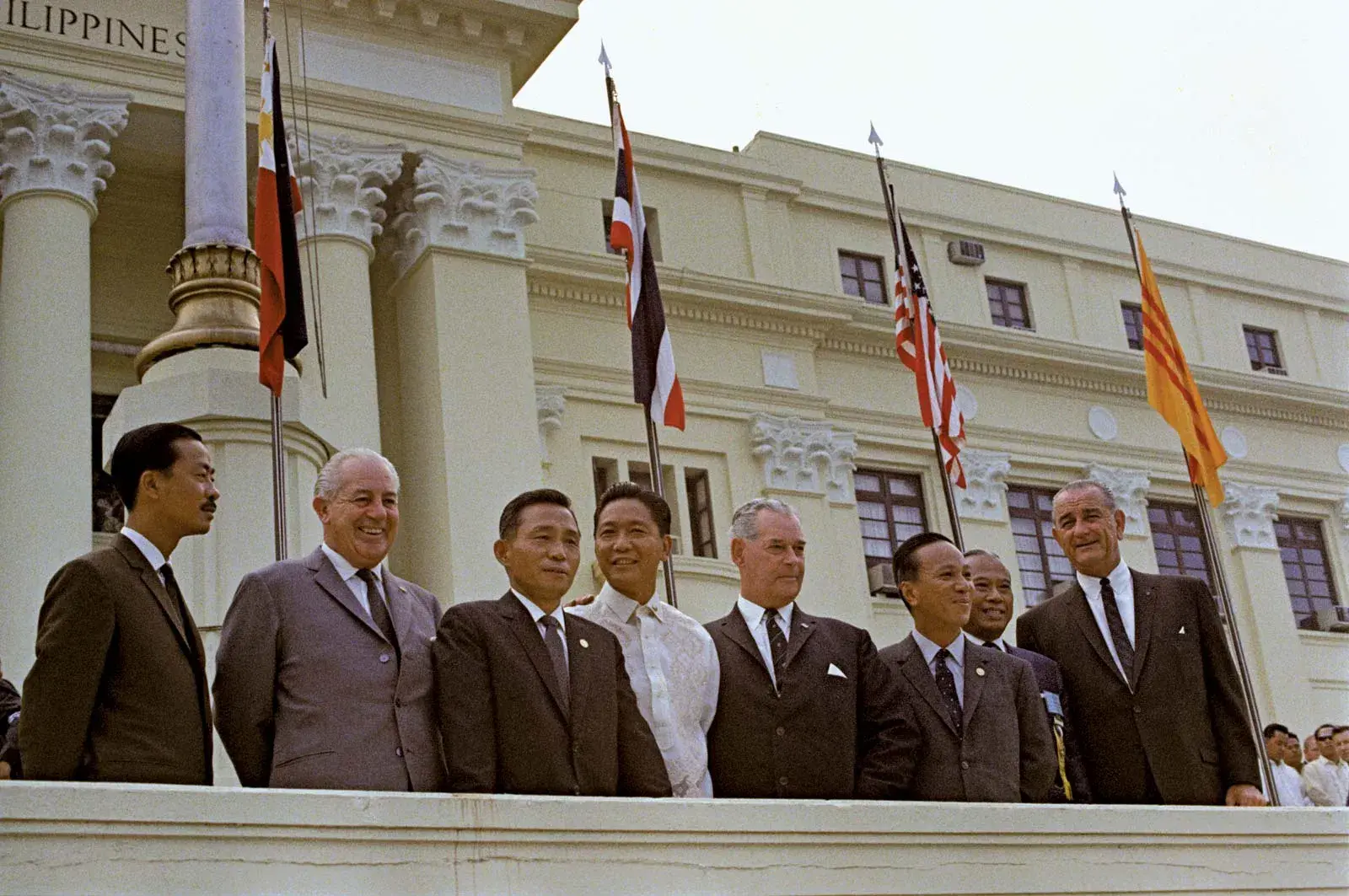
Southeast Asia collective defense treaty (manila pact, seato legacy)
Thailand is a former member of the southeast asia treaty organization (seato, 1954–1977), and the old manila pact lets the united states consider action if a treaty member faces aggression. These days, this link is mostly political, as the main Southeast Asia Treaty Organization (SEATO) alliance is not active, however it still shapes US-Thailand defence ties.
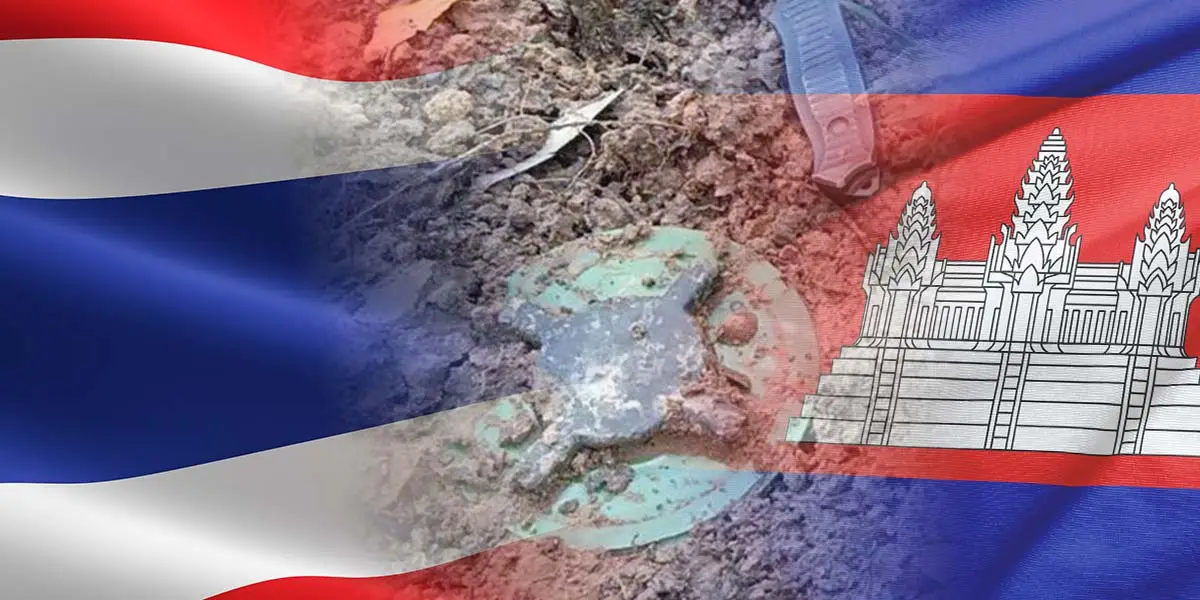
Ottawa Convention on landmines
Both countries have signed the Ottawa Convention, which aims to bans using landmines. Thailand has officially protested to cambodia for allegedly planting new mines, saying it violates this convention. If proven, it could trigger international action or mediation for removal and investigation of prohibited weapons.
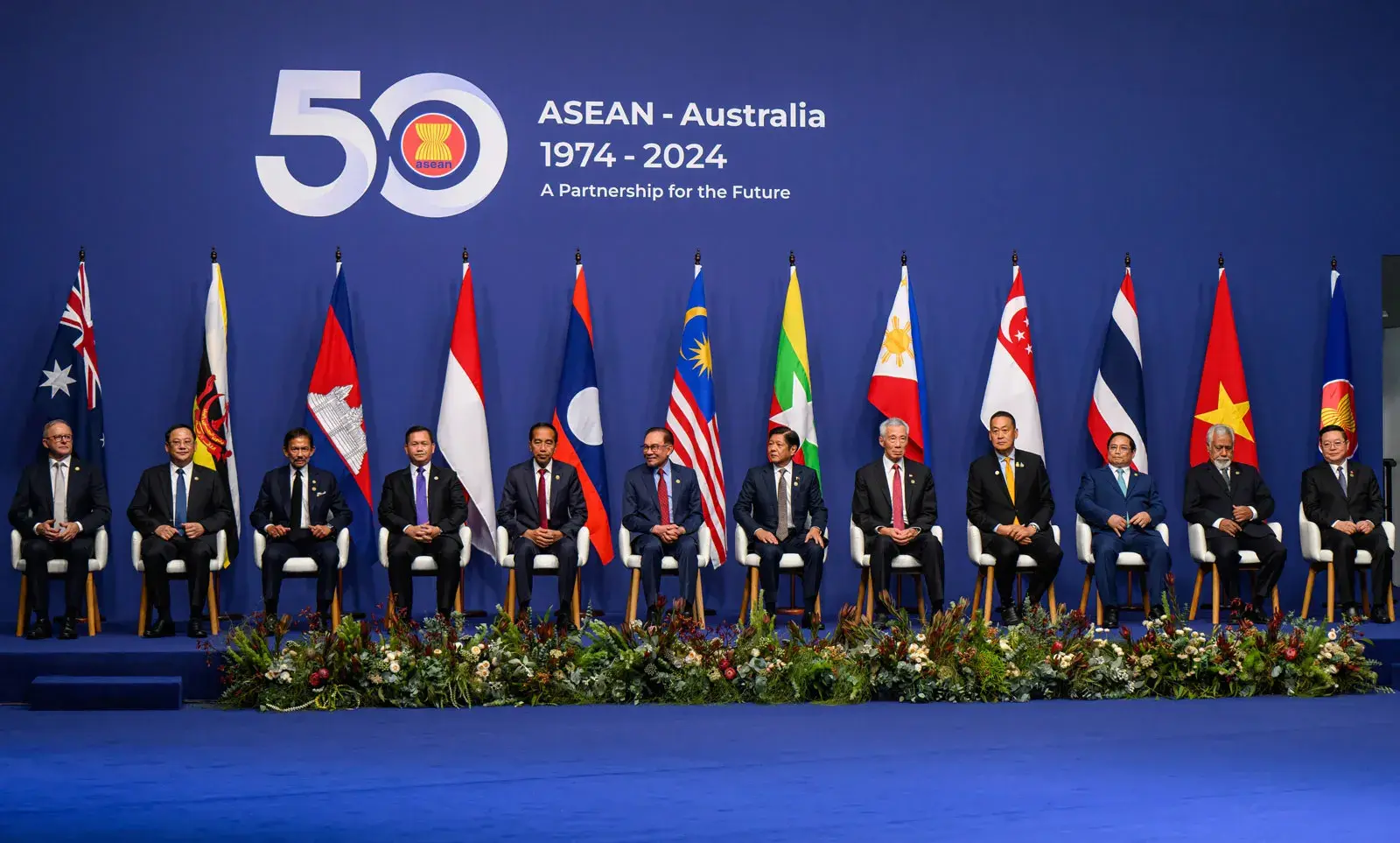
ASEAN regional forum and security protocols
The ASEAN regional forum (ARF), with both countries as members, supports dialogue over force. under ARF protocols, severe conflict can push the group to mediate disputes or urge a ceasefire. However, the ARF cannot send troops, only try to keep peace through urgent diplomatic pressure.
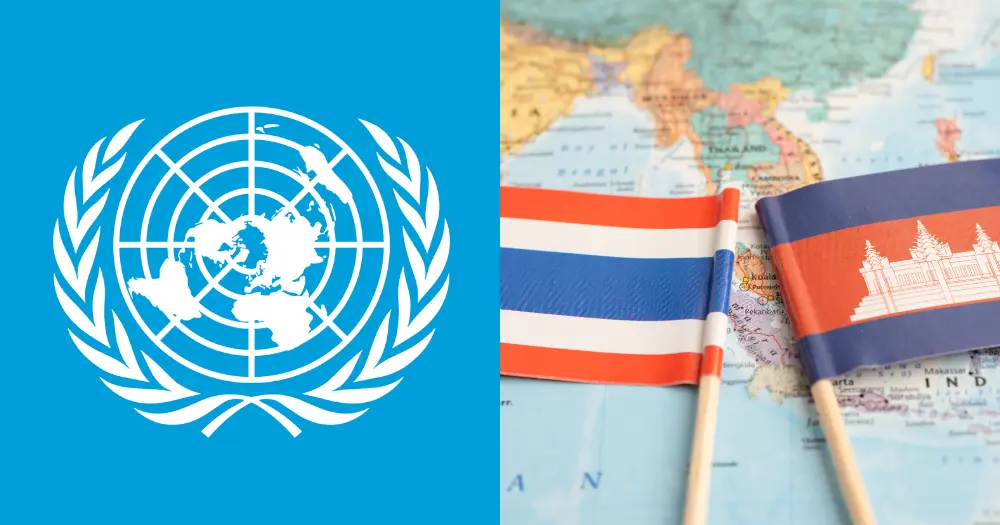
UN Security council mechanisms
If the border war advances, either country can appeal to the United Nations Security Council under the un charter. Cambodia has already written to the UN, calling for global action to stop “aggression”. the UNSC may impose sanctions, and will demand negotiations, as seen in past border disputes.
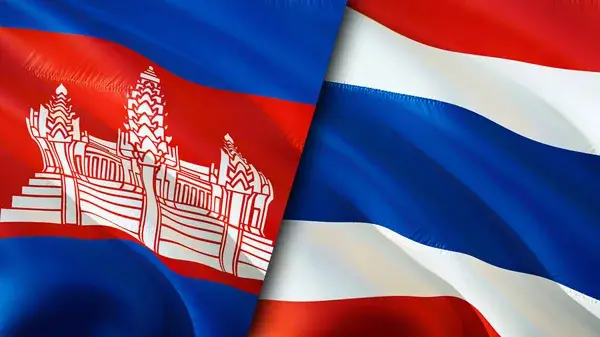
What to watch for next
Treaties alone will not solve the dispute, however they set rules for outside help and pressure both sides to seek solutions. Escalation means global bodies and regional groups may get more involved to avoid greater instability in southeast asia.
)
)
)
)
)