Thailand-Cambodia conflict: No fighter jets, no problem with Cambodia's secret ground defences

Cambodia uses new mines, tunnels and jungle traps to protects its border with Thailand in the war. Without fighter jets, ground tactics shape every clash and make surprise attacks possible. Read more below.
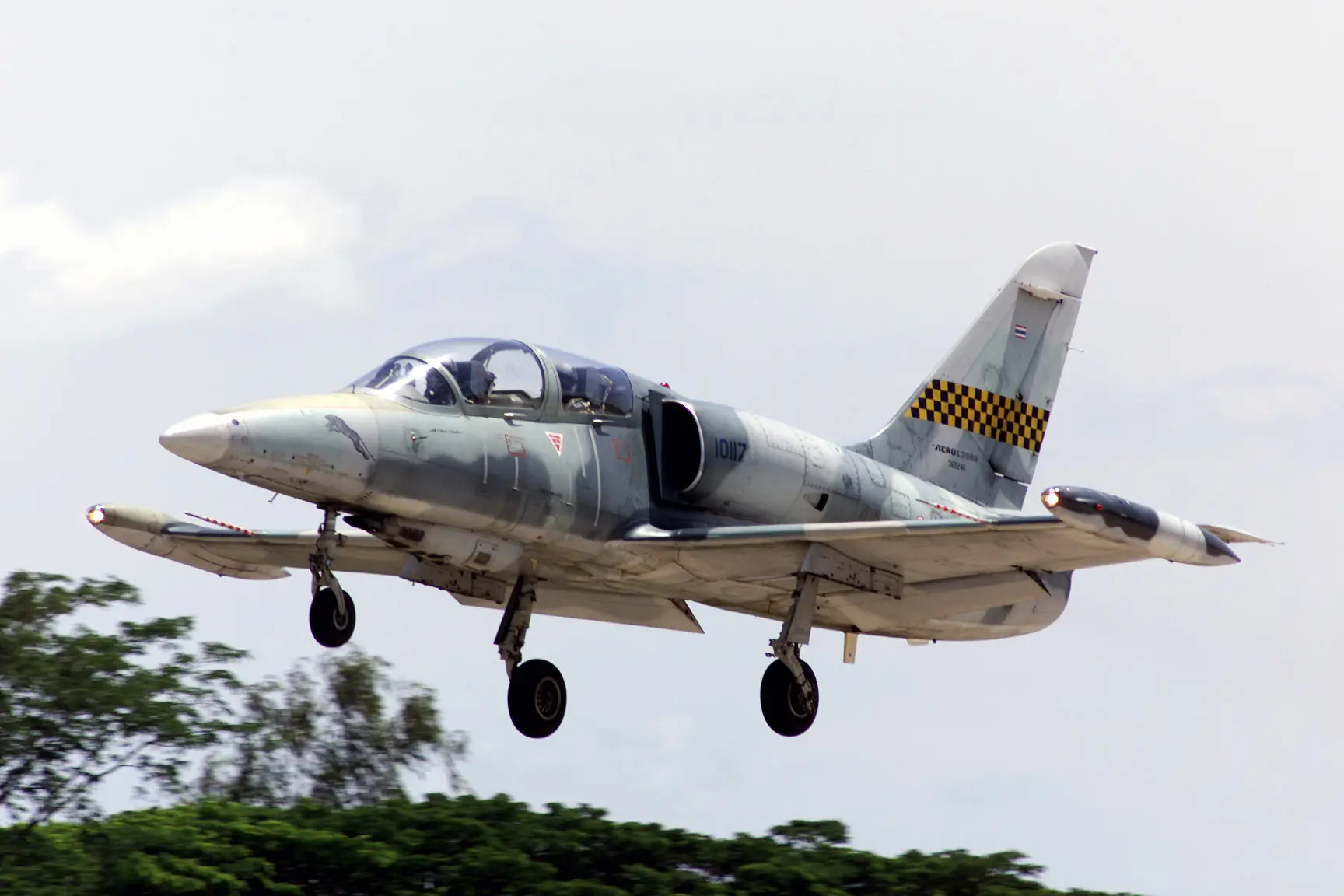
Cambodia’s secret ground tactics
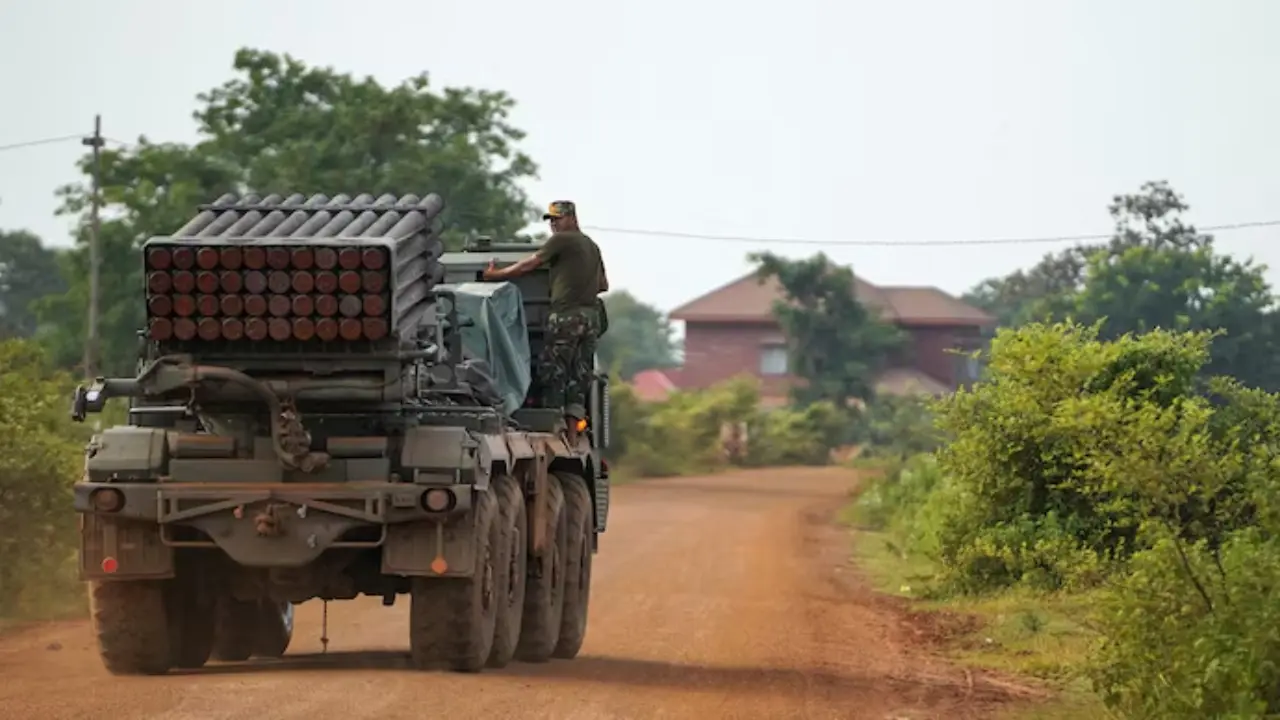
Without a modern fighter jet fleet, Cambodia mainly relies on ground defences. International Institute for Strategic Studies (iiss) reports show new anti-tank mines, tunnel systems and booby traps built near contested border areas. These defences are made to weaken the air power of Thailand.
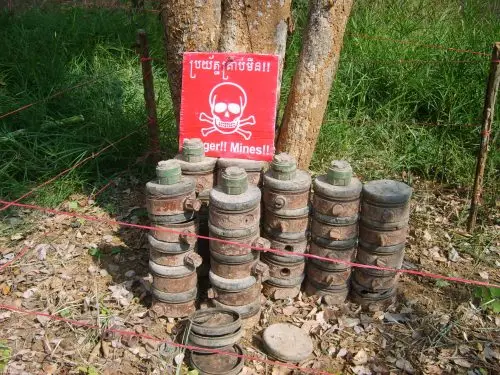
Over 2,000 new mines placed in 2025
Landmine Monitor’s 2025 update states that Cambodia placed more than 2,000 anti-tank and anti-personnel mines near routes used by Thai troops. Most are around ta moan thom and preah vihear temples. Mines can block vehicles and slow engineers, risking lives and limiting enemy movement.
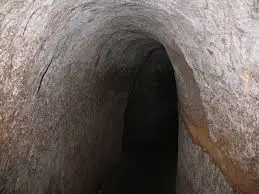
A hidden network of tunnels
Cambodian troops have dug underground tunnels up to 2 kilometres long along the forest edge, as reported by a few defence sources. These tunnels are used by soldiers to hide themselves, allow surprise moves, and protect units from air strikes. Satellite imagery in July 2025 showed at least 8 new tunnel entrances near the front line.
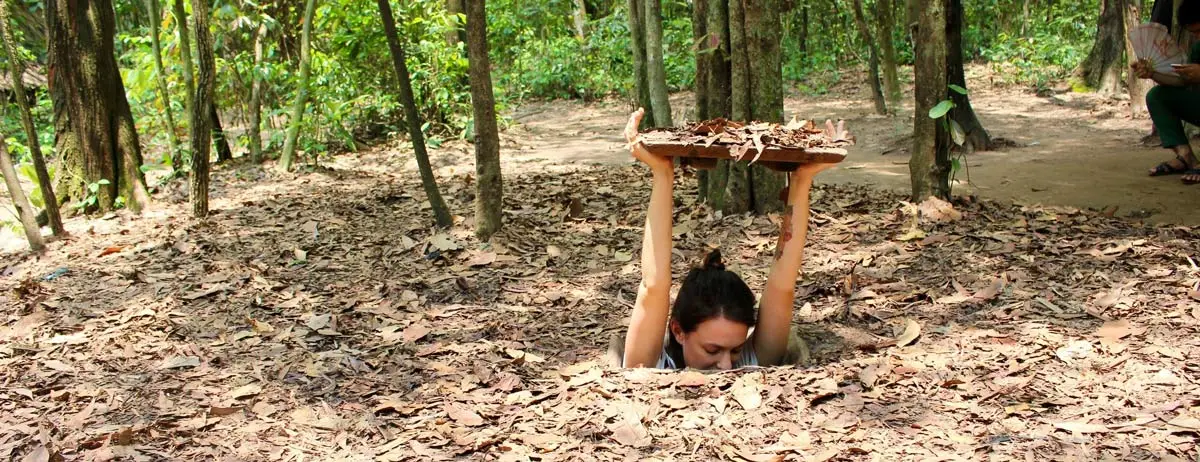
Camouflaged jungle bunkers
According to few local media reports, Cambodia built hidden bunkers and sniper nests using hillside caves, thick brush, and netting. Thailand's defence officials say these are hard to spot. Camps and lookouts often use everyday materials, making detection by drones or planes much harder.
Simple but deadly traps
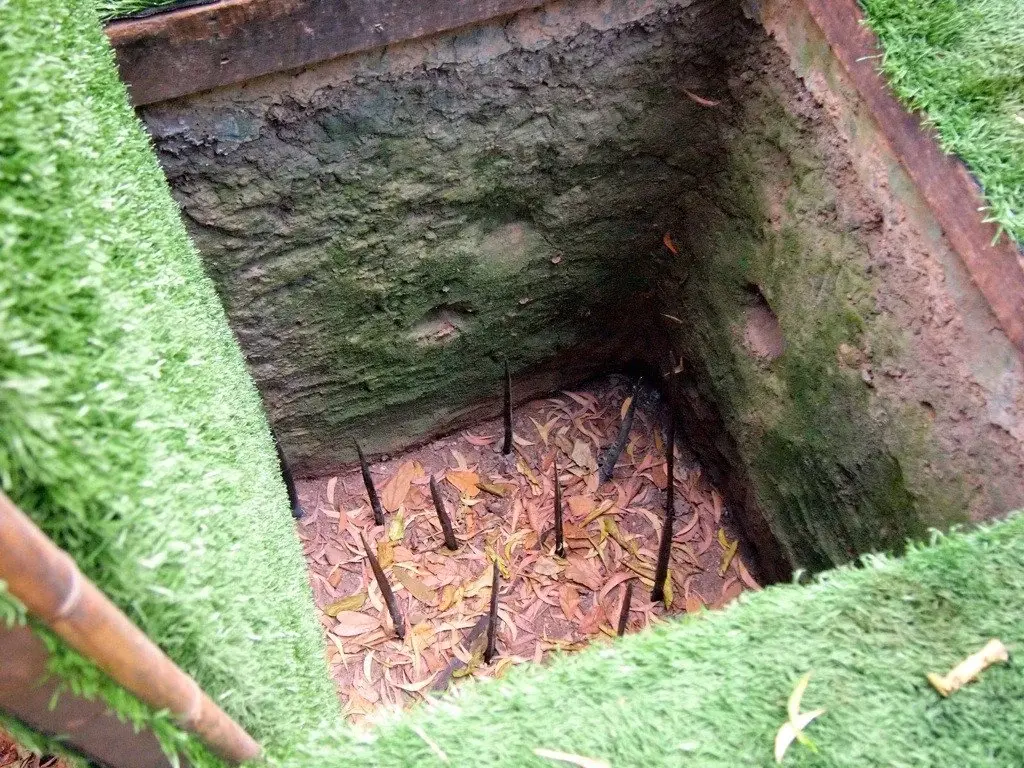
UN observers confirm new traps punji stakes (sharpened bamboo), tripwires, and wire snares along walking trails and around key hills. and Several armoured vehicles have been damaged and patrols must slow down to sweep these danger zones, giving defenders more time.
Border villagers as local scouts
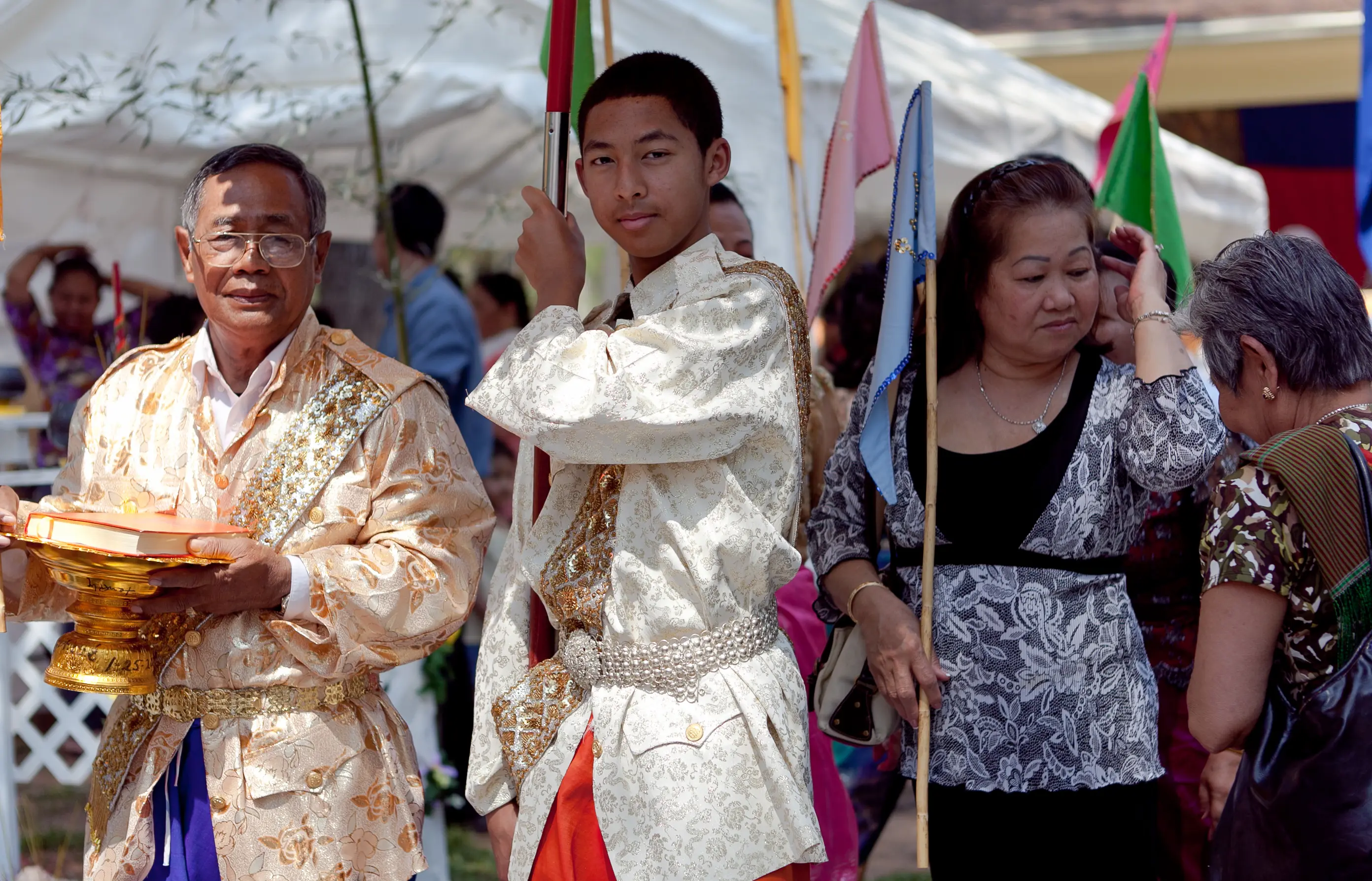
Cambodian villagers provide vital information about Thailand's troop movements, according to humanitarian reports. This early warning lets soldiers hide or move underground before strikes. But aid groups warn these tactics also put civilians at risk from mines and crossfire.
Defences secret
Experts from the International Crisis Group say these ground tactics raise the cost and concern for Thai troops who are trying to cross the border.
)
)
)
)
)