Brothers in terrorism? Pakistan defies US, backs Iran's 'Right to Retaliate' amid its own bombing campaign against Afghanistan

Islamabad did not just condemn the US and Israel; it explicitly legitimised Tehran's military response. The Pakistani Foreign Office released a statement emphasising that “Iran has the legitimate right to defend itself under the UN Charter.”
1. The Official Condemnation
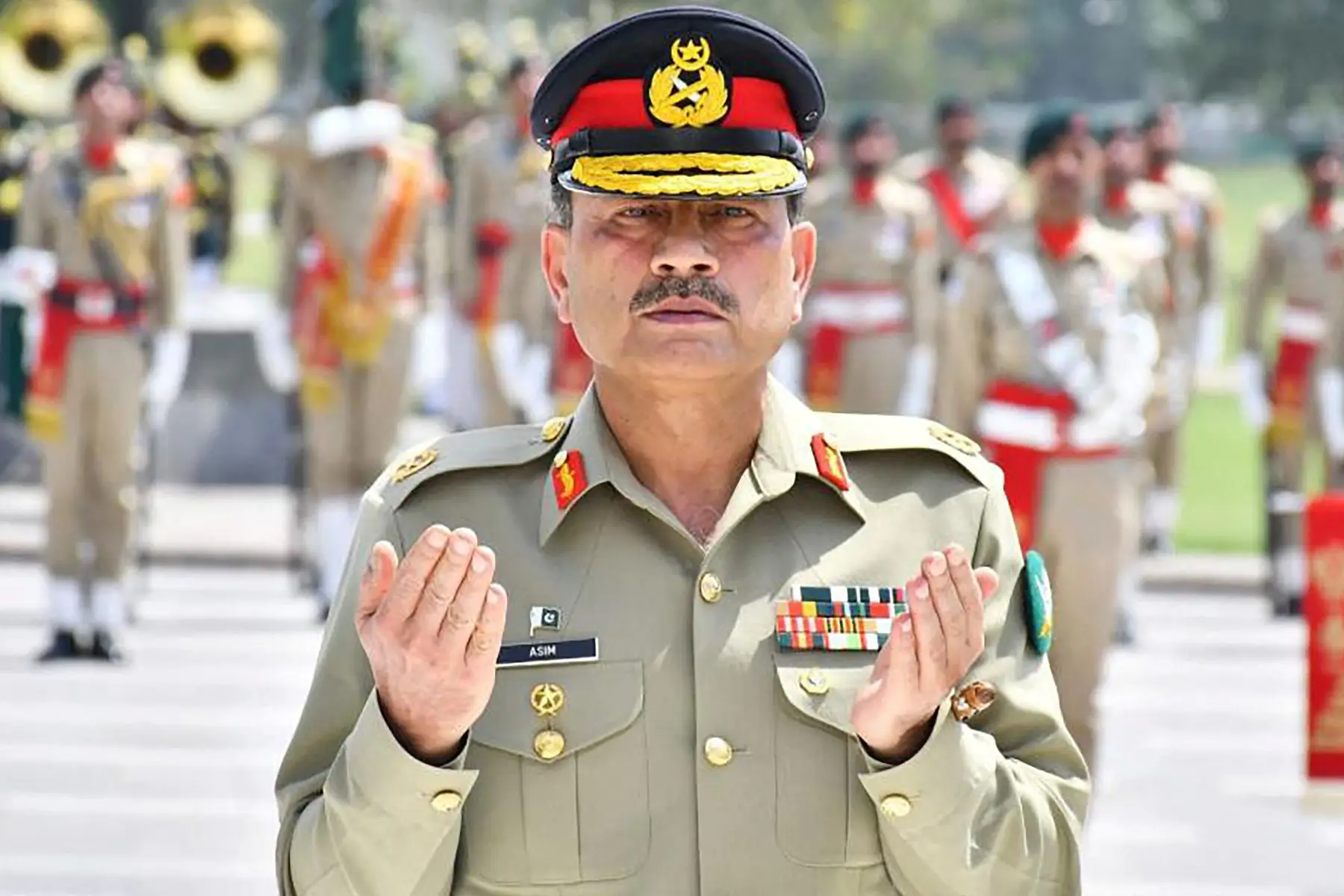
Pakistan's Foreign Ministry and Foreign Minister Ishaq Dar officially stepped into the diplomatic fray today, strongly condemning the US-Israeli strikes on Iran. In a direct phone call with his Iranian counterpart, Abbas Araghchi, Dar described the joint offensive as "unwarranted attacks" and a clear violation of all norms of international law.
2. Backing Iran's Right to Retaliate
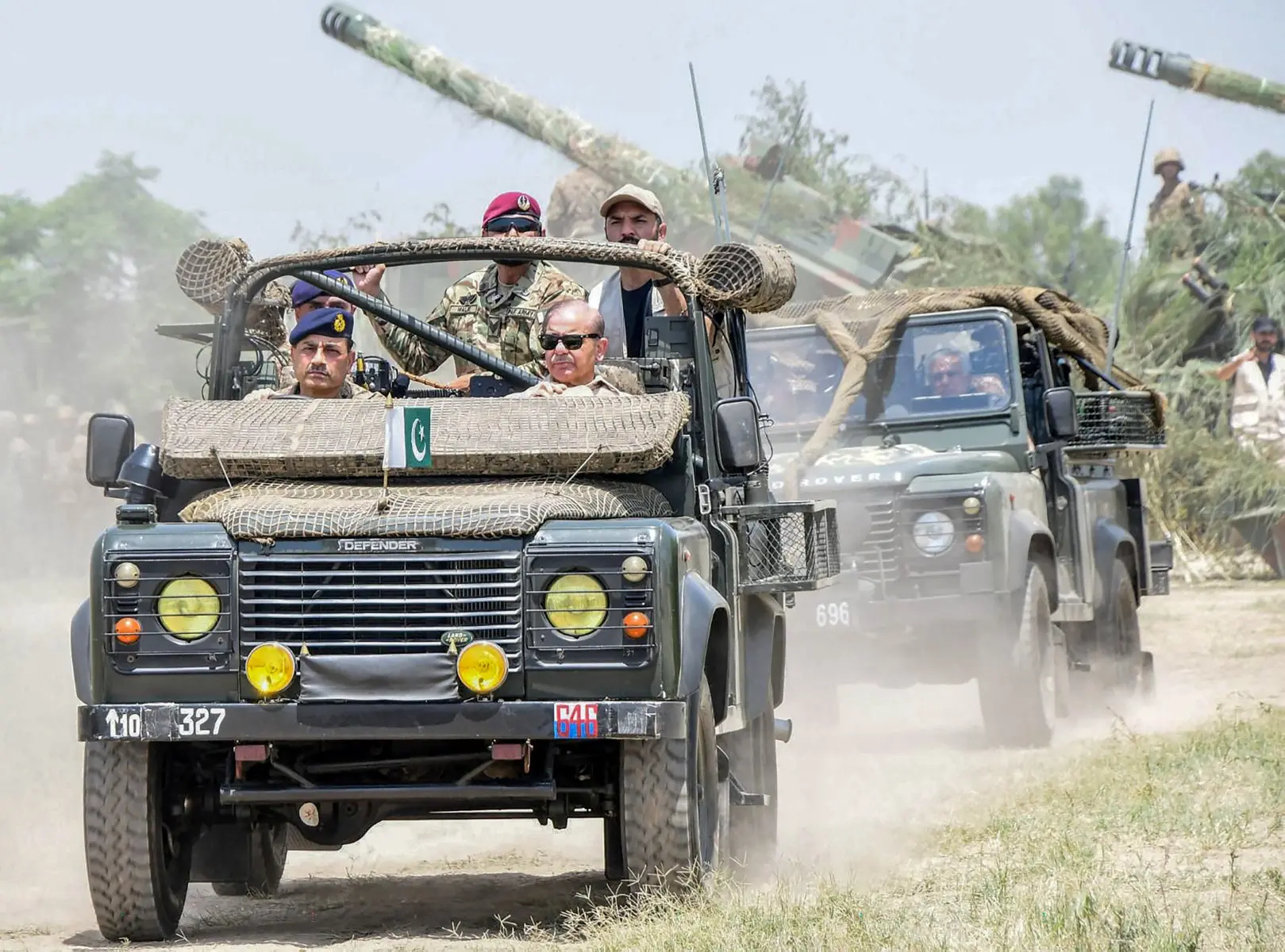
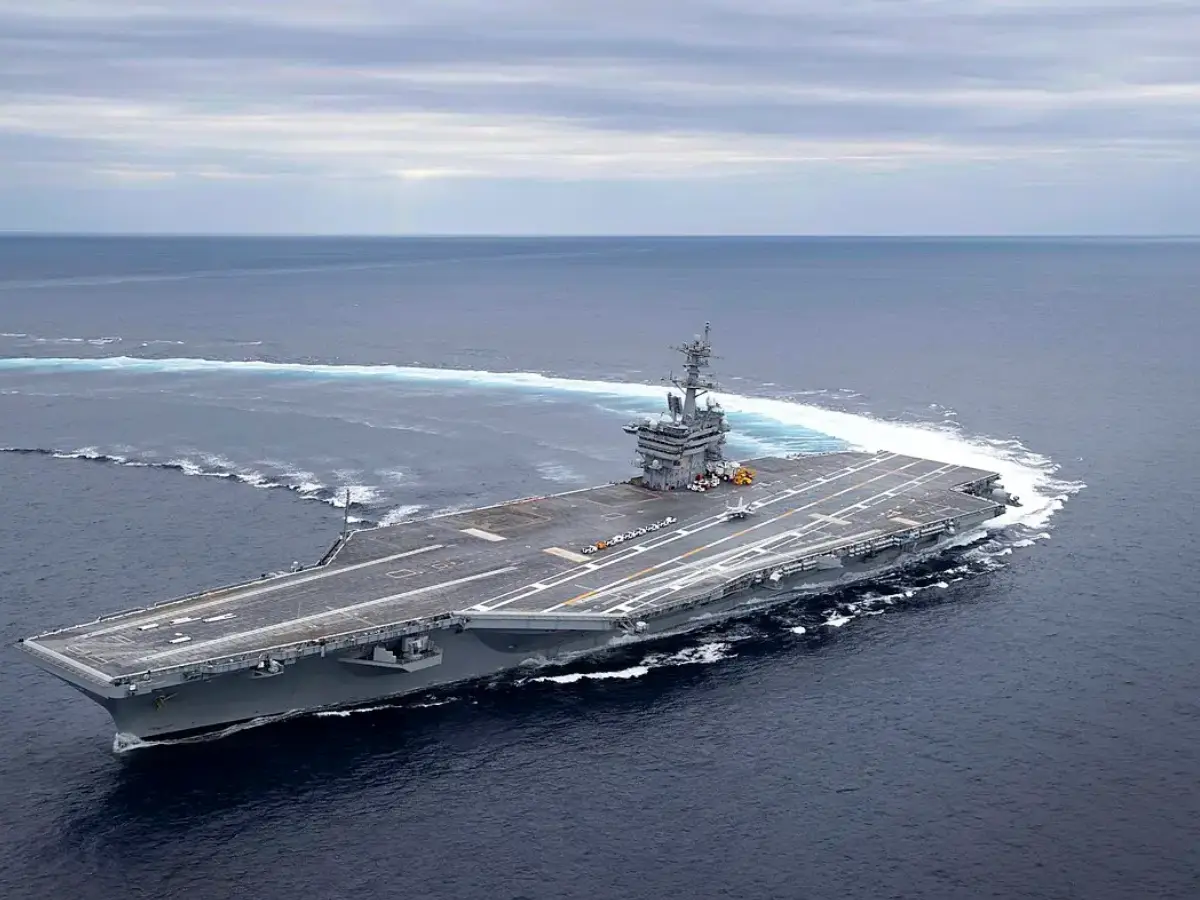
Islamabad did not just condemn the US and Israel; it explicitly legitimised Tehran's military response. The Pakistani Foreign Office released a statement emphasising that "Iran has the legitimate right to defend itself under the UN Charter." By officially supporting Iran's right to self-defence, Pakistan has firmly aligned its diplomatic stance with Tehran against the US-led "Operation Epic Fury," despite historically being a major non-NATO ally of Washington.
3. Warnings of a Broader Catastrophe
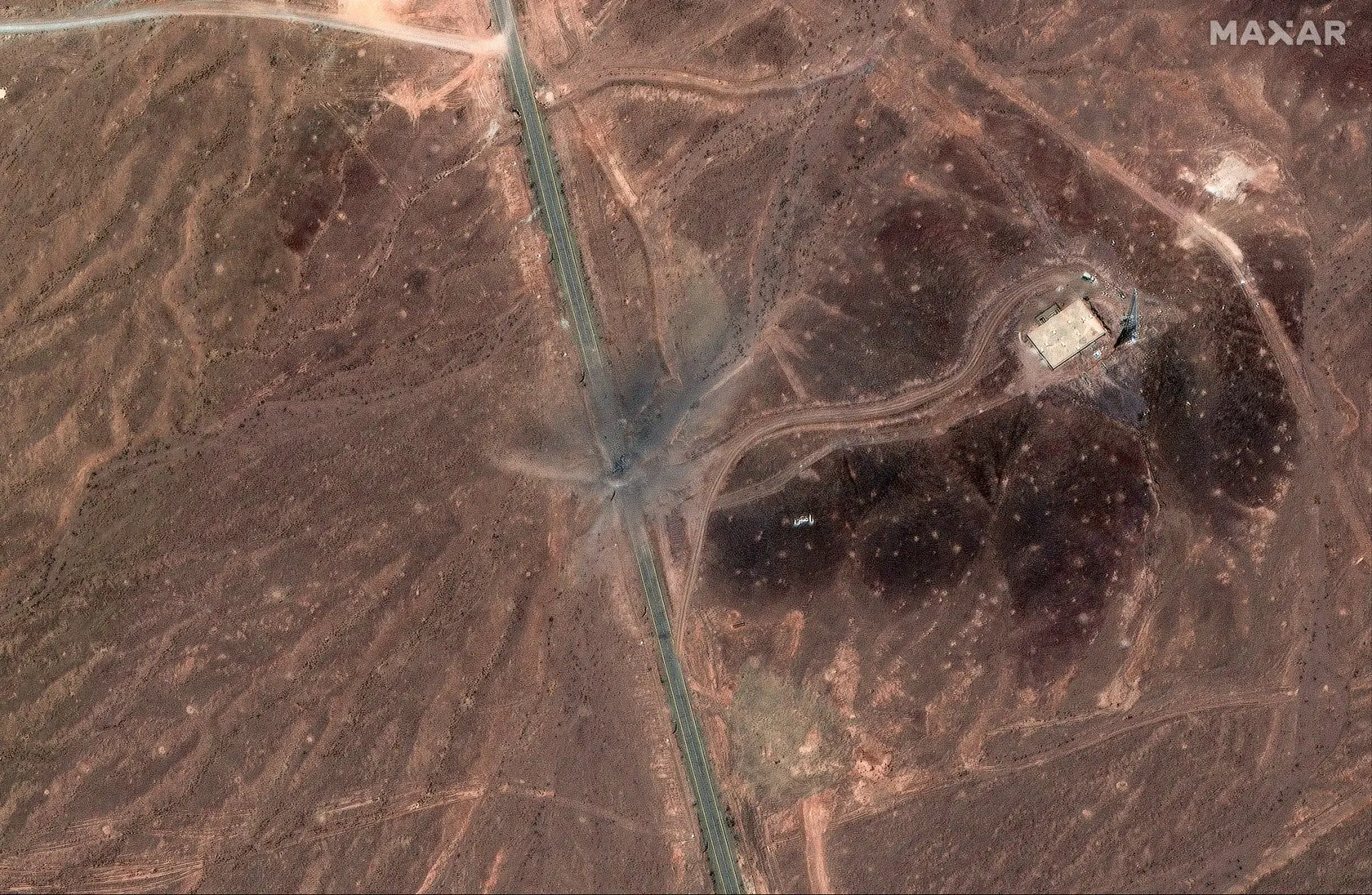
Echoing sentiments from countries like Russia and Malaysia, Pakistan warned that the US-Israeli campaign is pushing the entire Middle East to the brink. Islamabad stated it is "gravely concerned" by the unprecedented escalation of violence, warning that the strikes will have "severely damaging implications for the region and beyond" if the bombardment of Iranian nuclear and military facilities is not halted.
4. The Diplomatic Line Drawn
While social media and certain political commentators may be using highly inflammatory rhetoric, the Pakistani government has maintained strict diplomatic boundaries. Their condemnation focused heavily on "violations of sovereignty" rather than using the terrorism label.
5. The Massive Distraction: Open War with Afghanistan
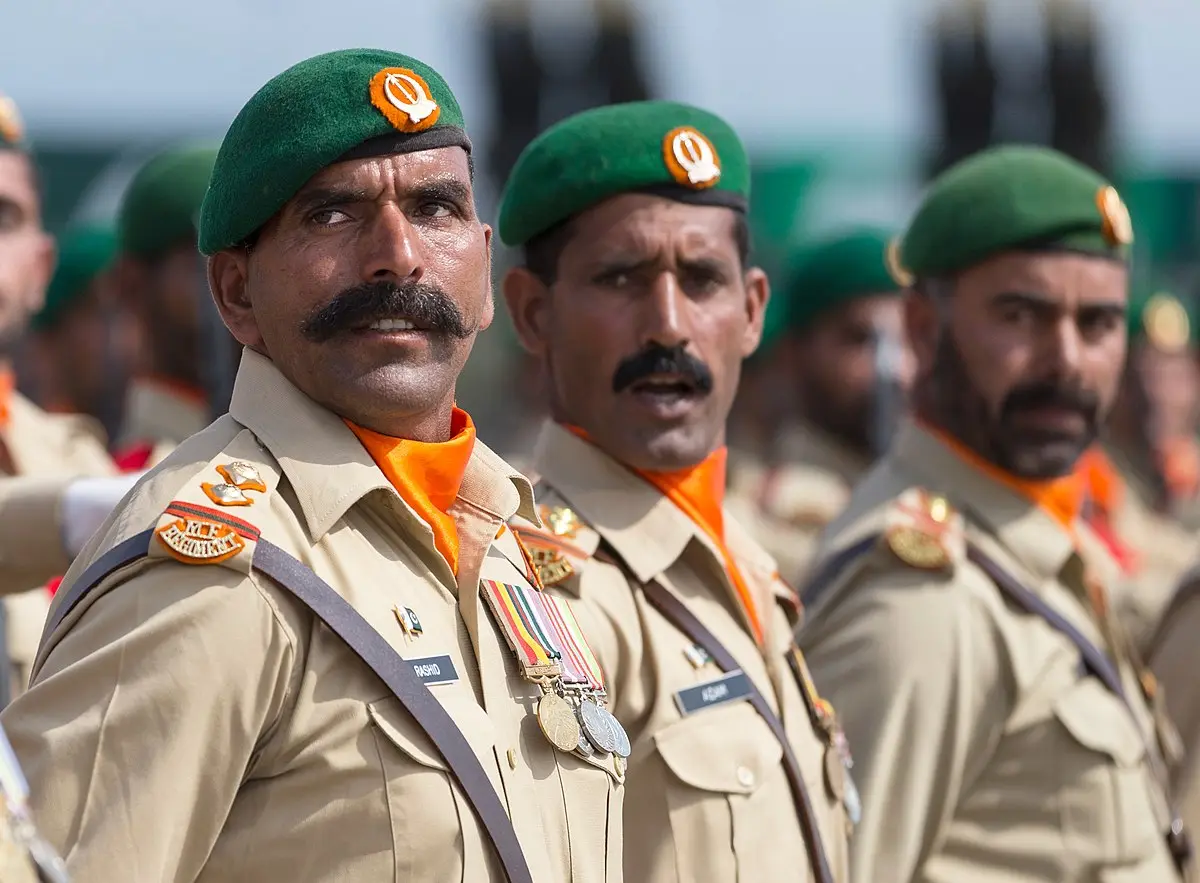
In a massive geopolitical twist, Pakistan is condemning the war in Iran while actively fighting one of its own. Simultaneously with these statements, Pakistan's Information Minister Attaullah Tarar declared a state of "open war" with Afghanistan. Following deadly border clashes and cross-border terrorism, Pakistani forces have launched heavy retaliatory airstrikes and artillery barrages into Afghanistan, targeting locations in Kabul, Kandahar, and Paktia.
6. A Nightmare Two-Front Security Crisis
Pakistan's condemnation of the US-Iran war is heavily influenced by its own rapidly deteriorating security matrix. The country is now geographically wedged between two massive, active conflicts. To its west, it shares a highly volatile border with an Iran currently under relentless US bombardment and launching ballistic missiles; to its northwest, it is actively trading military strikes with the Afghan Taliban.
7. Pleas for De-escalation Amidst the Chaos
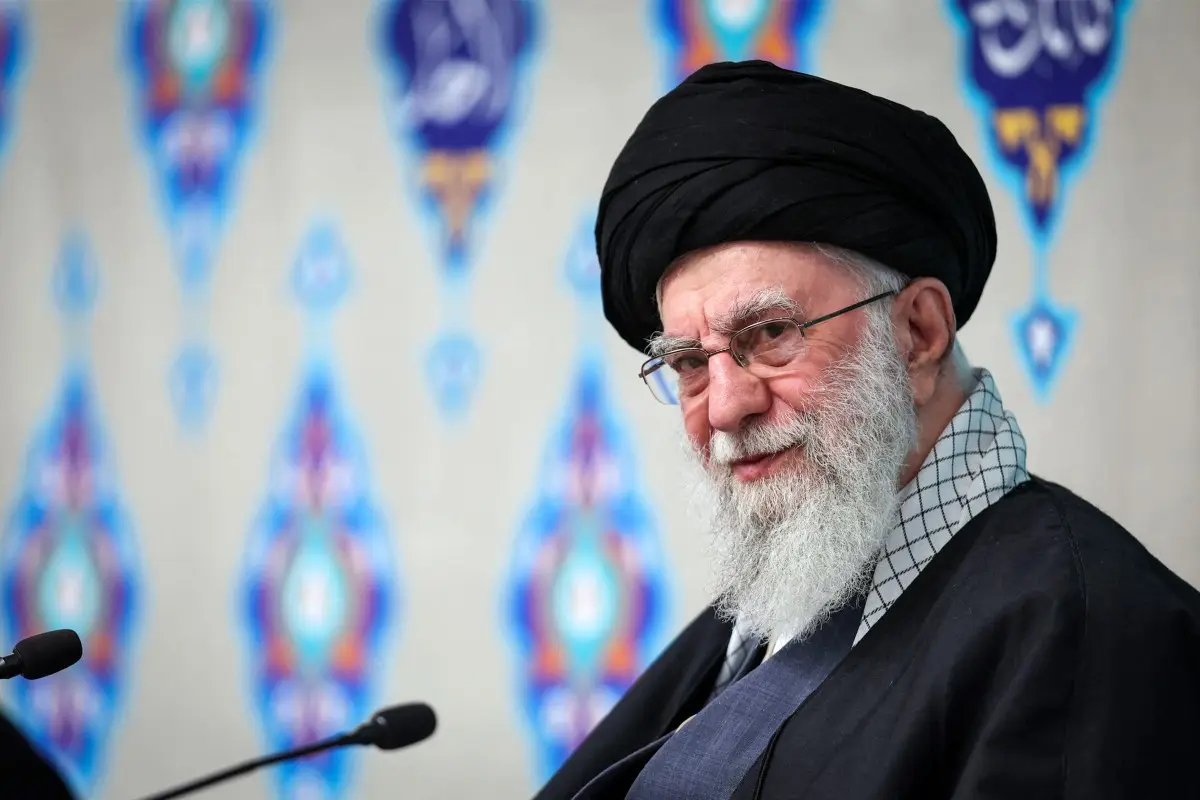
Despite launching its own bombing campaign into Afghanistan today, Pakistan's Foreign Office urgently called for an immediate halt to the escalation in the Middle East. Dar pleaded for a return to diplomacy and dialogue to resolve the US-Iran crisis, highlighting a stark diplomatic duality as Islamabad attempts to manage the fallout of a massive regional war on one border while actively fighting a separate conflict on another.
Disclaimer: WION takes the utmost care to accurately and responsibly report conflicts in West Asia involving Israel, Iran, Syria, Iraq, and non-state actors like the Houthis, Islamic State, among others. In this context, claims and counterclaims are being made online and offline. WION cannot independently verify the authenticity of all statements, social media posts, photos and videos.
)
)
)
)
)