Tejas Mk2 vs MiG‑35: Comparing radar, payload and agility

Tejas Mk2 and MiG-35 are both advanced multirole fighters. Tejas Mk2 stands out for its lightweight design and indigenous technology. While MiG-35 brings twin engines and robust radar. India’s future air power balance will depend on smart choices for cost and capability.
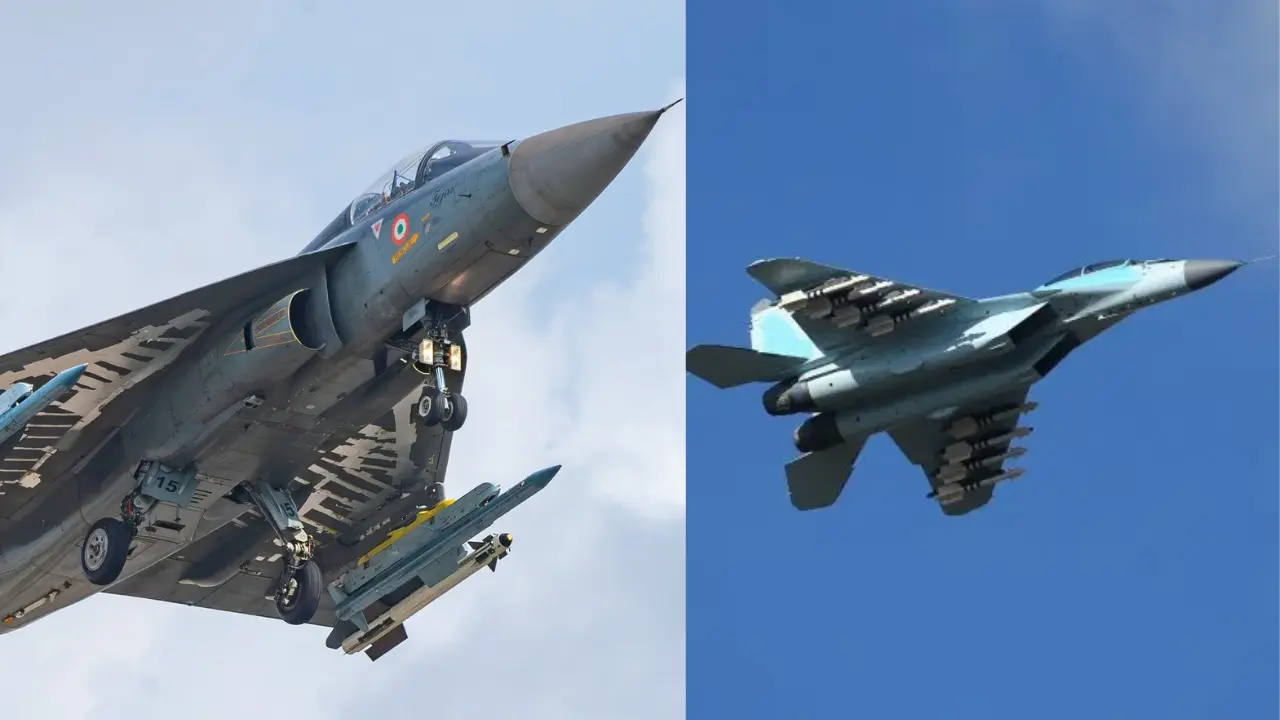
Tejas Mk2 Advanced Avionics and Sensors
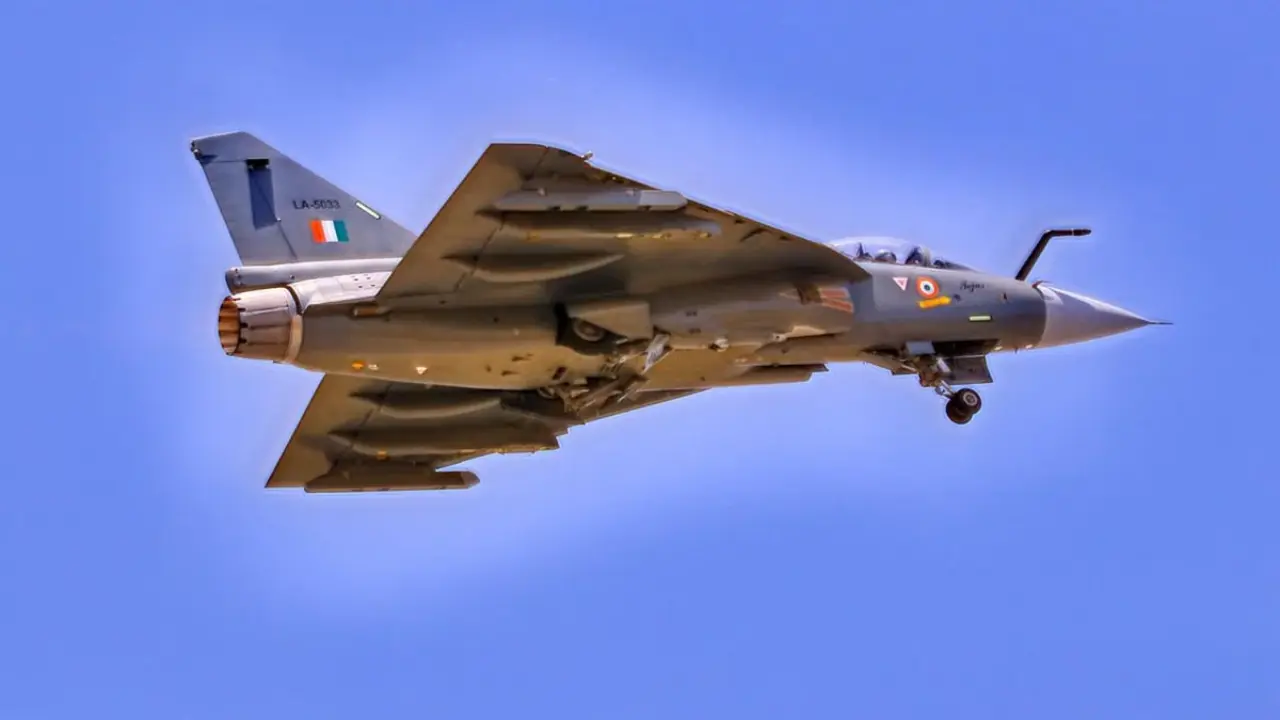
The Tejas Mk2 features the Uttam AESA radar and advanced sensors, including IRST, allowing it to detect several targets in the air and on the ground. This gives it battlefield awareness similar to more expensive jets.
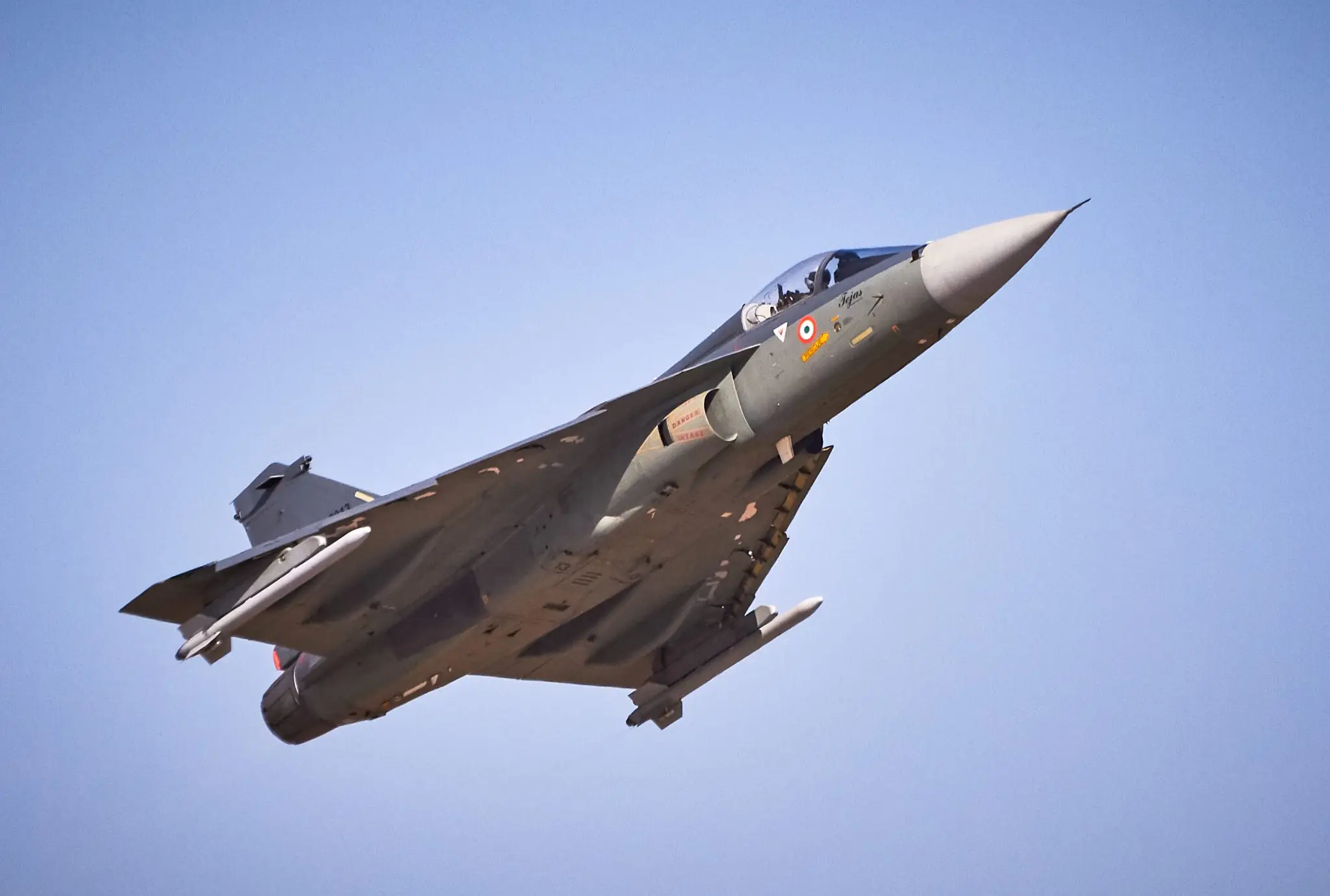
Performance and Payload
Powered by a GE F414 engine delivering 98 kN of thrust, Tejas Mk2 can reach speeds up to Mach 1.8 and has a combat radius of 1,500 kilometres. It carries weapons such as Astra BVR missiles, BrahMos-NG, and Rudram anti-radiation missiles.
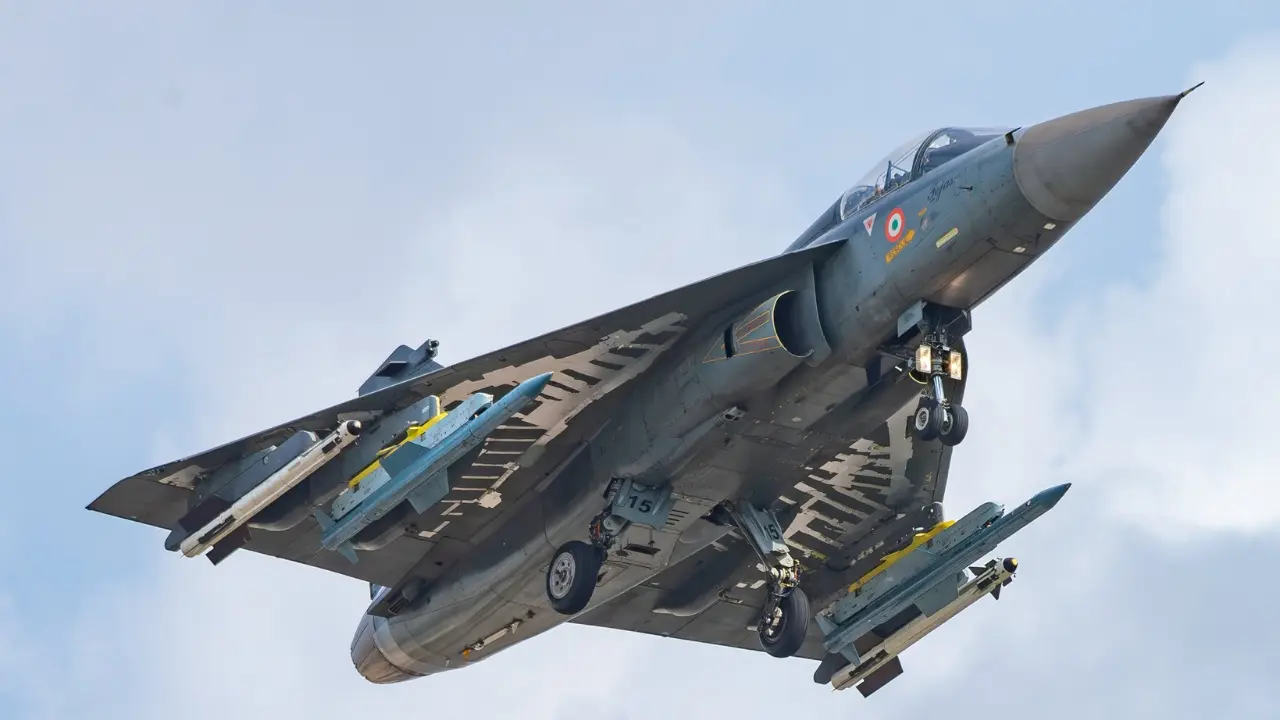
MiG-35 Russian Multirole Power
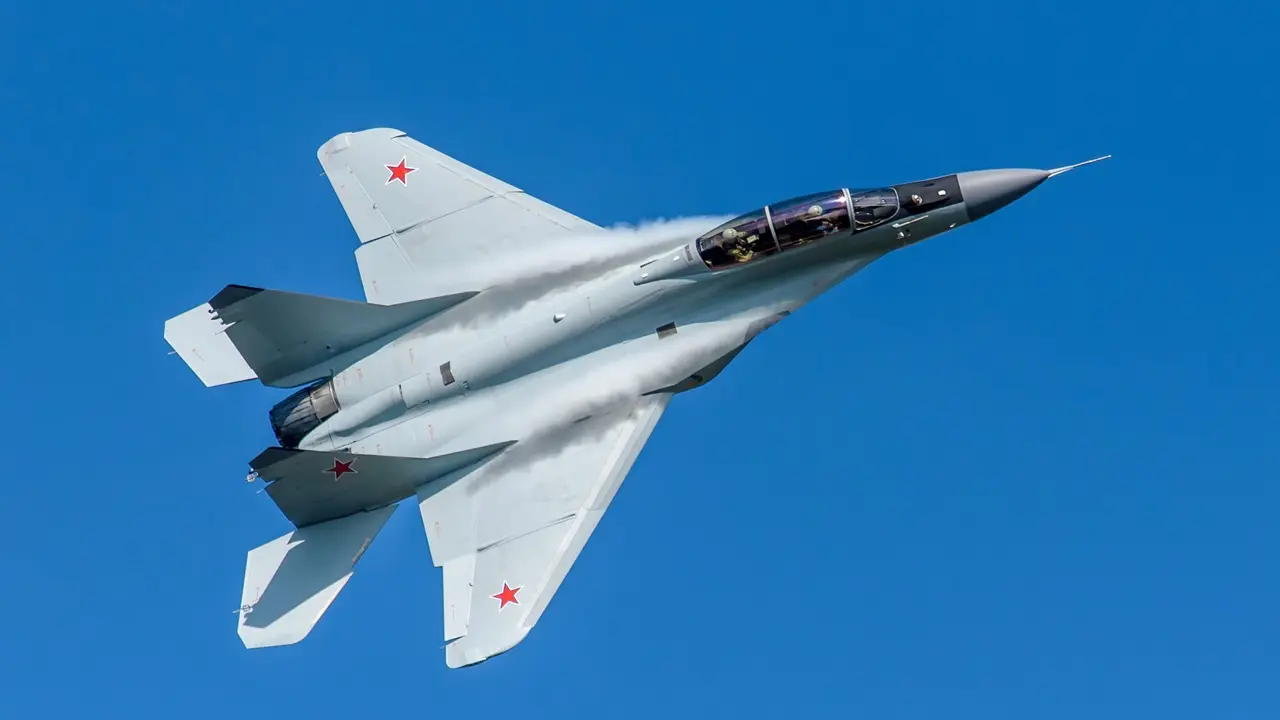
MiG-35 is a twin-engine multirole fighter with a larger frame, advanced avionics, and a higher payload capacity than Tejas Mk2. Equipped with the Zhuk-AE AESA radar and twin engines, it offers better survivability, making it suited for heavy combat.
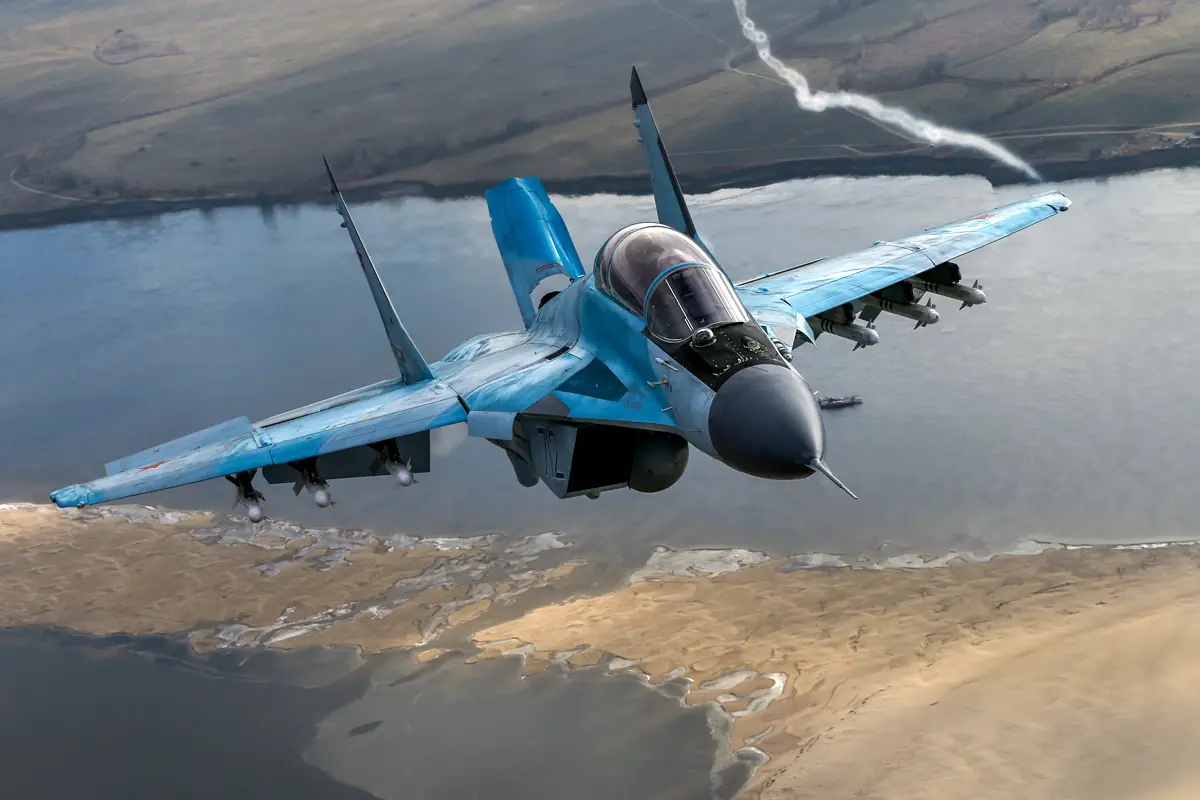
Radar and Sensors Comparison
MiG-35’s radar can track 30 targets at once and detect beyond 120 kilometres. Its OLS electro-optical targeting system aids in stealth detection and infrared tracking, offering strong air-to-air and air-to-ground combat ability.
Operational Advantage
MiG-35’s twin engines provide greater range and payload in tough combat but add weight. Tejas Mk2’s lighter frame and modern avionics make it more agile and cost-effective, ideal for regional threats and fast deployment.
Upcoming Induction and Impact
Tejas Mk2 is expected to take off its first flight in 2026, It is designed to boost India’s self-reliance and reduce foreign dependence.
)
)
)
)
)