Tejas Mk2 vs F-16: Which fighter jet accelerates faster in real air combat?

F-16 and Tejas Mk2 are fast, but which jet truly leads in acceleration during combat? Here we compared thrust, weight, agility, and real-world performance.
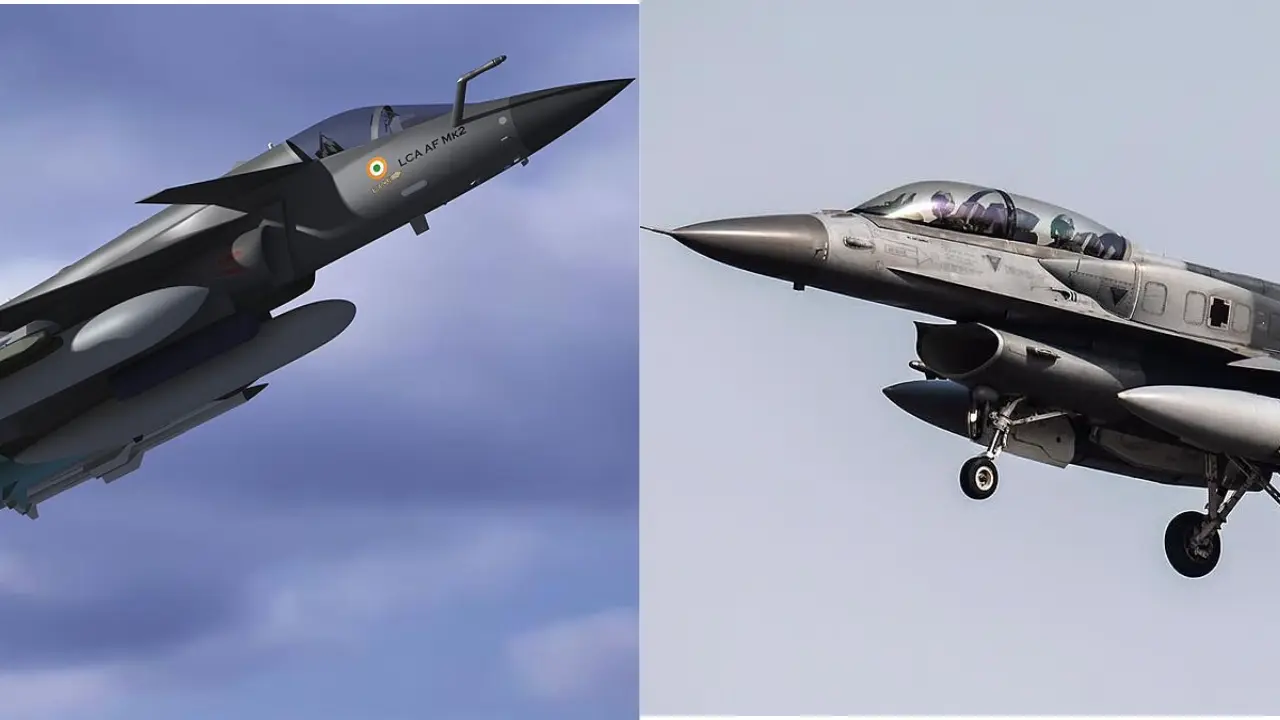
Acceleration - Why It Matters in Air Combat
In dogfights, the fighter that accelerates faster has the advantage by escaping enemy sights or closing in for a shot. Acceleration depends on engine thrust, weight and aerodynamics.
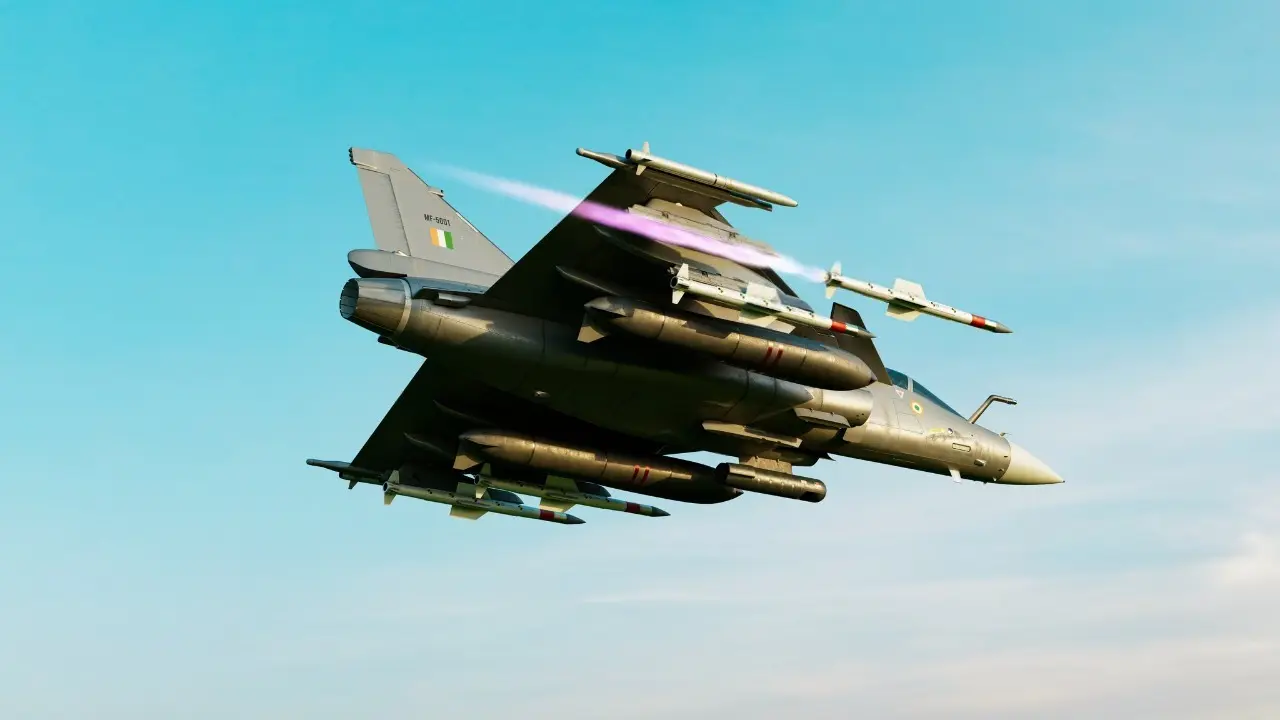
The Engines Heart of Acceleration
Tejas Mk2 uses a GE F414 engine producing 98 kN of thrust, while the F-16 Block 50/52 flies with the F110-GE-129 engine delivering up to 129 kN. Some F-16s also use Pratt & Whitney engines with similar thrust. Both jets have fly-by-wire systems for rapid power control. Tejas Mk2 is more flexible.
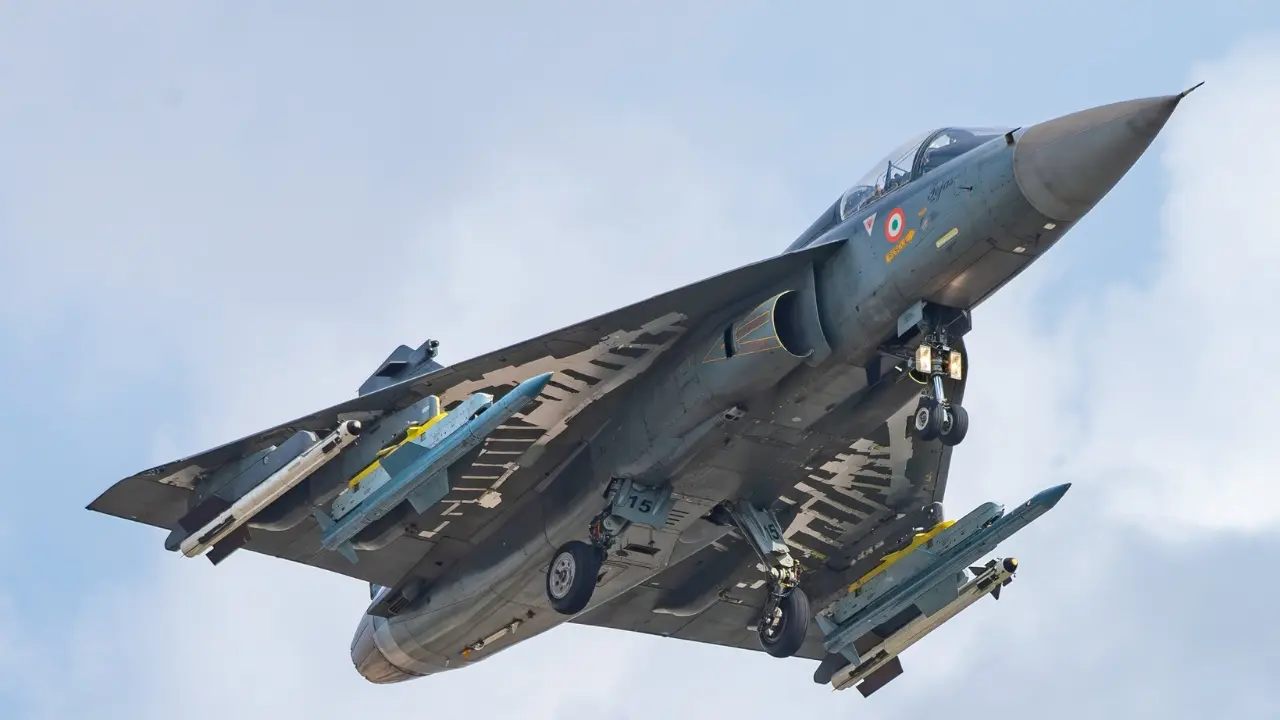
Thrust-to-Weight Ratio Raw Numbers
Tejas Mk2 has a thrust-to-weight ratio of about 0.95 at typical combat weight. The F-16’s ratio is usually higher, over 1.09. The F-16 can accelerate faster in pure thrust terms.
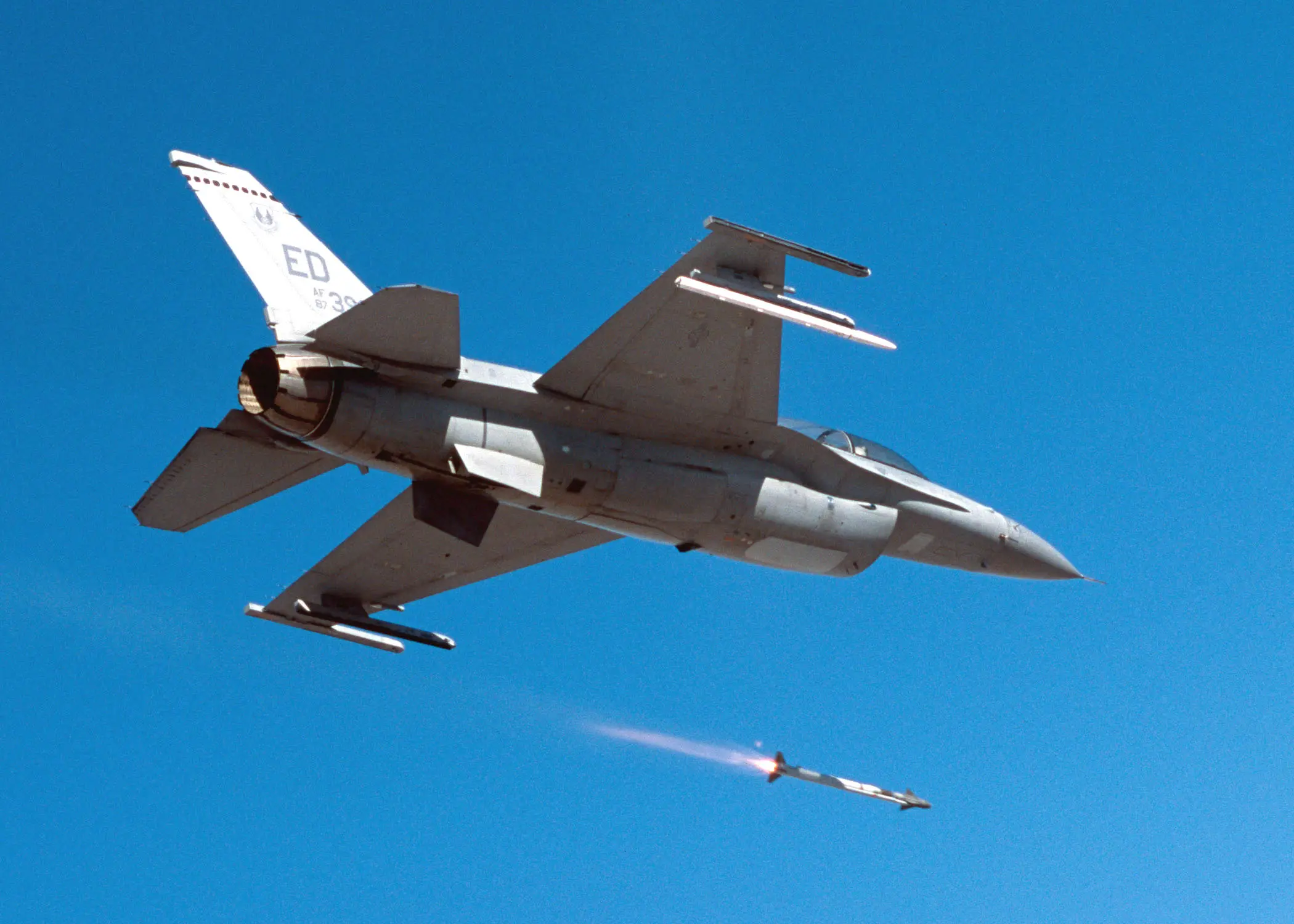
Real-World Acceleration Climb and Recovery
Reports show the F-16 can climb at about 50,000 feet per minute, while Tejas Mk2 also can climb almost the same per minute. For acceleration from low speed, the F-16’s power and aerodynamics give it a slight advantage, but Tejas Mk2 closes the gap with its newer engine and design.
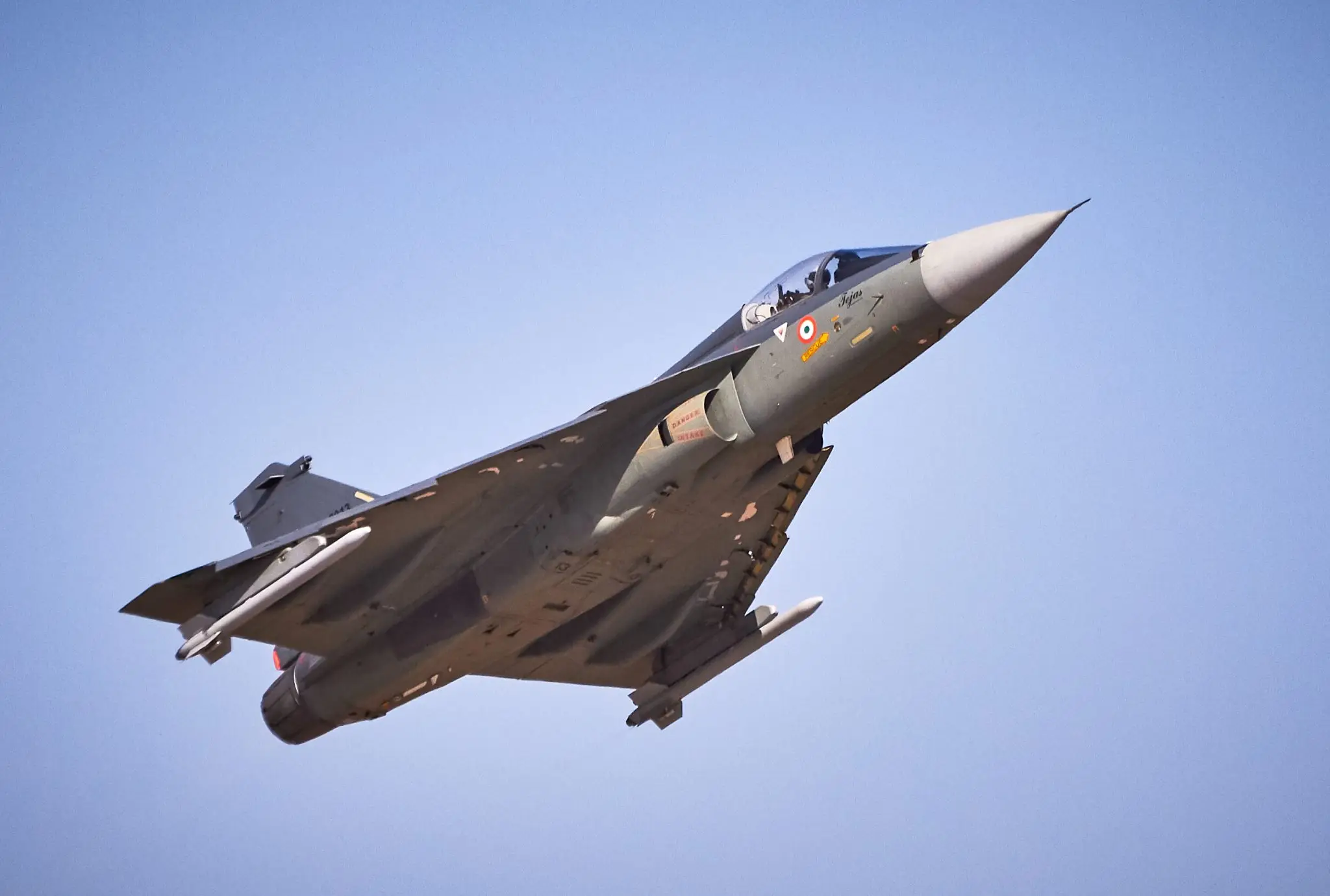
Aerodynamic Agility Tejas Mk2’s Design Edge
Tejas Mk2’s canards and advanced wing shape boost low-speed agility. Although the F-16 is famed for tight turns, Mk2’s close-coupled canards provide better lift and faster recovery during high-angle manoeuvres. This helps it regain speed quickly in dogfights.
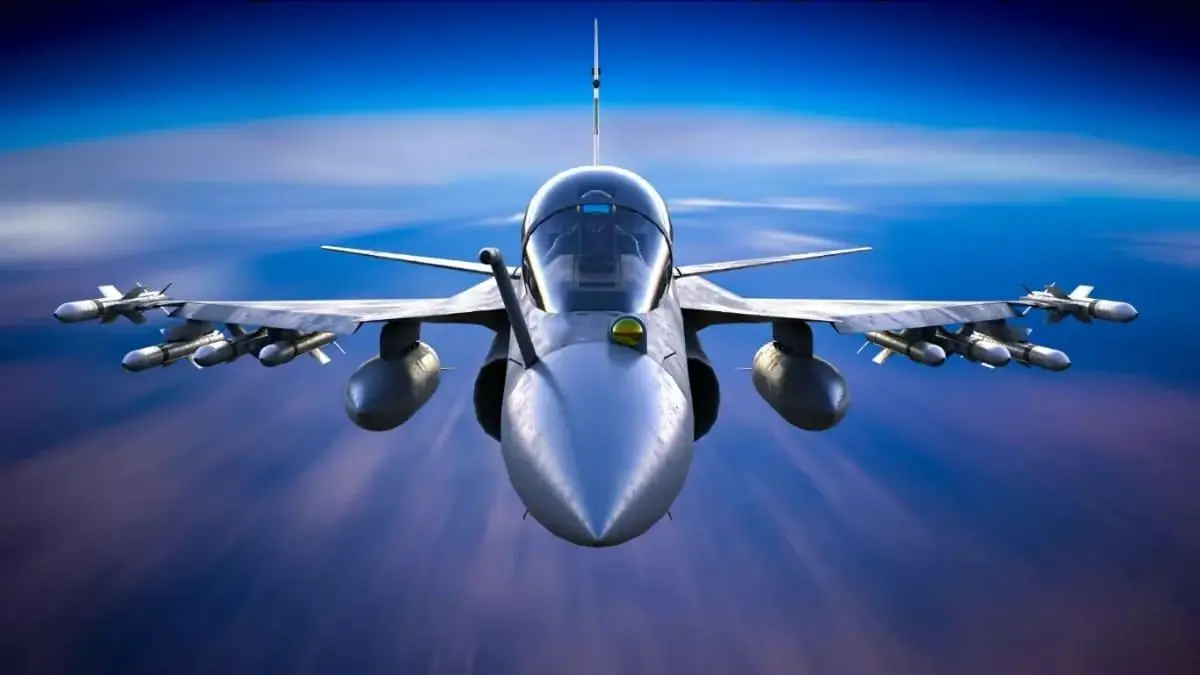
Weight Payload and Acceleration in Practice
The F-16 can carry up to 7.7 tonnes of weapons, compared to Tejas Mk2’s 6.5 tonnes. When fully loaded, both jets lose some acceleration. However, Tejas Mk2’s lighter basic airframe means its engine works less hard per kilogram in medium-load situations.
)
)
)
)
)