Tejas Mk2 vs F-16: How India’s fighter jet compares with the US workhorse

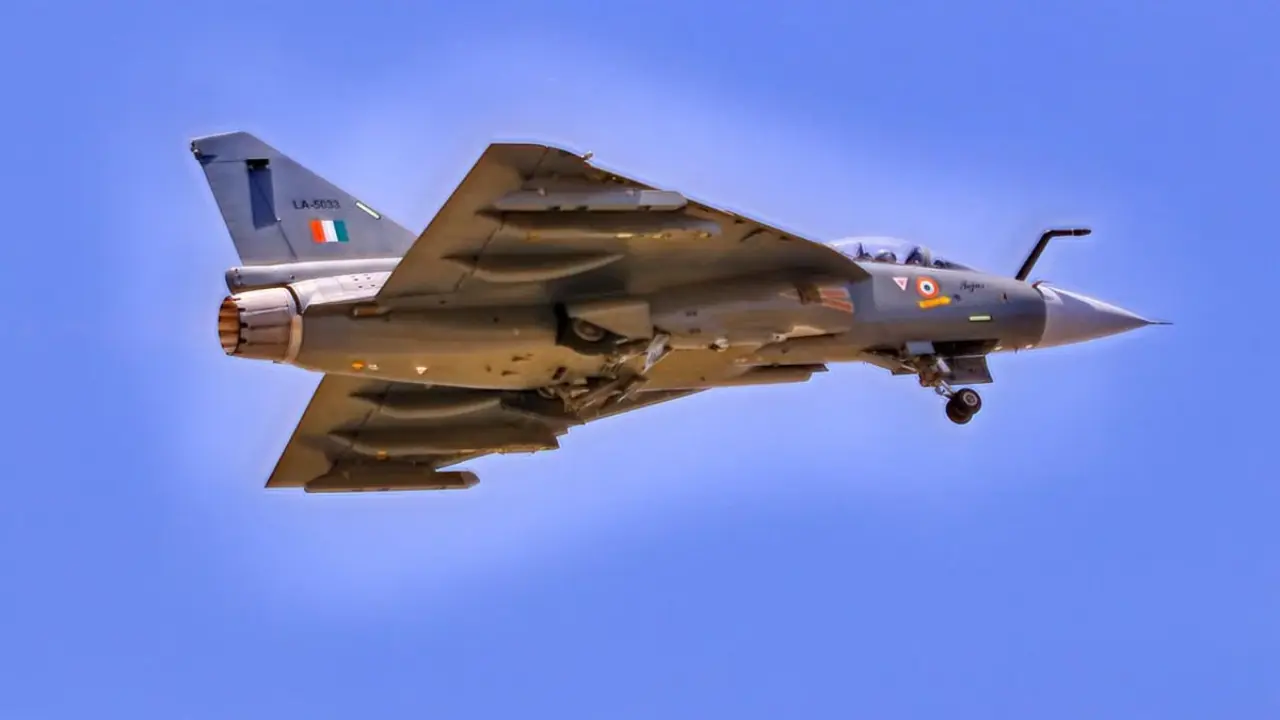
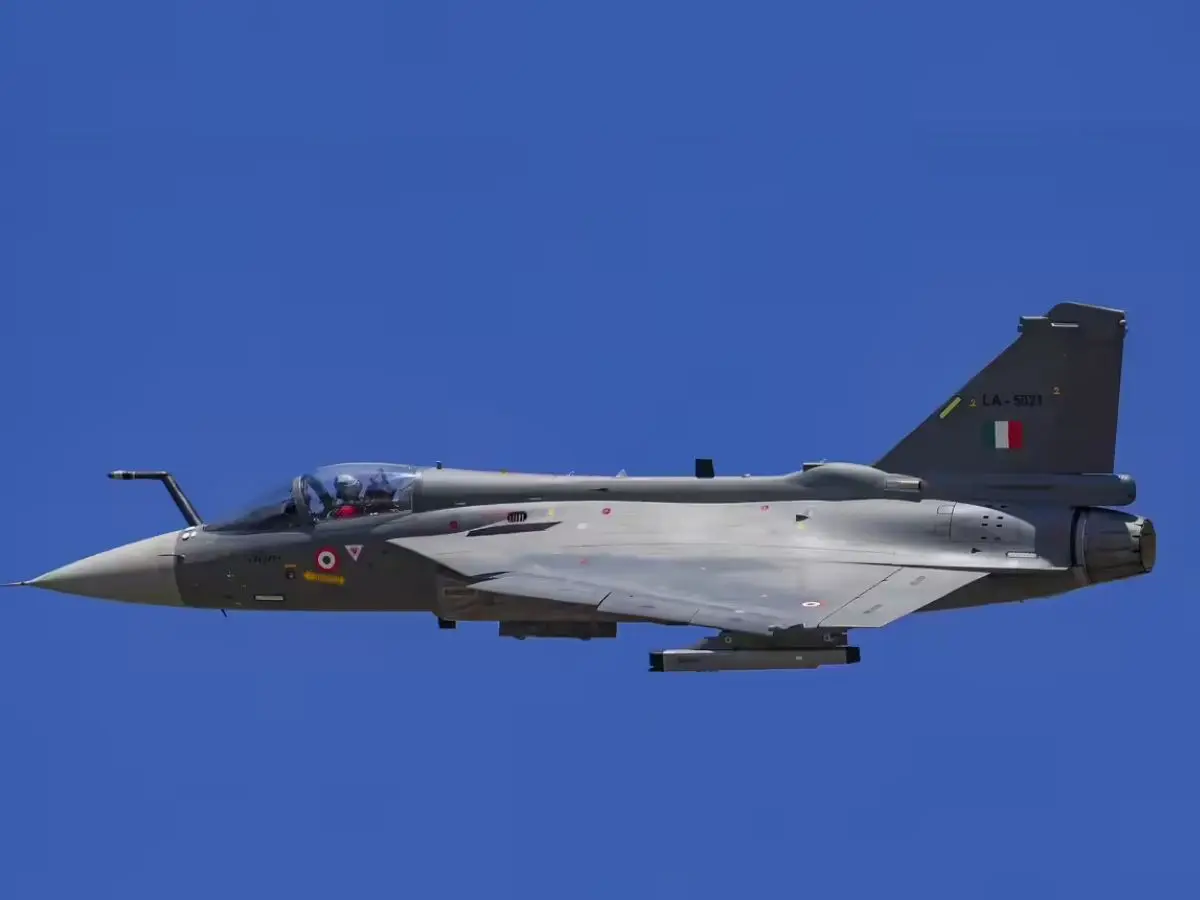
The Tejas Mk2 is a single‑engine, canard‑delta fighter developed as a medium‑weight upgrade over the Tejas Mk1A. It uses over 40 per cent composite materials to reduce weight and radar signature. The aircraft is approximately 14.6 m long and 8.5 m wide.
Airframe and Design
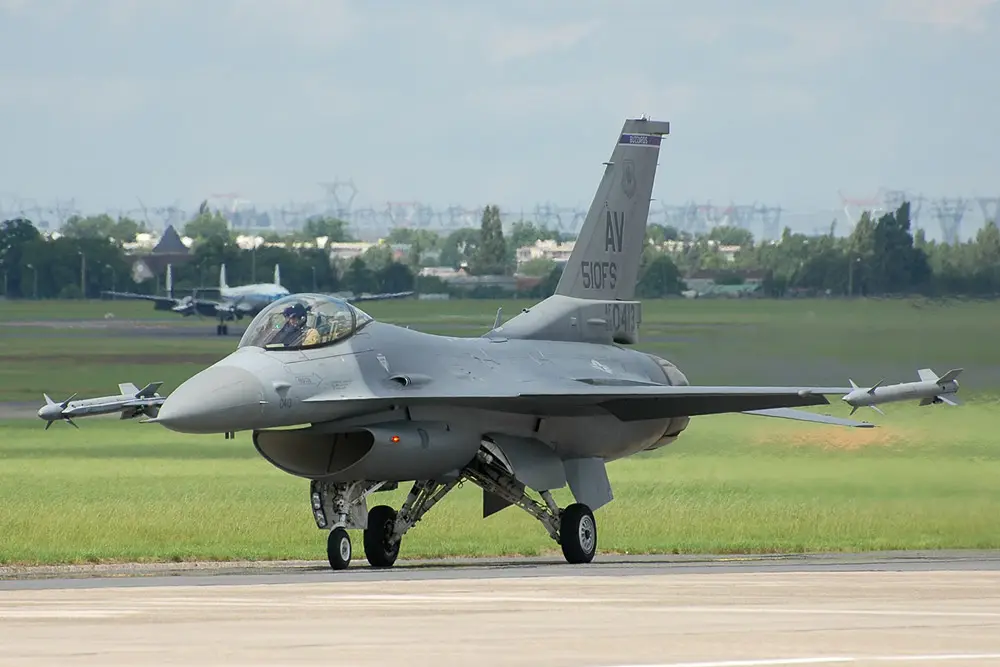
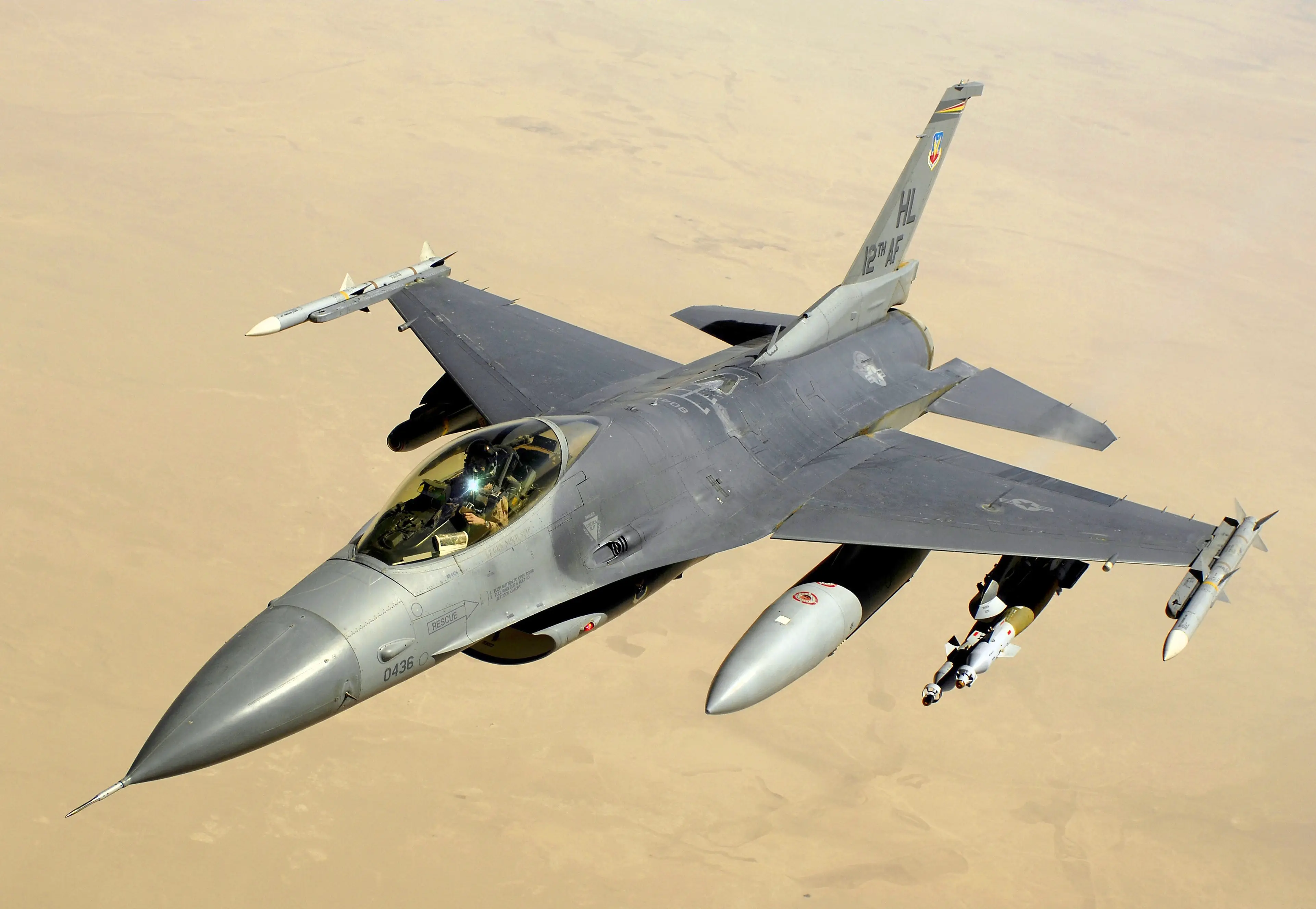
The Tejas Mk2 is a single‑engine, canard‑delta fighter developed as a medium‑weight upgrade over the Tejas Mk1A. It uses over 40 per cent composite materials to reduce weight and radar signature. The aircraft is approximately 14.6 m long and 8.5 m wide. The F‑16, a proven US multirole fighter, is slightly larger with a length of 15 m and wingspan of 9.9 m. It uses a traditional blended‑wing design optimised for high‑speed manoeuvres and heavier payloads.
Engine and Performance
Tejas Mk2 is powered by the GE F414‑INS6 engine, producing about 98 kN of thrust with afterburner and capable of reaching Mach 1.8. The F‑16 Block 50/52 typically uses the GE F110‑GE‑129 or Pratt & Whitney F100‑PW‑229 engines, offering up to 129 kN thrust and achieving speeds over Mach 2.0. While the F‑16 has higher thrust-to-weight ratios in some variants, Tejas Mk2 benefits from a lighter composite structure designed for agility.
Range and Combat Radius
Tejas Mk2 is expected to have a combat radius of around 1,500 km and a ferry range close to 1,850 km with drop tanks, supplemented by mid‑air refuelling capability. The F‑16 has a greater ferry range of 4,200 km and can carry more internal fuel, allowing longer missions without refuelling. This difference reflects the F‑16’s larger airframe and decades of operational refinements.
Radar and Avionics
The Tejas Mk2 will use the Indian‑made Uttam AESA radar, an advanced sensor capable of tracking multiple targets and integrating with indigenous weapons. It will also feature a unified electronic warfare suite, infrared search‑and‑track, and digital flight systems. Modern F‑16 variants employ the AN/APG‑83 SABR AESA radar, advanced mission computers and battle‑tested electronic countermeasures. While the F‑16 has mature systems, the Mk2 represents a significant step in India’s self‑reliant avionics development.
Weapons and Payload
Tejas Mk2 will carry up to 6.5 tonnes of payload across 14 hardpoints, including Astra BVR missiles, precision bombs and future integration of BrahMos‑NG. The F‑16 can carry about 7.7 tonnes with a wider variety of Western munitions and pods, benefitting from decades of NATO interoperability. The Mk2’s weapons package is being built to maximise indigenous options and reduce import reliance.

Cost and Strategic Role
Tejas Mk2 is designed to replace India’s ageing Mirage 2000, MiG‑29 and Jaguar fleets at a lower lifecycle cost and with domestic manufacturing benefits. Its unit cost is expected to be significantly lower than new F‑16 variants. The F‑16 remains one of the world’s most widely used fighters with extensive combat experience, but the Mk2 offers India strategic autonomy, technology transfer and a platform tailored to IAF requirements.
)
)
)
)
)