Tejas Mk2: How India’s next-gen fighter jet will replace Mirage 2000, MiG-29 and Jaguar

The Indian Air Force’s Mirage 2000 fleet, inducted in the 1980s, remains combat-proven but is nearing the end of its service life despite upgrades.
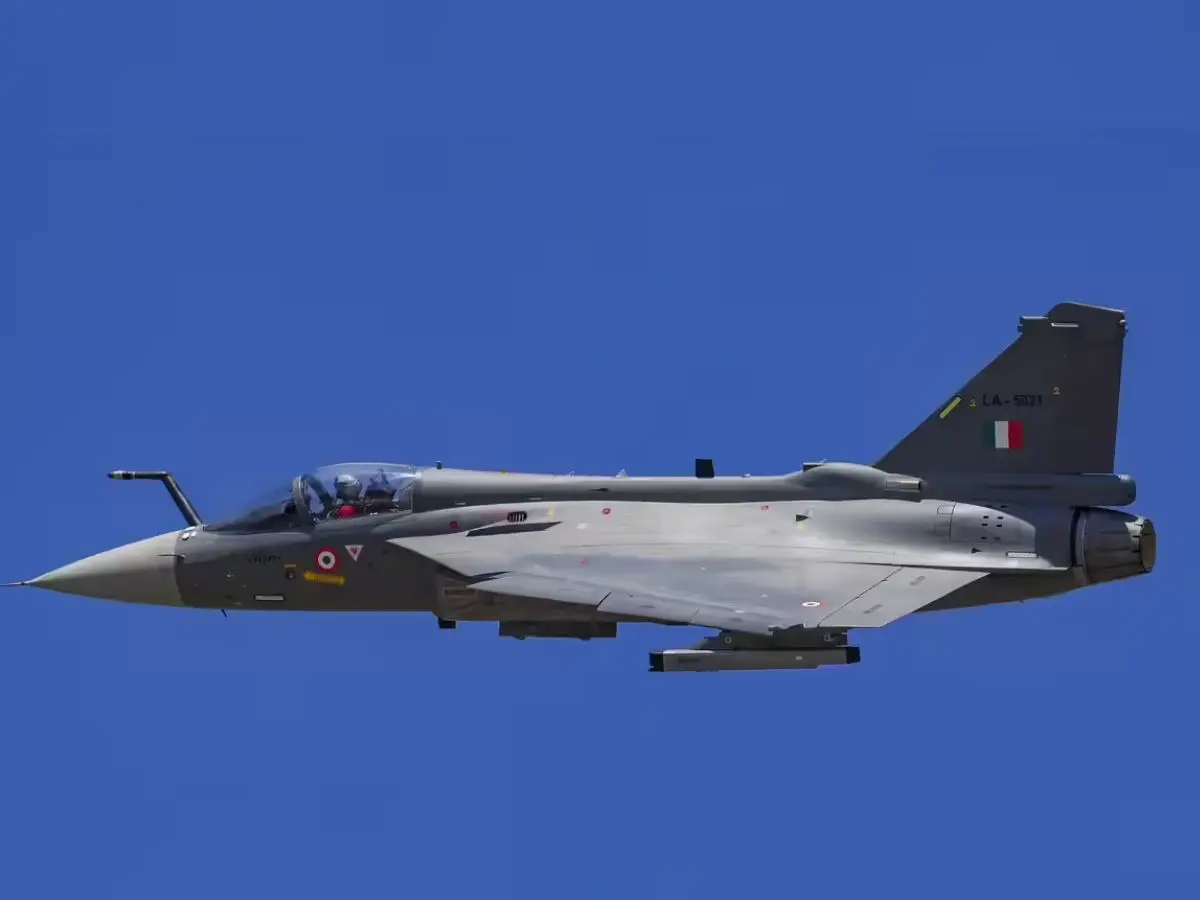
Designed as a Medium-Weight Multirole Fighter
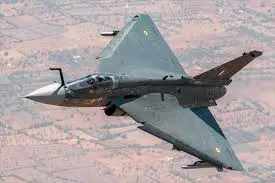
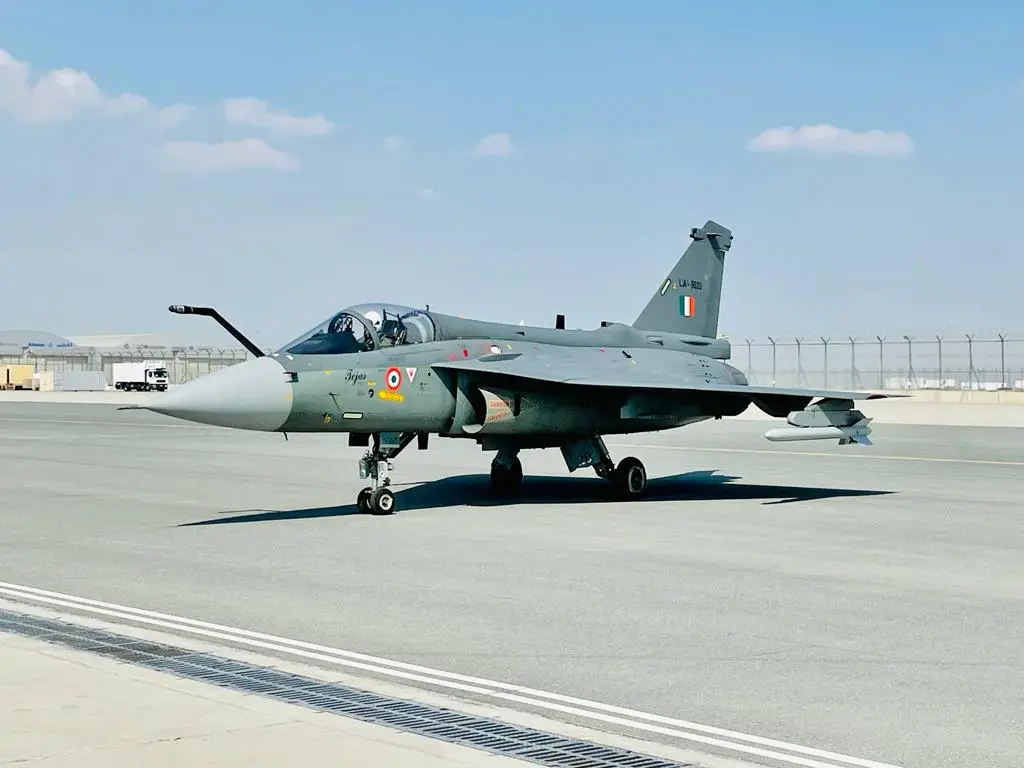
The Tejas Mk2 has been developed to bridge the gap between light fighters like the Tejas Mk1A and heavy twin-engine aircraft such as the Rafale. With a maximum take-off weight of around 17.5 tonnes, the Mk2 is classified as a medium-weight fighter capable of performing air superiority, ground attack and maritime strike missions currently handled by the Mirage 2000, MiG‑29 and Jaguar fleets.
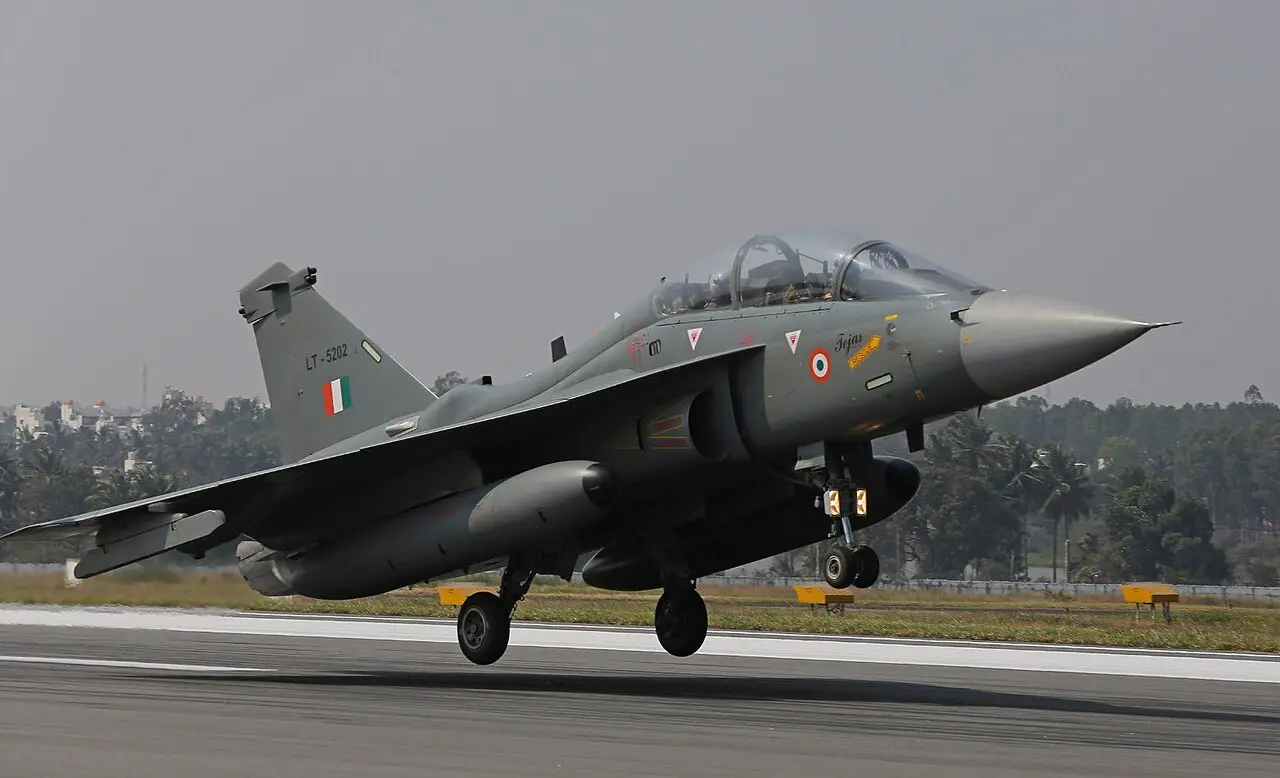
Replacing Ageing Mirage 2000s
The Indian Air Force’s Mirage 2000 fleet, inducted in the 1980s, remains combat-proven but is nearing the end of its service life despite upgrades. Tejas Mk2 is intended to take over the multi-role functions of the Mirage, offering indigenous avionics, an AESA radar, and advanced beyond-visual-range weapons like Astra, while reducing dependence on foreign supply chains.
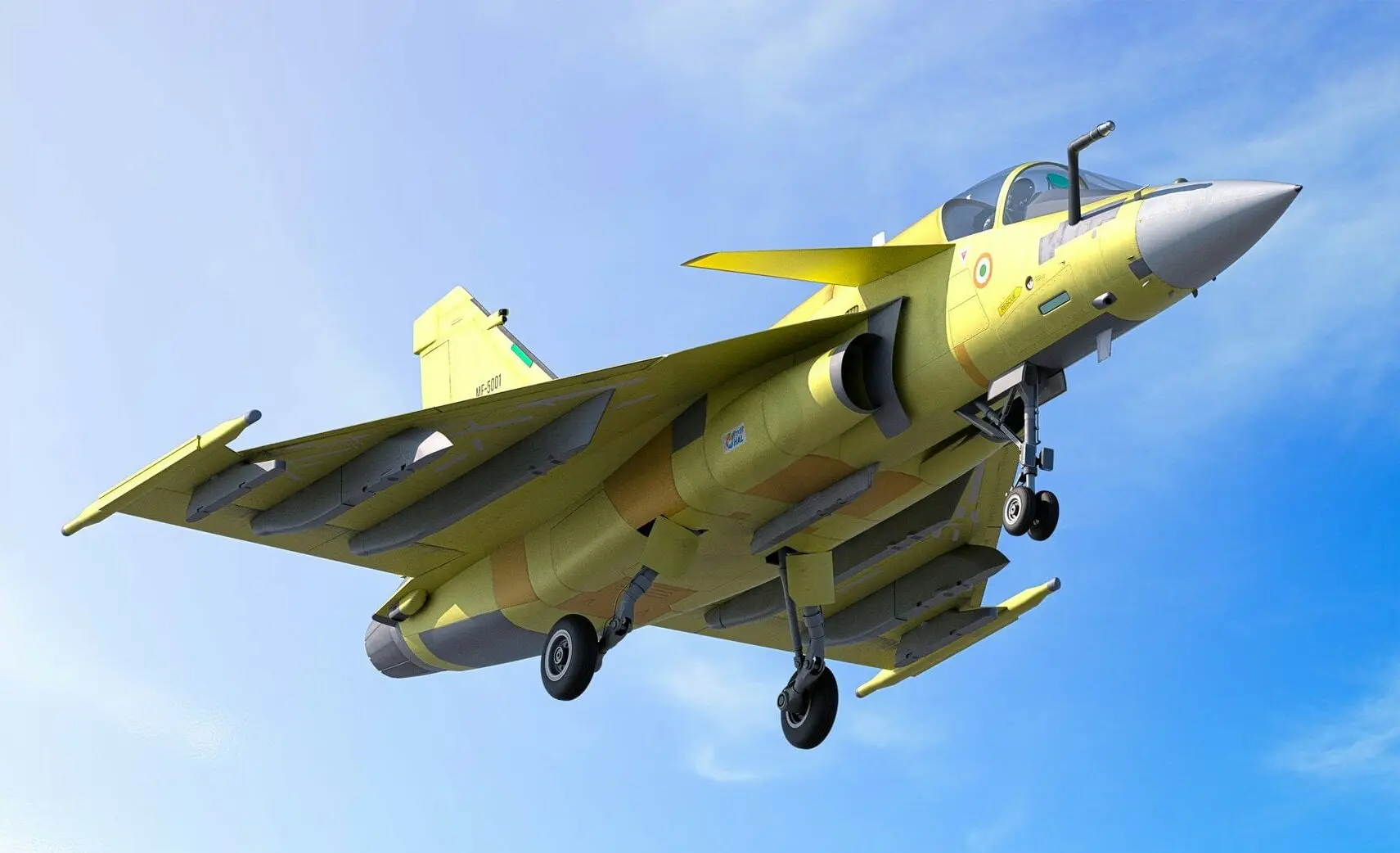
Phasing Out the MiG‑29s
The MiG‑29s, which serve as frontline air defence fighters, are also approaching retirement over the next decade. The Tejas Mk2, with its GE F414 engine, higher payload capacity, and modern electronic warfare systems, is expected to replace the MiG‑29’s role in air superiority and interception missions, providing better maintainability and lower operational costs.
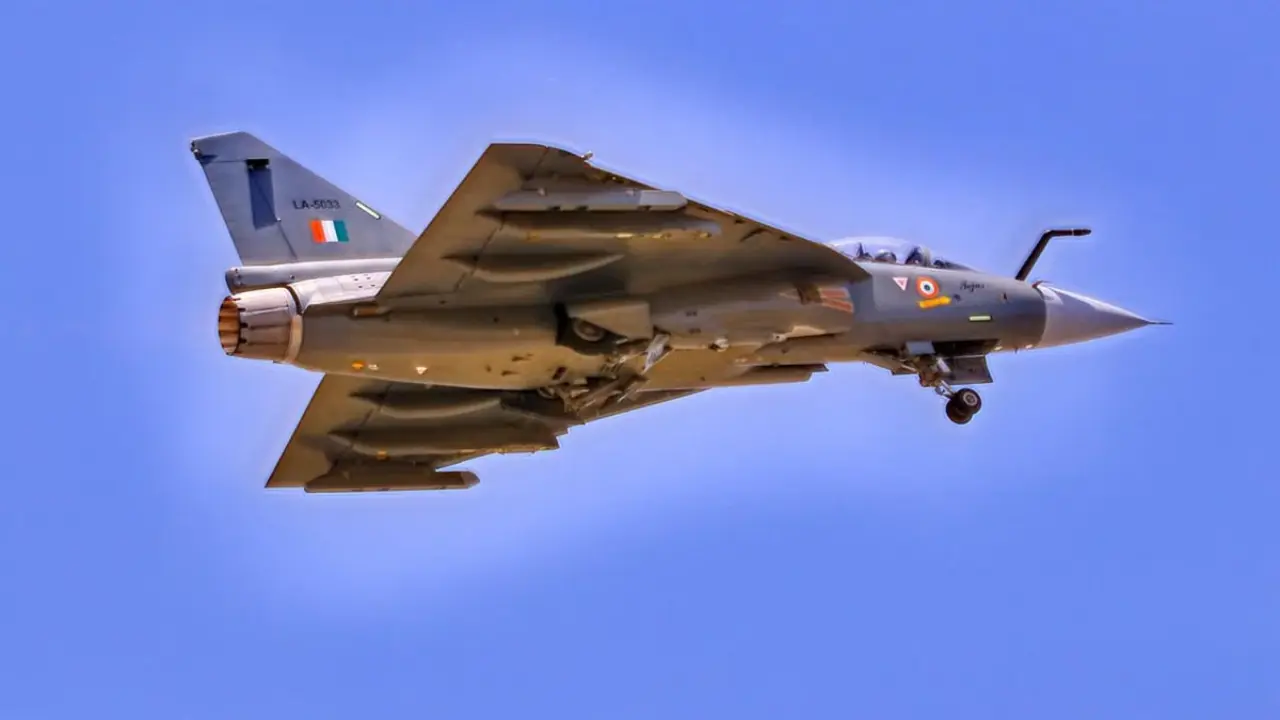
Taking Over Jaguar Strike Missions
India’s Jaguar deep penetration strike aircraft have been the backbone of long-range ground attack operations for decades but are facing obsolescence. The Tejas Mk2, configured to carry precision-guided munitions, Smart Anti-Airfield Weapons (SAAW), and potentially BrahMos-NG, will assume the Jaguar’s role in tactical and strategic strike missions with improved survivability and indigenous support.
Squadron Strength and Force Structure
The IAF currently operates around 31 fighter squadrons against an authorised strength of 42. With all three legacy aircraft types scheduled for retirement in the 2030s, the induction of at least 120 Tejas Mk2 fighters will be critical to maintaining operational readiness and filling the squadron gap without relying solely on imported platforms.
Strategic and Industrial Impact
Replacing three different imported fighter classes with a single indigenous platform reduces logistics complexity and creates economies of scale in production and maintenance. The Mk2 programme also strengthens India’s aerospace industry, supporting technology transfer for future projects such as the Advanced Medium Combat Aircraft (AMCA) and boosting defence self-reliance under the ‘Make in India’ framework.
)
)
)
)
)