Tejas Mk2 fighter jet pilots to be trained using AI‑backed simulators

Tejas Mk2 pilot training will rely heavily on high-tech simulators with VR and AI support, reducing conversion time and risk while saving costs. This simulator-led training thoroughly prepares pilots for advanced operations.
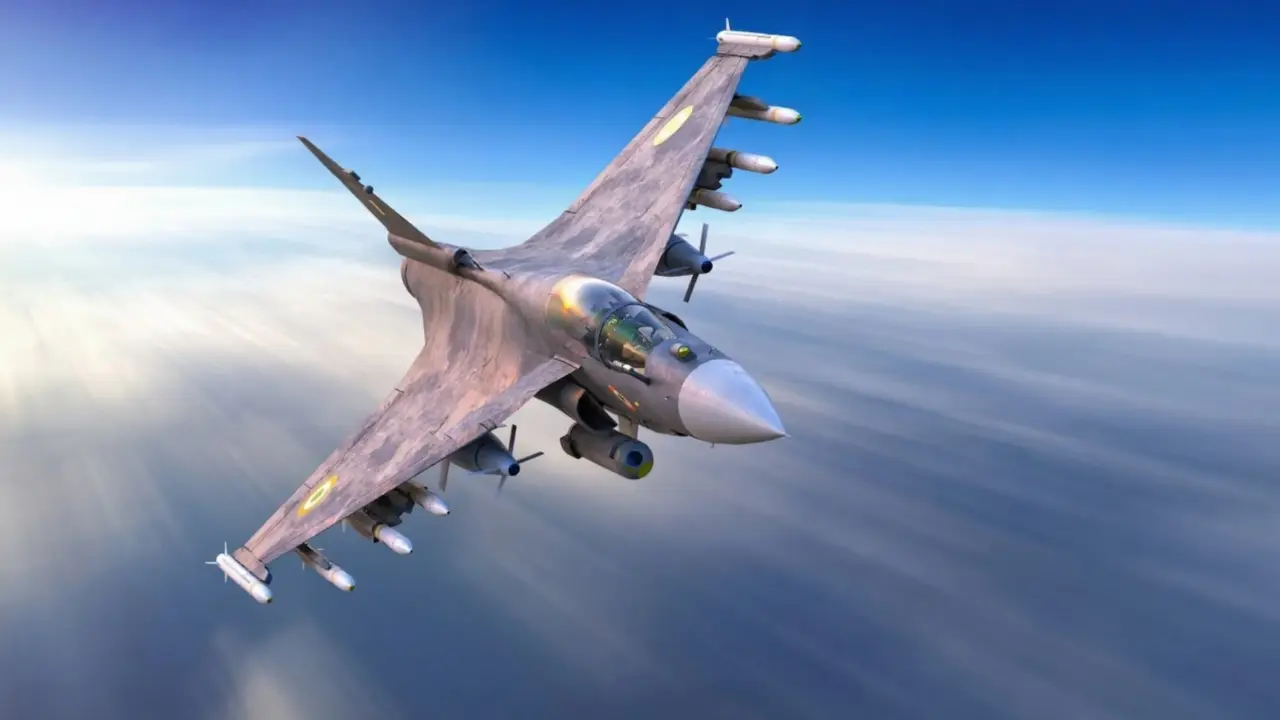
Simulator Training
Tejas Mk2 will use cutting-edge flight simulators that closely match the jet’s cockpit. Now, experienced pilots can mostly train with simulators, needing fewer hours in a trainer aircraft. This saves time and cuts risk as pilots switch to flying the Tejas Mk2.
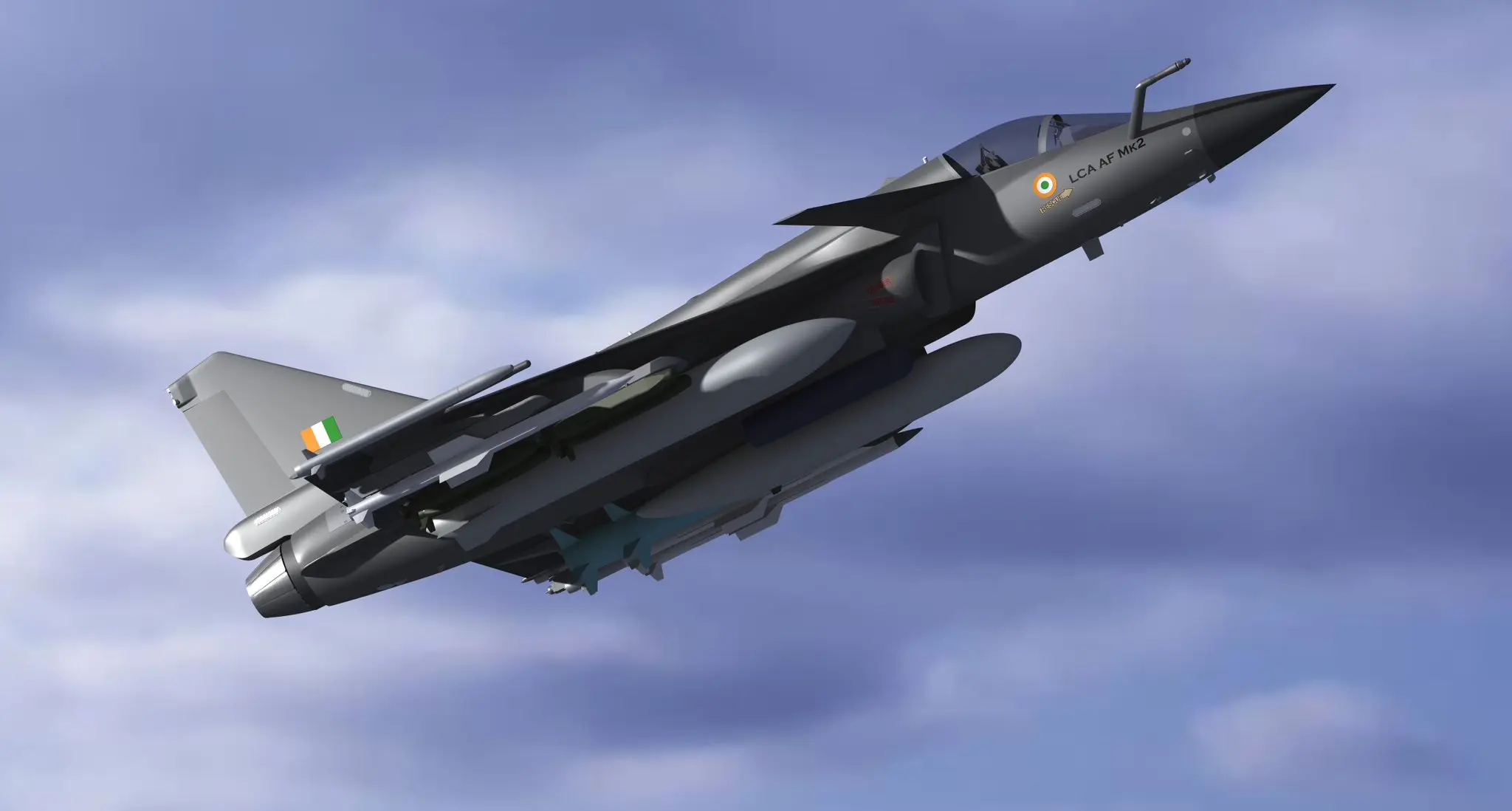
High-Fidelity Simulators for Realistic Practice
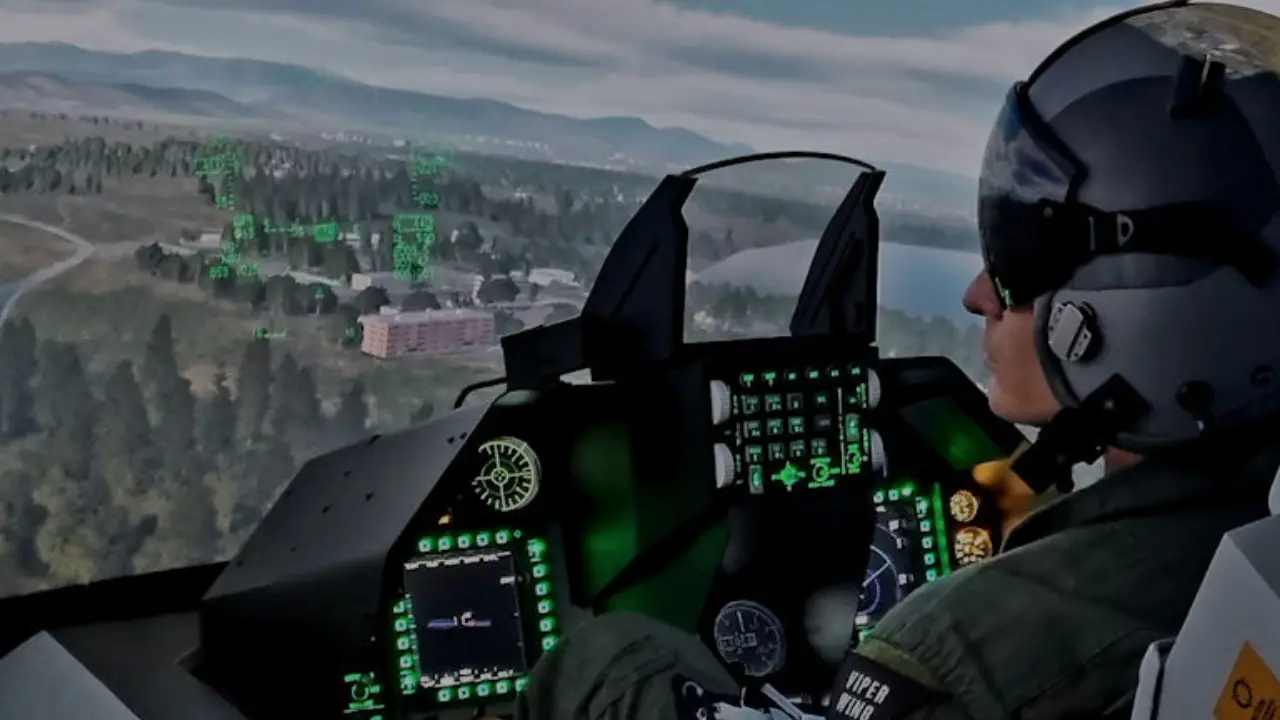
The simulators will be exact copies of the Mk2 cockpit, with fully working controls and displays. They are fine-tuned against real jet behaviour, which allows pilots to practice flying and combat scenarios safely on the ground. This gives them strong, real-world experience.
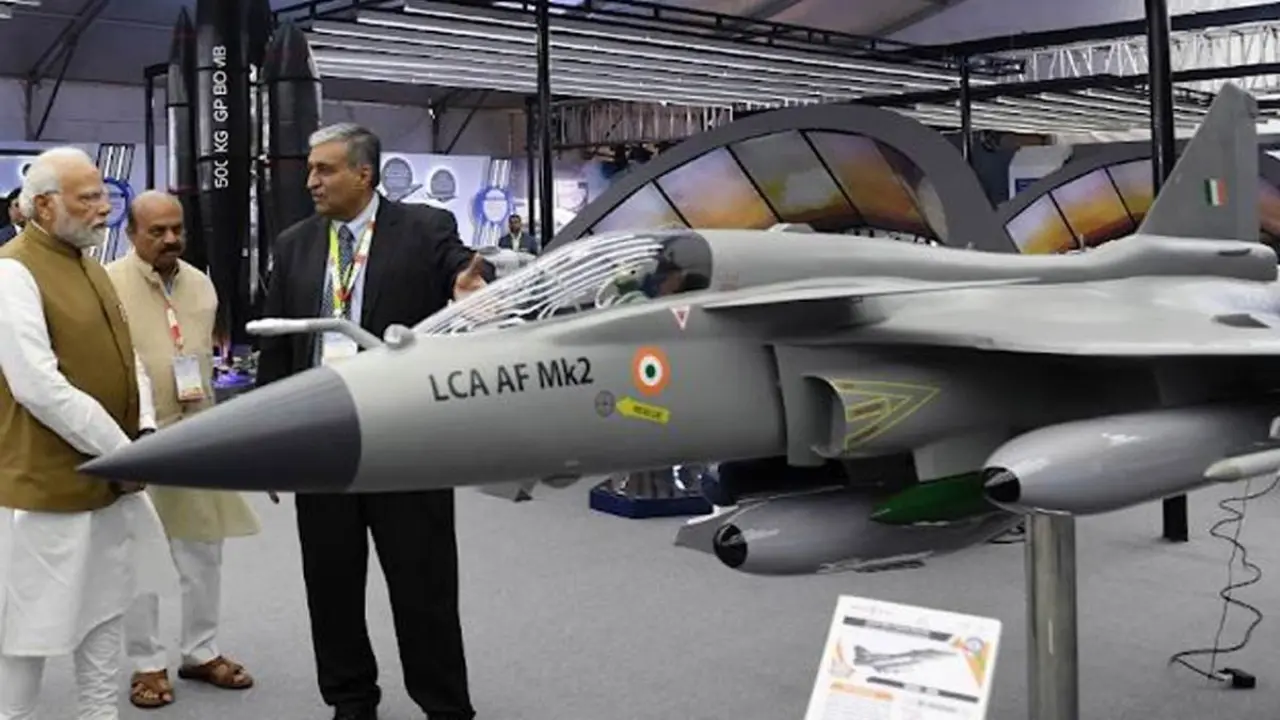
Virtual Reality Makes Training Immersive
Using VR, pilots are placed in complex missions, such as night flying, bad weather, and enemy threats. These 3D environments let pilots build key skills for situations too risky to practise in a real aircraft.
AI-Backed Personal Training
AI tracks how each pilot is doing and adjusts the training to fit their needs. With this personalised approach, every pilot gets help where they need it most, leading to faster learning and better flying.
Safe Practice for Emergencies
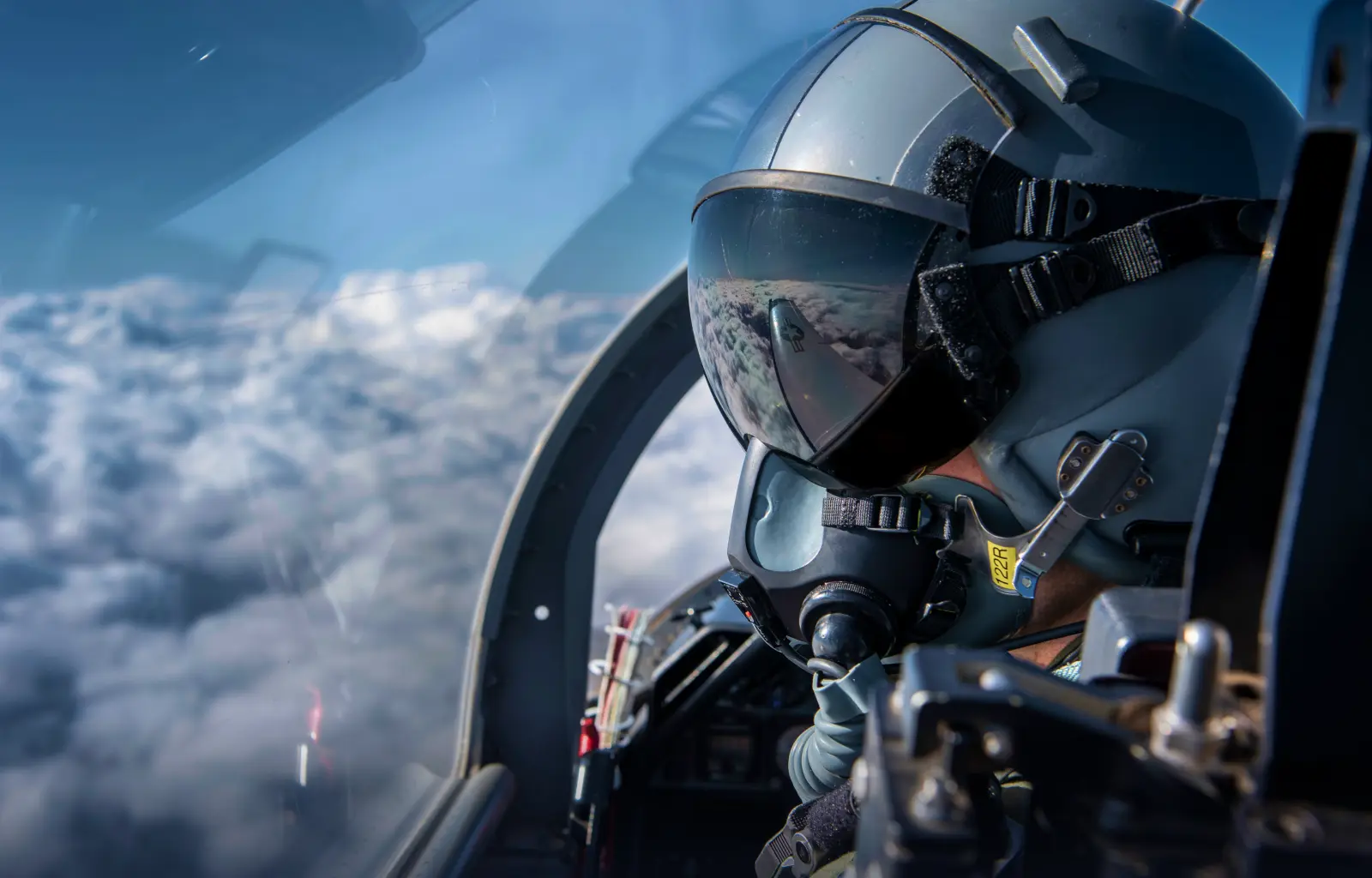
Pilots can rehearse emergencies such as engine troubles, faults, or battle damage in the simulator. Doing this again and again builds quick decision-making and confidence, all without risking lives or aircraft.
Lower Cost, Round-the-Clock Access
Simulator training costs much less than real flying. It can happen anytime, in any weather or when the airspace is busy. This makes training flexible and far more affordable for the Air Force.
Flexible, Future-Ready Training
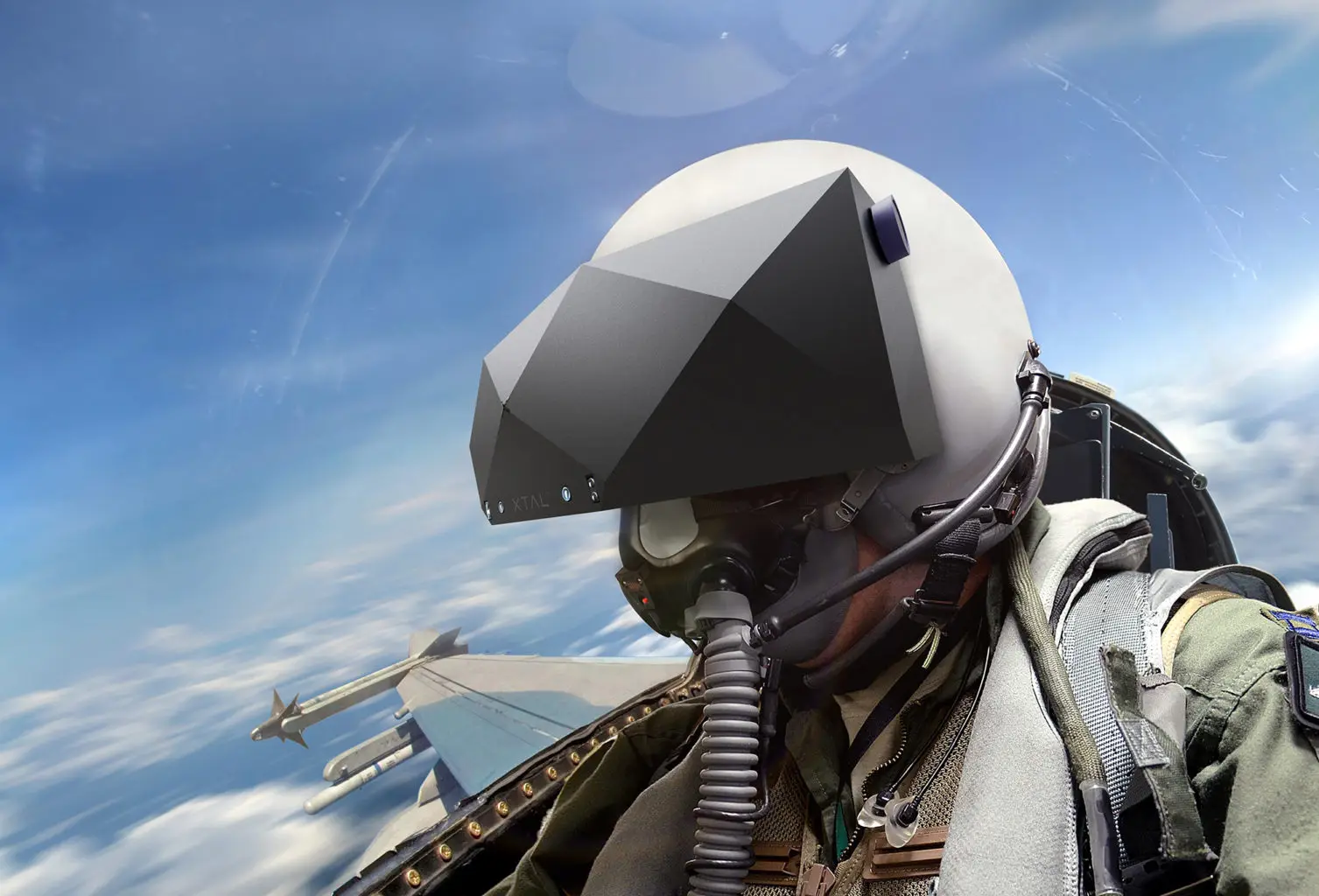
The programme mainly relies on simulators, but can add two-seat trainer jets if needed. The Tejas Mk2’s modular setup means seats and controls can be fitted for in-air training, keeping the system adaptable as pilot needs change.
)
)
)
)
)