Tejas Mk2 and GE F414 engine deal! Here's what it means for India’s fighter jet squad

India has finalised a deal with GE Aerospace and Hindustan Aeronautics Limited (HAL) to co-produce up to 99 F414 engines under licence in India.
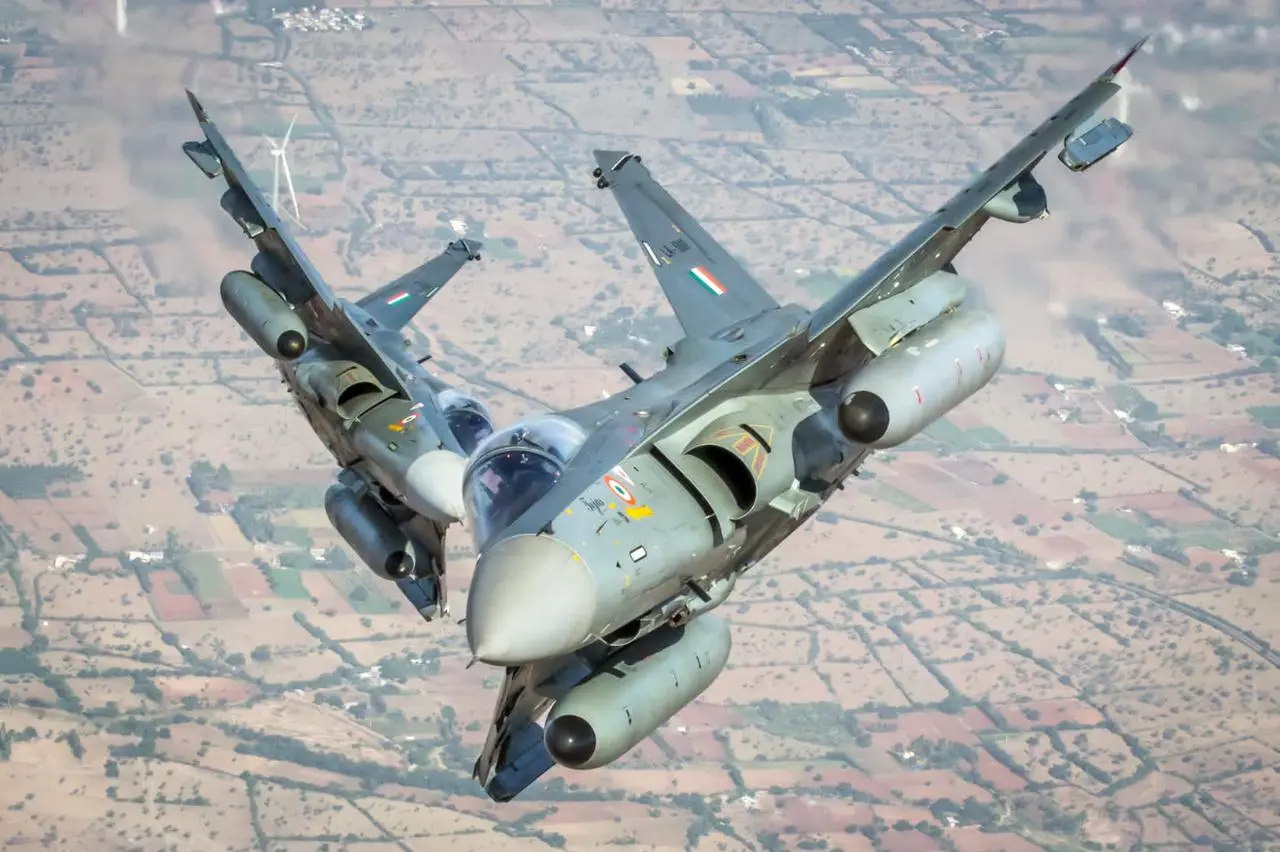
The Need for a More Powerful Engine
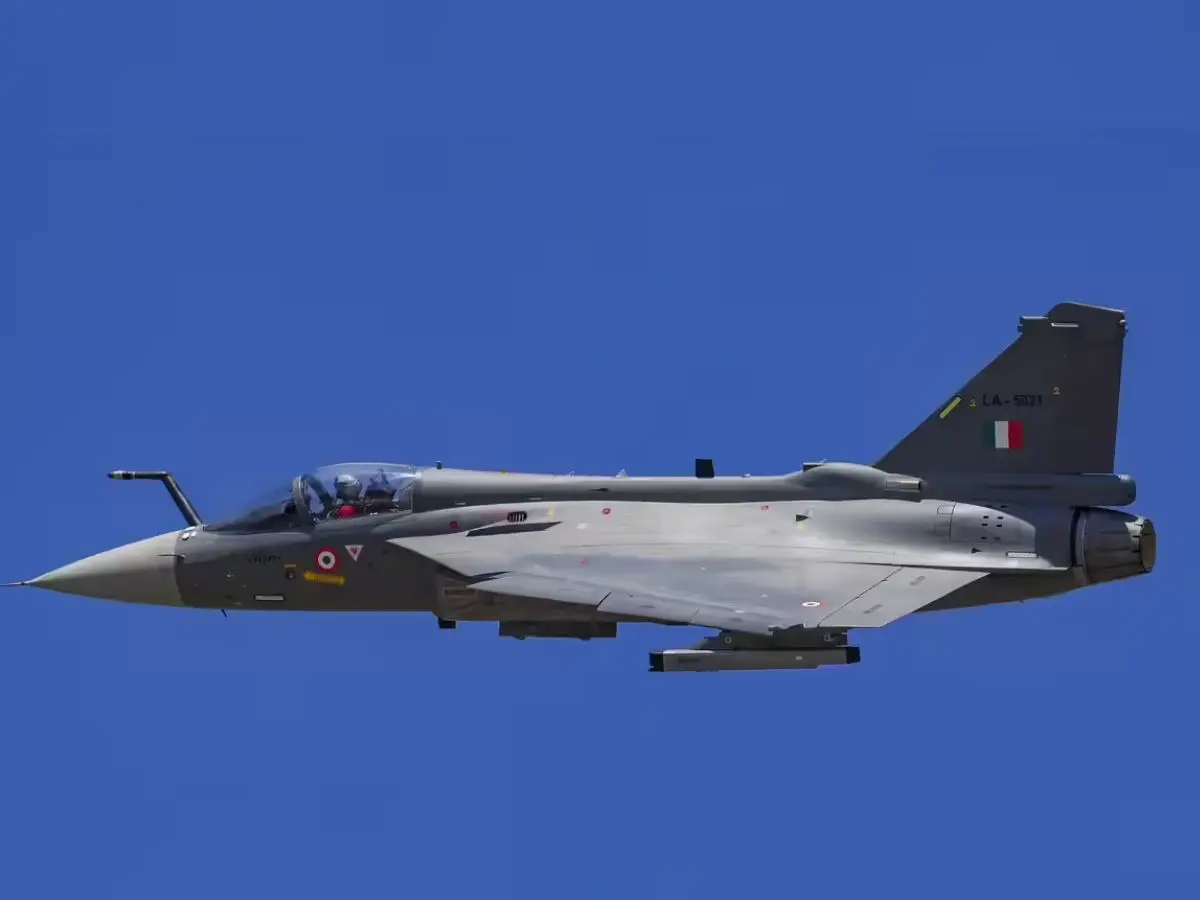
The Tejas Mk 2 is designed as a medium-weight multirole fighter with greater payload capacity and extended range compared to Tejas Mk 1A. To meet these performance demands, India selected the GE F414‑INS6 engine, capable of generating approximately 98 kN (22,000 lb) of thrust with afterburner, offering enhanced agility and endurance.
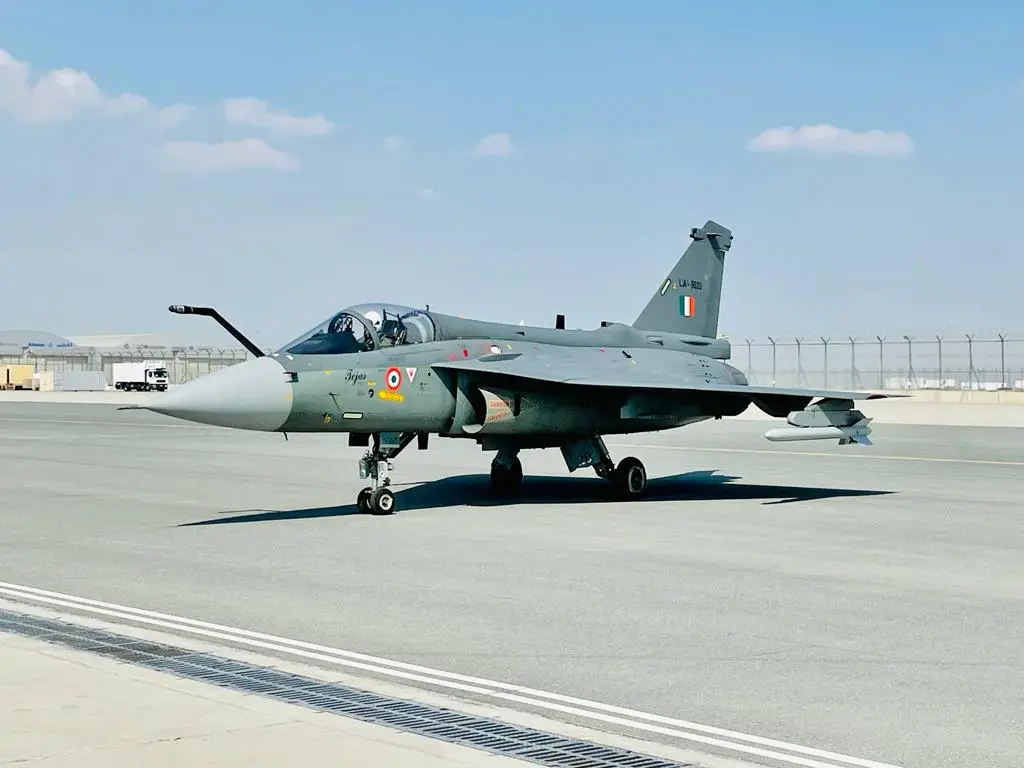
The GE–HAL Joint Production Agreement
India has finalised a deal with GE Aerospace and Hindustan Aeronautics Limited (HAL) to co-produce up to 99 F414 engines under licence in India. The agreement, valued at just under US $1 billion, aims to ensure approximately 80 per cent transfer of technology (ToT), including production of key components like hot‑section alloys and turbine blades.
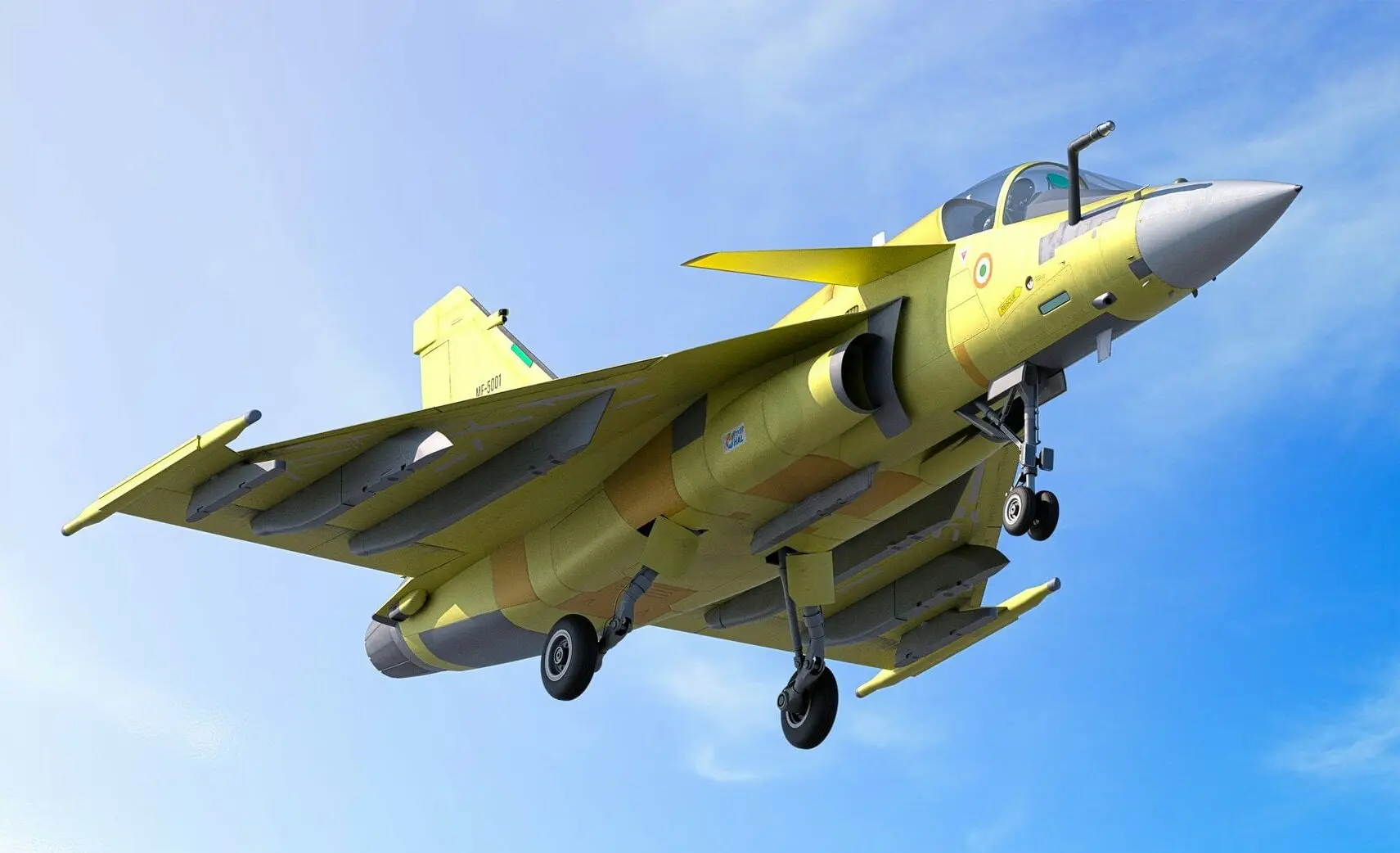
Deepening Defence and Industrial Collaboration
The deal includes a broader strategic dimension, ending India’s earlier exclusion from advanced combat-engine technology. It symbolises a new phase of US–India defence collaboration and enables India to enter the exclusive club of countries capable of producing modern fighter jet engines.
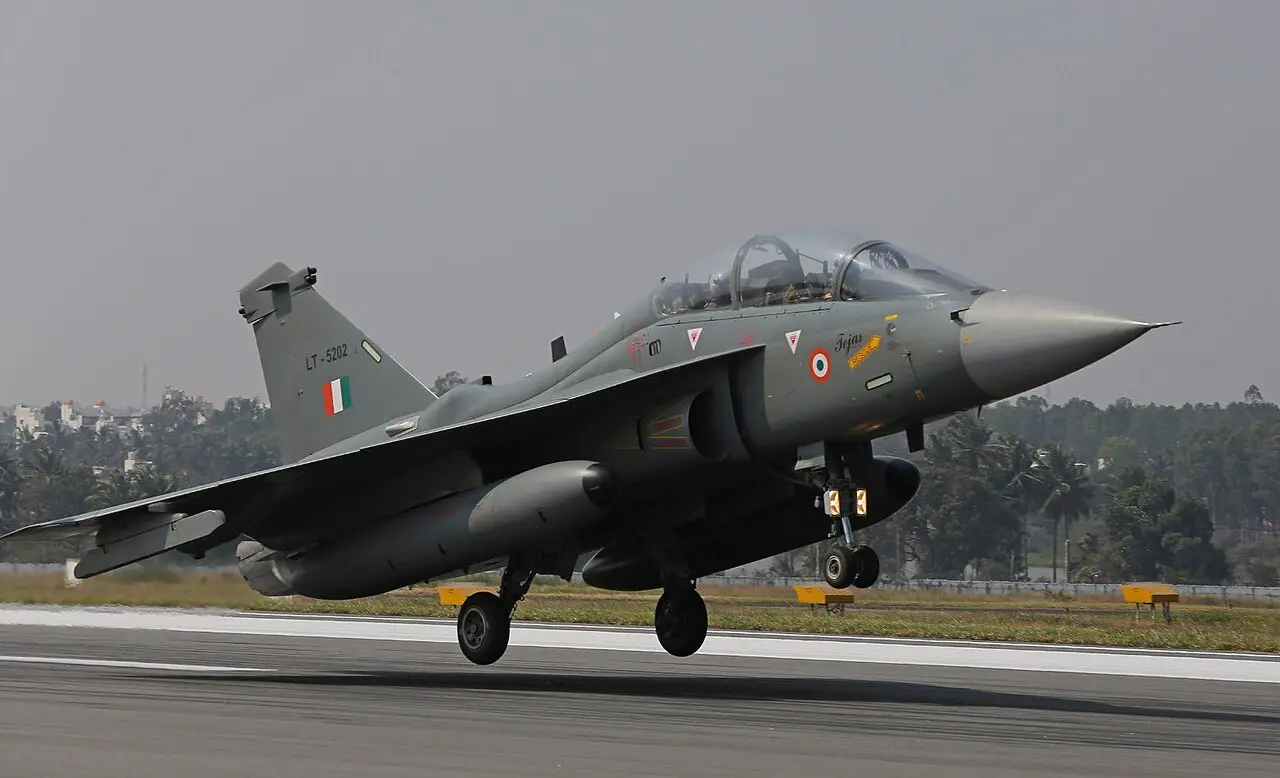
Timing, Factory Set-Up and Capacity
A Manufacturing Licence Agreement and export approvals were completed by late 2024. HAL has selected a site near Bengaluru for the new production facility. Engine manufacturing is expected to begin by 2028, with initial output at one engine per month, scaling up to two engines per month by 2030, matching projected demand for 24 Tejas Mk 2 jets per year.
Boosting IAF Strength and Production Targets
The Indian Air Force currently operates only 31 squadrons against a target of 42. With stable deliveries of engines and aircraft, 16–24 Tejas Mk 1A jets are expected to be delivered in the fiscal year beginning April 2025, paving the way for ramped-up induction of Mk 2 jets. Ultimately, the IAF aims for 200 Tejas Mk 2 aircraft by the 2039–40 timeframe.
Industrial Impact and Future Capability
Beyond immediate operational needs, the engine deal will strengthen India’s defence manufacturing ecosystem. With 80 per cent technology transfer, critical aerospace competencies, including production of critical materials, FADEC systems and testing protocols, will be indigenised. This capability will benefit future programmes such as the AMCA stealth jet and enable India to export engines. HAL expects to build 400+ F414 engines over time.
)
)
)
)
)