Tejas Mk2 and F-35: What these fighter jets reveal about India’s ambition vs western power

Both aircraft embody the industrial cultures, defence philosophies and national ambitions of the countries that designed them.
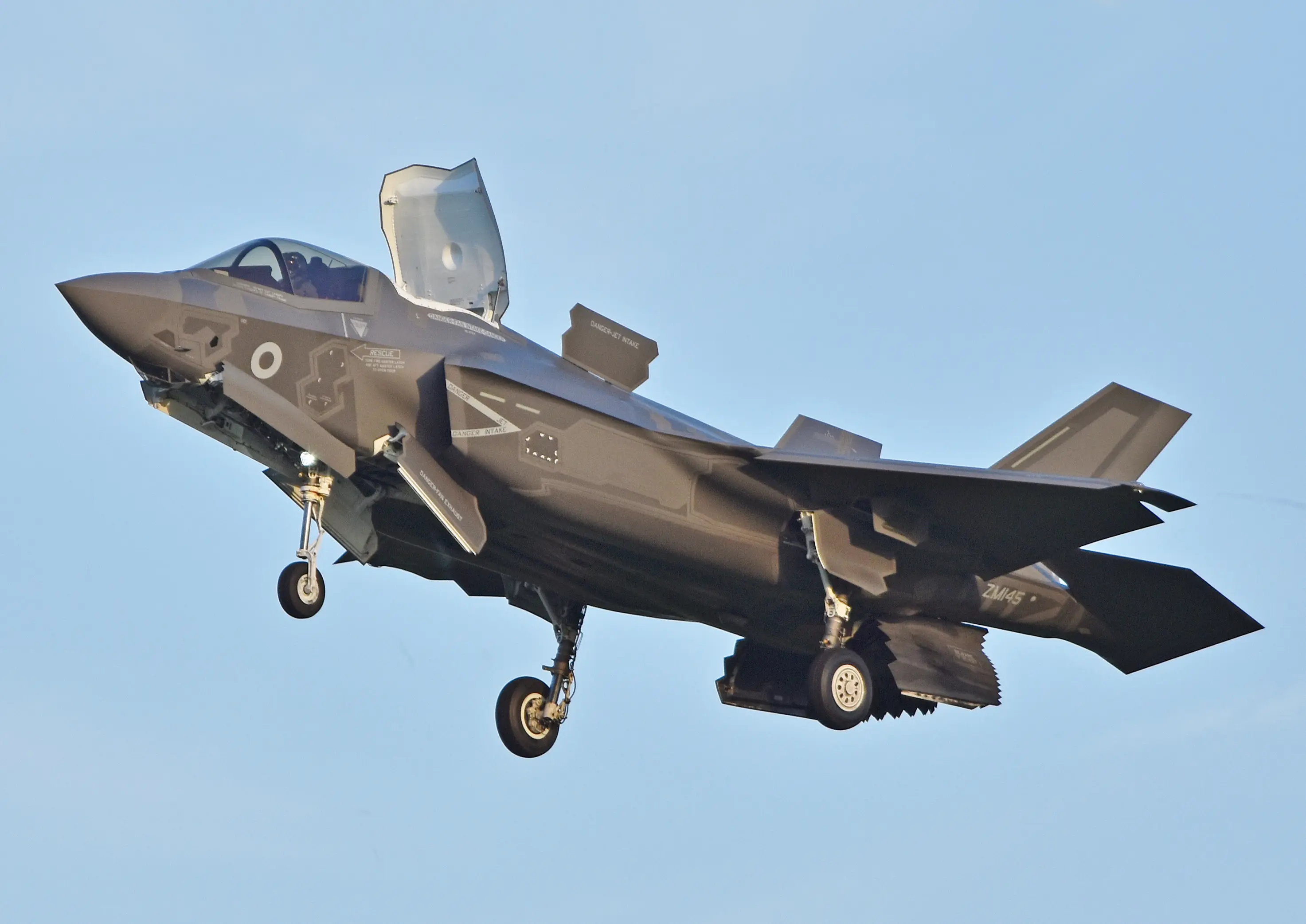
More than metal: when fighter jets become national symbols
At first glance, the Indian-built Tejas Mk2 and the American F-35 might seem like two modern fighters to be compared on performance alone: speed, stealth, avionics, and weapons. Yet they are far more than machines of war. Both aircraft embody the industrial cultures, defence philosophies and national ambitions of the countries that designed them. Beneath their composite skins and digital systems, they reflect how India and the United States see their place in the world, and the very different kinds of power they intend to project.
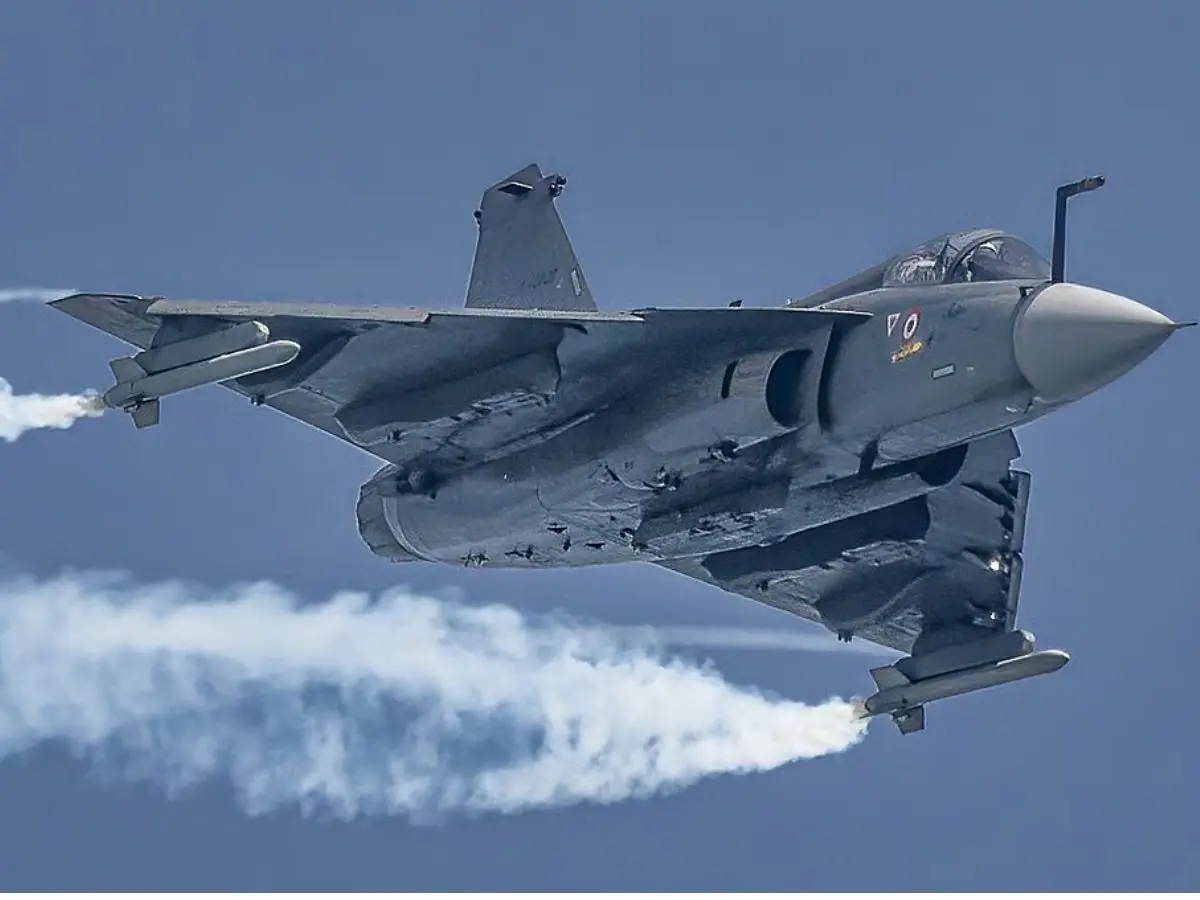
Tejas Mk2: born from constraint, shaped by self-reliance
The origins of Tejas lie in India’s Light Combat Aircraft (LCA) programme, launched in 1983 to replace its ageing MiG-21 fleet. After decades of dependence on Soviet and British designs, the Tejas Mk2 stands as a step towards strategic autonomy under the policy of Atmanirbhar Bharat (self-reliant India). While still using imported engines and some subsystems, over 75 per cent of the Mk2’s core avionics and electronic warfare suites are developed within India. It is a single-engine, lightweight multirole fighter built for cost-effectiveness and agility, a practical design shaped by resource constraints and the determination to avoid future foreign bottlenecks.
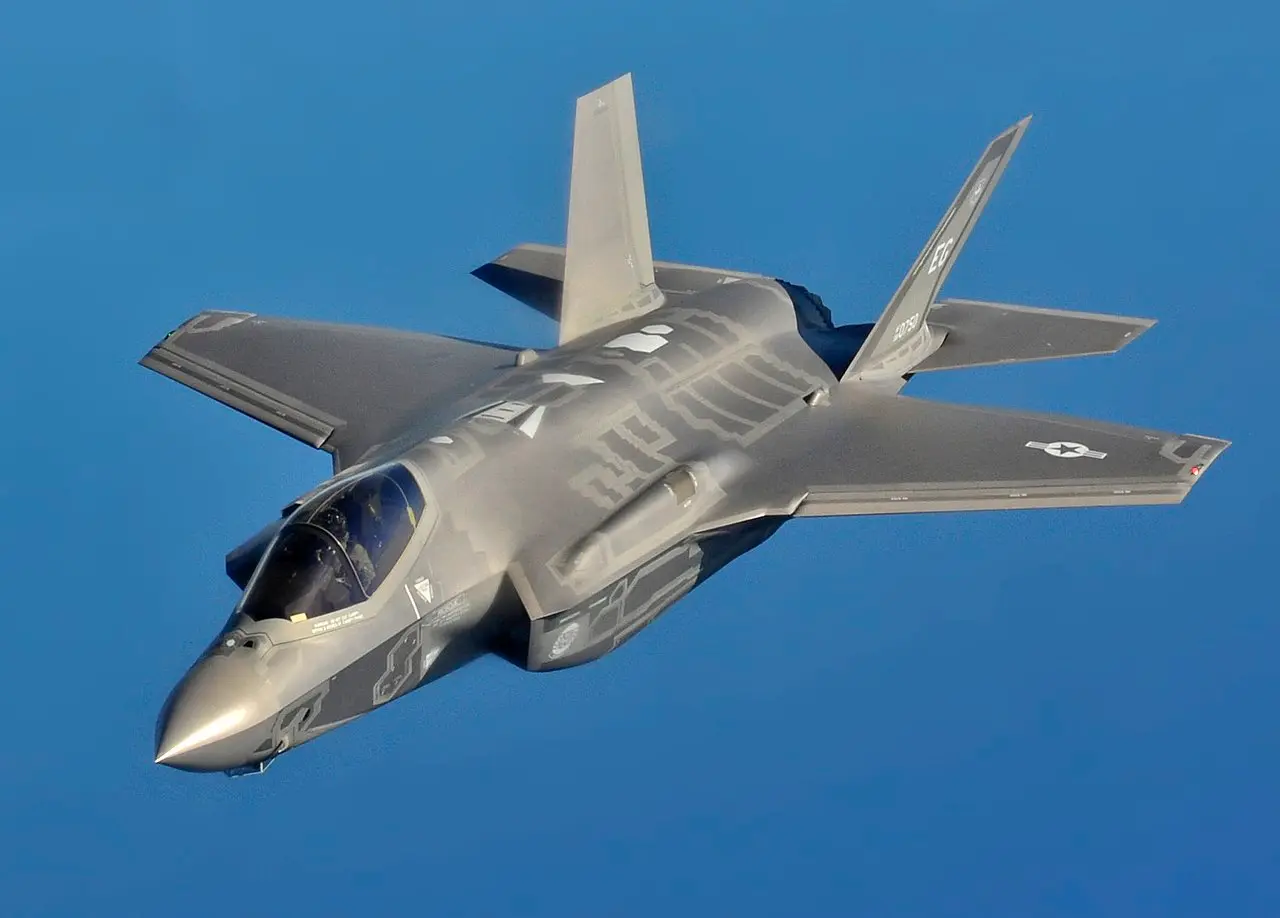
F-35: technology as global leverage
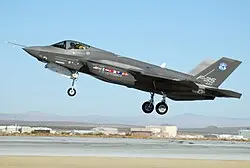
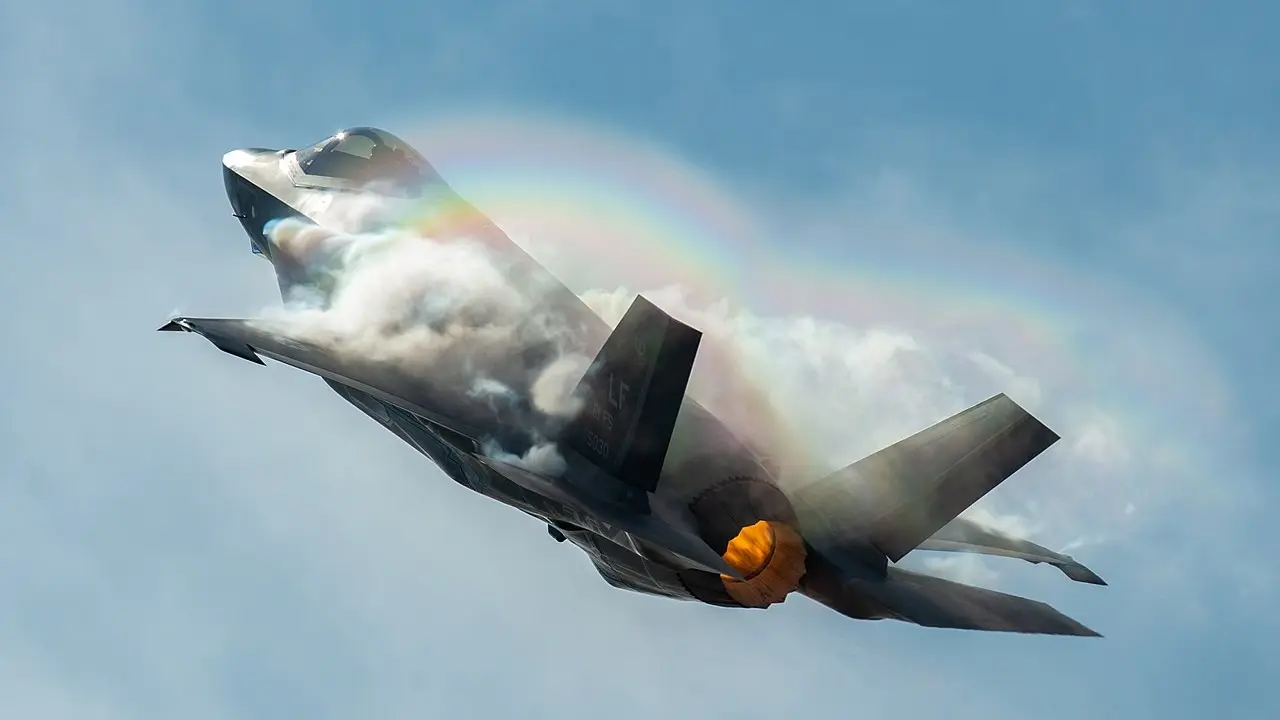
By contrast, the American F-35 reflects a different philosophy: not self-reliance, but multinational integration led by the United States. Conceived as a joint programme from the outset, it brings together partners from Europe to Asia, each contributing investment and components. The F-35 also highlights America’s industrial model, where large private contractors like Lockheed Martin and Northrop Grumman collaborate under federal funding to push technological boundaries. With stealth, advanced sensors and networked warfare, the F-35 was built to keep America and its allies ahead of any rival, reinforcing a global security network centred on the United States.
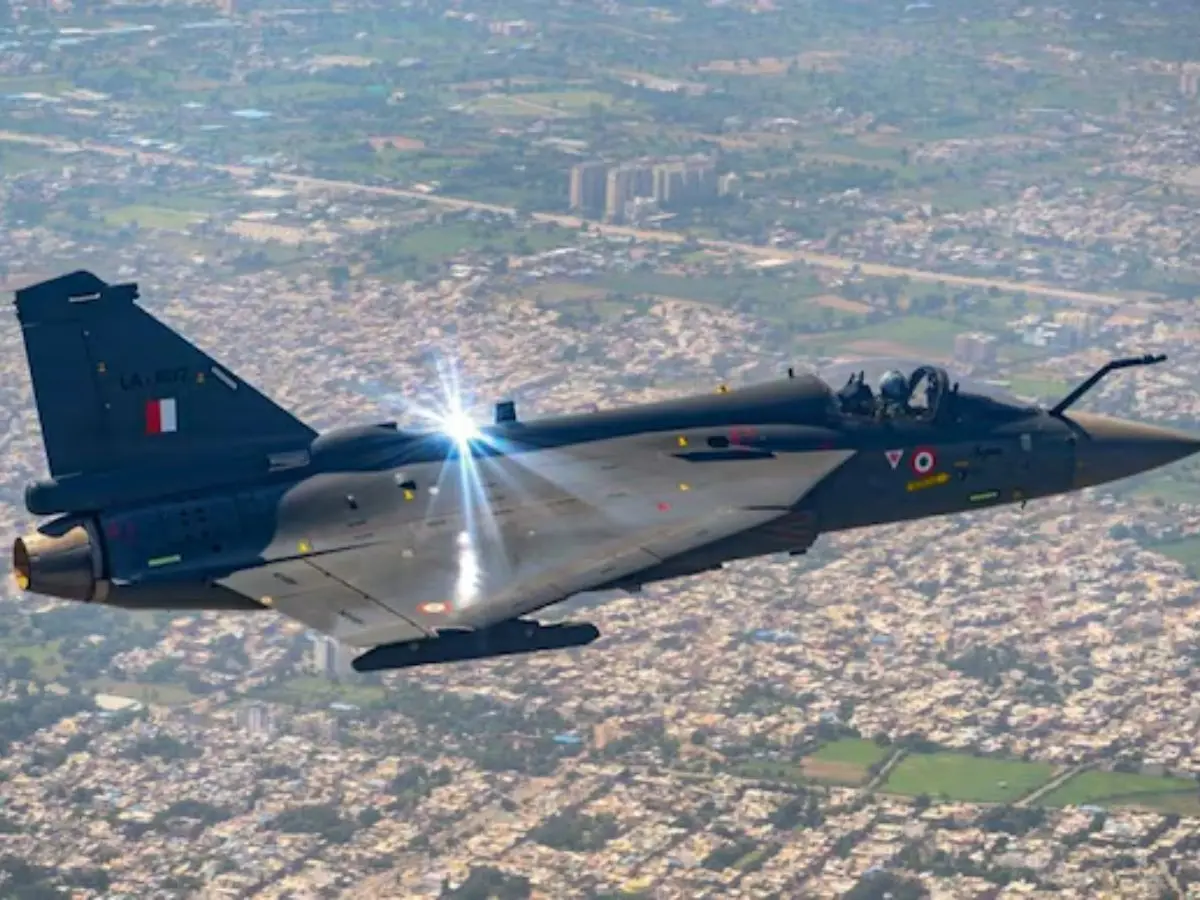
How culture shapes design choices
Design choices often reveal national priorities. Tejas Mk2 reflects pragmatism: a lighter frame to increase sortie rates, modular systems to ease upgrades, and an open architecture to adapt to new technologies without dependence. Its development has been lengthy, yet the delays have built local expertise in areas like digital fly-by-wire controls and active electronically scanned array (AESA) radar. The F-35, on the other hand, pursued an ambitious vision of a single stealth platform for multiple roles and services, resulting in three variants. While this complexity led to cost overruns, it delivered unmatched sensor fusion and battlefield awareness.
Industrial culture: public vs private, centralised vs networked
India’s Tejas Mk2 comes from a largely state-led ecosystem: Hindustan Aeronautics Limited, DRDO and national research labs, supported by a growing private supply base. Knowledge remains inside the country, fostering long-term capability. The F-35 illustrates the American approach: massive private defence primes, rapid prototyping backed by federal investment, and a supply chain spread across allied nations. This design not only strengthens America’s own industry but also binds partners economically and strategically into a shared defence framework.
Power projection vs self-defence
The strategic thinking behind these jets differs. The F-35 was built to project power worldwide, supporting operations far from American shores and integrating seamlessly with NATO and other allied forces. The Tejas Mk2, although capable of multirole missions, is primarily intended for regional defence, quick response and deterrence against nearby threats. It reflects India’s focus on safeguarding its own airspace and asserting regional security rather than global military reach.
The identity they reveal
Together, the Tejas Mk2 and F-35 tell two distinct national stories. Tejas represents a nation moving from dependence towards self-reliance, determined to master complex aerospace technology in its own right. The F-35 embodies a superpower willing to invest on an unprecedented scale to remain dominant and unify allies under its technological umbrella. One is built to break free of past limitations; the other to cement a global network. Both prove that fighter aircraft, beyond their engineering, are statements of who a nation is, and what it aspires to become.
)

)
)
)