Tejas Mk1A and F‑35: How are these two fighters secretly similar?

From the heavy use of carbon‑fibre composites to digital glass cockpits and sensor fusion, these similarities are as surprising as they are instructive.
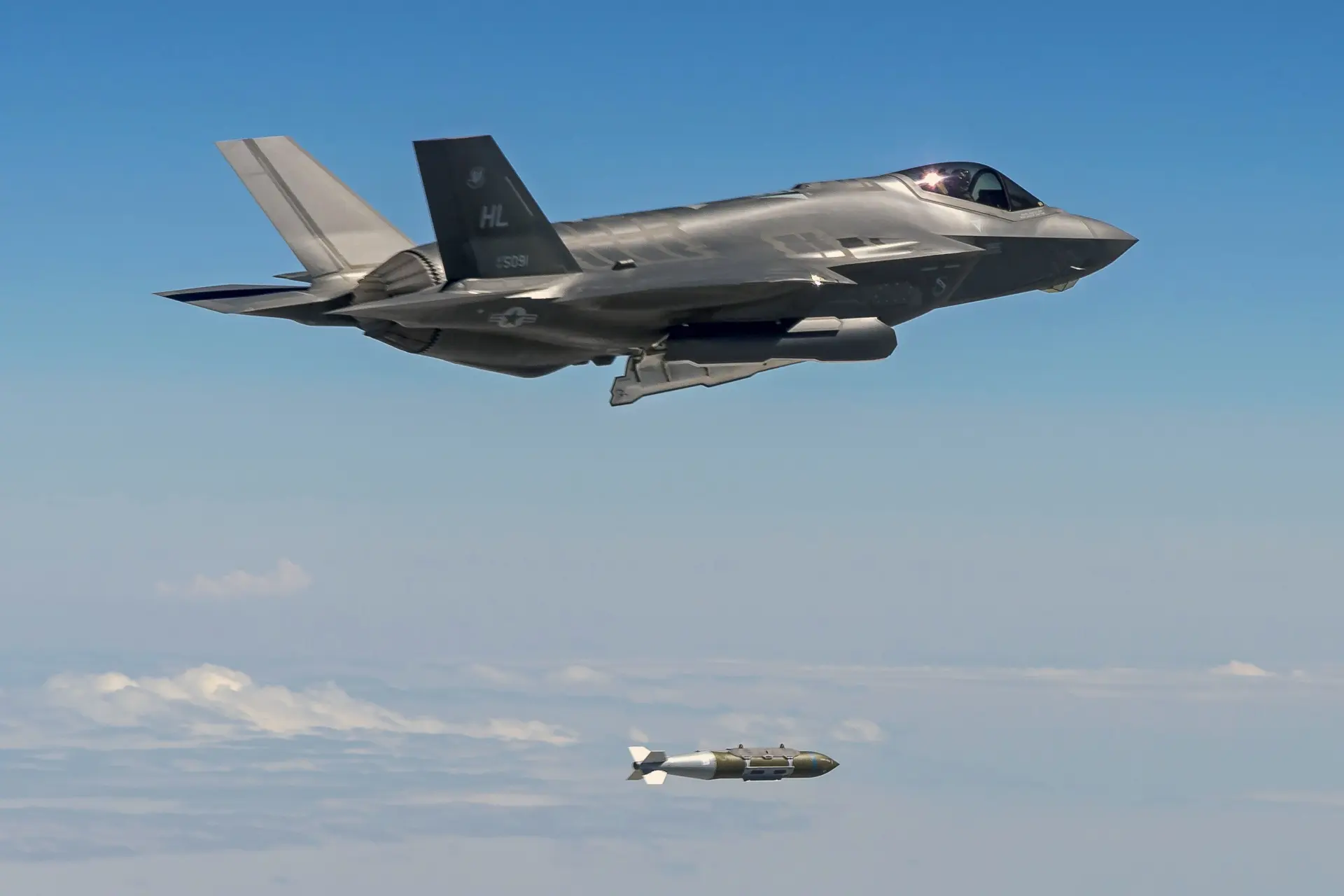
So different yet similar to an extent
The Indian Tejas Mk1A and America’s F‑35 Lightning II seem worlds apart. One is a cost‑effective lightweight fighter developed by a rising aerospace power; the other, the world’s most expensive and advanced stealth jet. Yet beneath these contrasting missions and price tags lie a set of quietly shared design choices, the kind that reveal how modern combat aircraft, however different, often converge on similar technological solutions. From the heavy use of carbon‑fibre composites to digital glass cockpits and sensor fusion, these similarities are as surprising as they are instructive.
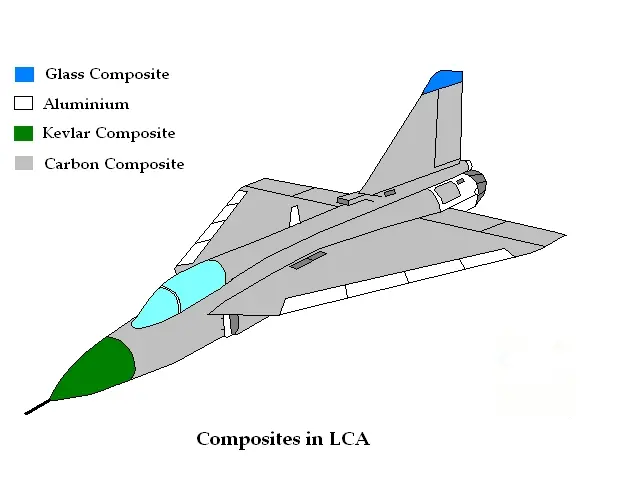
The composite revolution
Perhaps the most striking shared feature is the extensive use of carbon‑fibre reinforced composites. In Tejas, over 90 per cent of the surface area is composite, a remarkable figure by any standard. This includes the wings, tailfin, fuselage panels and many fairings, resulting in a structure that is roughly 40 per cent lighter than an all‑metal equivalent. The F‑35, while a heavier and stealth‑optimised design, also incorporates composites in around 35–40 per cent of its structural weight, with large panels formed by advanced resin infusion and curing techniques. The reason is simple yet compelling: composites offer exceptional strength‑to‑weight ratios, high fatigue resistance and, crucially, immunity to corrosion, a particular advantage for carrier‑borne or maritime operations.
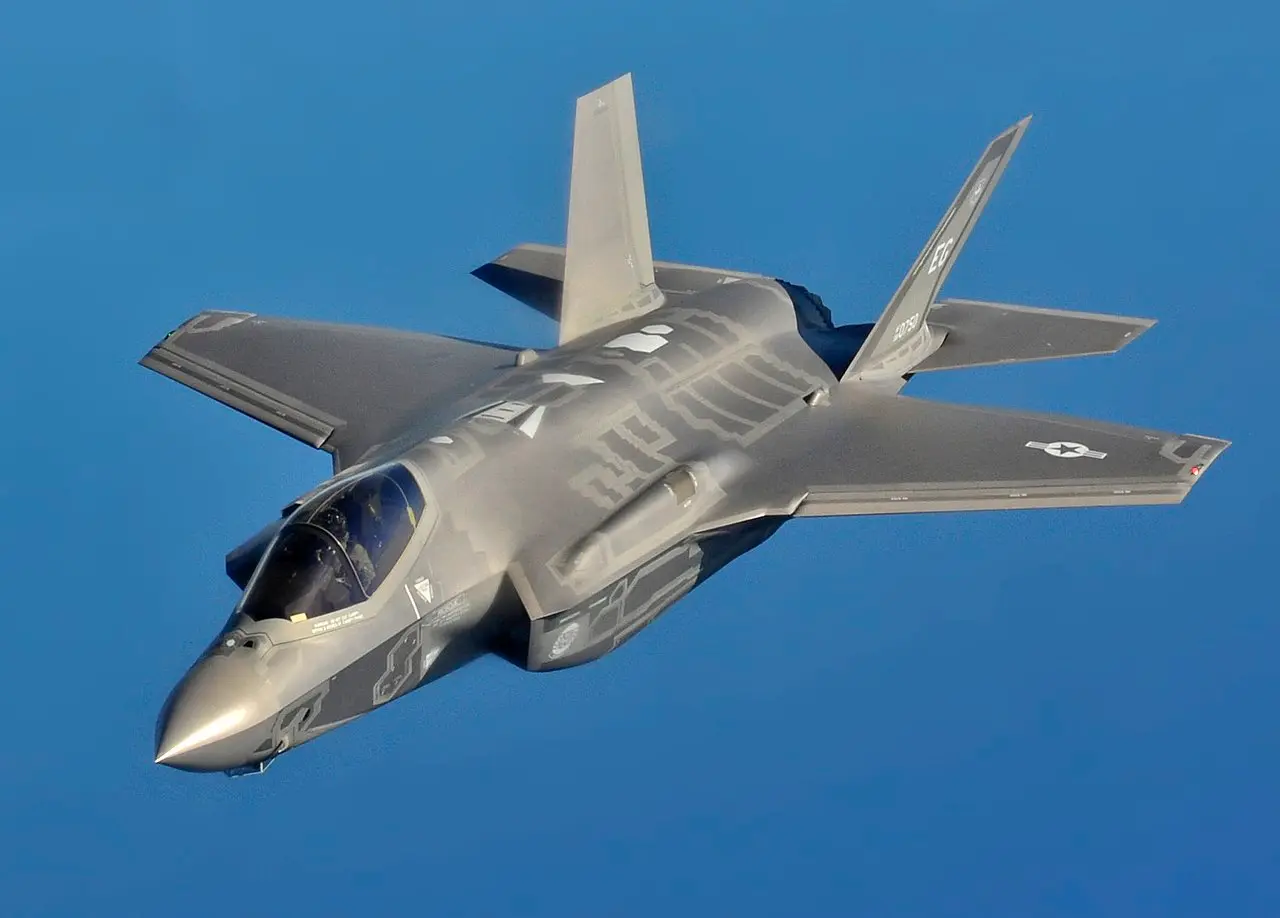
Beyond materials: maintainability and modular design
Another shared feature, though less obvious, is the emphasis on ease of maintenance and modular systems. Both the Tejas Mk1A and the F‑35 have been designed with quick‑access panels and modular line‑replaceable units (LRUs), allowing ground crews to swap out faulty components rapidly rather than conducting lengthy repairs on the airframe itself. In the Tejas, this approach is partly driven by operational needs to keep a smaller fleet serviceable; for the F‑35, it’s part of a larger sustainment ecosystem supported by predictive diagnostics and advanced maintenance software. Despite their different scales, the goal is the same: reduce downtime, cut life‑cycle costs, and keep aircraft mission‑ready with minimal effort.
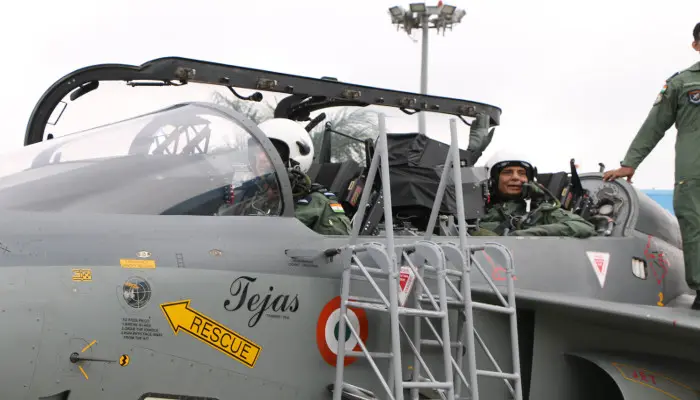
Digital cockpits and open architecture
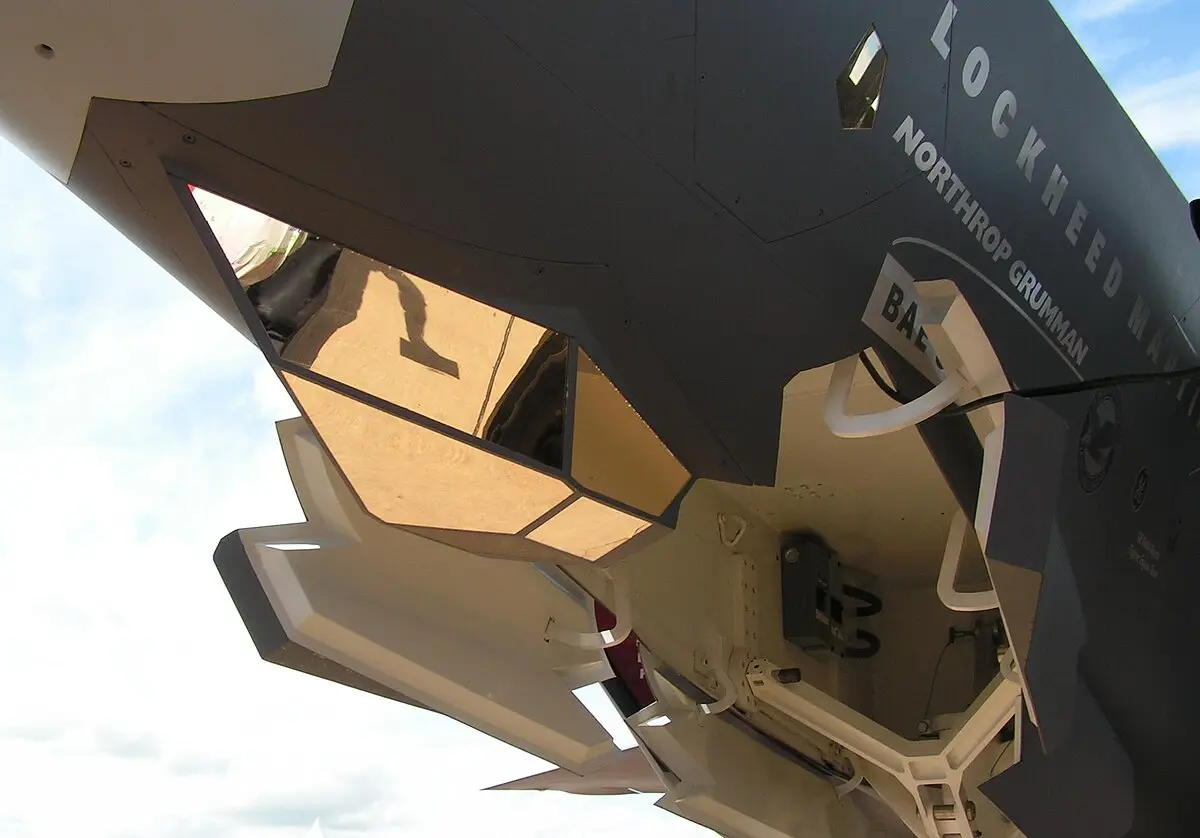
Another surprising parallel is the shift to fully digital glass cockpits and open mission systems. Tejas Mk1A and especially the planned Mk2 models adopt large multi‑function displays, hands‑on‑throttle‑and‑stick controls and modular avionics architecture. The F‑35 goes further with its panoramic touchscreen and highly integrated software‑driven systems, but the underlying philosophy is shared: reduce pilot workload, enable rapid software upgrades, and keep pace with evolving threats.
Sensor fusion and situational awareness
While the F‑35 is renowned for advanced sensor fusion, combining radar, electronic warfare and infrared data into a seamless tactical picture, Tejas is also moving in this direction. The Mk1A will field an AESA radar and new electronic warfare suite designed to integrate information from multiple sensors, providing pilots with clearer situational awareness, a capability once exclusive to top‑end fighters.
Single‑engine pragmatism
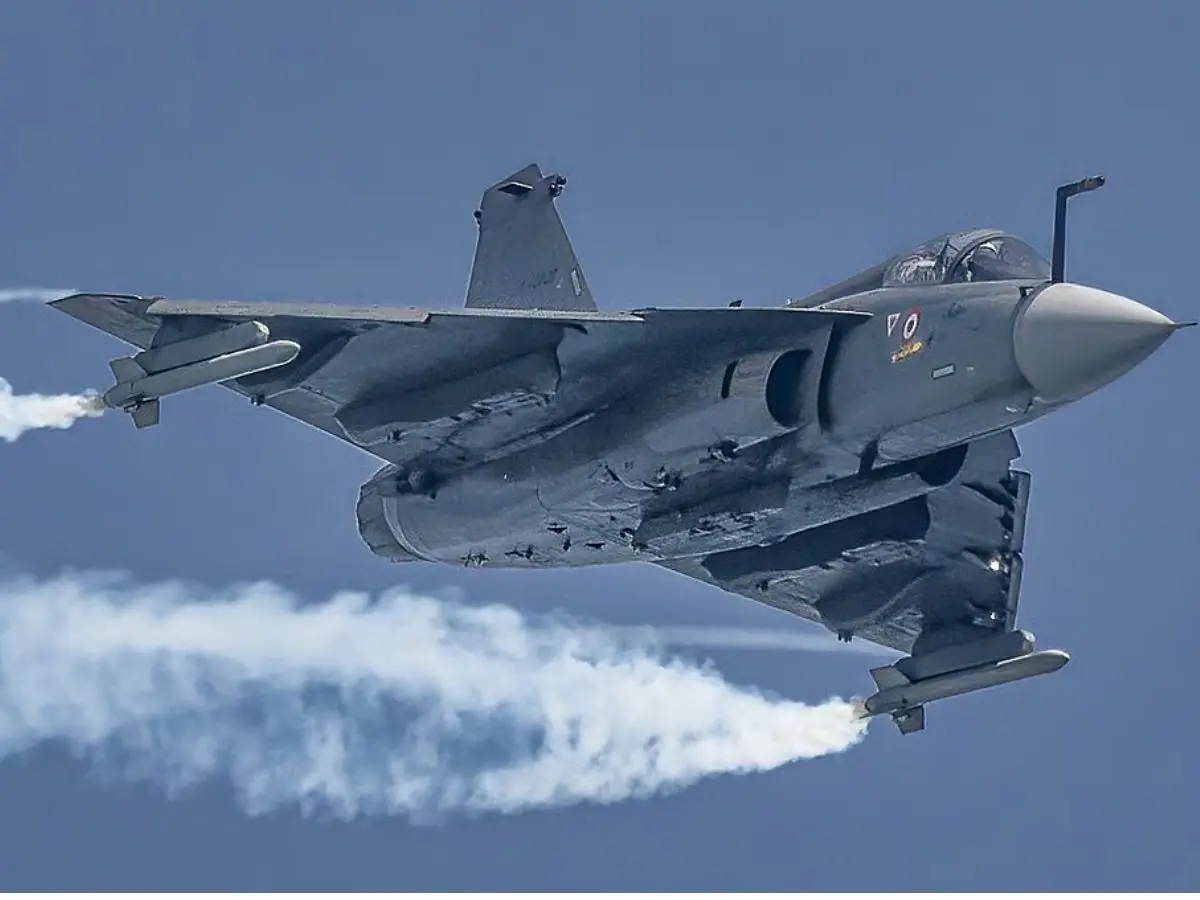
Both aircraft rely on a single engine: the Tejas on the GE F404 (and planned F414 in the Mk2) and the F‑35 on the powerful Pratt & Whitney F135. The logic is as practical as it is economic: simpler maintenance, lower cost and lighter overall weight, making these fighters suitable for smaller carriers or shorter runways.
Shaping and stealth
Although the F‑35 is a true stealth design, Tejas still benefits modestly from reduced radar cross‑section thanks to composite surfaces and smoother shaping. It does not reach fifth‑generation stealth standards, but every reduction in signature helps survivability.
Conclusion
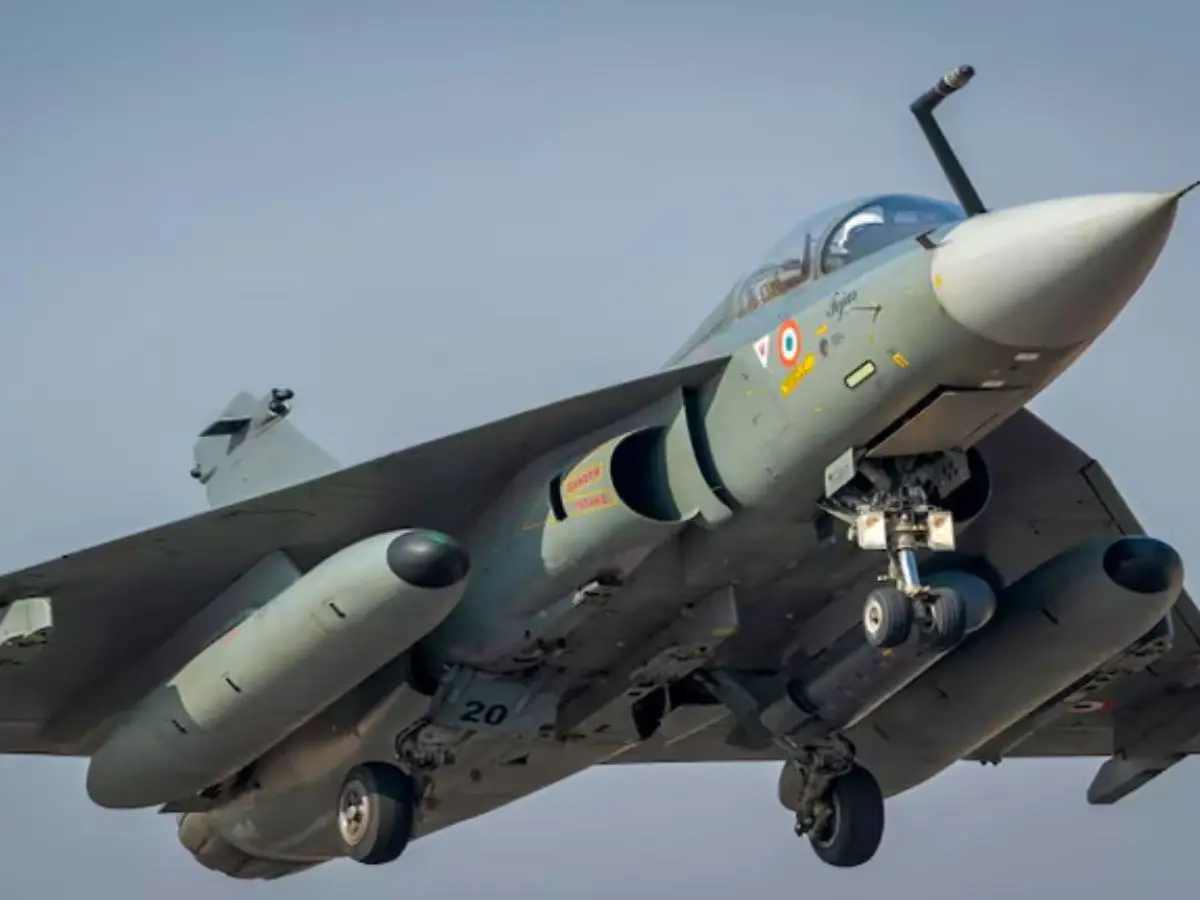
Ultimately, the Tejas Mk and F‑35 remain very different fighters, separated by scale, budget and stealth capability. Yet the shared reliance on composites, digital cockpits and sensor fusion shows how modern aerospace engineering often arrives at similar answers to the same challenges, a reminder that innovation can travel parallel paths, even from opposite sides of the world.
)
)
)
)
)