Tejas Mk-1A ready for flight: What makes India’s new fighter jet sharper, smarter and stronger?

The Tejas Mk-1A is an enhanced version of the Tejas Mk-1, developed to meet operational requirements of the IAF.
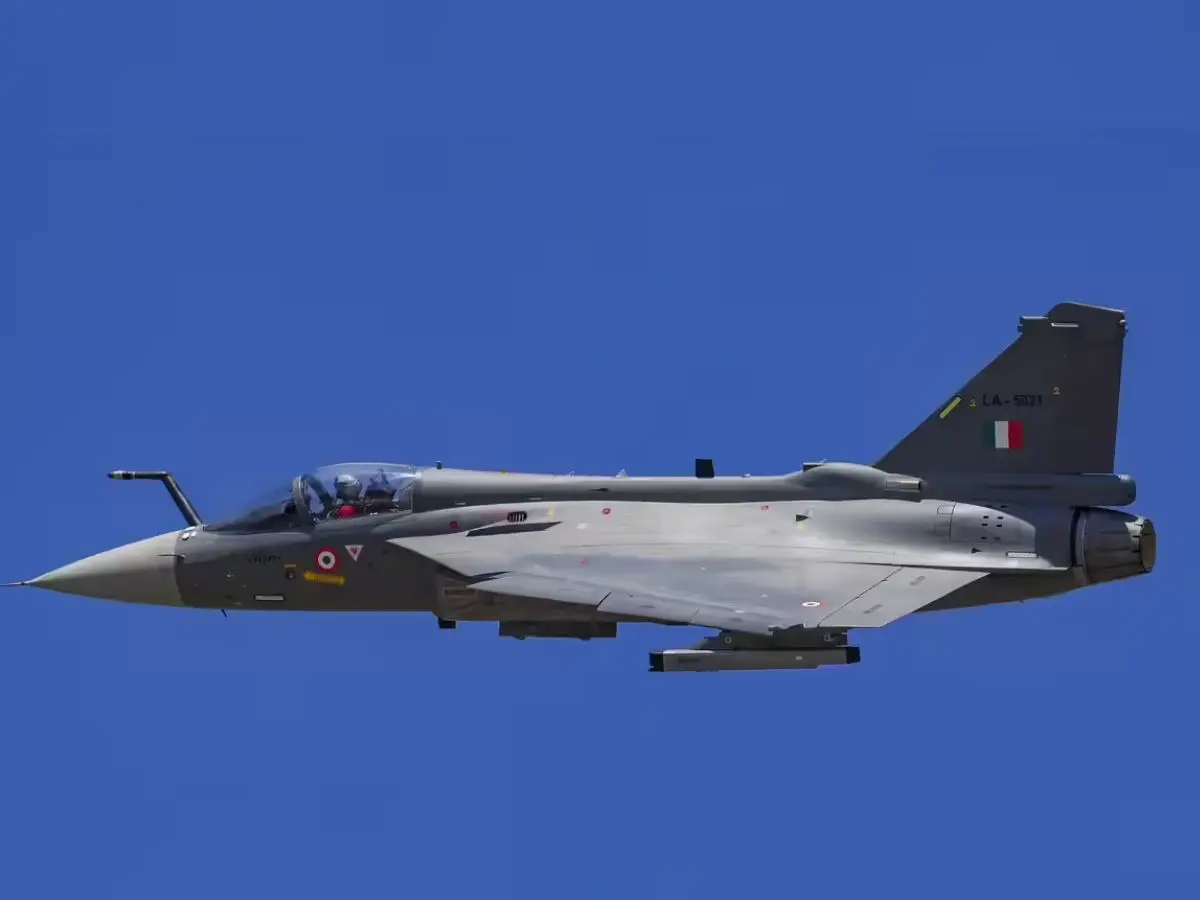
HAL’s Tejas Mk-1A Set for Rollout
Hindustan Aeronautics Limited (HAL) is preparing to roll out the first Tejas Mk-1A fighter aircraft from its new Nashik production facility by the end of July 2025, according to media reports. The Nashik unit, HAL’s third Tejas manufacturing line, will initially produce around eight aircraft per year. Between three and four jets are expected to be delivered in FY26 from this site, according to TOI. Alongside Nashik, the Bengaluru facility will deliver its first Mk-1A unit to the Indian Air Force (IAF) between July and August 2025, despite a 16-month delay from the original delivery timeline. Here are the key features of this advance4 jet:
Background on the Tejas Mk-1A Programme
The Tejas Mk-1A is an enhanced version of the Tejas Mk-1, developed to meet operational requirements of the IAF. In February 2021, the IAF ordered 83 Mk-1A jets for Rs. 48,000 crore, and is now pursuing an additional order for 97 more, estimated at Rs. 67,000 crore. HAL has manufactured six Mk-1As in Bengaluru, one of which is expected to be delivered in mid-2025.
Key Upgrades in the Mk-1A Variant
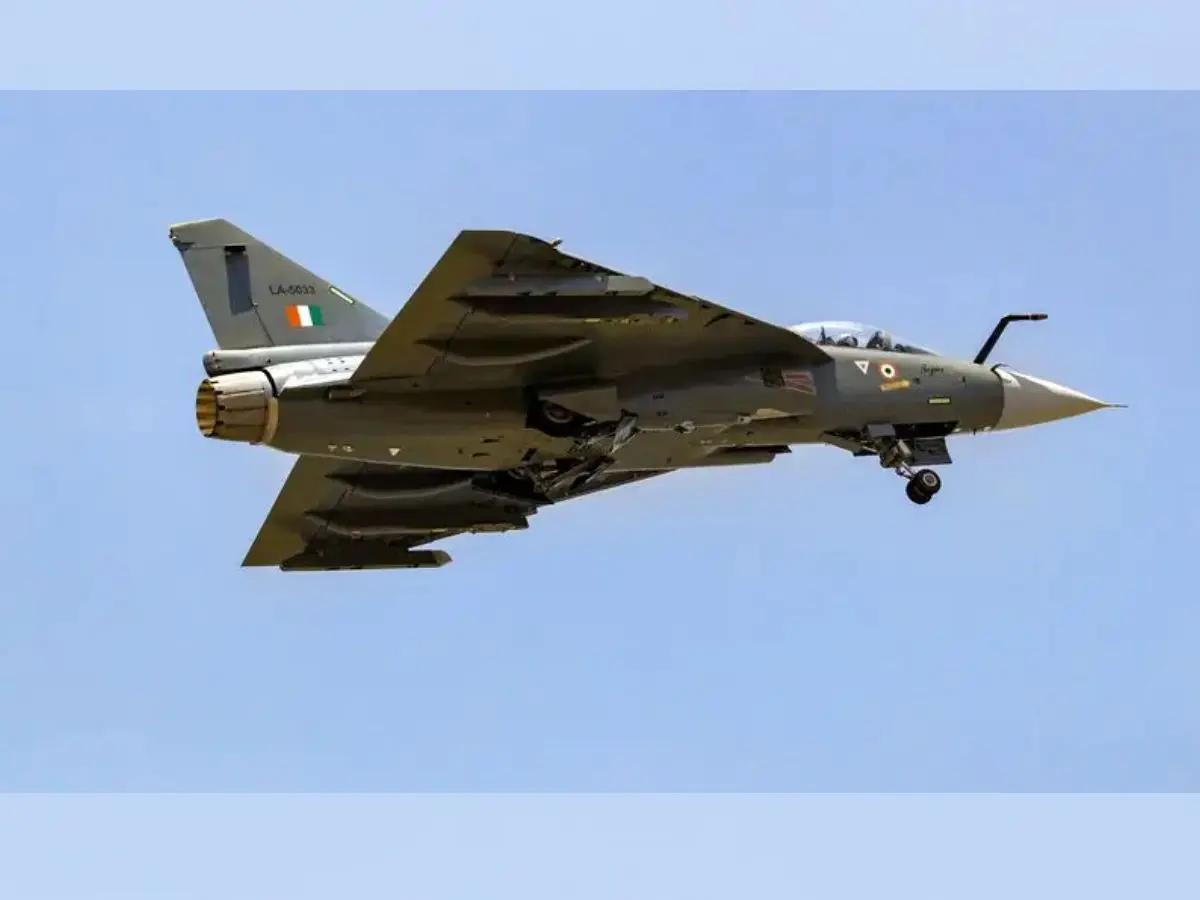
The Tejas Mk-1A incorporates more than 40 enhancements over its predecessor, the Mk-1. These include the integration of the ELM-2052 Active Electronically Scanned Array (AESA) radar from ELTA Systems, and an upgraded Digital Flight Control Computer (DFCC Mk1A) to improve flight stability and responsiveness. Other improvements include a modernised mission computer and Smart Multi-Function Displays (SMFDs) in the cockpit for better pilot situational awareness. The aircraft also features an advanced electronic warfare suite, including a self-protection jammer, to improve survivability in hostile environments. The Mk-1A is equipped with Air-to-Air Refuelling (AAR) capability and Network Warfare Systems using Software Defined Radio (SDR), supporting secure communications and electronic support measures in modern combat scenarios.
Weapons and Combat Capabilities
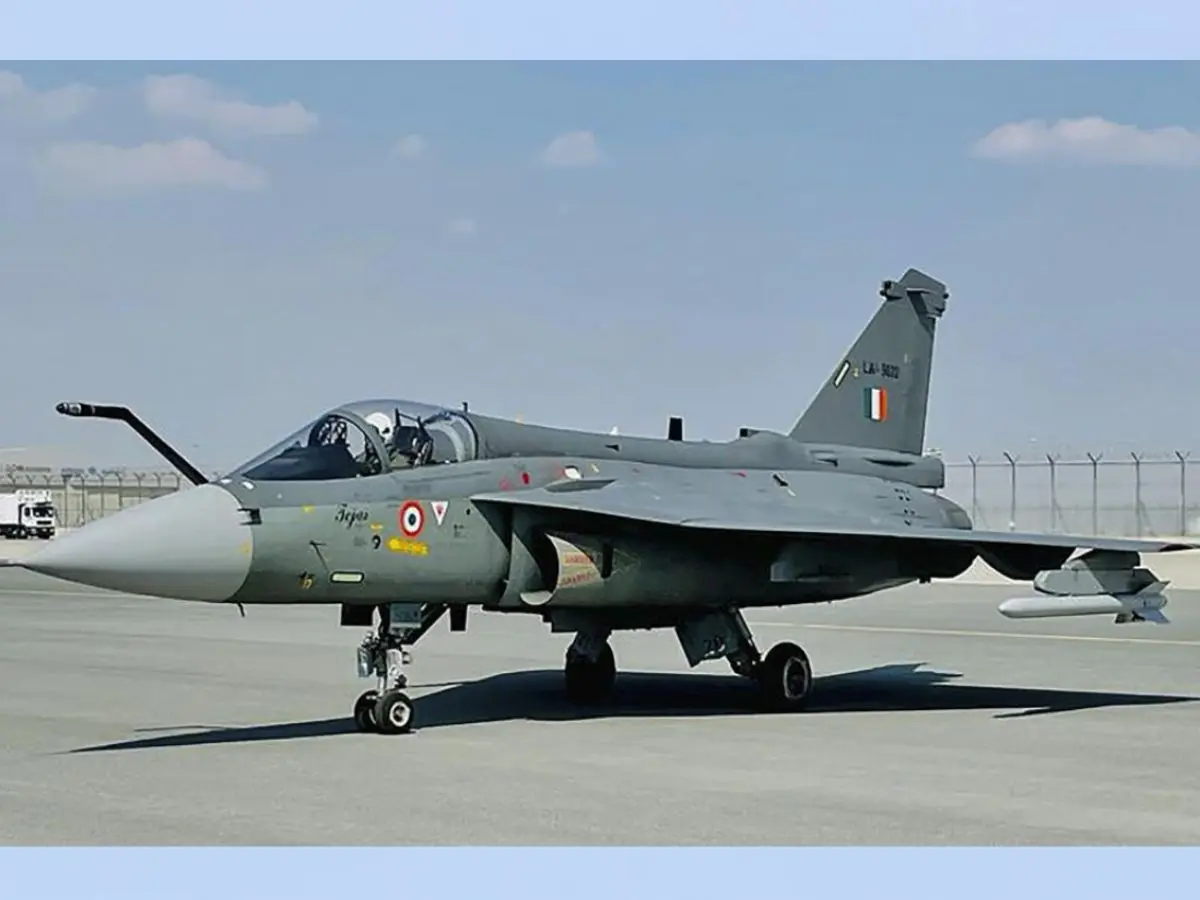
The Tejas Mk-1A has nine external hardpoints, allowing it to carry a versatile mix of armament for both air-to-air and air-to-ground operations. It is compatible with Beyond Visual Range (BVR) missiles, Advanced Short-Range Air-to-Air Missiles (ASRAAM), and precision-guided munitions, giving it credible deterrence and strike capabilities.
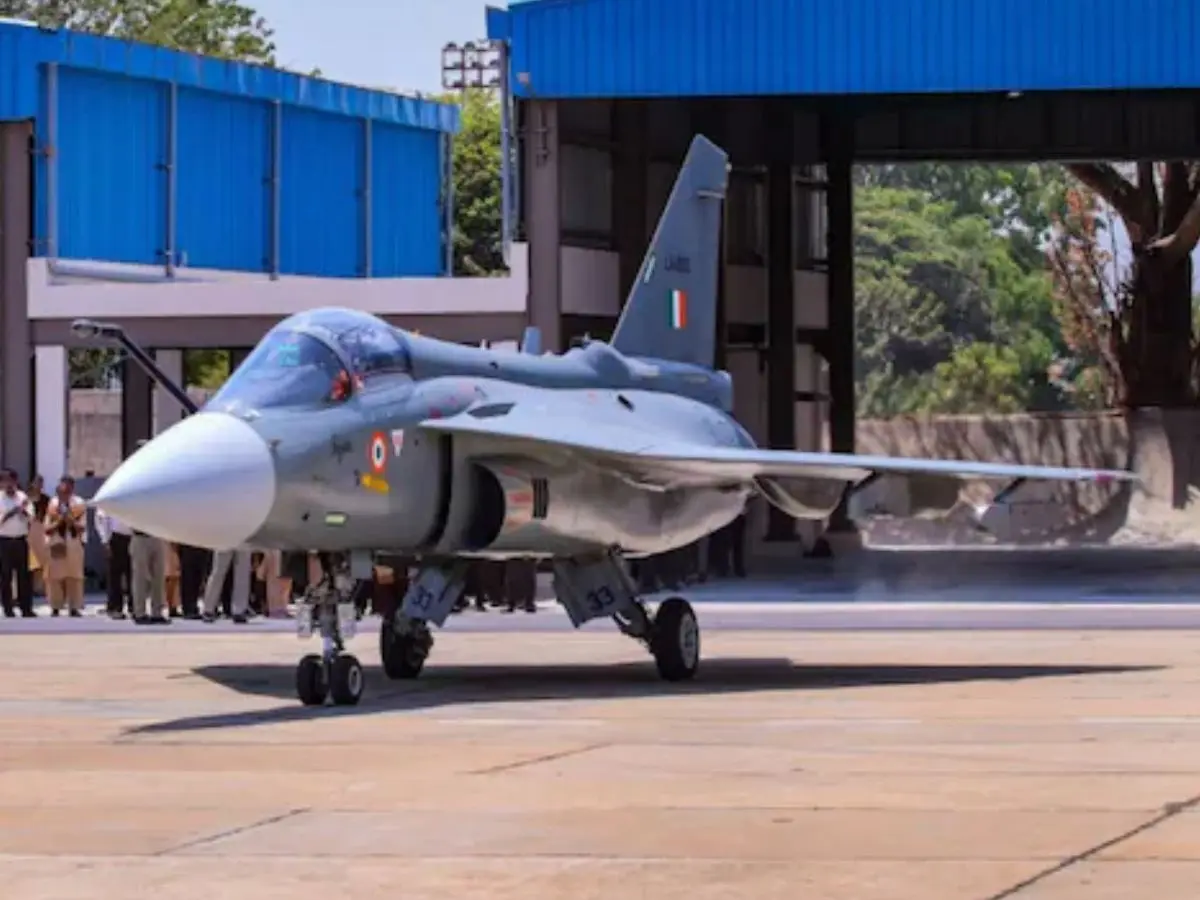
Built for multirole missions
Additionally, the Mk-1A is integrated with indigenous weapons such as the Astra missile, and will support the BrahMos-NG, a next-generation supersonic cruise missile. Combined with its upgraded radar and electronic warfare systems, the aircraft is optimised for multirole missions in diverse operational theatres.
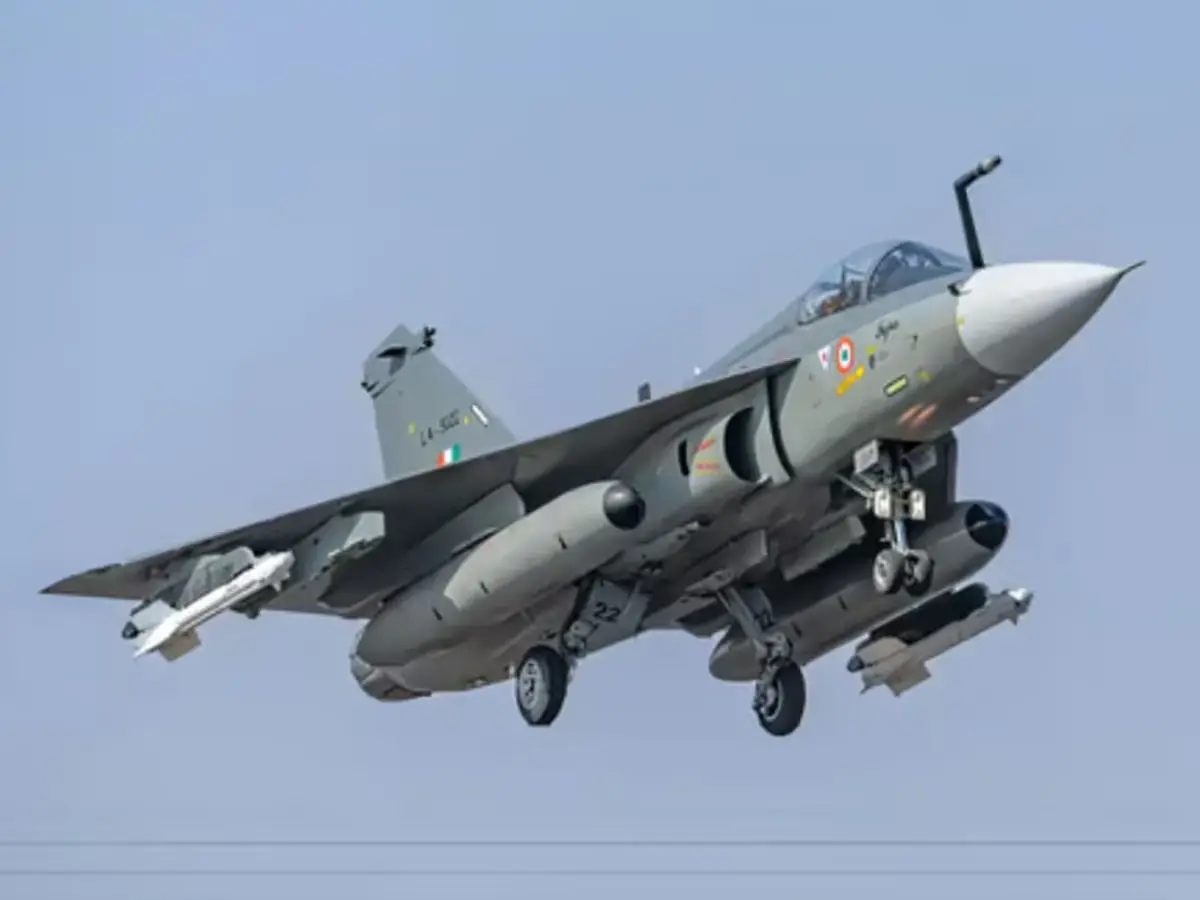
F404-IN20 Engine and Performance Profile
The Tejas Mk-1A is powered by the F404-IN20 engine manufactured by GE Aerospace. The engine delivers high thrust-to-weight ratio and reliability, supporting missions at both high altitudes and desert environments. The upgraded digital fly-by-wire system enhances manoeuvrability and control. HAL aims to push the indigenous content of Tejas Mk-1A beyond 70 per cent by 2029, aligning with India’s self-reliance goals.
)
)
)
)
)