Tejas fighter jet: Why its engine bay design is considered revolutionary

The HAL Tejas is India's indigenously developed fighter jet. One of its most innovative features is its revolutionary engine bay design using advanced materials and thermal engineering. It’s engine bay uses BMI composite materials to manage extreme heat whilst reducing weight.
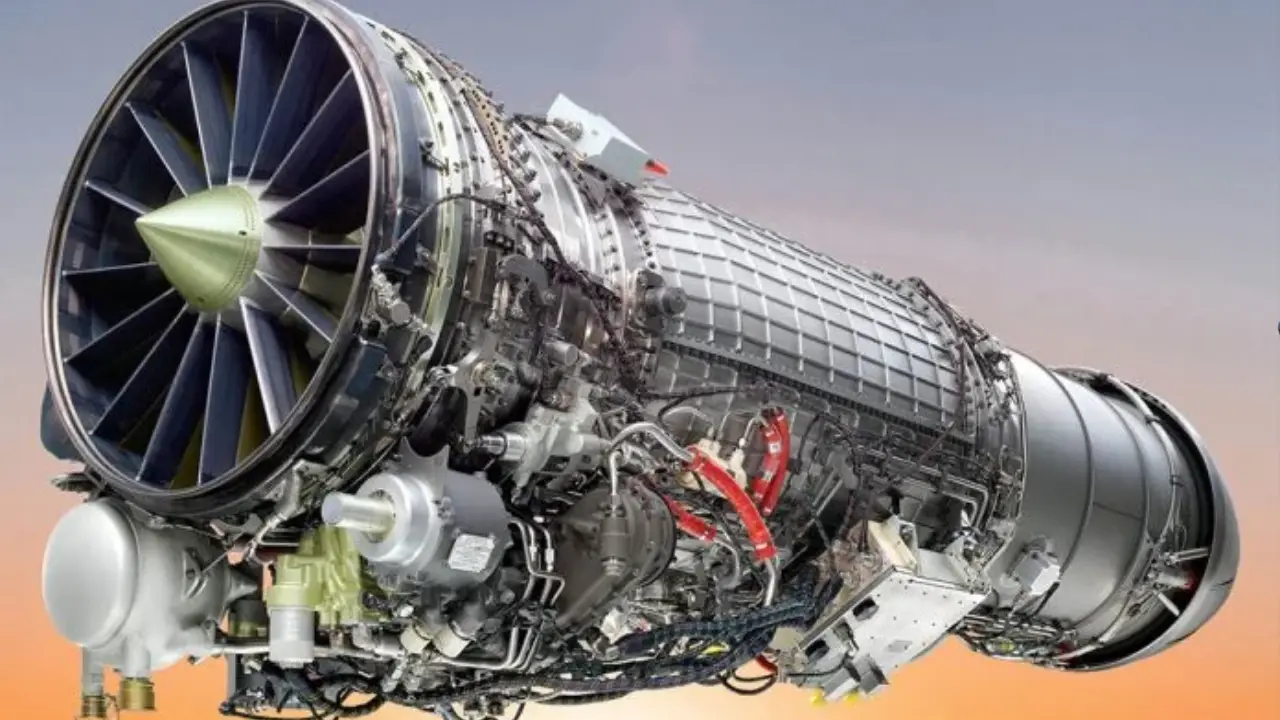
Understanding the Engine Bay Challenge
Fighter jet engine bays must manage extreme heat above 1,000°C whilst staying lightweight. The Tejas team designed an innovative engine bay balancing heat management with minimal weight, setting a new standard for aircraft engineering and performance.
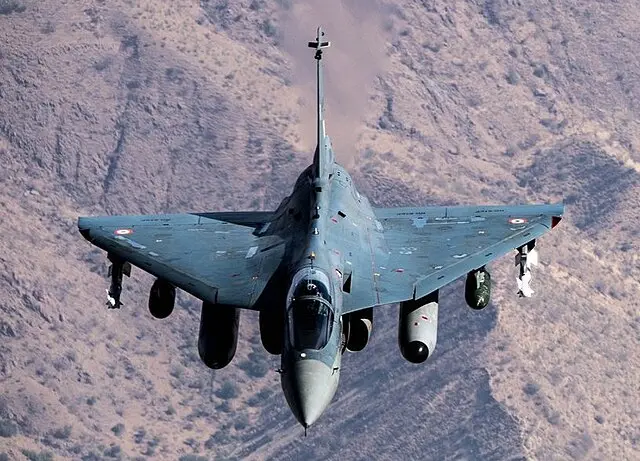
Bismaleimide Composite Materials
The Tejas uses BMI composite materials that withstand extreme temperatures whilst remaining much lighter than traditional metals. HAL and NAL developed indigenous manufacturing capability for BMI engine bay doors, reducing import dependence and achieving complete production in India.
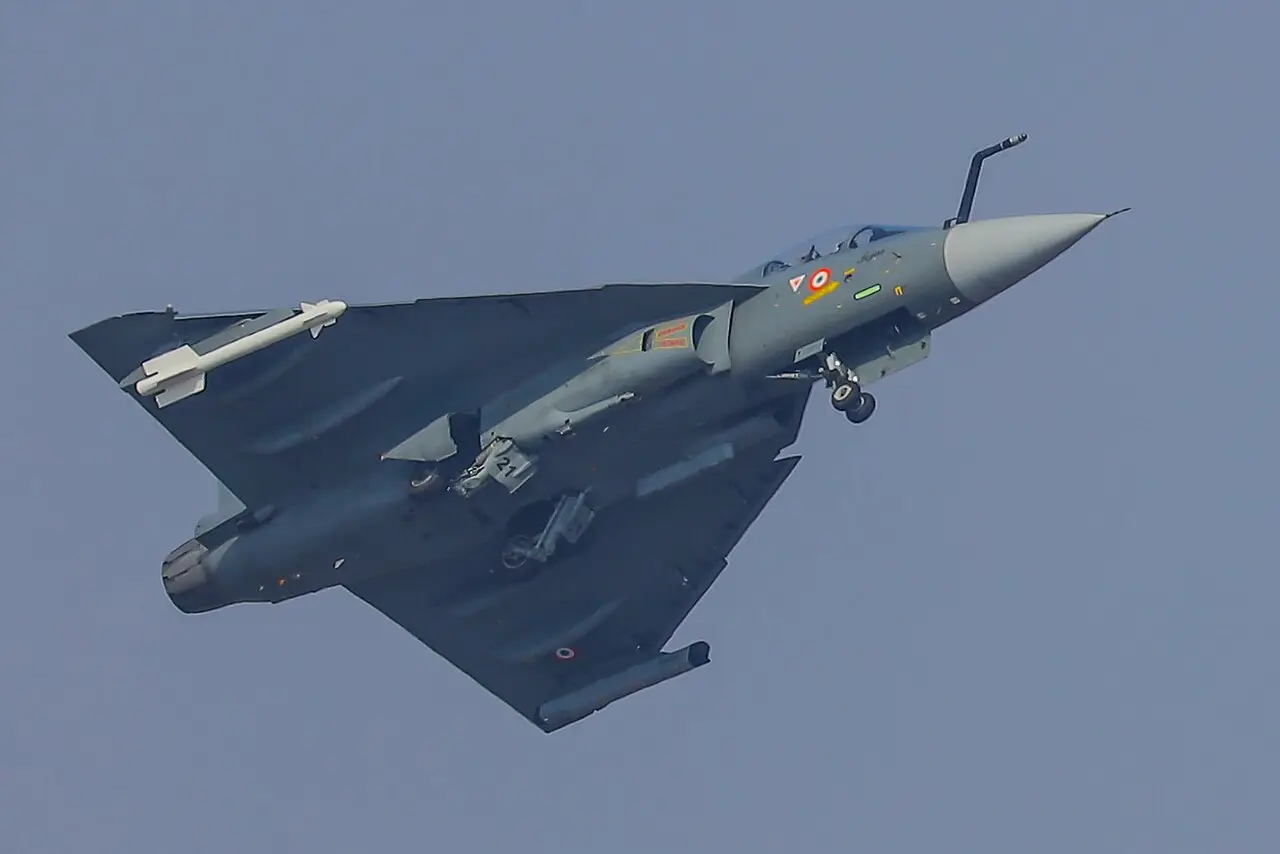
Heat Management and Thermal Efficiency
The revolutionary engine bay optimises heat control throughout the system, reducing strain on cooling components. This design achieves peak engine efficiency without complex auxiliary systems, improving reliability and reducing maintenance needs for field operations.
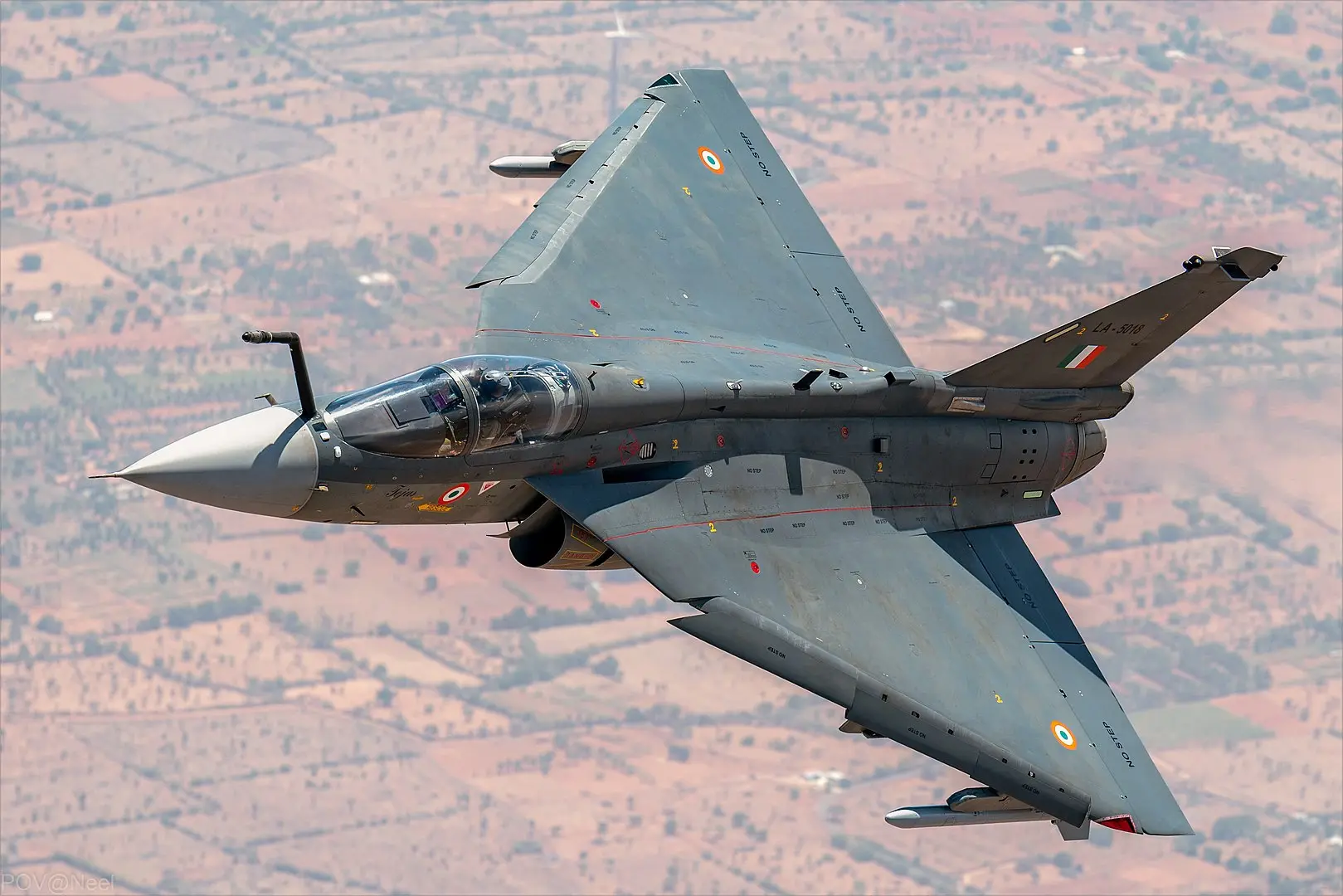
The GE F404-IN20 Engine Integration
The Tejas uses the GE F404-IN20 engine producing 85 kN thrust with afterburner. The engine bay is perfectly optimised for this engine, with airframe weight distribution and cooling systems specifically designed for F404-IN20 specifications and performance requirements.
Weight Reduction Without Compromising Safety
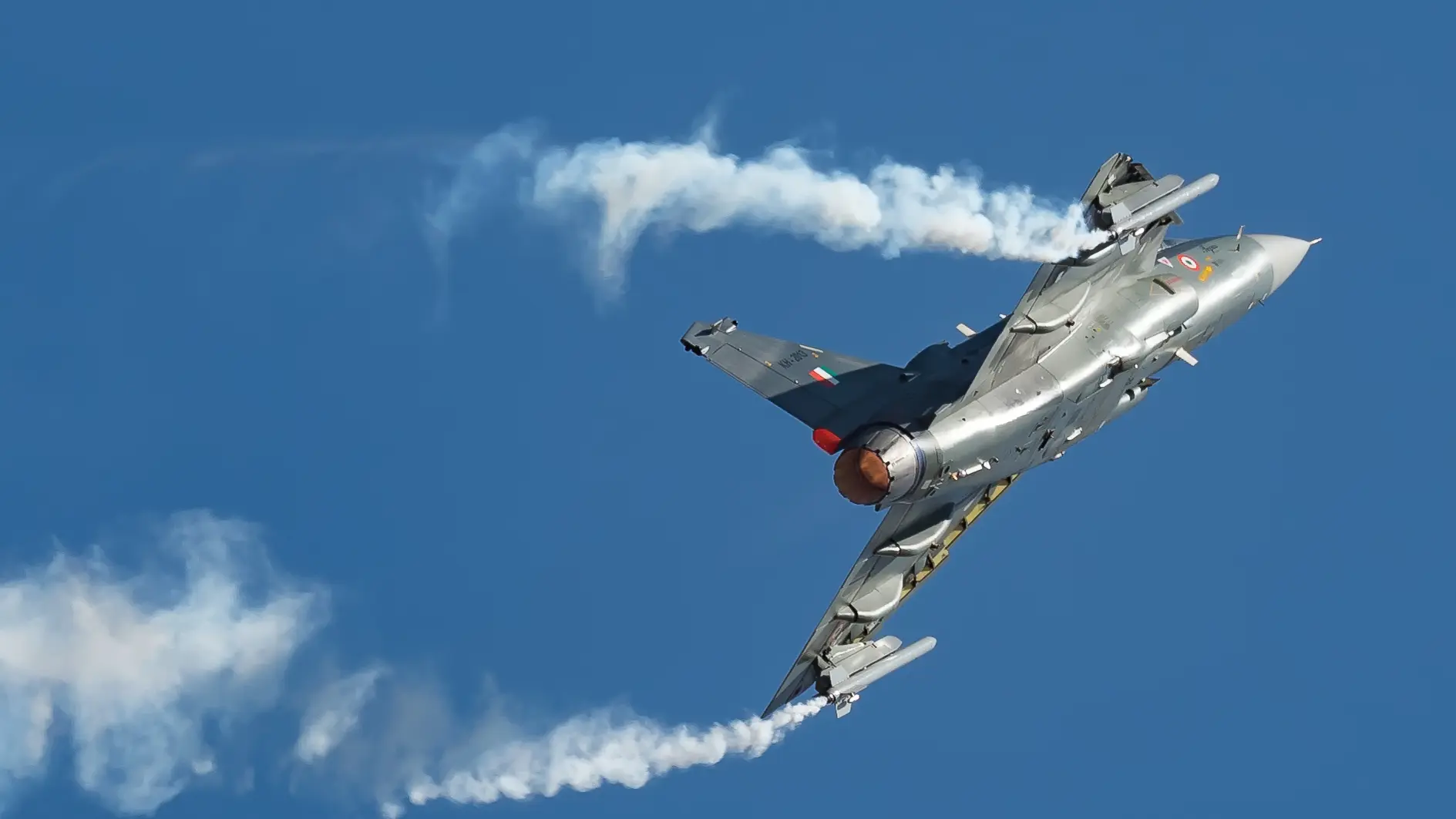
Tejas weighs approximately 13,500 kg at maximum takeoff, exceptionally light for a Mach 1.6 capable fighter. BMI composites reduce weight significantly whilst maintaining structural integrity under extreme combat manoeuvres up to 8g, improving agility and payload capacity.
Manufacturing Innovation Through Technology Transfer
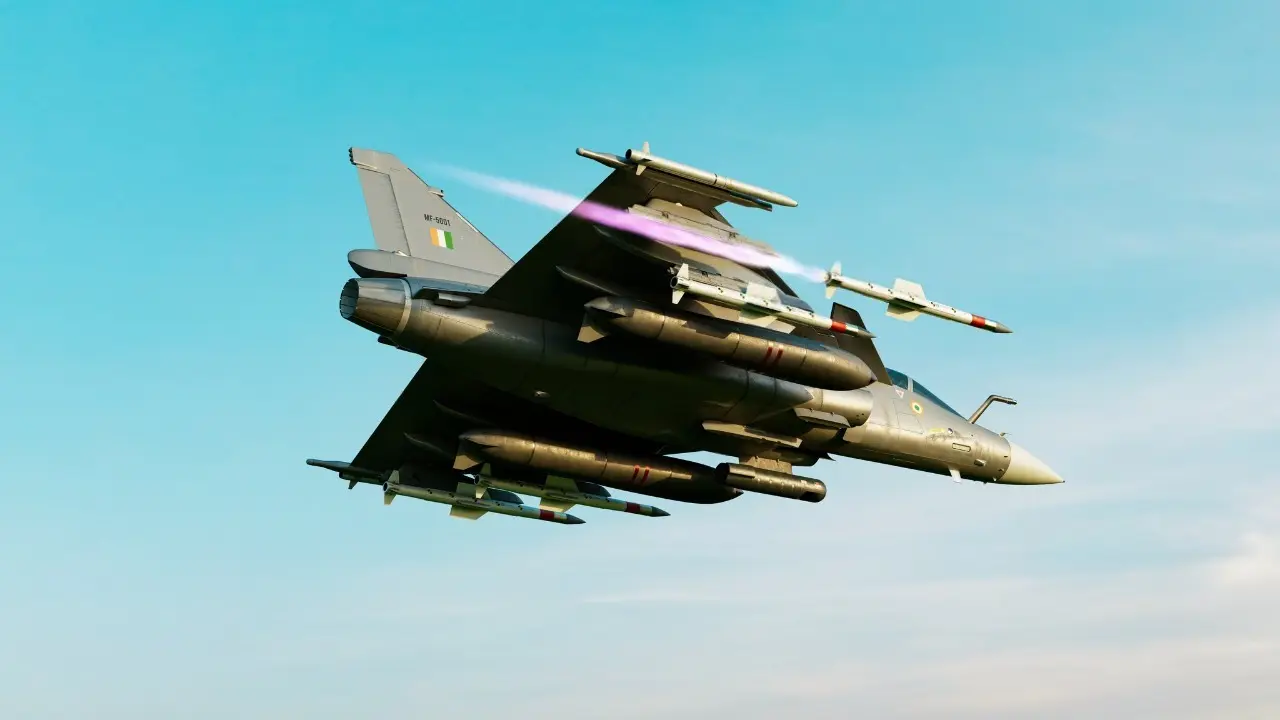
HAL achieved indigenous production of BMI engine bay doors through technology transfer with CSIR-NAL. This reduces foreign dependence, lowers costs, and accelerates series production of Tejas Mk1A for the Indian Air Force and future fighter programmes.
Future Evolution and Next-Generation Fighter Jets
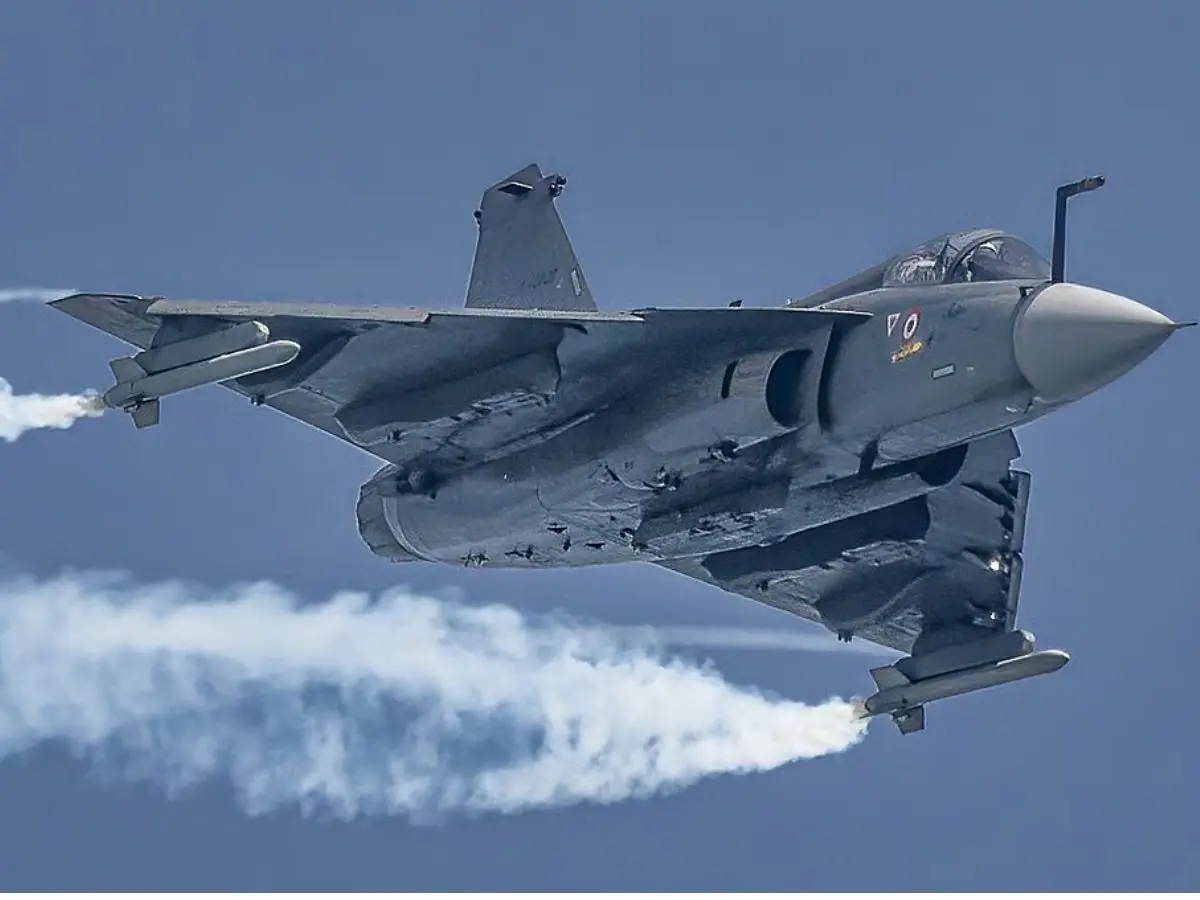
Tejas Mk2 will use the more powerful GE F414 engine at 98 kN thrust. India's Gas Turbine Research Establishment is developing indigenous engines. The revolutionary design allows future engine integration, ensuring Tejas remains relevant for decades as technology advances.
)
)
)
)
)