Tejas fighter jet: The design detail that improves speed

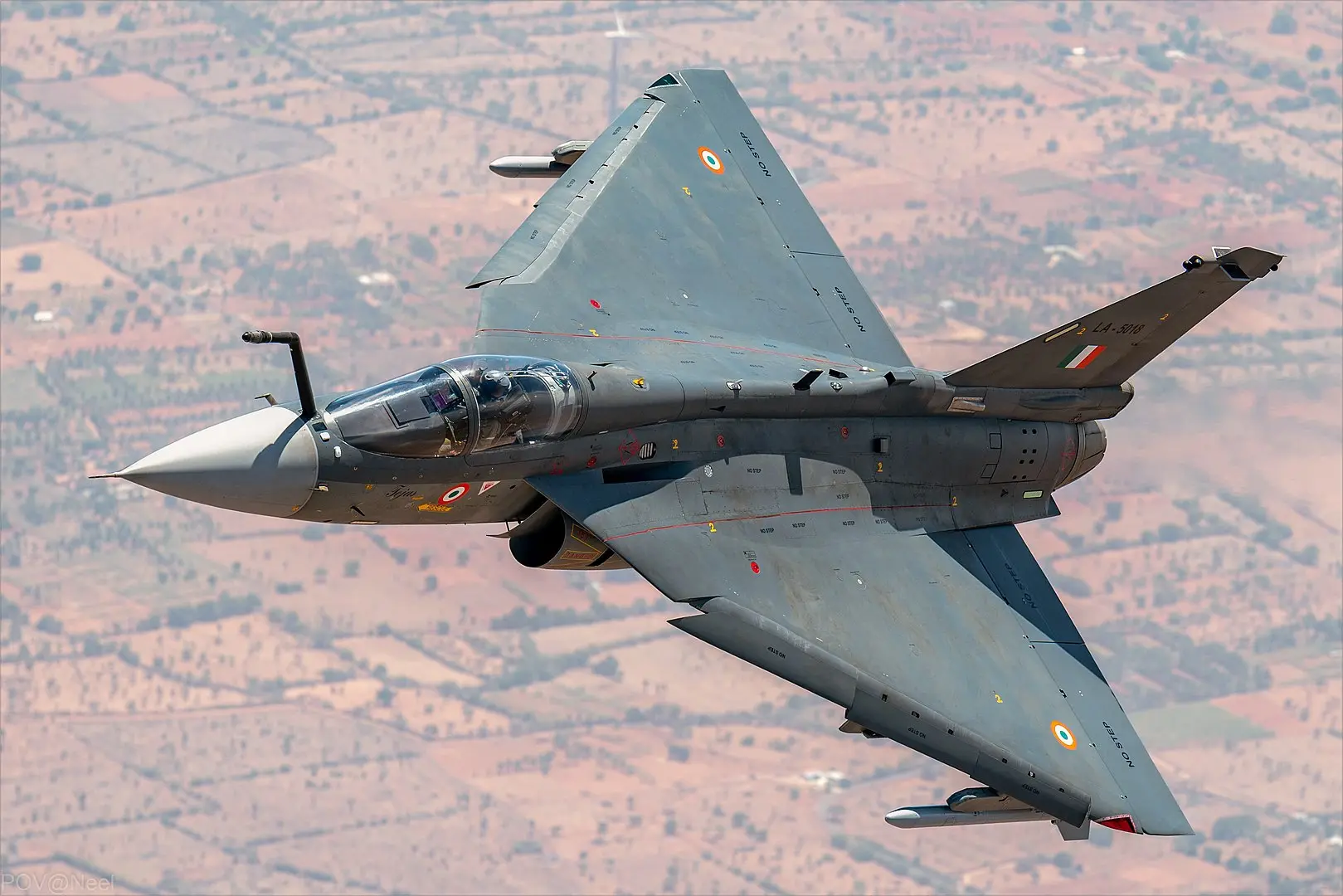
Tejas reaches Mach 1.8 through smart design choices. A bulged canopy and fuselage plug reduce wave drag by 6 percent, improving transonic acceleration by 20 percent. The smooth aft fuselage and compound delta wing further boost speed.
How The Tejas Fighter Jet Design Makes It Fast
When engineers design a fighter jet, every detail matters. The shape of the fuselage, the curve of the canopy, and wing angles all affect speed. India's Tejas reaches Mach 1.8, nearly twice the speed of sound. This comes from careful aerodynamic thinking by HAL designers. They made specific choices about the aircraft's shape to reduce drag. Drag is what slows the aircraft down. Understanding these design details shows why the Tejas is a remarkable engineering achievement made entirely in India.
Compound Delta Wing: The Shape That Reduces Drag
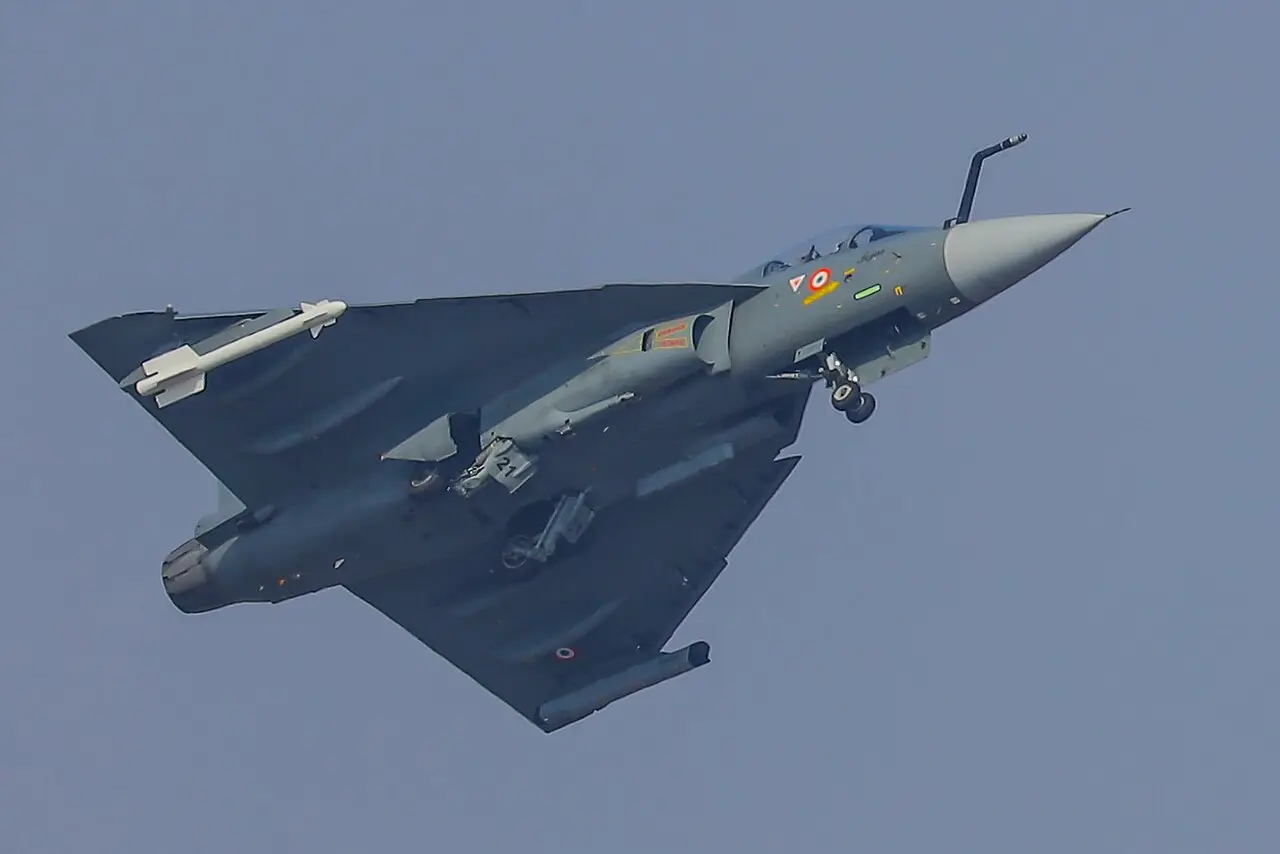
The Tejas uses a compound delta wing instead of traditional straight wings. The outer wing section has steep sweep, while the inner section has less sweep. This design creates more lift without making the fuselage longer. Research by HAL showed this wing increases wing area significantly. The compound delta wing manages wave drag efficiently at supersonic speeds. It also lets the aircraft manoeuvre exceptionally well. When flying at twice the speed of sound, this wing design keeps the Tejas fast and efficient. It is one reason why the Tejas performs so well compared to other jets in its class.
Why The Tejas Has A Bulged Canopy: The Speed Secret
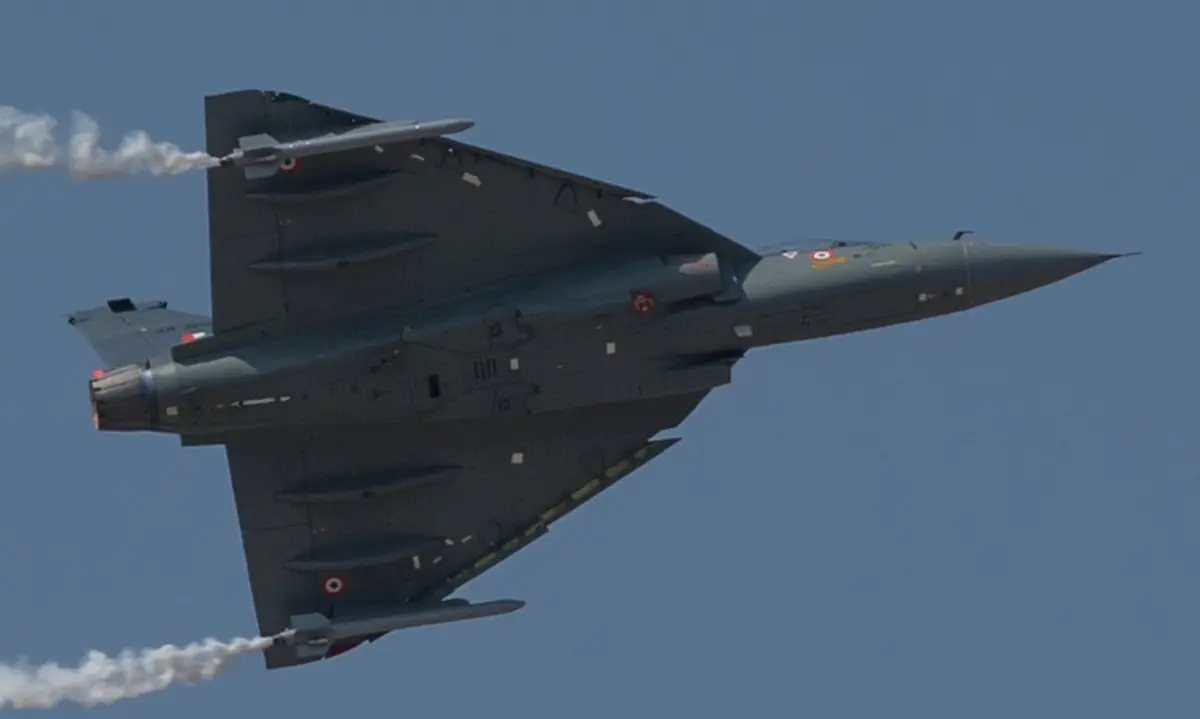
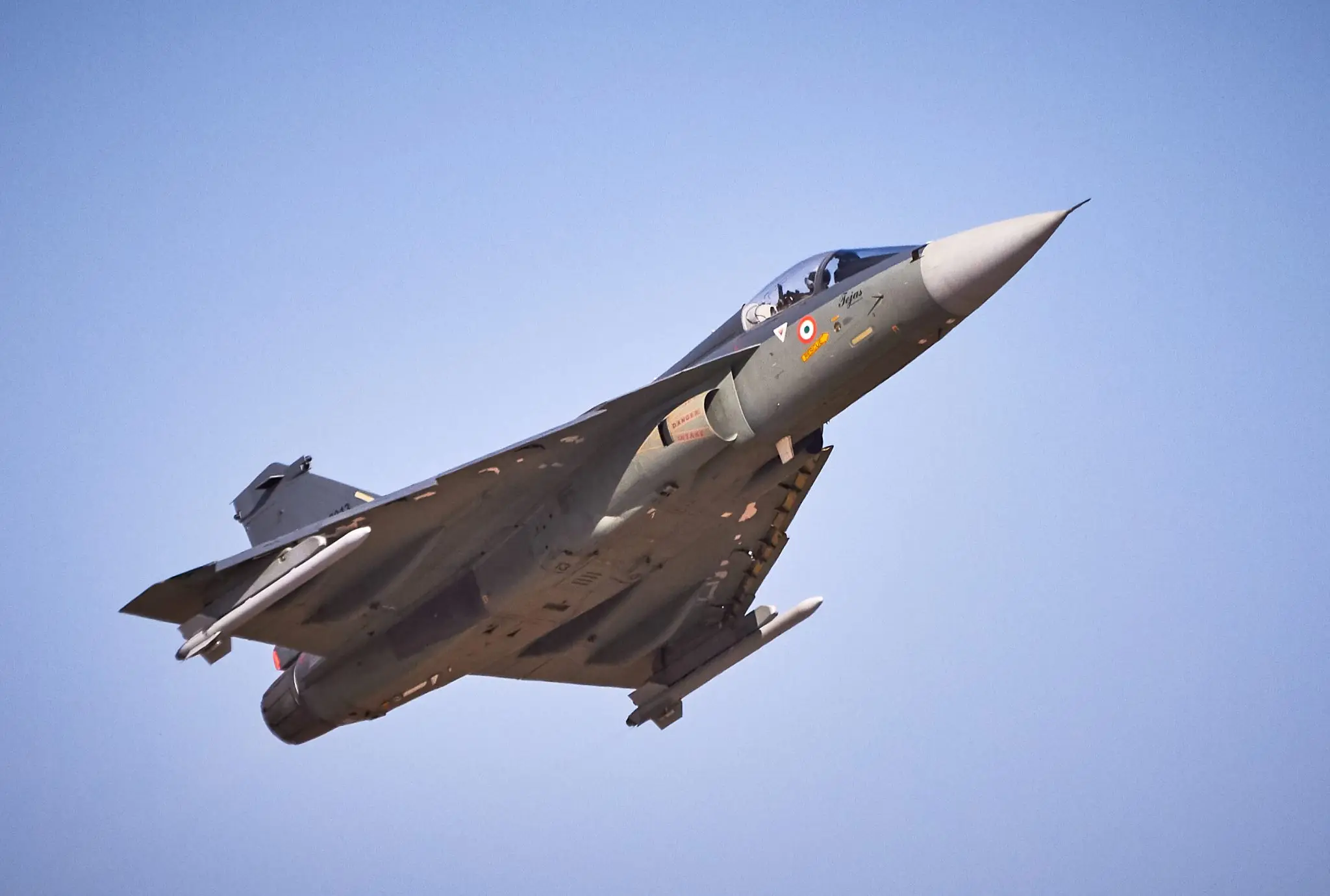
Look at the Tejas cockpit and you notice the canopy is not flat or simply curved like other jets. It has a bulge. This is not just for looks. The bulged canopy is critical for aerodynamics. It improves area ruling, which ensures fuselage cross-section changes smoothly from nose to tail. The bulged canopy plus a fuselage plug reduce supersonic wave drag by 6 percent. This small change creates massive gains: 20 percent improvement in transonic acceleration and 2 percent improvement in maximum speed. For fighter jets, these are significant numbers that affect real combat capability.
The Smooth Aft Fuselage
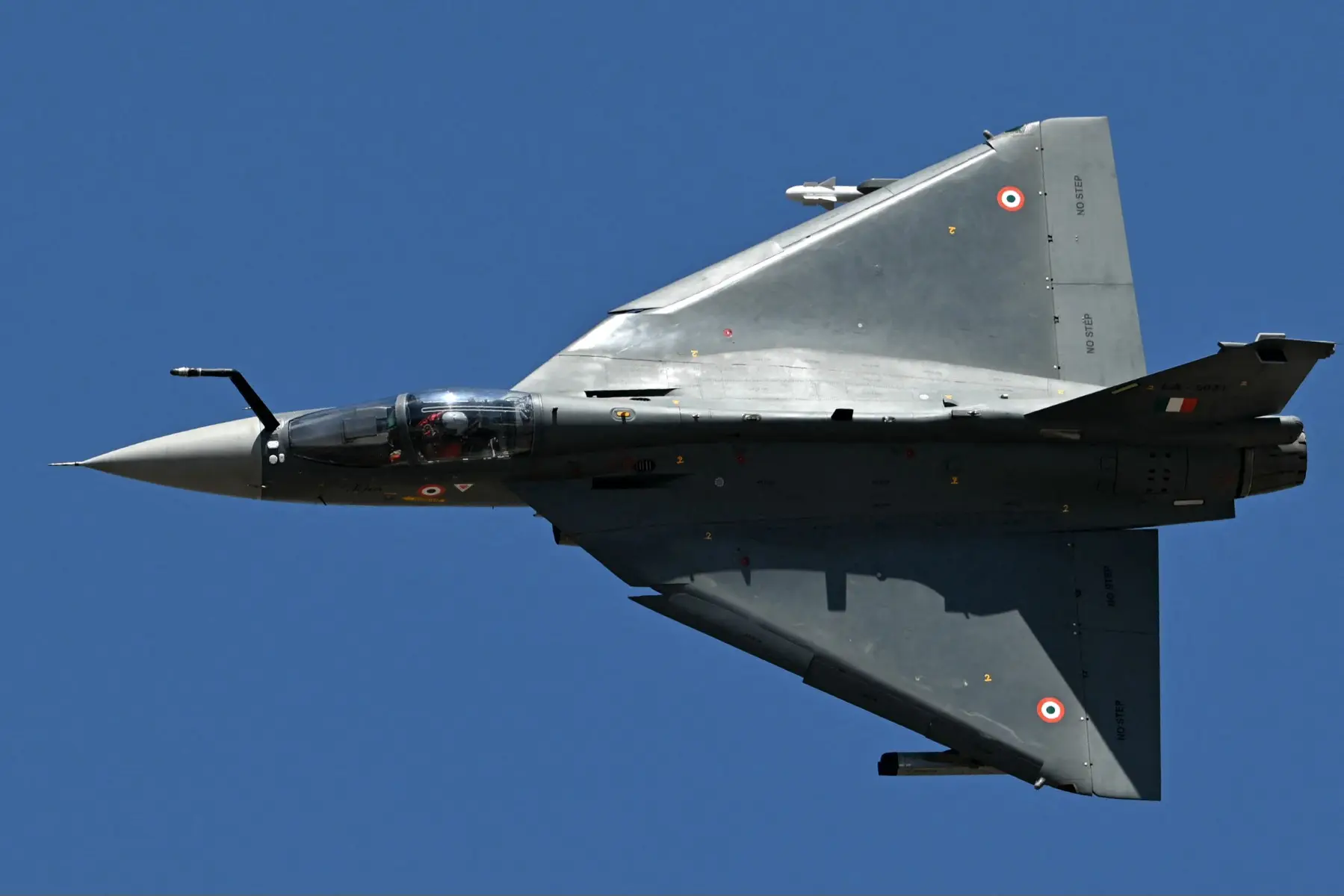
Earlier Tejas versions had a kink in the aft, or rear, section where the fuselage meets the tail. This sharp angle created extra drag. Engineers redesigned the aft fuselage to be smooth and streamlined. They eliminated the kink completely. This smoothing improved the aerodynamic shape throughout. Removing this kink and optimising the aft fuselage results in 4.9 percent improvement in supersonic drag on the rear section. When combined with the 6 percent drag reduction from the canopy, the total effect becomes substantial.
Close-Coupled Canards on Tejas Mk2
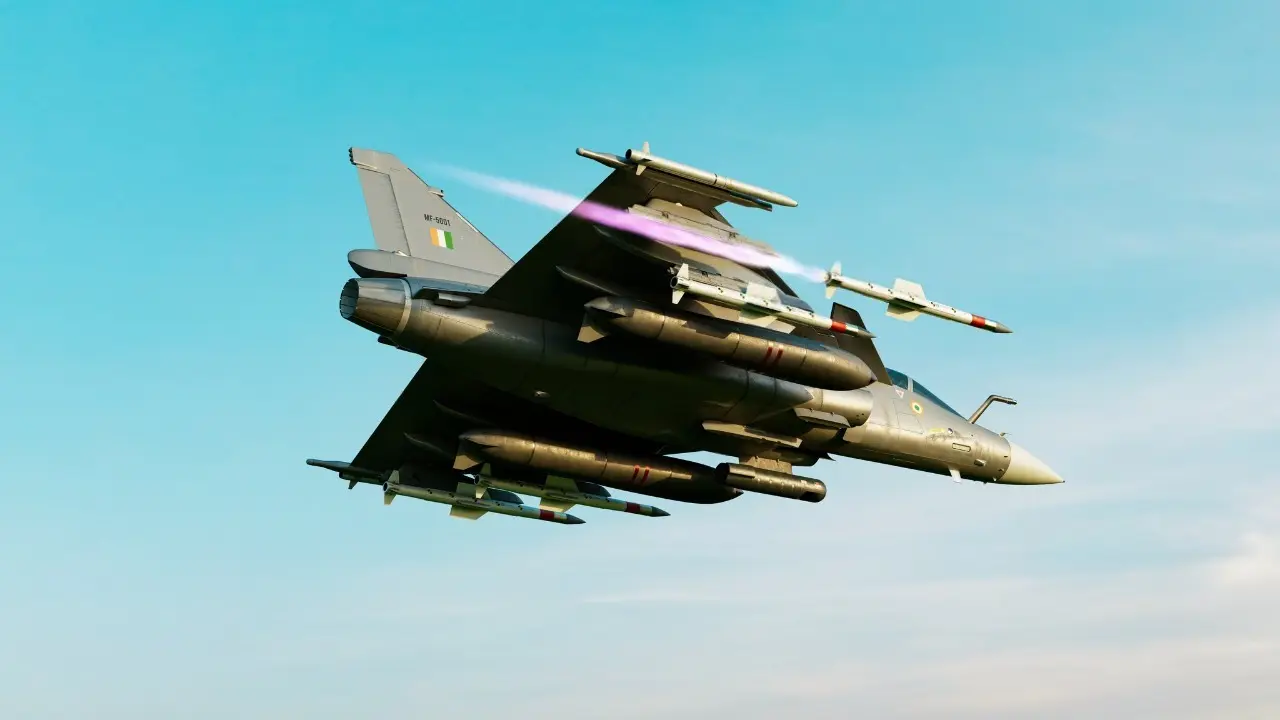
The newer Tejas Mk2 adds close-coupled canards near the fuselage in front of the main wings. These small winglets help maintain balance at different flying angles. On the Mk2, they sit very close to the main wing, creating beneficial aerodynamic interaction. When the canard and main wing work together, they generate more lift with less trim drag. The aircraft stays level with lower angles of attack, meaning less drag pulling backward. Engineers calculated this configuration gives Tejas Mk2 significantly better lift-to-drag ratio across the entire flight envelope, from slow speeds to supersonic speeds at altitude.
Wing And Air Intake Optimisation
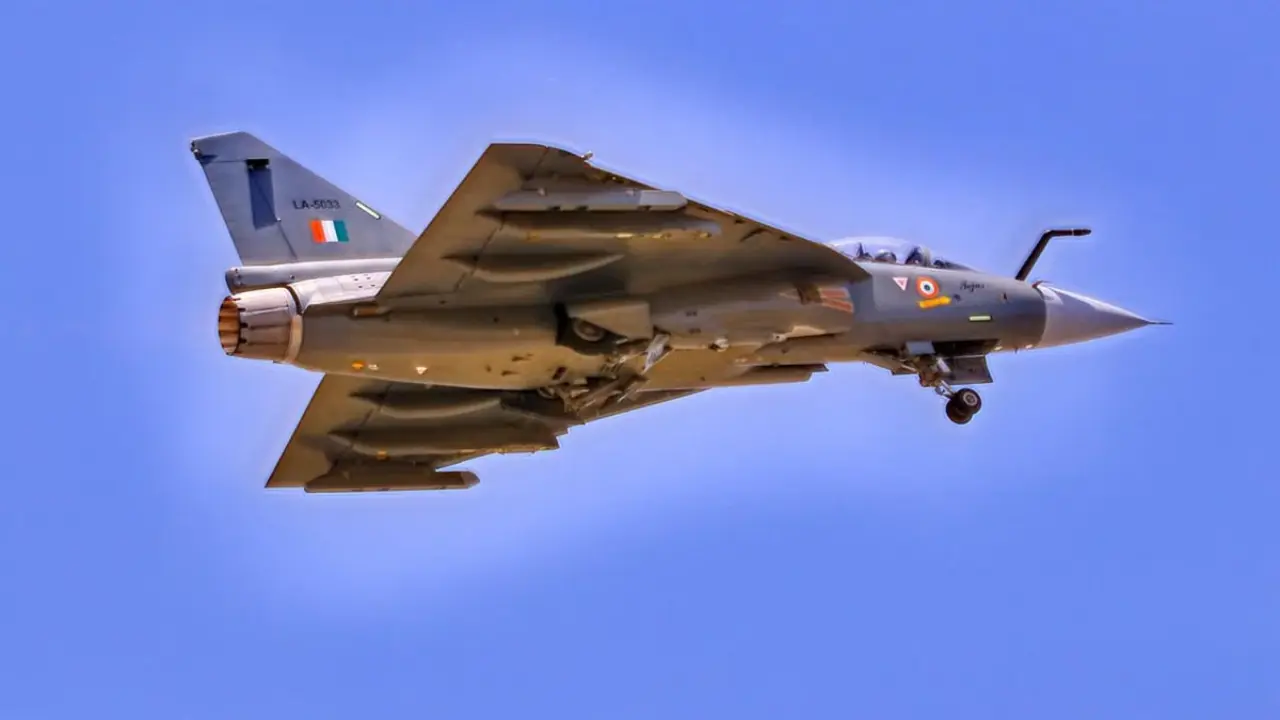
Every part of the Tejas wing has been carefully shaped. The thickness, curve called camber, and twist along the wing span follow precise calculations. The air intakes feeding fuel to engines also receive special design attention. The intakes are canted backwards with subtle sweep. This backward canting creates optimal shock structure as air enters at supersonic speeds. It reduces spillage drag and improves pressure recovery. Splitter plates inside redirect the low-energy boundary layer flow. These intake improvements provide better engine thrust and reduce engine stall risk during aggressive manoeuvres. Every detail adds to overall fighter performance and reliability.
How Design Features Work Together
The Tejas does not achieve Mach 1.8 because of one feature. It is the combination of all elements working together. The compound delta wing provides efficient lift. The bulged canopy reduces wave drag. The smooth aft fuselage eliminates unnecessary drag. The air intakes perform efficiently. The canards improve aerodynamic efficiency. Together, these create a faster, more efficient, more agile aircraft than many competitors. HAL engineers studied international fighter jets and adapted proven principles to Indian conditions. The result reaches 52,000 feet altitude at twice the speed of sound while carrying full weapons load. Future versions will have even more improvements.
)
)
)
)
)