Tejas fighter jet: The Aerodynamic trick that makes it incredibly agile

The Tejas fighter jet uses relaxed static stability and advanced fly-by-wire systems to achieve exceptional manoeuvrability. Its compound delta wing and innovative LEVCON flaps make it one of the world's most agile combat aircraft.
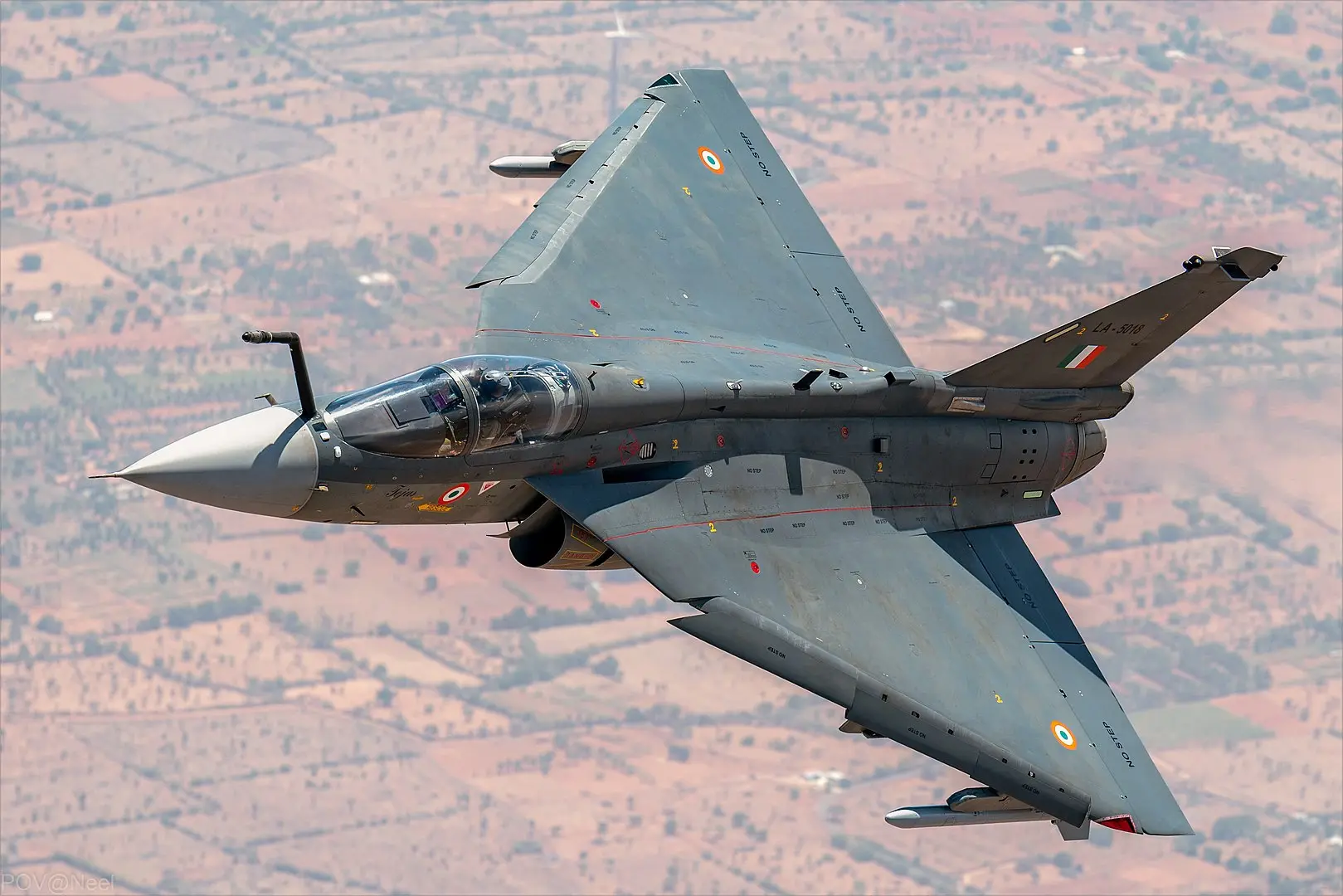
Static Stability - The Key to Agility
The Tejas uses a revolutionary design concept called Relaxed Static Stability (RSS). Unlike traditional fighter jets designed to be naturally stable, Tejas is intentionally made slightly unstable. This design means the aircraft naturally wants to pitch nose-up or nose-down, forcing pilots to constantly make corrections. This constant instability translates into exceptional manoeuvrability and allows the jet to turn at incredible speeds and angles.
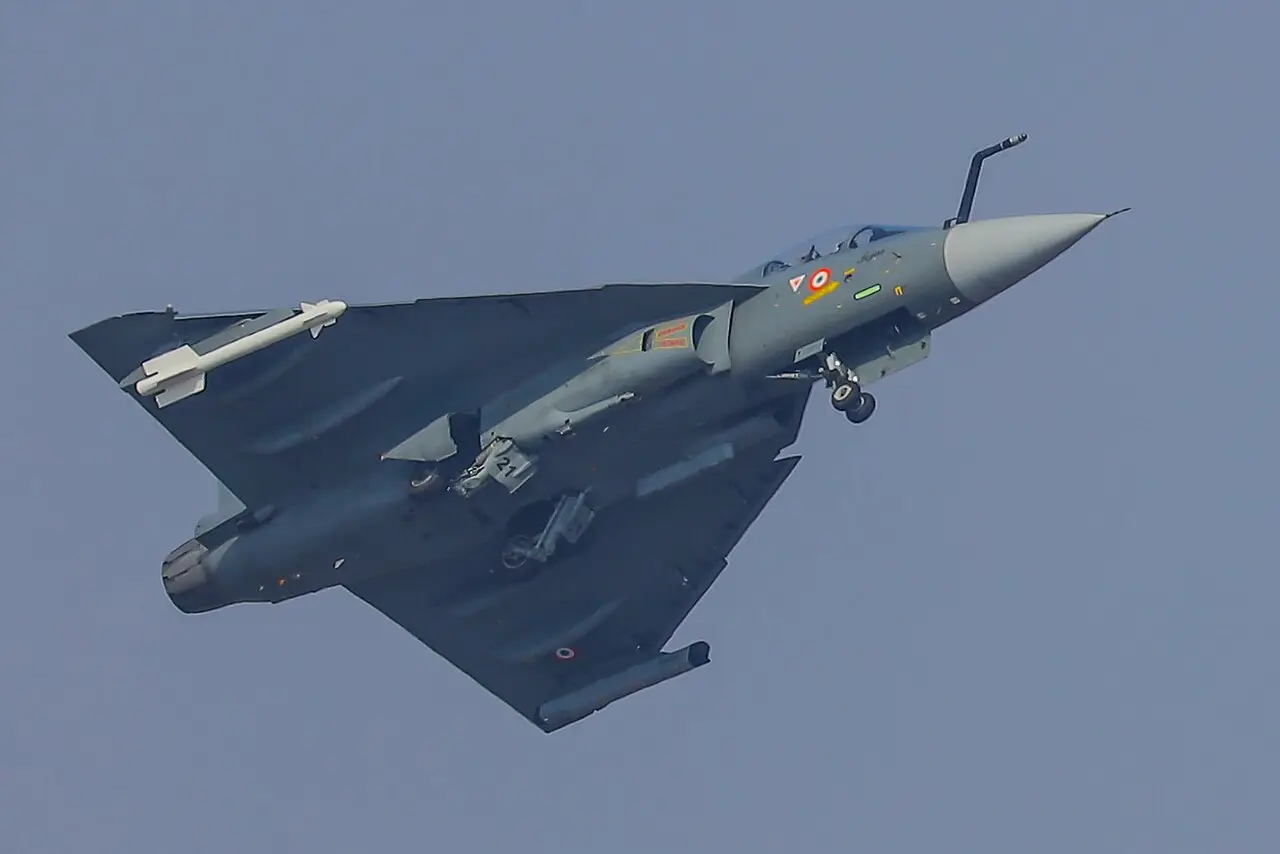
Compound Delta Wing Configuration
Tejas features a unique compound delta wing with two different sweep angles. The inner section sweeps at a shallower angle than the outer section. This design allows the formation of leading-edge vortices at low speeds, improving lift during takeoff and landing while maintaining excellent supersonic performance. The 38.4 square metre wing area provides optimal balance between speed and manoeuvrability.
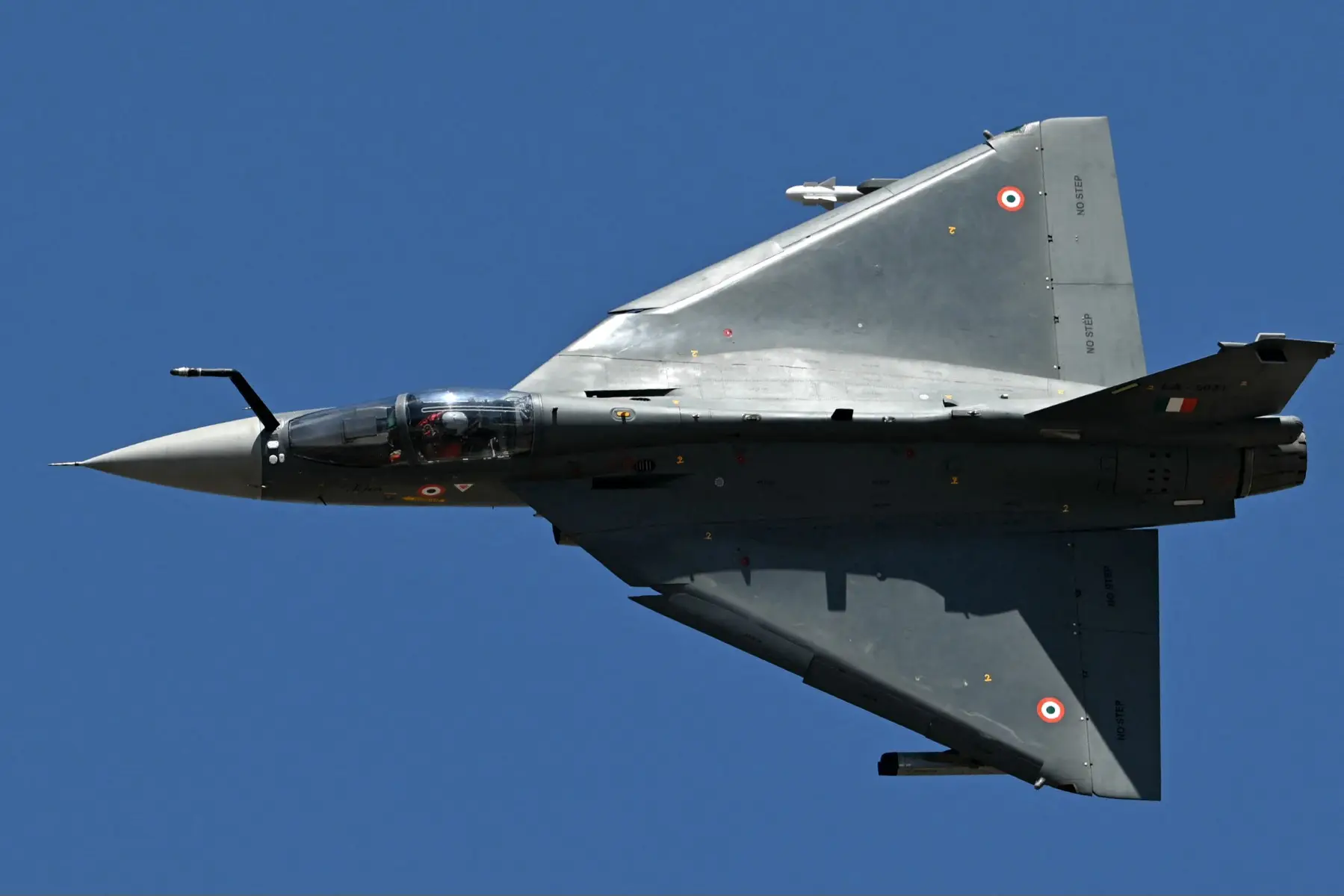
Leading Edge Vortex Control - The LEVCONs
Tejas uses innovative Leading Edge Control (LEVCON) flaps along the front of its wings. These aren't conventional flaps but specialised surfaces that can deflect upwards or downwards. When deflected upward, they force leading-edge vortices to form at low speeds, creating extra lift without stalling. This allows Tejas to land and takeoff from shorter runways while maintaining manoeuvrability.
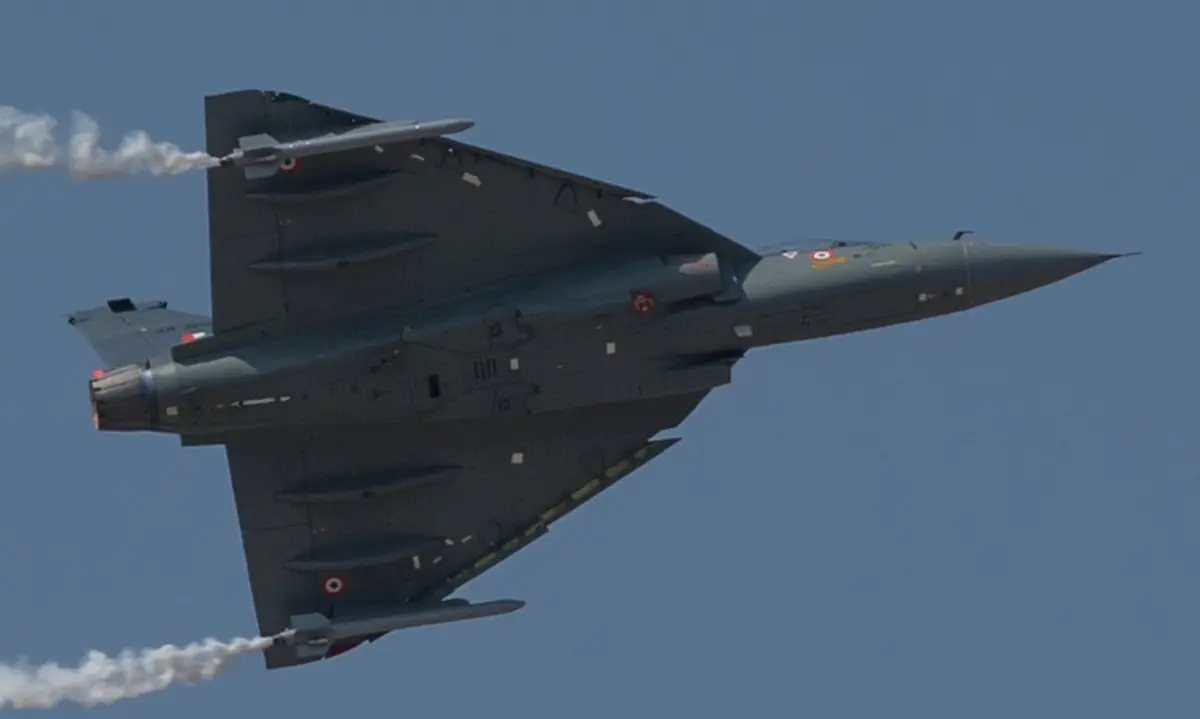
Quadruple Digital Fly-By-Wire System
Because Tejas is intentionally unstable, it needs electronic control to stay in the air. A quadruple redundant digital fly-by-wire (DFCC) flight control system continuously adjusts flight surfaces thousands of times per second. This computer system keeps the aircraft stable for the pilot while allowing incredible agility in combat. Over 4,300 test flights proved this system's reliability without a single incident.
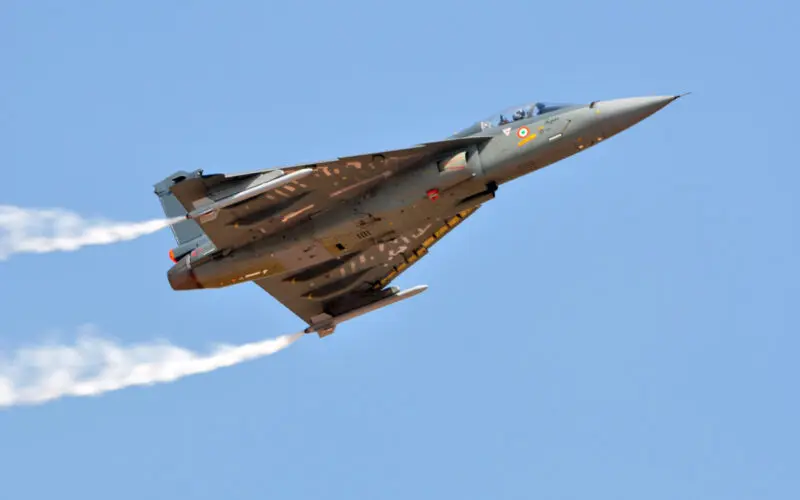
Lightweight Construction - Only 6,560 kg
Tejas weighs just 6,560 kg empty, making it significantly lighter than comparable fourth-generation fighter jets. This lightweight frame, combined with a GE F404 engine producing 19,000 pounds of thrust, gives Tejas a thrust-to-weight ratio exceeding 1.0 in combat configuration. Light weight means quicker acceleration and better turning performance.
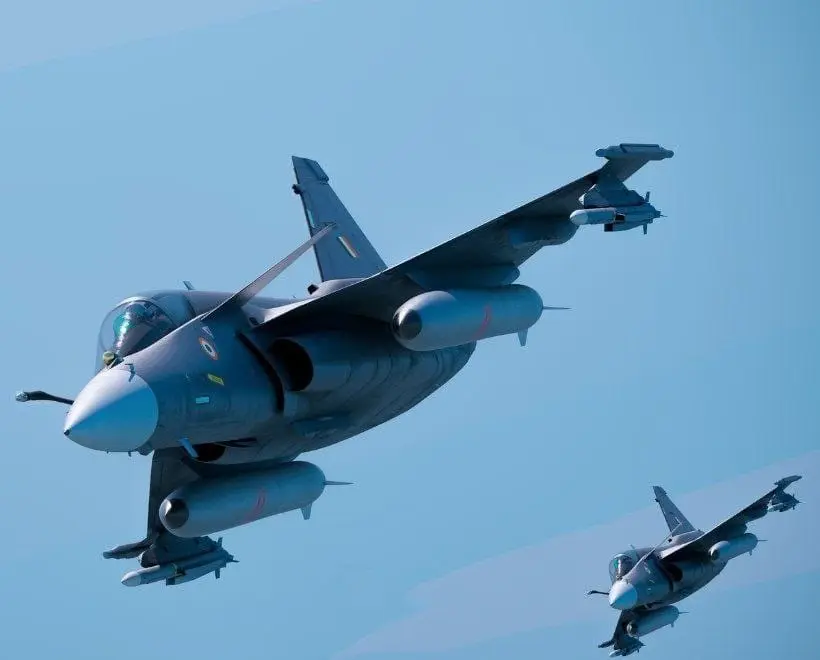
Instantaneous Turn Rate of 30 Degrees Per Second
During trials in Bahrain, Tejas demonstrated an instantaneous turn rate of approximately 30 degrees per second and a sustained turn rate of 15-16 degrees per second. It achieved a minimum radius turn of just 350 metres. These figures rank among the highest for any current fighter aircraft, giving Tejas exceptional air-combat capability.
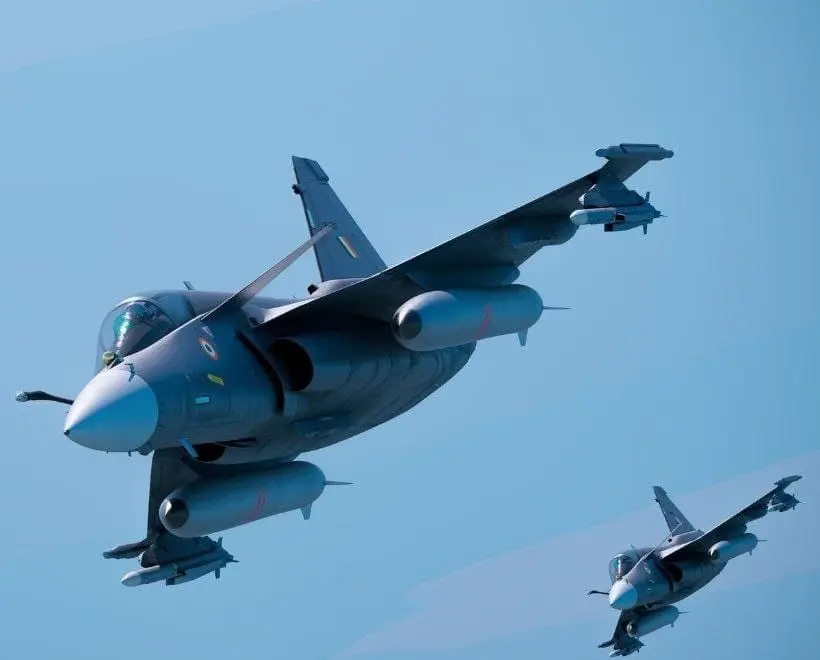
Canards on Tejas Mk2 - Enhanced Agility
The improved Tejas Mk2 version adds close-coupled canards (small wings mounted forward on the fuselage). These canards generate additional lift at low speeds and improve control at high angles of attack by stabilising wing vortices. The canards also function as air-brakes during landing. This addition makes Tejas Mk2 even more agile and enables short takeoff and landing operations from carriers and limited runways.
)
)
)
)
)