Tejas fighter jet crash: A look back at the 6 worst air-show disasters of all time

The Indian Air Force pilot lost his life while performing a high-precision manoeuvre during the event, prompting reflection on the safety of display routines worldwide.
Introduction
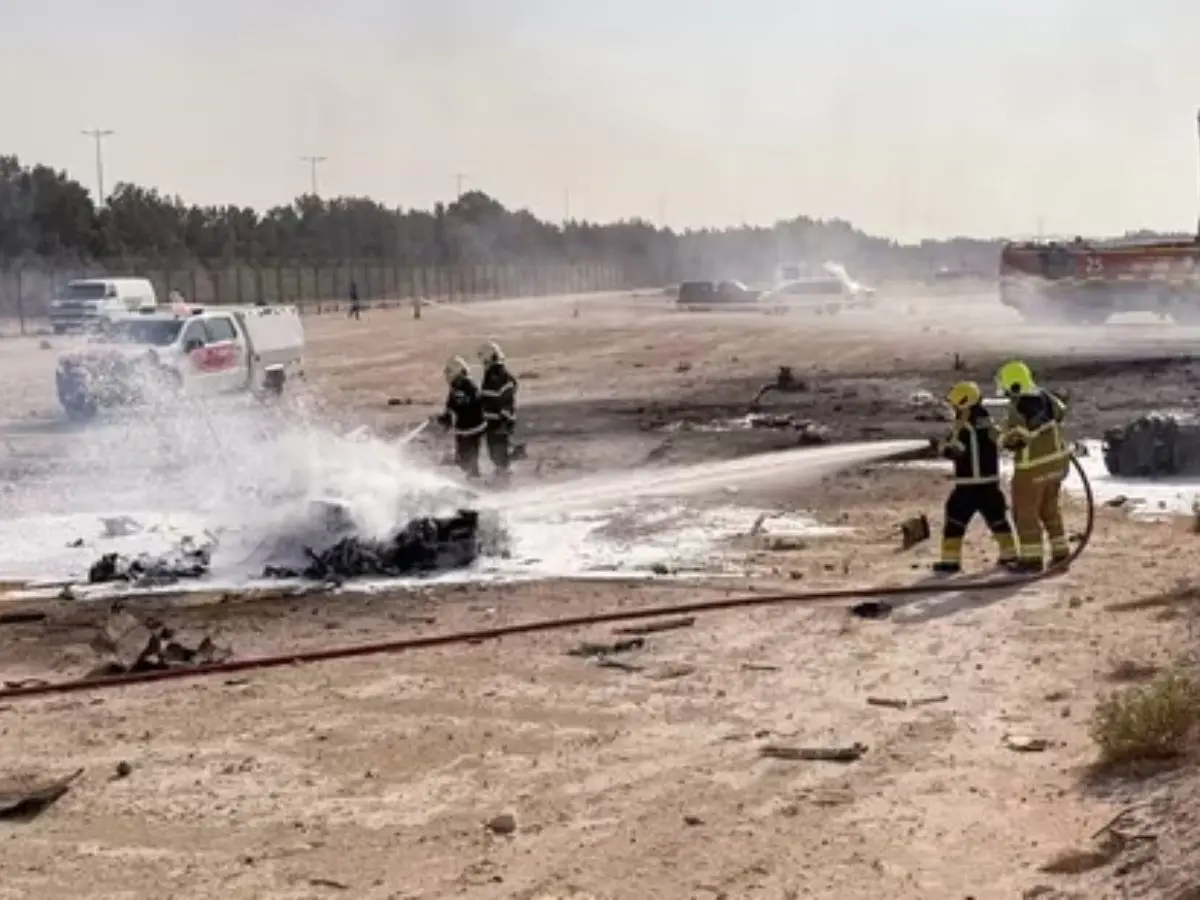
The death of Wing Commander Namansh Syal in the Tejas crash at the Dubai Air Show has drawn renewed attention to the risk involved in aerobatic flying. The Indian Air Force pilot lost his life while performing a high-precision manoeuvre during the event, prompting reflection on the safety of display routines worldwide. This is not the first time an air-show has ended in tragedy, and past incidents demonstrate that even highly trained pilots and advanced aircraft are vulnerable when flying at extreme performance limits.
1. Sknyliv Air Show, Ukraine (2002) – 77 killed
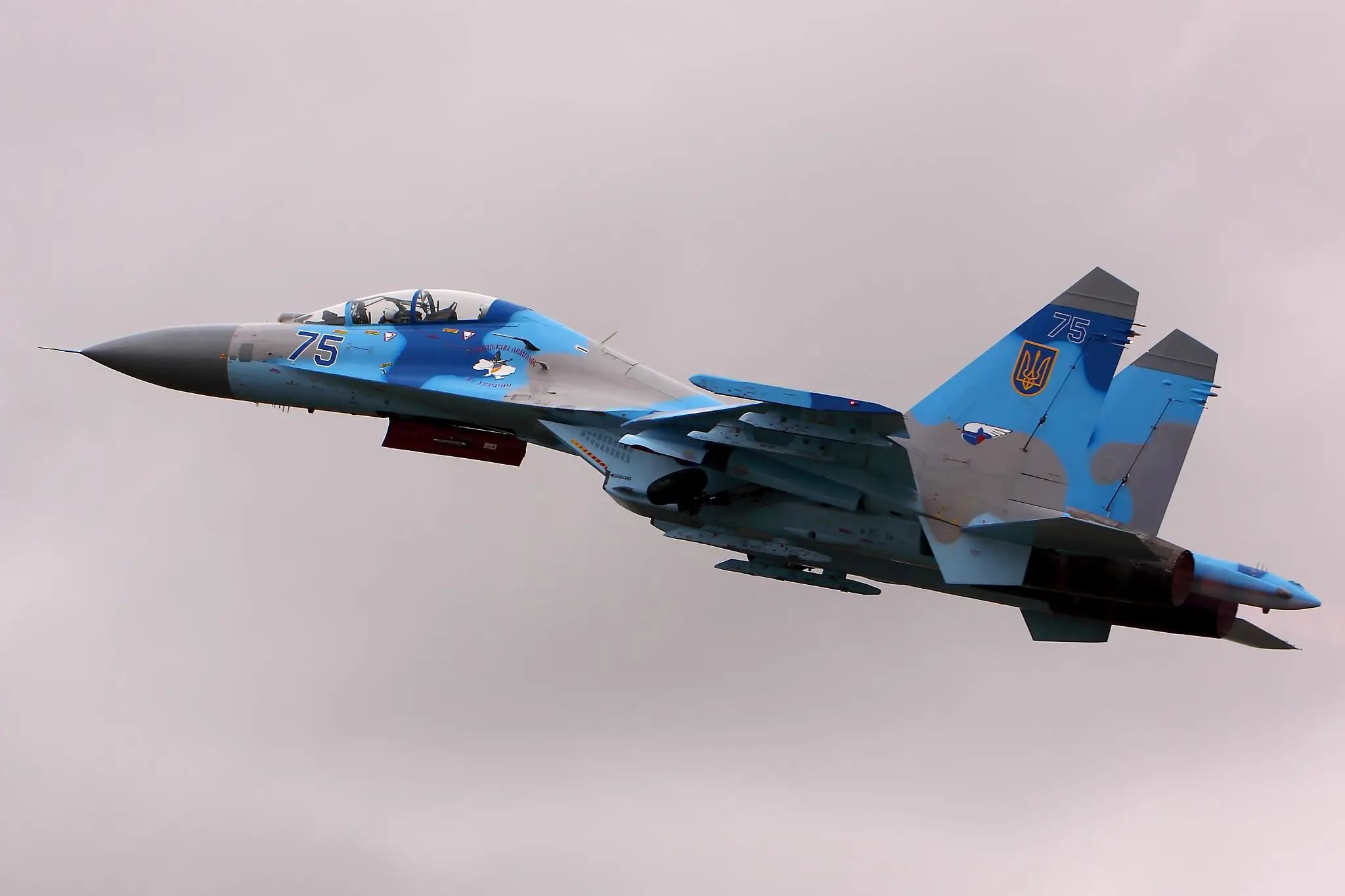
On July 27, 2002, during a display at the Sknyliv air show near Lviv in Ukraine, a Su-27 fighter jet struck the ground and ploughed into spectators after a failed aerobatic manoeuvre. The aircraft broke apart as it travelled through the crowd, killing 77 people and injuring more than 500. It remains the deadliest air-show disaster in history.
Ramstein Air Base Air Show, Germany (1988) – 70 killed
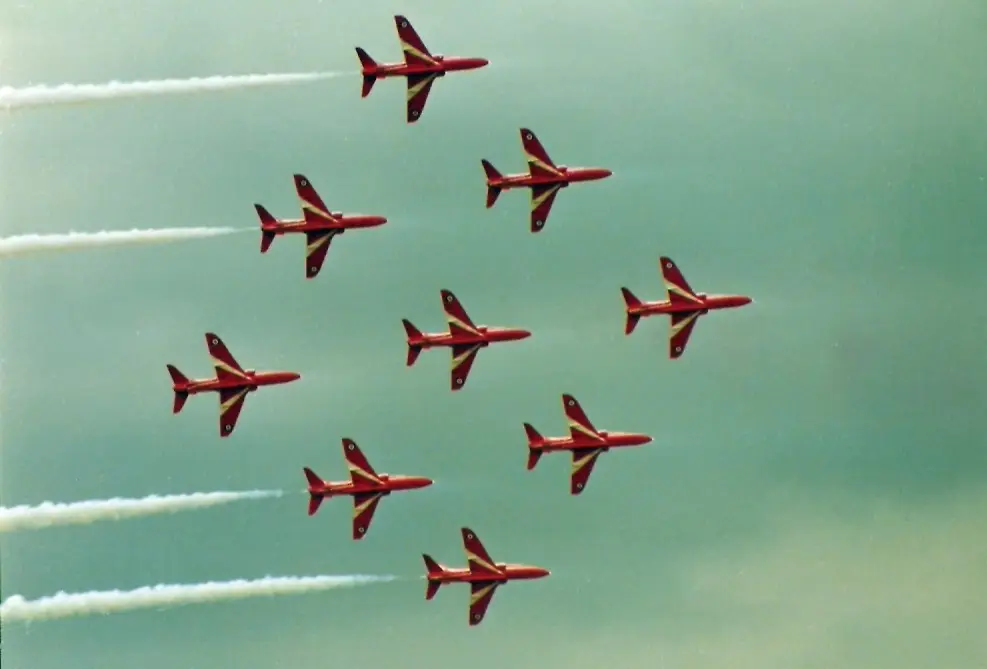
A tragic mid-air collision during a display by the Italian aerobatic team occurred on 28 August 1988 at the Ramstein air base in what was then West Germany. Three aircraft collided while attempting a precision formation stunt, sending wreckage and fire into the densely packed crowd of spectators. Seventy people died and hundreds were injured, prompting extensive reforms to air-show safety regulations across Europe.
Farnborough Airshow crash (1952) - 31 killed
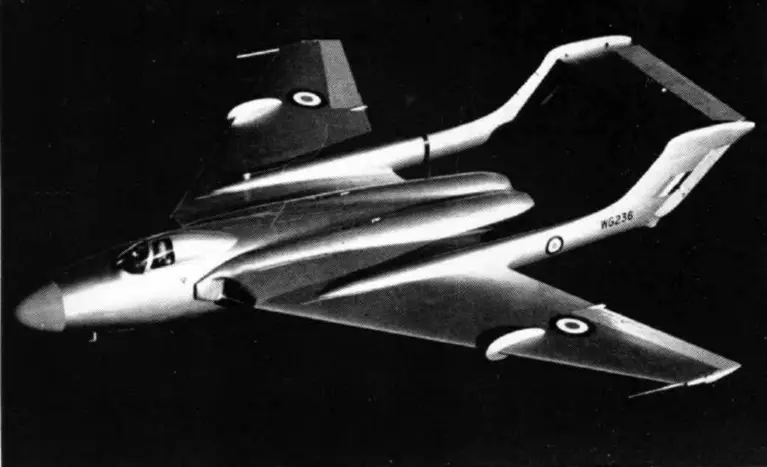
On September 6, 1952, a prototype de Havilland DH.110 jet fighter crashed during an aerobatic display at the Farnborough Airshow in Hampshire, England. The aircraft broke apart in mid-air while performing a high-speed manoeuvre, killing the pilot, John Derry, and flight test observer Anthony Richards. Large fragments of the jet then fell into the spectator area, resulting in the deaths of 31 people and injuring around 60 others. The subsequent investigation concluded that the accident was caused by structural failure linked to a design weakness in the wing’s leading edge.
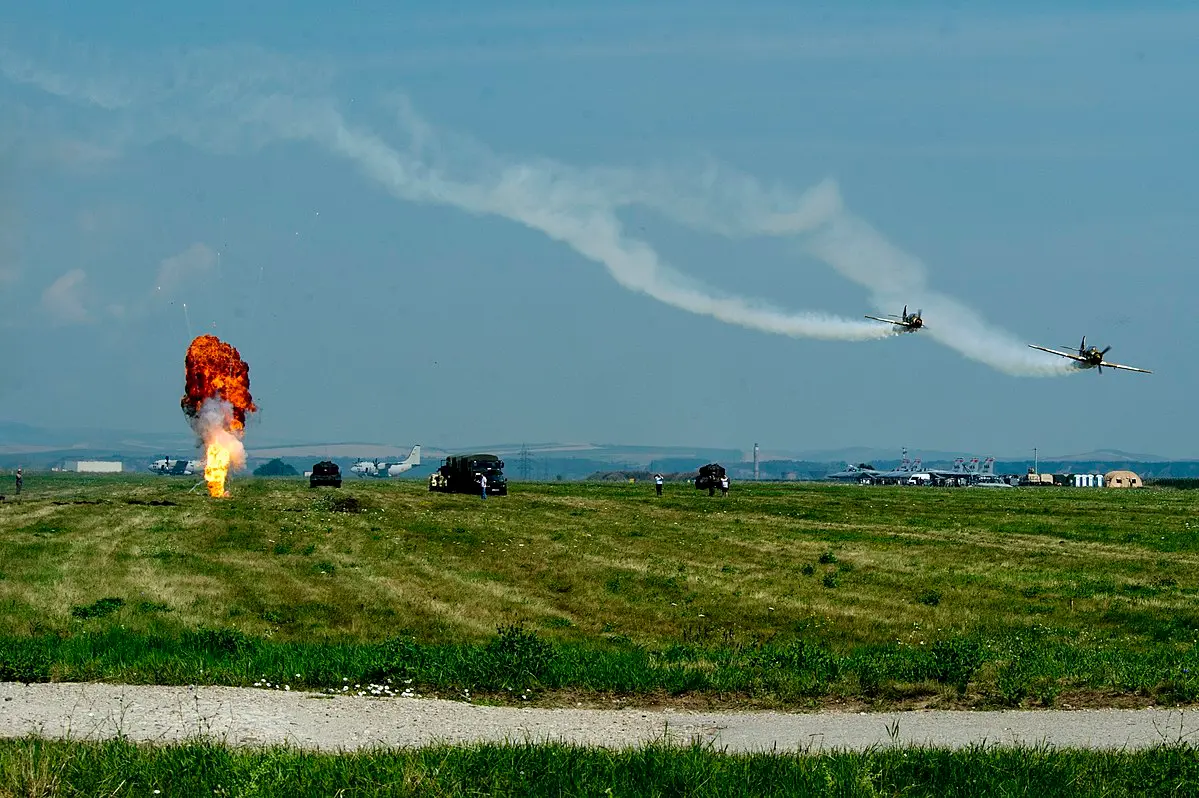
Golden West Sport Aviation Show, USA (1972) – 22 killed
On September 24, 1972 in Sacramento, California, a Canadair Sabre Mk 5 failed to gain altitude during take-off and crashed beyond the runway into an ice-cream parlour adjacent to the event. Twenty-two people were killed, including twelve children, and dozens more were left injured. The disaster raised urgent concerns regarding air-show risk assessments and proximity of public areas to active flight paths.
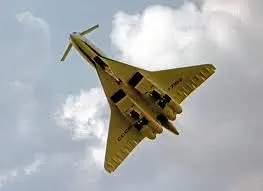
Paris Air Show Tu-144 crash, France (1973) – 14 killed
On June 3, 1973 during the Paris Air Show at Le Bourget, a Soviet supersonic Tupolev Tu-144 aircraft broke apart in mid-air during a demonstration flight and crashed into a residential area in Goussainville. All six crew members died, along with eight people on the ground. More than sixty residents were injured as houses were destroyed and fires swept across the crash site.
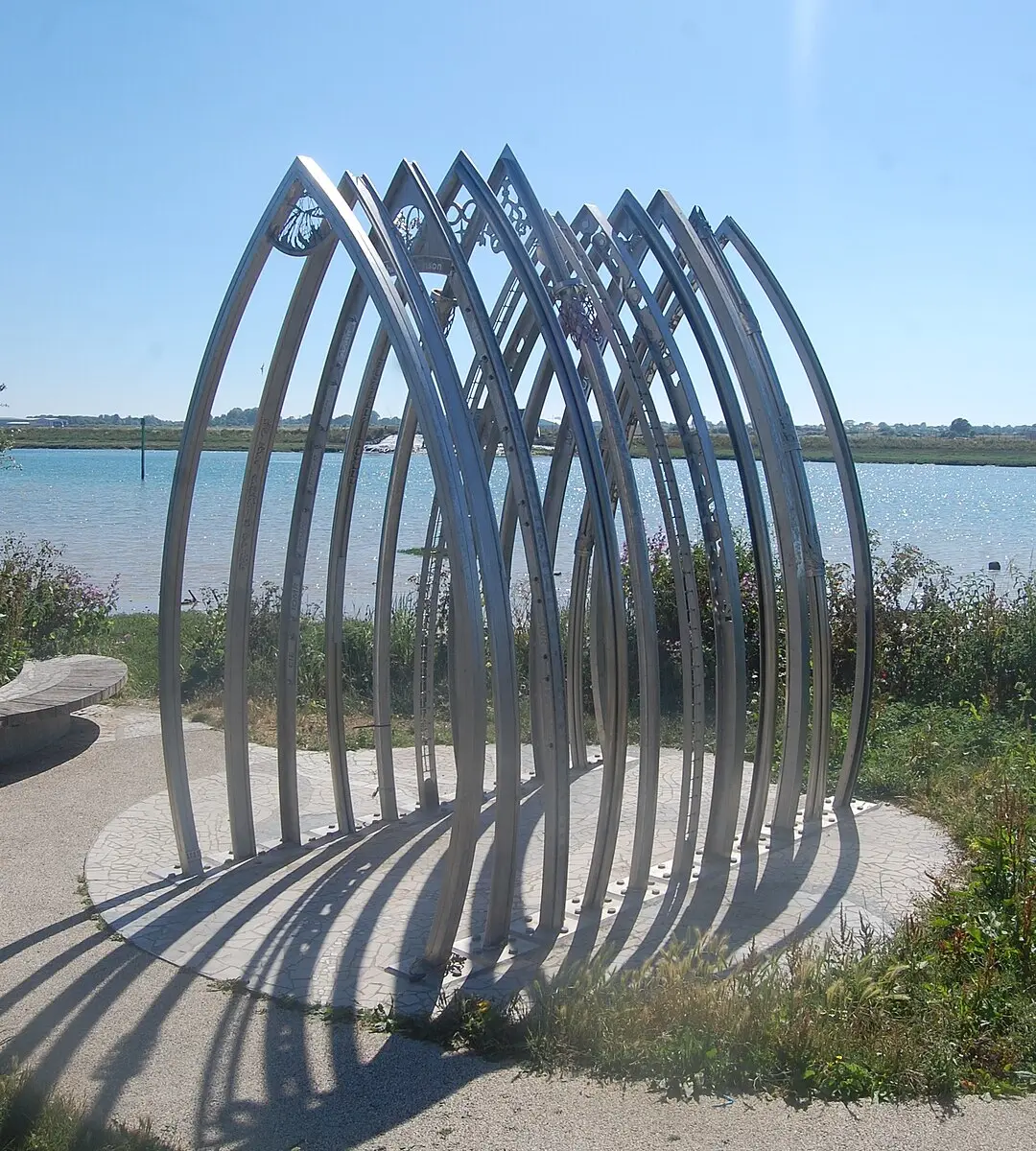
Shoreham Air Show crash, UK (2015) – 11 killed
On August 22, 2015, a vintage Hawker Hunter jet failed to complete a loop manoeuvre during a performance at the Shoreham Air Show in England. The aircraft came down on a busy road outside the display area, killing eleven people and injuring sixteen others. The accident resulted in major changes to rules governing vintage jet displays and minimum safety distances from spectators and public spaces.
Common factors across the disasters
While each crash had its own cause, investigations repeatedly pointed to similar issues: ambitious aerobatics close to spectators, limited altitude for recovery, crowded viewing zones and inadequate separation between aircraft flight paths and public areas. Pilot decisions, technical issues and planning oversights all played roles in different incidents.

)
)

)