Tejas fighter jet: 6 shocking facts you probably didn’t know

An Indian Air Force pilot was killed on Friday when an LCA Tejas Mk-1 crashed during an aerial display at the Dubai Airshow, marking the first fatal accident involving India’s indigenous fighter since it entered service.
Introduction
An Indian Air Force pilot was killed on Friday when an LCA Tejas Mk-1 crashed during an aerial display at the Dubai Airshow, marking the first fatal accident involving India’s indigenous fighter since it entered service. As the IAF launched a court of inquiry to determine the cause, the tragedy drew global attention back to the Tejas, a jet that has become both a symbol of India’s defence modernisation and a cornerstone of its push for self-reliance in combat aircraft manufacturing.
What is HAL Tejas?
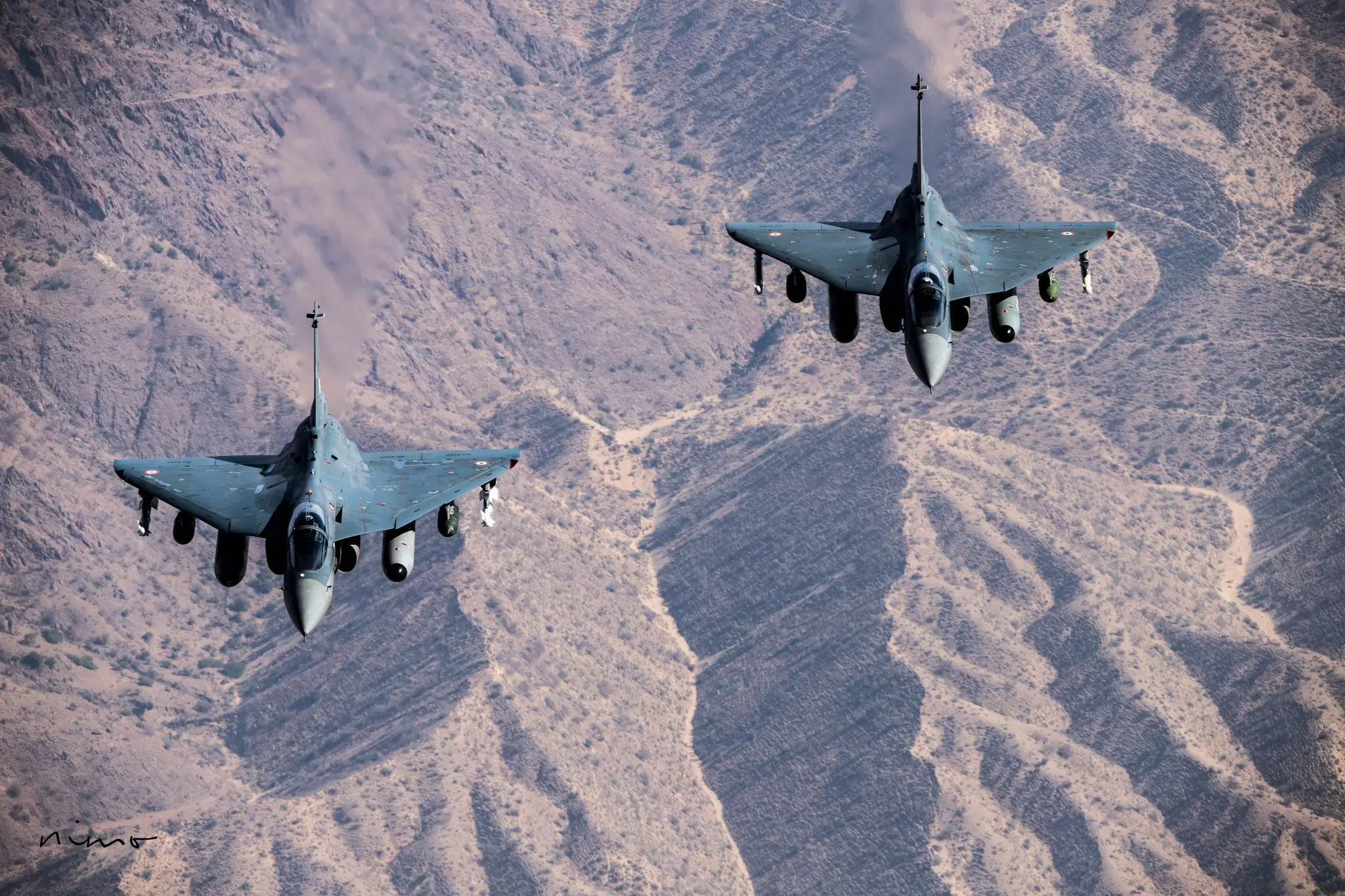
Developed over three decades, the aircraft has entered full-scale induction into the Indian Air Force (IAF) and has already secured export interest from several countries. Yet, much of what defines the Tejas programme is less visible than airshow manoeuvres. Beyond its light-weight design and agility, the jet is tied to industrial strategy, technology transfer, and long-term combat modernisation of the IAF.
Indigenous development remains its core achievement
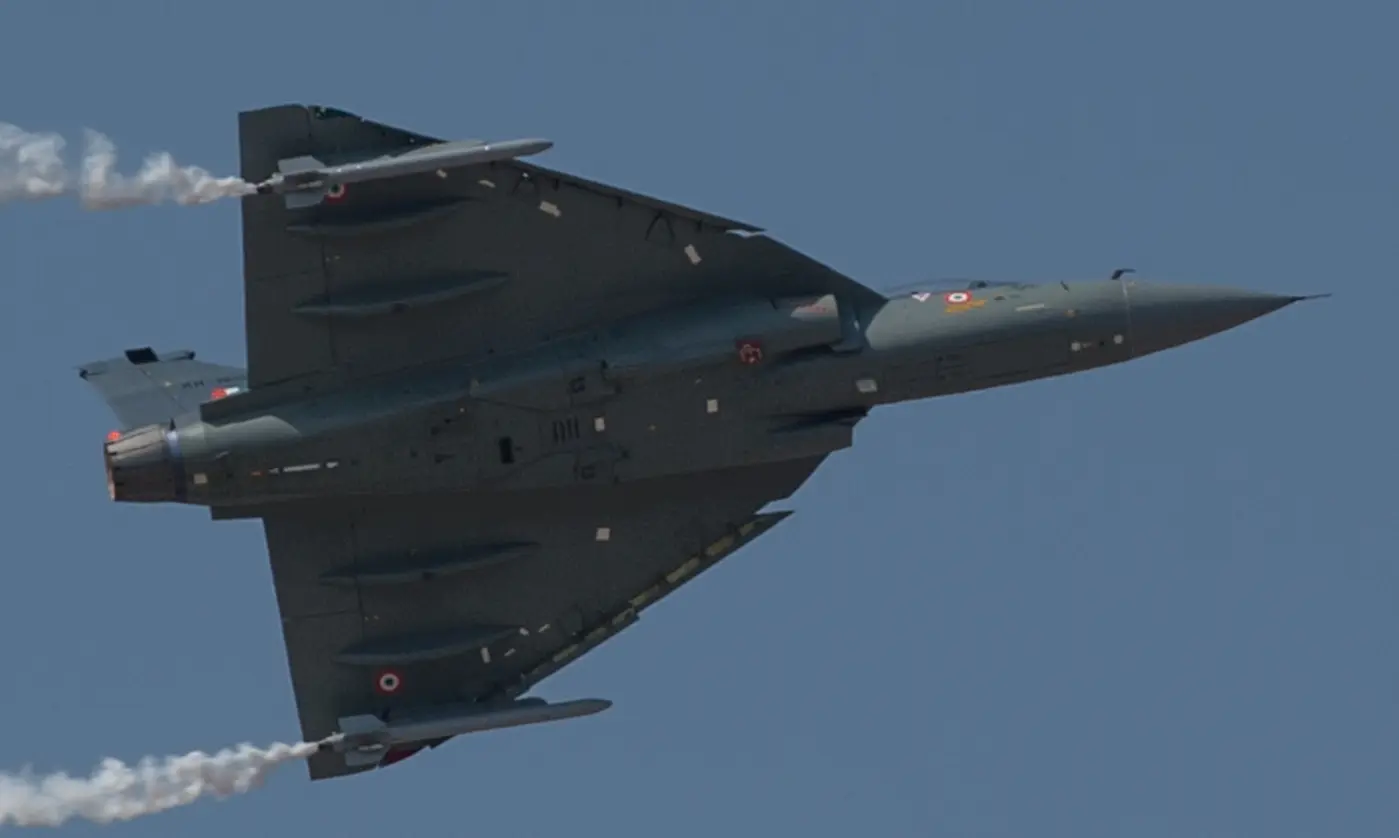
When Tejas entered squadron service, it became the first fighter aircraft designed and built in India since the HF-24 Marut of the 1960s. The programme has been led by the Aeronautical Development Agency (ADA) and Hindustan Aeronautics Limited (HAL), with contributions from multiple private and public partners. It allowed India to create experience across avionics, airframe composites, and flight-control software rather than relying exclusively on overseas suppliers.
Extensive use of composites reduces radar signature
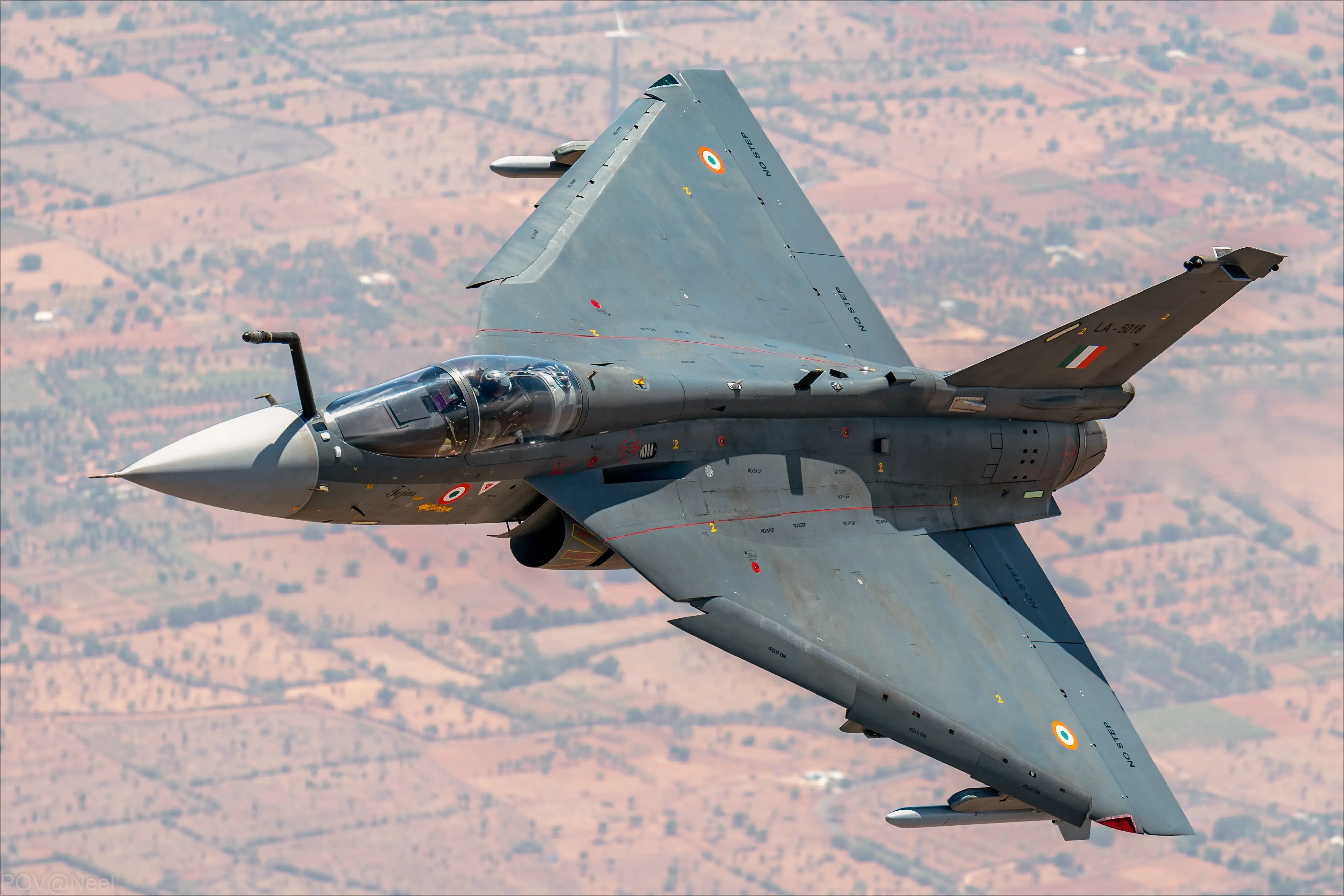
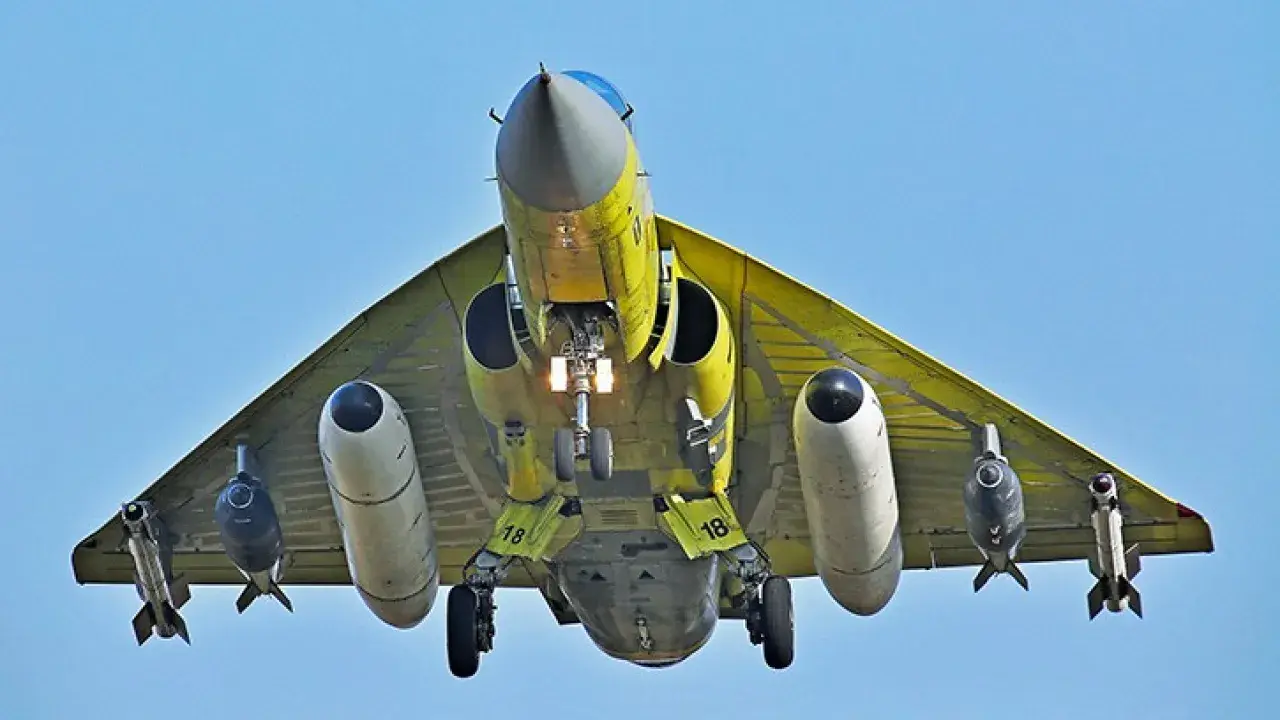
Nearly 45 per cent of the Tejas airframe is built from composite materials, helping reduce overall weight and detectability. The aerodynamic design provides high manoeuvrability suited for air defence roles. Its glass cockpit, fly-by-wire controls and integrated avionics architecture reflect a departure from older MiG-21-era platforms it is intended to replace.
The engine remains the most notable foreign component
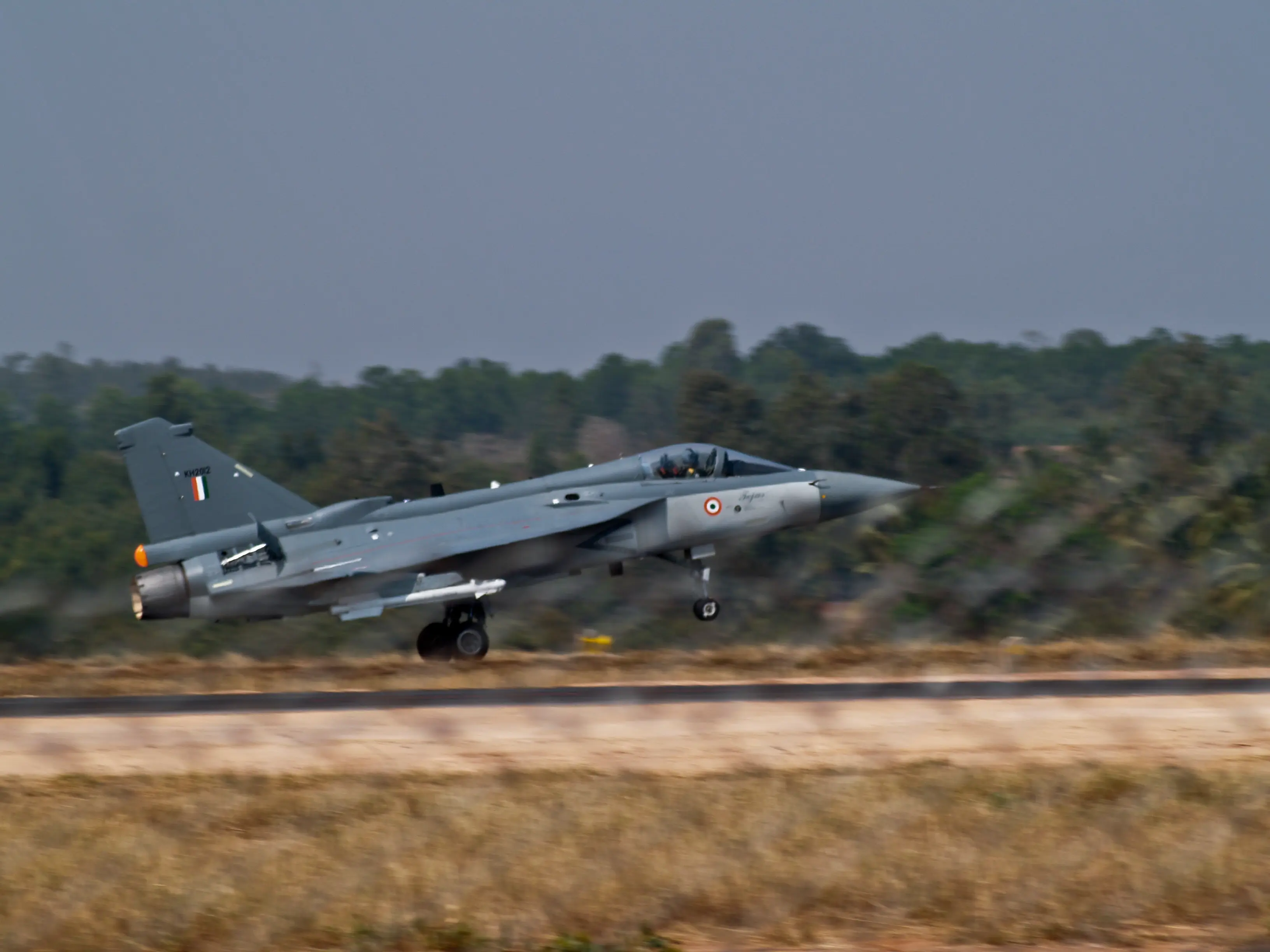
Although Tejas is largely Indian-designed, its powerplant – the General Electric F404 engine, is sourced from the United States. The long-term goal of replacing it with an indigenous powerplant remains part of India’s future fighter development plans. Until then, reliance on the F404, and later the F414 for upgraded variants, ensures continuity in performance while indigenous engine research progresses.
Combat variants are already in production
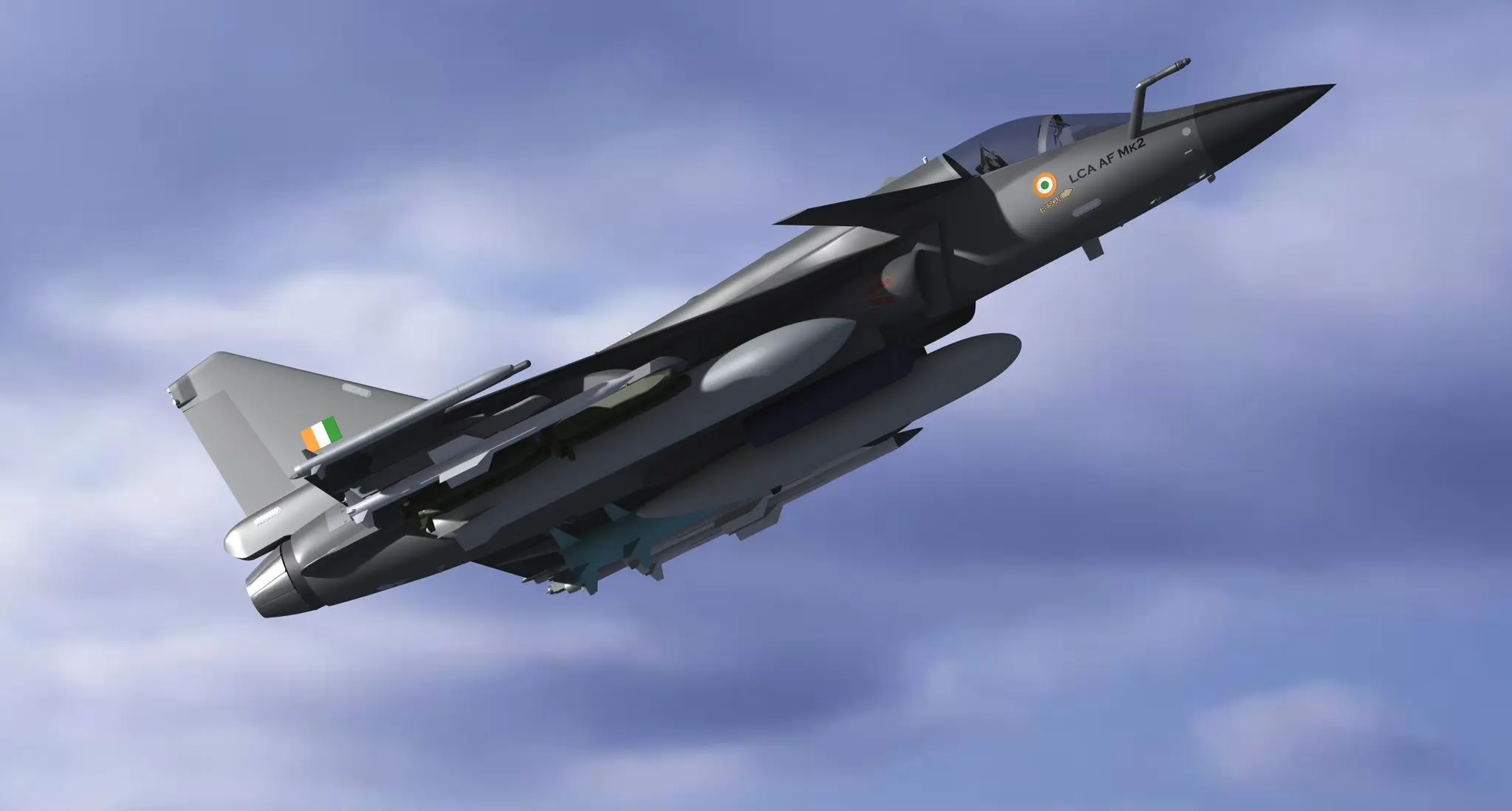
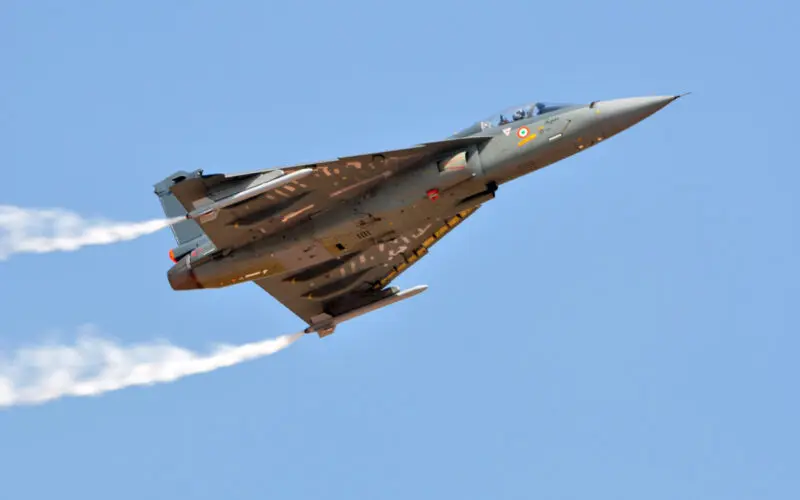
The IAF currently inducts the Tejas Mk-1A variant, which includes upgraded electronic warfare systems, active electronically scanned array (AESA) radar and advanced air-to-air and air-to-ground weapon compatibility. Future variants are planned to include enhanced thrust, payload capacity and range, allowing the aircraft to take on more complex operational roles.
Export interest has strengthened India’s defence diplomacy
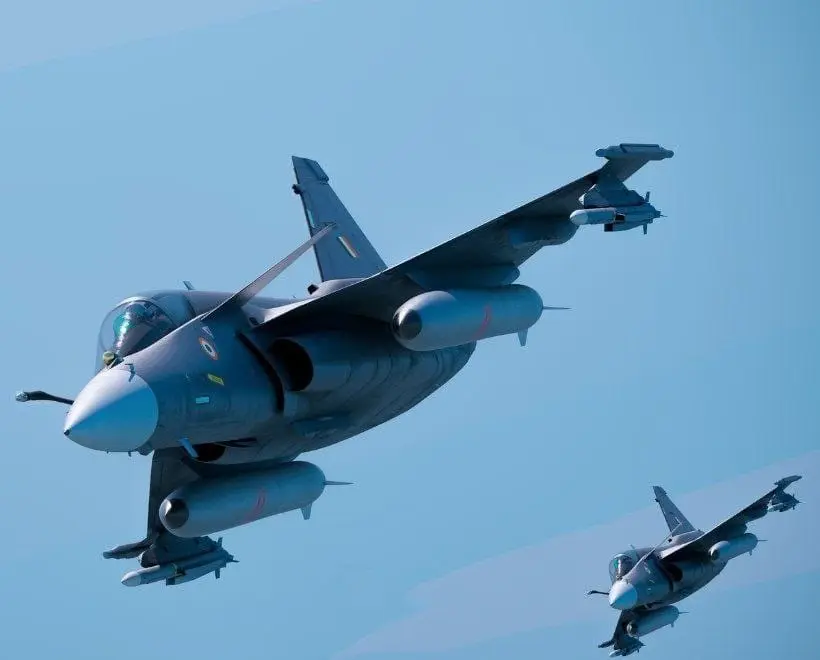
Countries including Argentina, the Philippines, Egypt and Malaysia have assessed the Tejas for potential acquisition. While export negotiations remain ongoing, India has positioned the jet as a cost-efficient option for nations seeking modern capabilities without depending on large Western or Russian fighter programmes. It has already appeared in international exercises and air shows, marking its visibility in the global market.
The crash record remains unusually low for a modern fighter
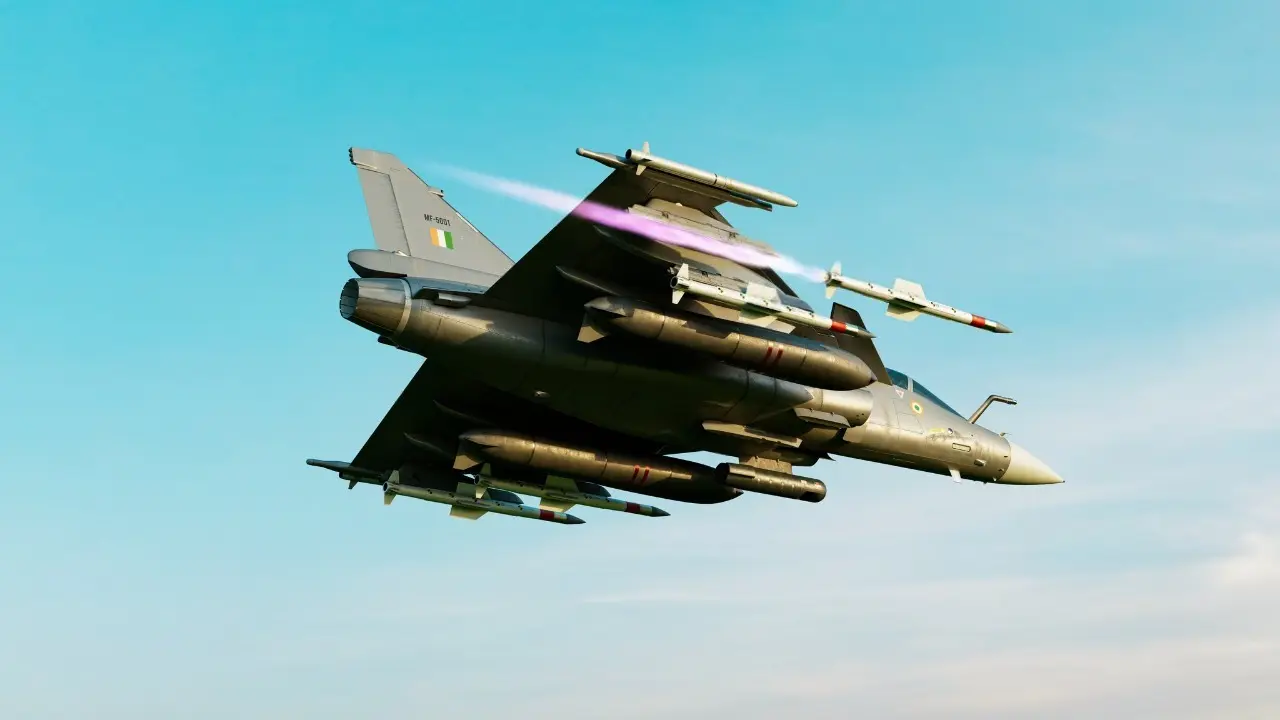
The Tejas programme has conducted thousands of sorties since its first flight in 2001, with one major crash reported in 2024. Its overall safety record remains among the strongest for a fighter still in early service life, reflecting the long development emphasis on flight-control safety and incremental upgrades before full induction.
A platform designed to evolve rather than peak early
Unlike legacy aircraft that enter service in final form, the Tejas has been structured as an evolving programme. The Mk-1A is only the beginning of a multi-step roadmap that includes the Tejas Mk-2 and the more advanced fifth-generation AMCA as successor platforms. For the IAF, the Tejas represents not just a jet in service, but a long-term pathway to domestic fighter manufacturing.
)
)
)
)
)