Tejas, BrahMos, INS Vikrant and more: How far has India really come in achieving self-reliance in defence production?

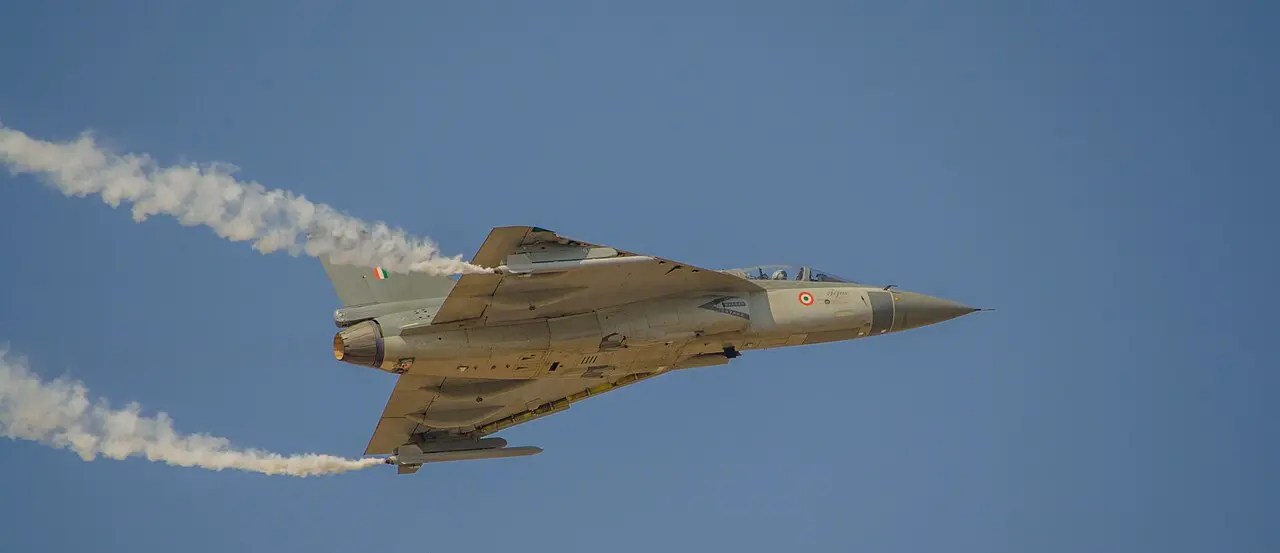
The recent Dubai Airshow crash involving a Tejas demonstration aircraft served as a reminder that building an aerospace and defence ecosystem is not only about design success but also about developing resilient testing, maintenance and support frameworks.
Introduction: A defence shift decades in the making
India’s defence industrial journey has undergone a significant transformation, moving away from chronic import dependence towards a more confident and capable manufacturing ecosystem. Yet the recent Dubai Airshow crash involving a Tejas demonstration aircraft served as a reminder that building an aerospace and defence ecosystem is not only about design success but also about developing resilient testing, maintenance and support frameworks. The incident does not overshadow India’s progress, but it emphasises the learning curve that accompanies the shift from importing to innovating, and the responsibility that comes with projecting domestic systems on the global stage.
Rising production and expanding export footprint
According to the Ministry of defence, India’s domestic defence production reached a record Rs. 1.27 lakh crore in FY 2023-24, a rise of approximately 174 per cent since FY 2014-15. Exports in the same year touched Rs. 21,083 crore, representing a 32.5 per cent growth from the previous year and a roughly 30-fold increase over a decade. These figures reflect the scale of change in India’s defence manufacturing base.
Indigenisation and policy reform
India recorded its highest-ever defence production of Rs. 1.54 lakh crore in FY 2024 25 according to a press release by the Ministry of defence. A decisive shift is evident in procurement patterns: in FY 2024-25 the Ministry of Defence signed 193 contracts worth ~ Rs. 2,09,050 crore, of which 177 contracts valued at ~Rs. 1,68,922 crore were awarded to the domestic industry, approximately 92 per cent of contract value directed to Indian manufacturers. Meanwhile, the proportion of defence equipment manufactured domestically is estimated at around 65 Per cent, up from heavy import-dependence just a few years ago.
Missile systems, rockets and drones in the mix
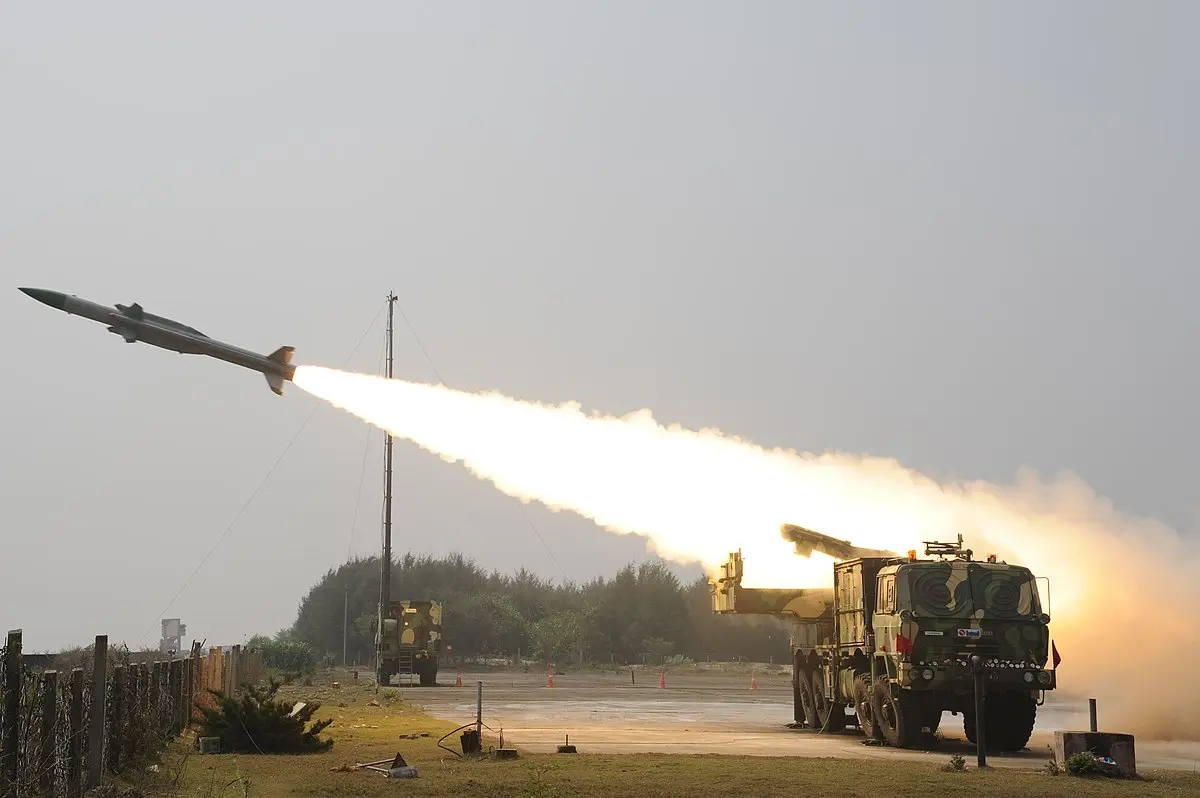
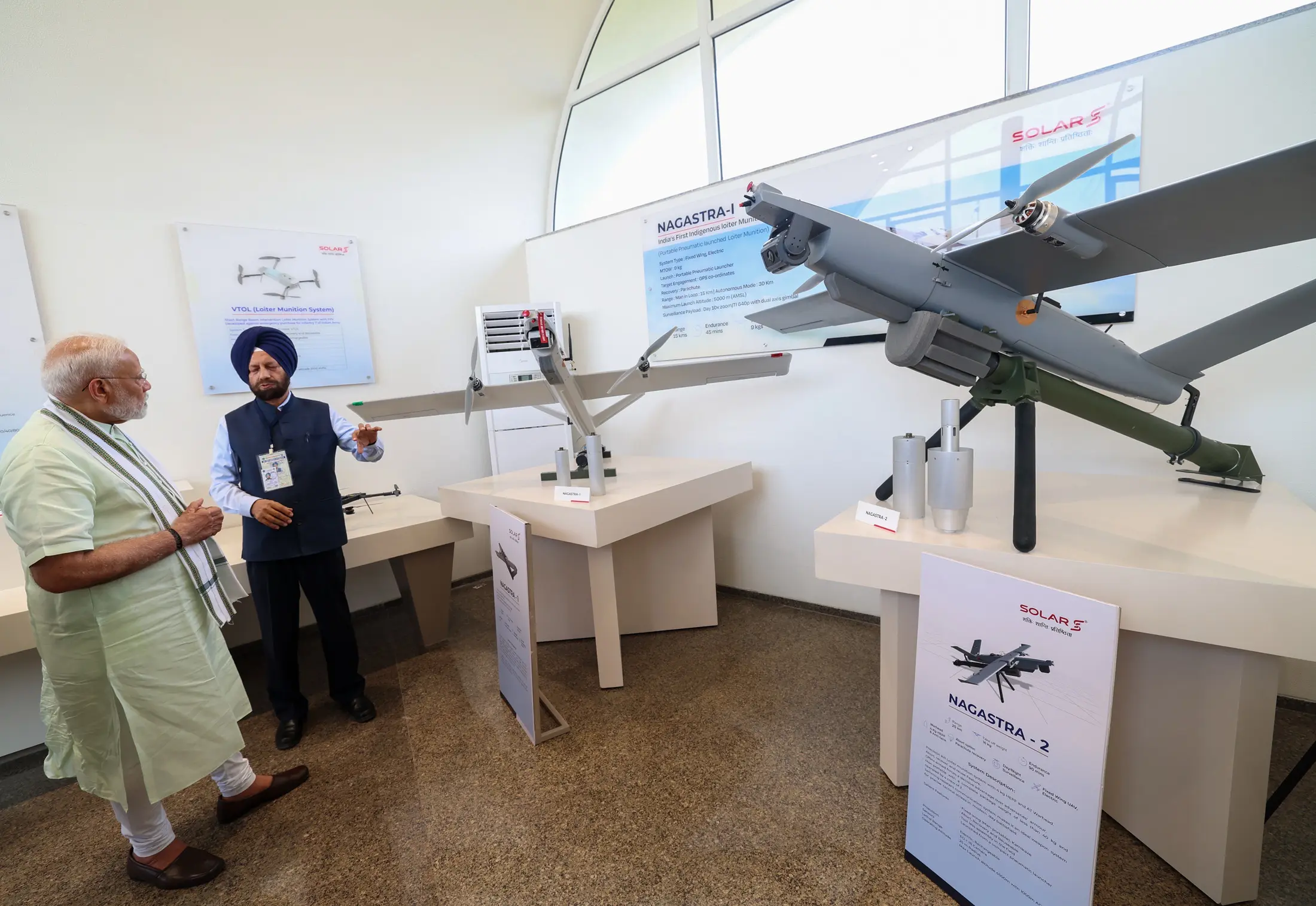
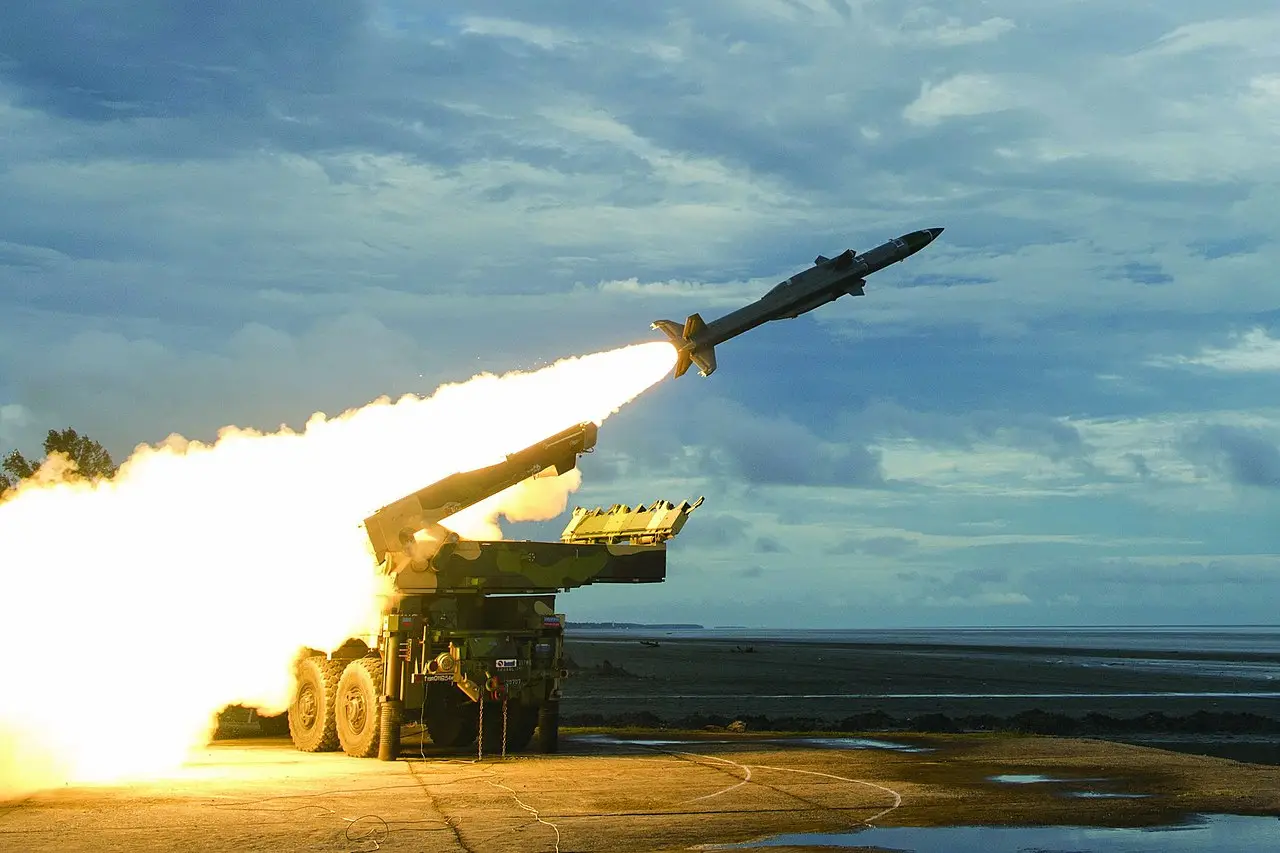
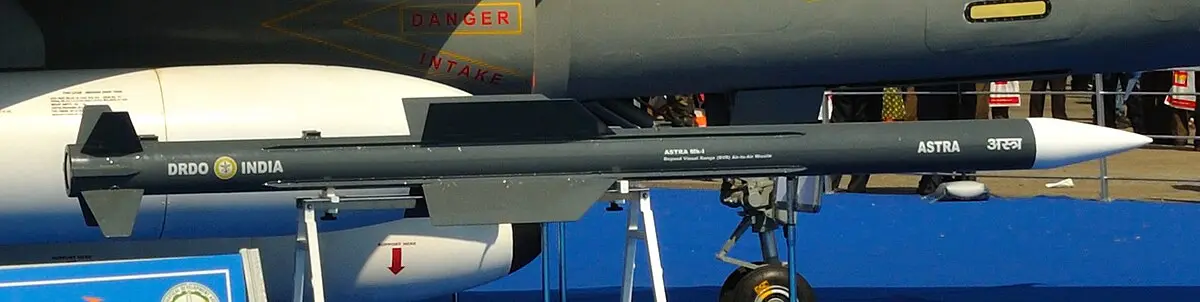
India’s indigenous missile and rocket programmes have strengthened notably. The Akash surface-to-air missile, Astra air-to-air missile, and new tactical ballistic missiles like Pralay illustrate the widening capability. India has several indigenously developed drones that have been or are being deployed with its armed forces, including the Nagastra-1 loitering munition and the SWITCH tactical UAV. Other systems like the Kaala Bhairava and Ghatak are in advanced development or testing phases. The indigenisation of over 14,000 items under initiatives like SRIJAN and more than 3,000 critical components on Positive Indigenisation Lists further demonstrates this expansion beyond just platforms.
Other indigenously developed arms
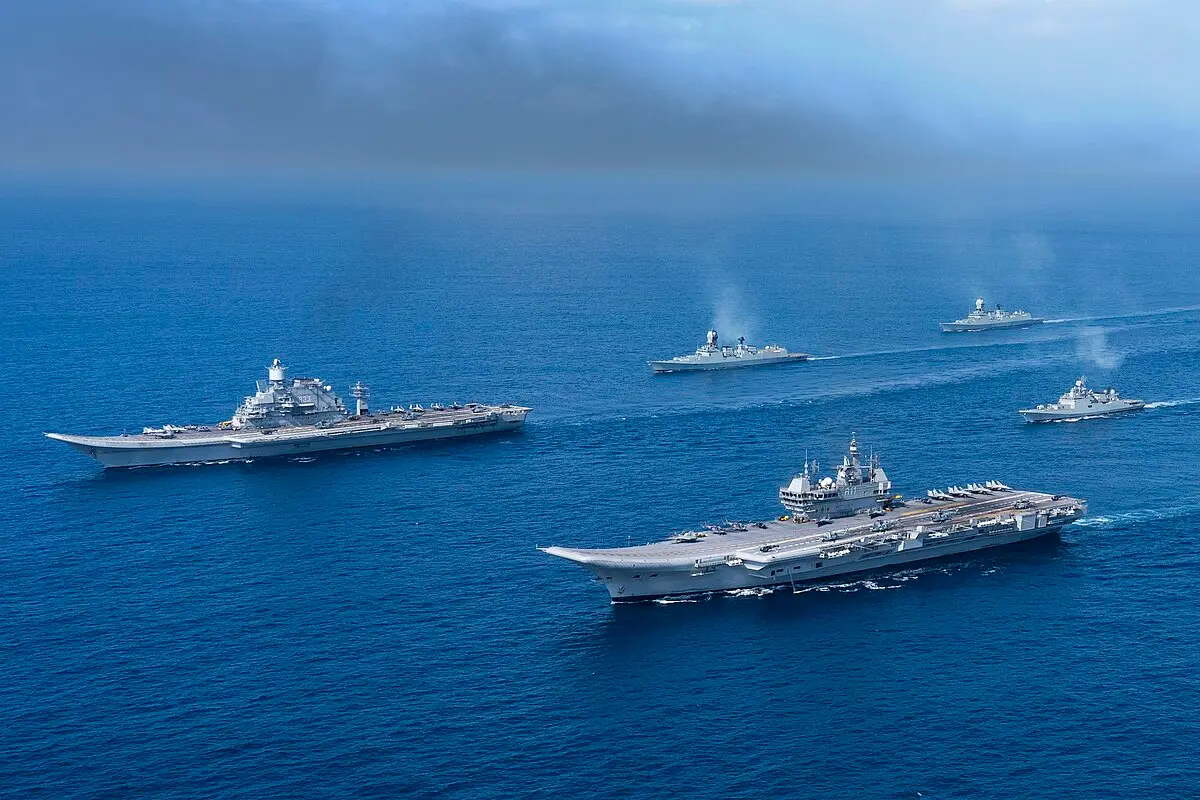
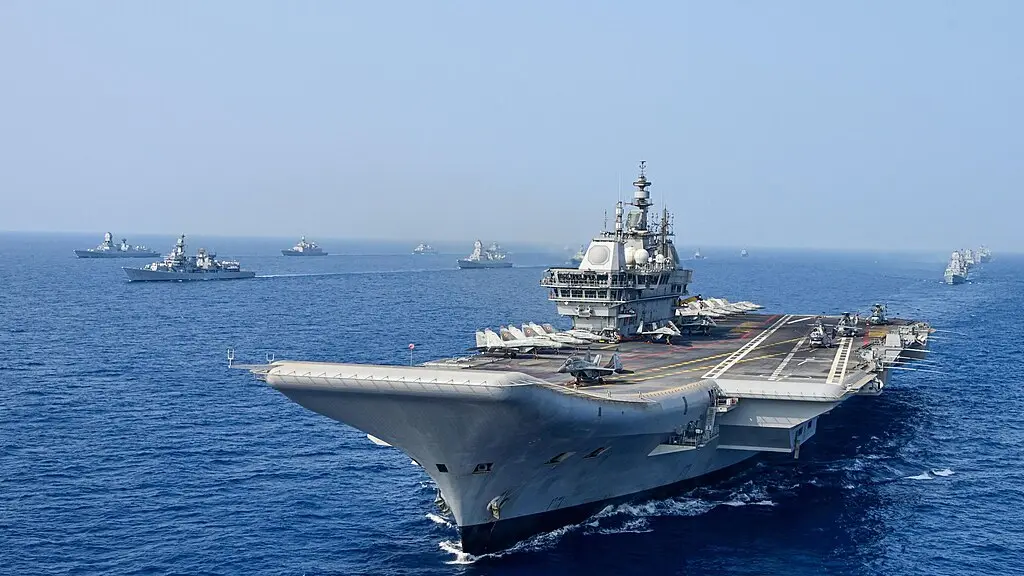
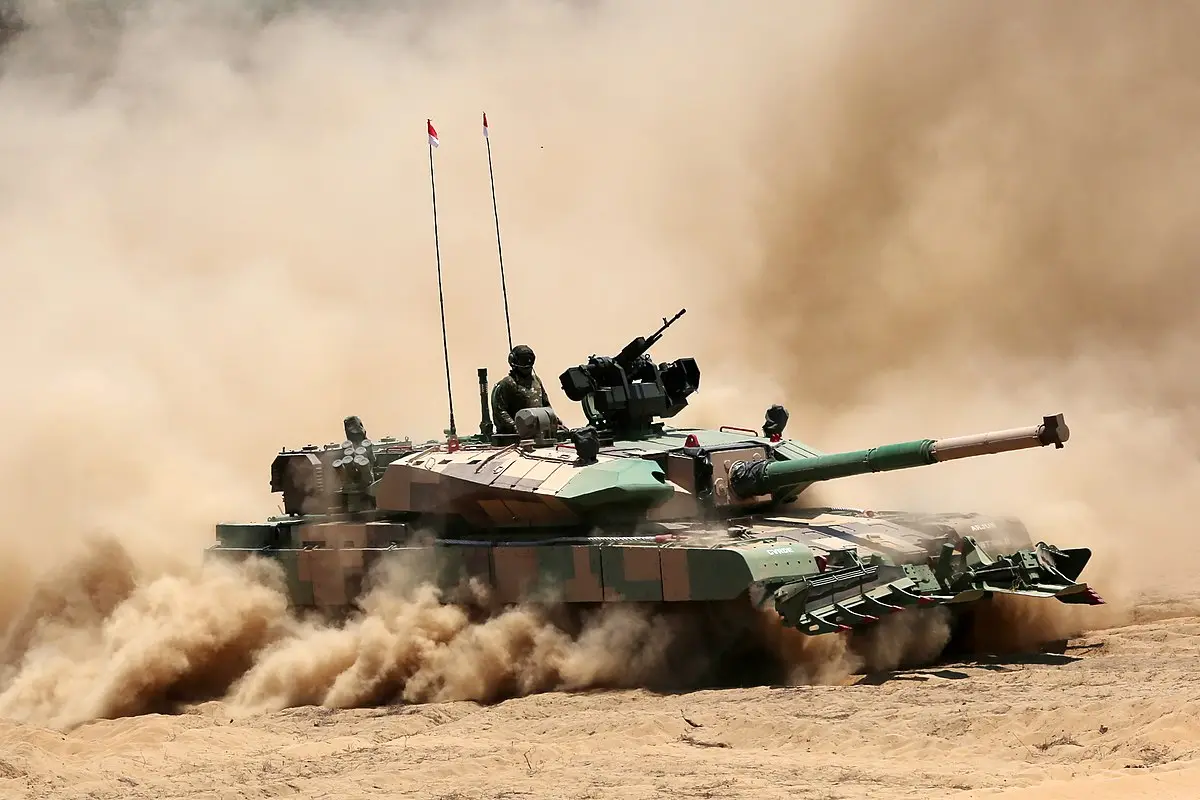
Indigenously developed platforms are now entering frontline service in notable numbers. Systems such as the Pinaka rocket system, Light Combat Aircraft Tejas, Arjun Mk-1A tank, INS Vikrant and various naval platforms including destroyers and submarines represent a turning point: India is no longer only building for export or display, but for its own operational requirements. Large-scale deployment is one of the strongest markers of industrial maturity.

Operational validation: lessons from Operation Sindoor
One of the most compelling demonstrations of India’s defence indigenisation came during Operation Sindoor. The armed forces deployed a range of domestically developed systems, including indigenous air-defence, missile and surveillance platforms, proving that locally manufactured equipment is not limited to ceremonial or experimental status. It showed that India’s defence industry is now capable not only of producing major assets, but of integrating and sustaining them in live operational environments.
Private sector and emerging ecosystem
The defence manufacturing ecosystem is now extending into the private sector, with start-ups and MSMEs participating in propulsion, electronics, composites and autonomous systems. The policy framework supports this broader participation through 'Make', category projects and enhanced funding support. This diversification is vital for scaling production and enhancing competitiveness.
Challenges and capability gaps remain
Despite considerable advancement, India continues to depend on imports for key technologies such as high-performance engines, advanced sensors, special alloys and certain electronics. Production delays, supply-chain bottlenecks and scaling from prototype to serial manufacture remain key hurdles. Bridging these gaps will determine whether India can claim full self-reliance.
Conclusion: Momentum, milestones and road ahead
India has undeniably made substantial progress: production has soared, exports are growing, indigenous deployment is rising, and policymaking is aligned with self-reliance goals. Yet full autonomy in defence production demands more than quantity, it requires mastery of critical technologies, reliable manufacturing pipelines, and global-standard after-sales support. With targets of Rs. 3 lakh crore in production and Rs. 50,000 crore in exports set for 2029, the next few years are crucial. India’s journey from importer to global defence player is underway, but the final mile still demands focus, investment and strategic execution.
)
)
)
)
)