Technology fighting toxic air: Delhi’s use of AI and IoT in pollution monitoring and management

Delhi uses AI and IoT technologies for real-time pollution monitoring and forecasting. Smart sensors and AI-driven systems help predict pollution spikes and identify sources, aiding timely actions to protect public health. Improvements aim at better accuracy and preventive measures.

AI and IoT in Air Quality Monitoring
Delhi’s pollution monitoring relies on AI algorithms and IoT sensors. These smart devices continuously track pollutants like PM2.5, PM10, and nitrogen dioxide, providing real-time data to authorities to identify pollution hotspots rapidly.
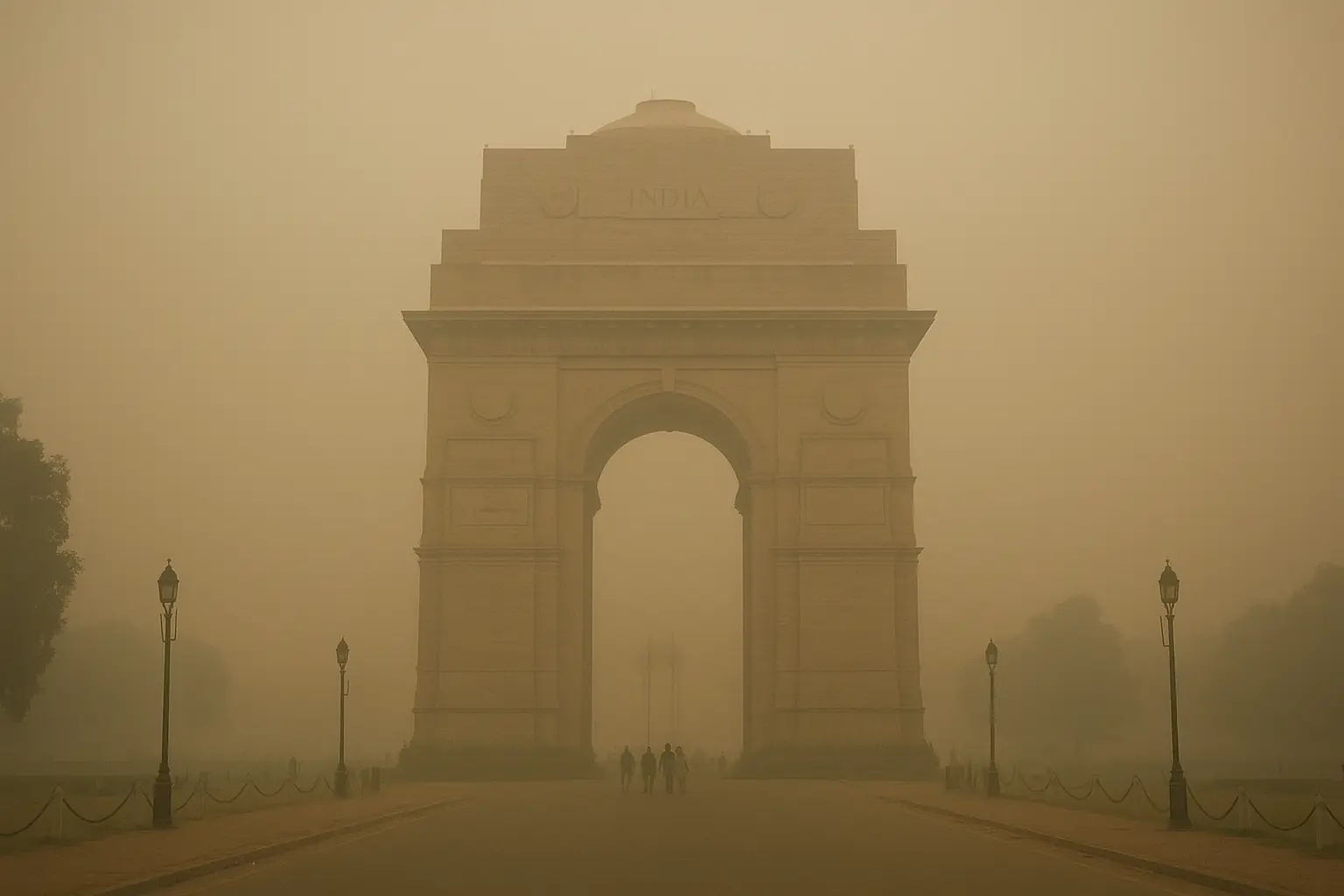
Air Quality Early Warning System
The Air Quality Early Warning System (AQEWS) uses AI to forecast pollution spikes up to 10 days in advance. It accurately predicted over 80% of ‘very poor and above’ air quality days in Delhi during 2023--25 winters, enabling preemptive action.
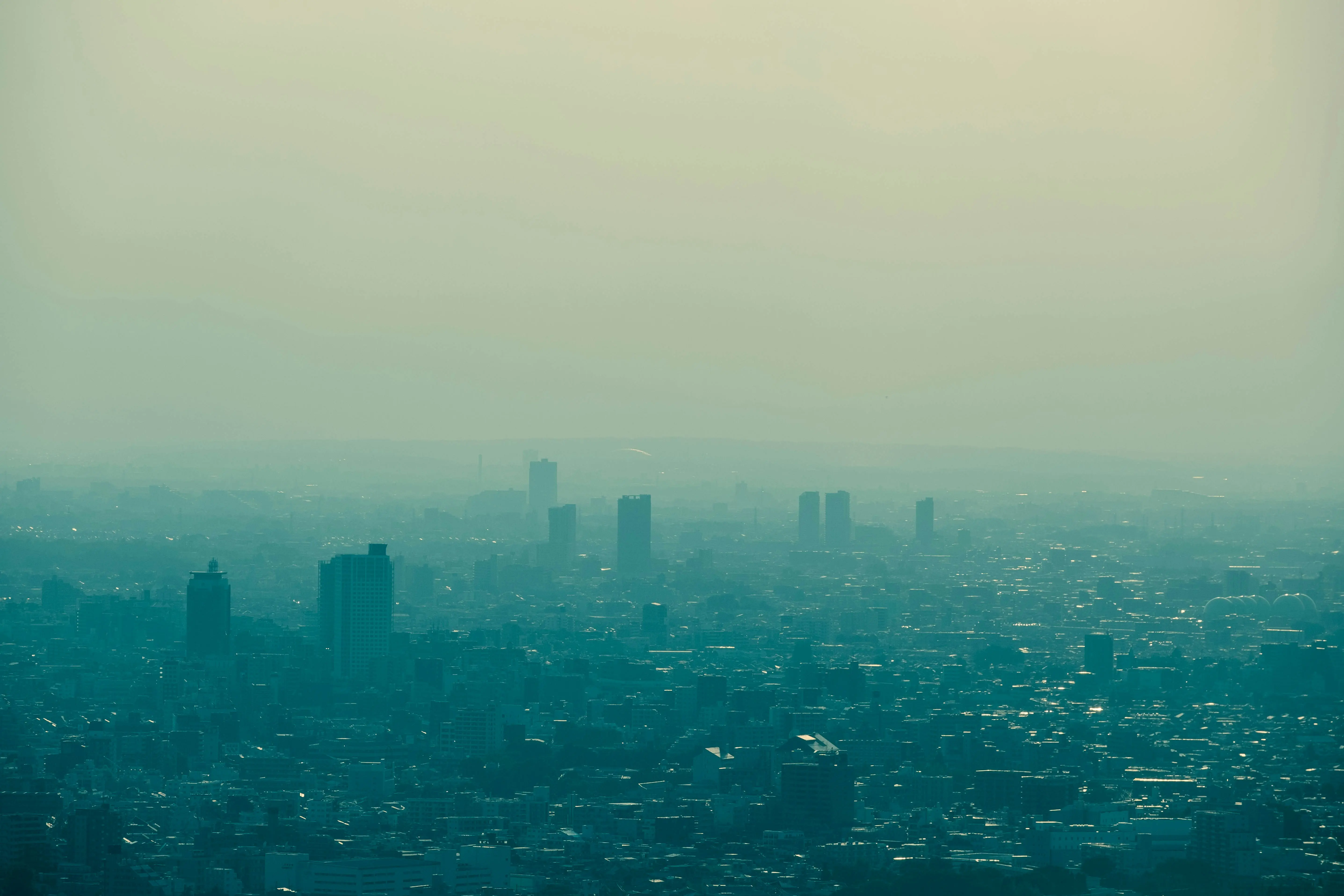
Decision Support System (DSS) for Pollution Sources
DSS uses historical data and AI to identify pollution sources in Delhi, such as vehicles, industries, and crop burning. This helps target enforcement and policy measures more effectively, especially during severe pollution episodes.
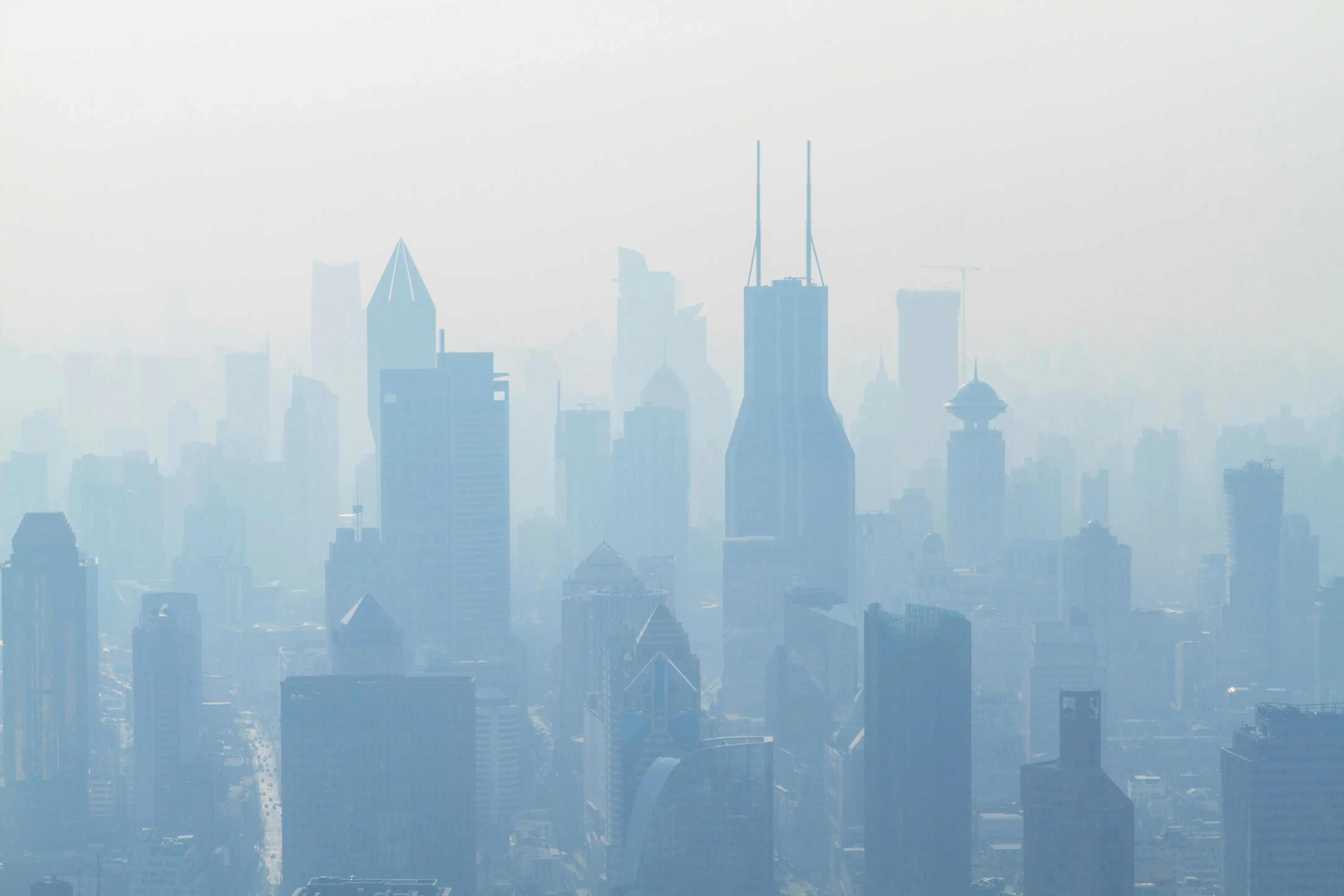
Real-Time Sensor Networks
IoT-enabled continuous ambient air quality monitoring stations (CAAQMS) are installed across Delhi. These wireless sensors collect detailed pollutant data, allowing authorities to track changing air quality and respond quickly.
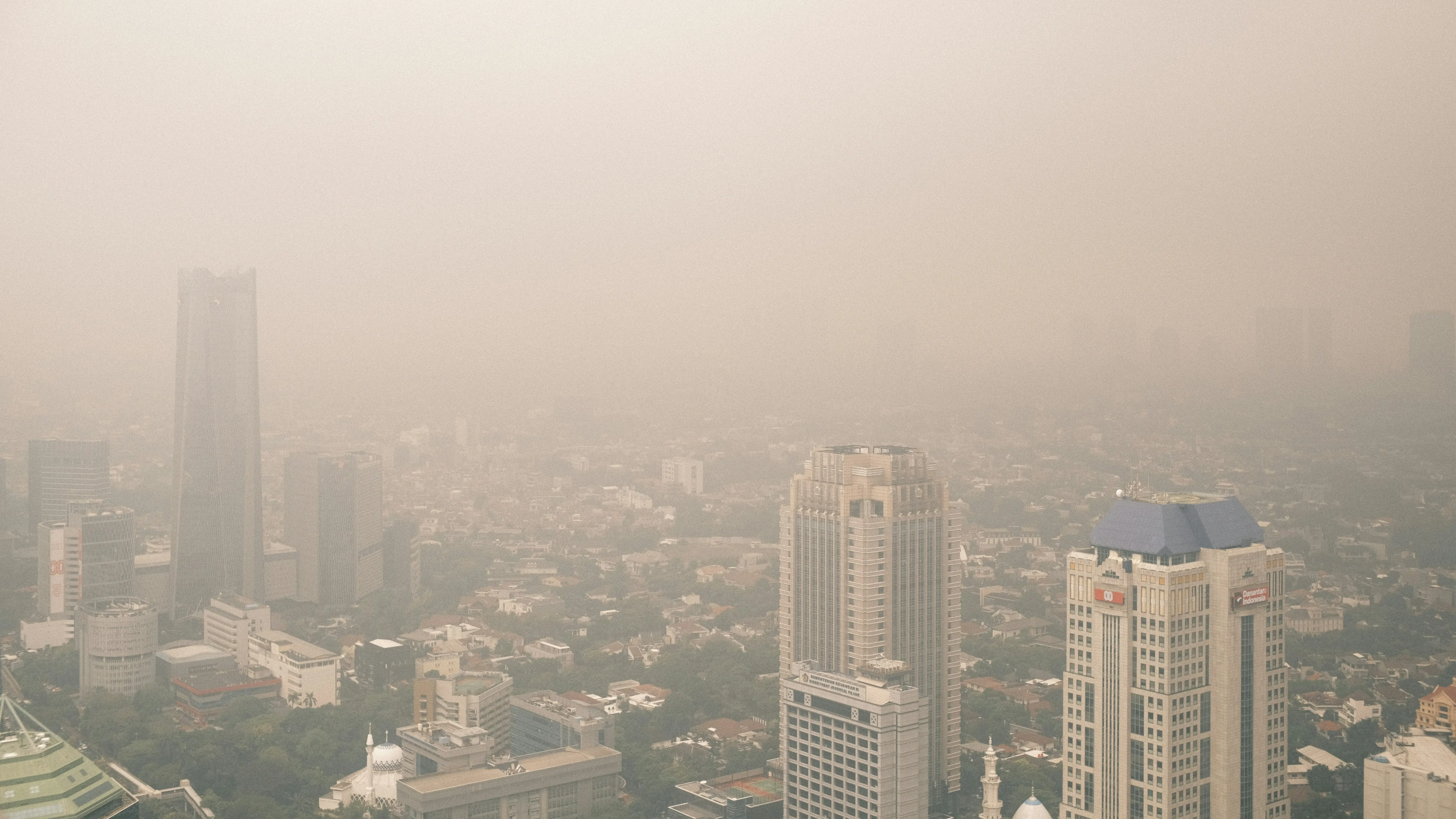
Data Dashboards and Public Access
Delhi provides online air quality dashboards with live data from sensors. These platforms increase transparency and help residents make informed decisions about outdoor activities during pollution spikes.
Challenges in Forecasting and Management
Despite improvements, Delhi’s AI systems accurately predict only a portion of severe pollution days. Limitations include outdated emission inventories and the need for better integration of neighbouring areas’ data. Continuous upgrades are needed.
Future Tech and Policy Developments
Plans include updating emission inventories, expanding sensor networks, and integrating AI models for year-round forecasting. These improvements aim to shift Delhi from reactive pollution control to proactive prevention, supporting the National Clean Air Programme.
)
)
)
)
)