Tata Sierra ADAS explained: How advanced is its safety tech really?

Tata Sierra offers Level 2 ADAS with advanced safety features. Accomplished variant includes 13 core features like adaptive cruise control and autonomous emergency braking. Top Accomplished Plus adds 9 features, including blind spot monitor and rear cross traffic alert. Total 22 safety.

Understanding ADAS Technology
ADAS stands for Advanced Driver Assistance Systems. This technology uses multiple sensors and cameras around the vehicle. These sensors continuously scan the road and surroundings. The system detects potential dangers including other vehicles and pedestrians. Computer analysis processes sensor information in real time. The system provides warnings or takes actions automatically. ADAS cannot drive the vehicle alone, hence the term assistance rather than automation. The driver remains responsible but receives active help.

Level 2 ADAS Explained
Level 2 ADAS allows the vehicle to control both acceleration and steering. The driver must remain attentive and can take control at any time. Level 2 represents advanced assistance but not full automation. The Tata Sierra achieves Level 2 certification. Current technology limits prevent higher levels without extensive testing. Level 2 requires driver engagement and attention to the road.
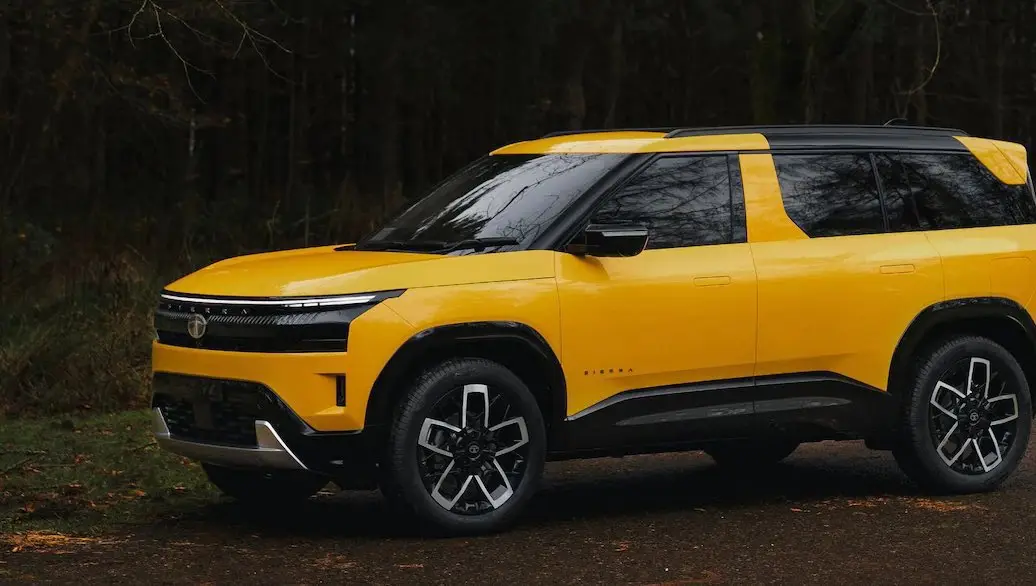
Adaptive Cruise Control With Stop-And-Go
Adaptive cruise control keeps constant distance from the vehicle ahead. The system accelerates and decelerates automatically maintaining the gap. Stop-and-go functionality brings the vehicle to complete stop in traffic. The system resumes speed when traffic ahead moves. Drivers set desired distance and speed preferences. This feature reduces fatigue during highway driving and city traffic. The system uses radar sensors measuring distance to vehicles ahead.
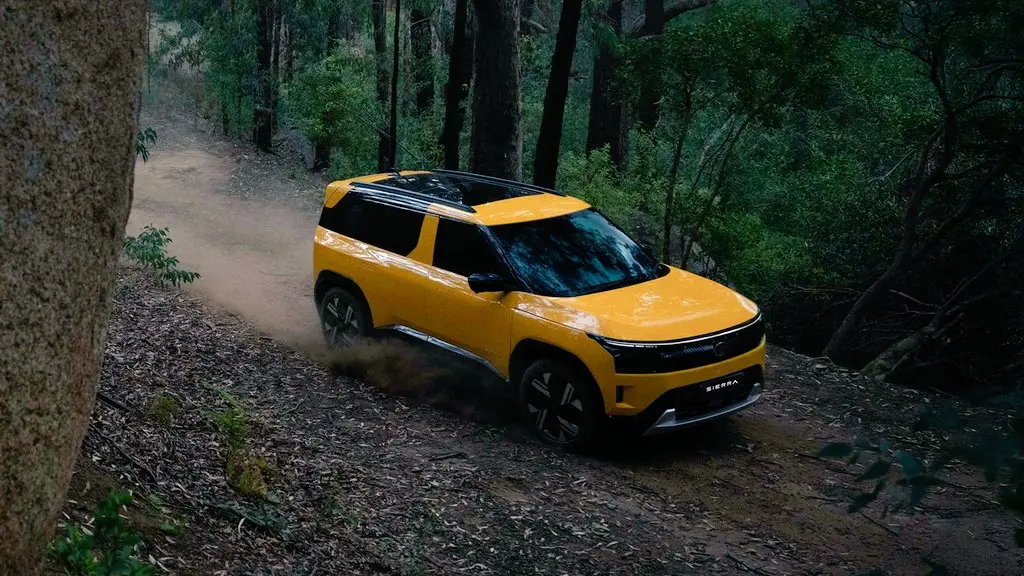
Autonomous Emergency Braking System
Autonomous emergency braking activates without driver input when collision detected. The system uses cameras and radar identifying pedestrians, cyclists, and vehicles. Upon detection of imminent collision, the system applies full braking force. This happens within milliseconds faster than human reaction time. Testing shows forward collision prevention reduces crashes by approximately 29 per cent. The Sierra's AEB works at various speeds from city traffic to highway speeds. Multiple sensors provide redundancy ensuring system reliability.
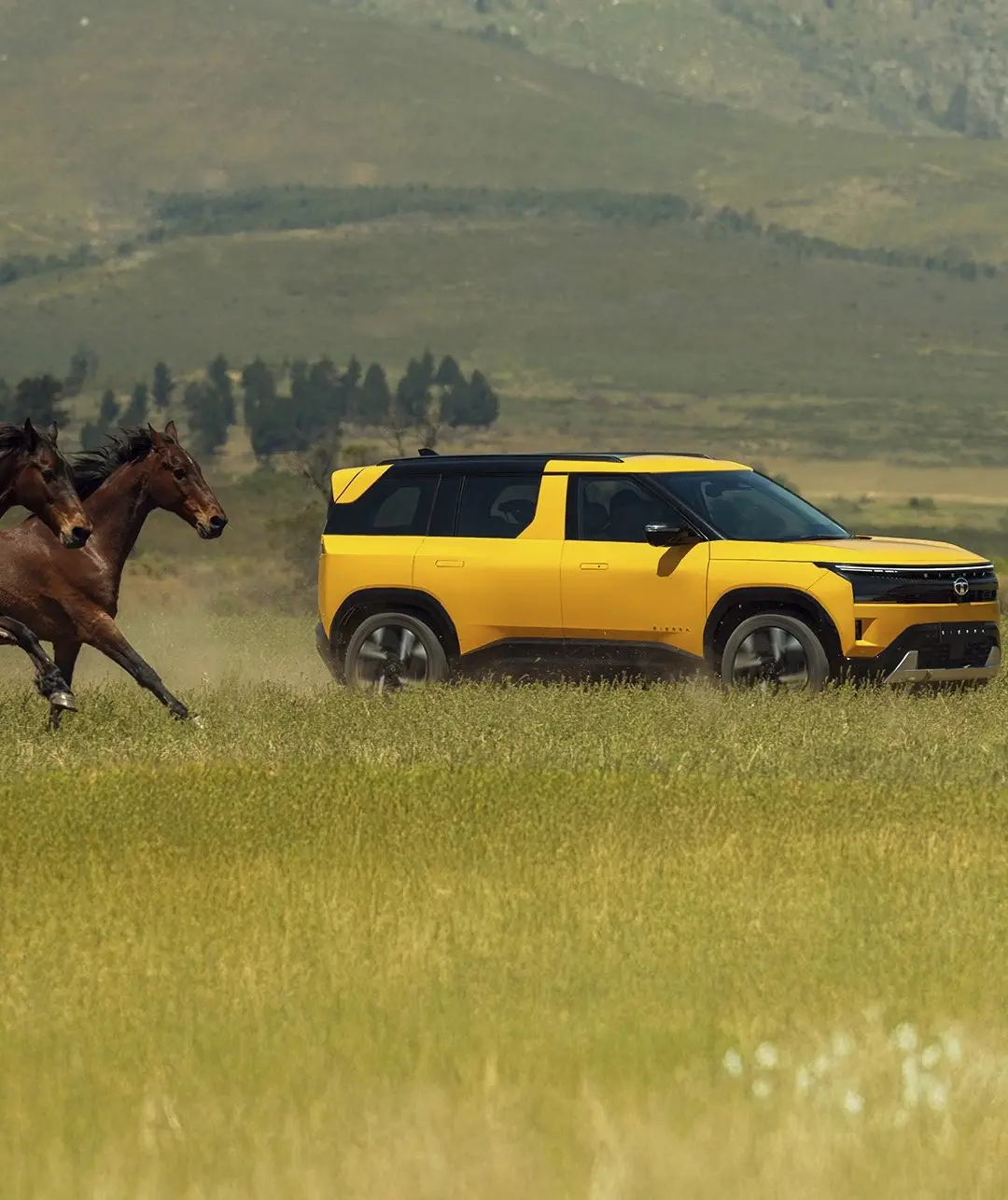
Lane Keep Assist And Departure Warning
Lane keep assist uses cameras reading white lane markings. Image processing algorithms calculate vehicle position within the lane. If the vehicle drifts unintentionally, steering correction activates. The system provides gentle steering inputs keeping the vehicle centred. Lane departure warning alerts drivers before drifting occurs. Testing indicates lane keeping assistance reduces crashes by approximately 19 per cent.
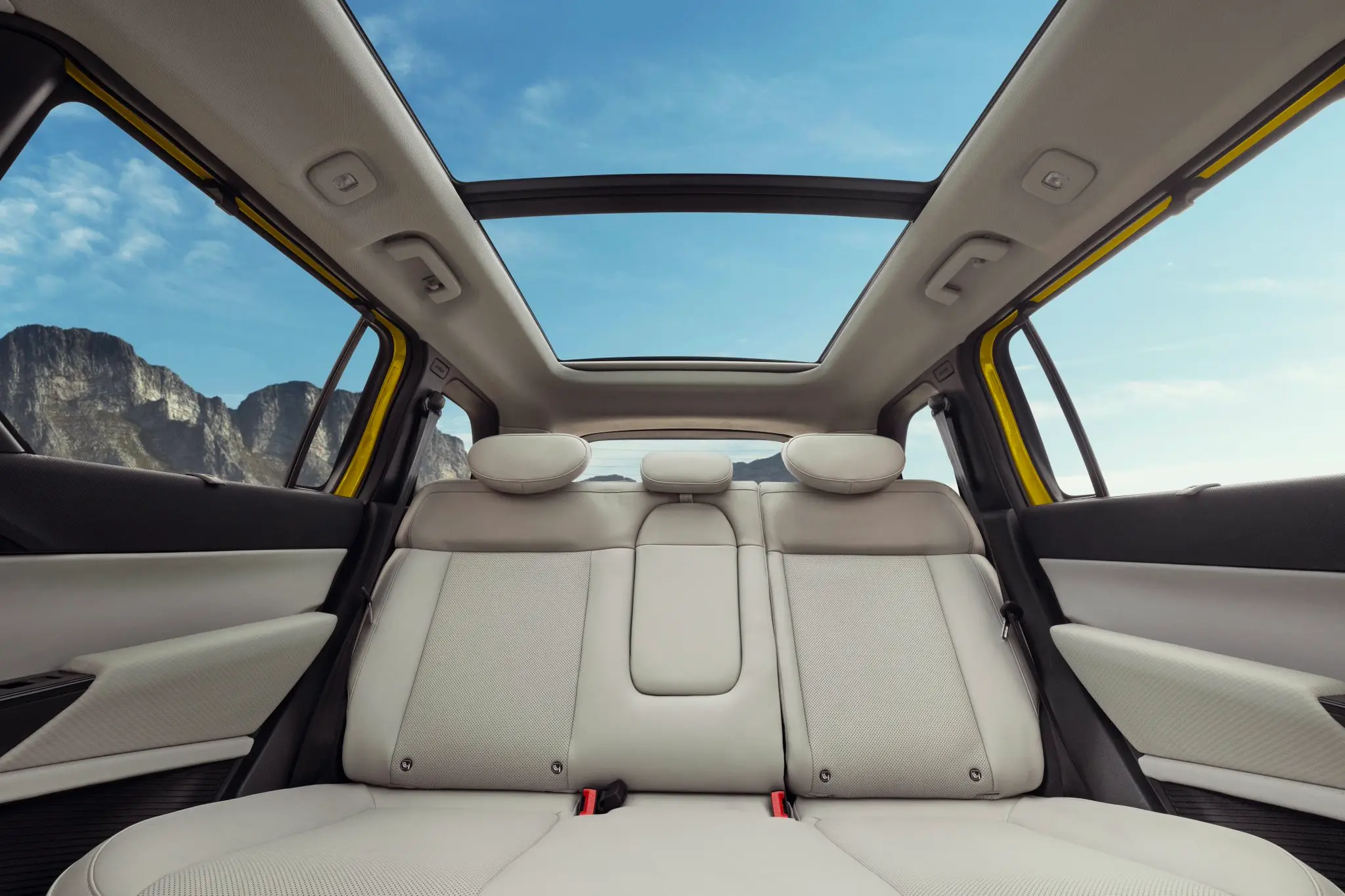
Blind Spot And Rear Cross Traffic Monitoring
Blind spot monitor uses rear-mounted sensors detecting vehicles alongside the vehicle. When the driver activates turn signals, camera feed displays blind spot areas. Visual warning lights illuminate on mirrors if vehicles detected. The system provides audible warnings if drivers attempt lane change into danger. Rear cross traffic alert activates during reverse operations. This feature detects approaching vehicles from side angles during reversing. Testing suggests blind zone detection reduces crashes by approximately 9 per cent. These features significantly improve parking and lane change safety.
360-Degree Camera And Traffic Sign Recognition
The Sierra includes a 360-degree surround view camera system. This provides multiple viewing angles including 3D views for parking. Traffic sign recognition reads speed limit signs automatically. The system alerts drivers if current speed exceeds posted limits. Higher variants include intelligent speed assist syncing with navigation data. The system learns routes and adjusts warnings accordingly. Electronic stability control combines with these systems providing comprehensive protection. Future updates may expand automatic speed limiting capabilities.
)
)
)
)
)