Target locked? How satellites can help the USS Abraham Lincoln set its primary targets in Iran

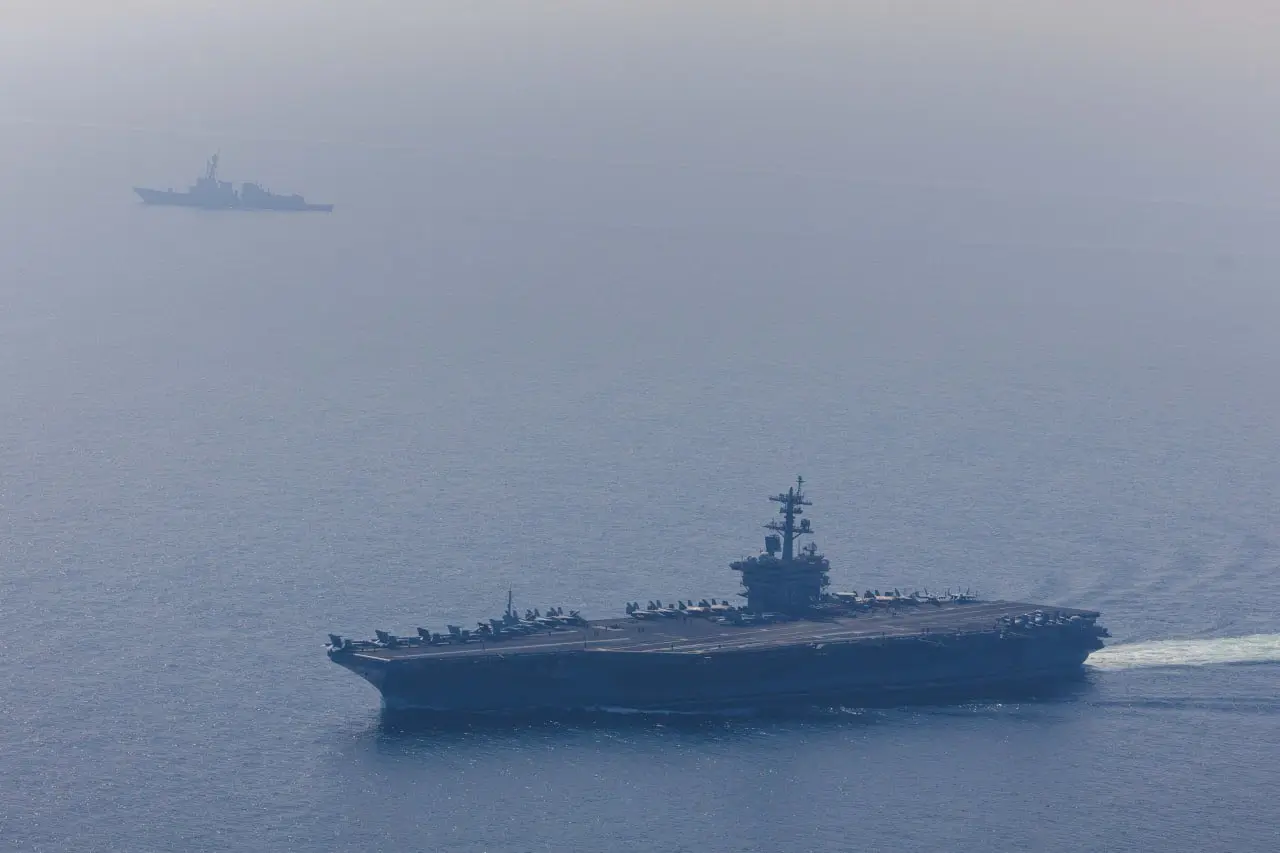
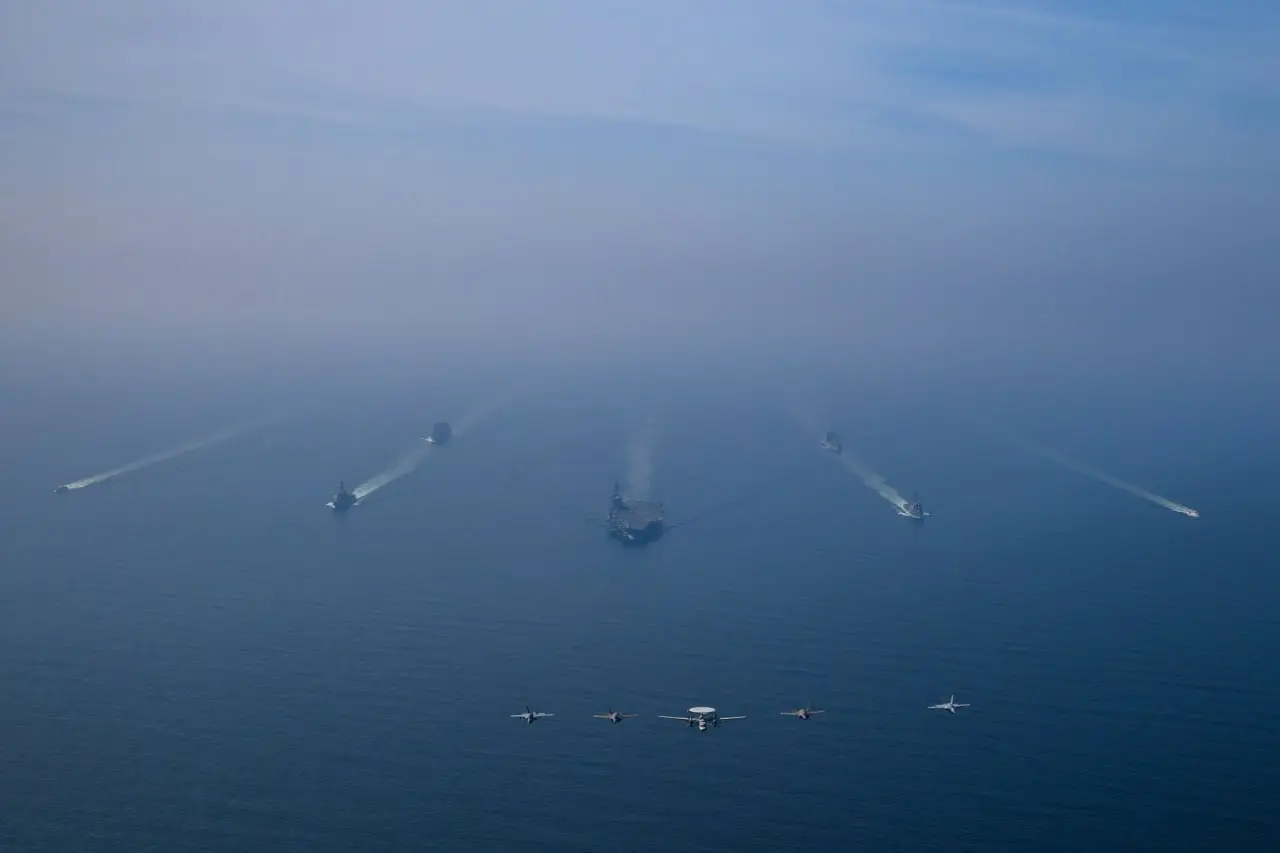
The USS Abraham Lincoln Carrier Strike Group relies on a sophisticated network of US spy satellites to identify targets long before its aircraft launch. From capturing high-resolution images to intercepting radar signals, these space-based assets provide the critical data needed.
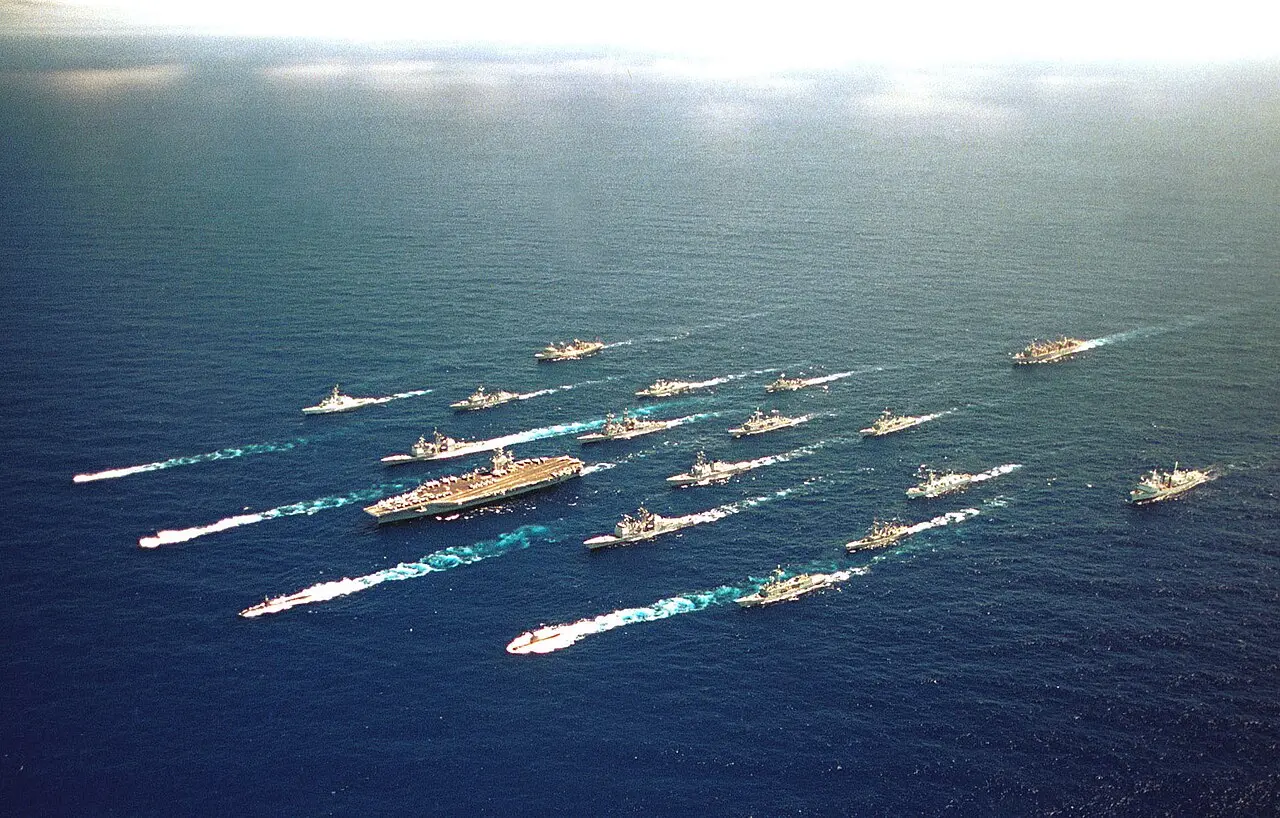
High-Resolution Optical Spying
US Keyhole (KH-11) satellites can capture images with a resolution of less than 10 centimetres. These 'eyes in the sky' allow naval intelligence to identify specific vehicle types or weapon systems inside Iranian bases.
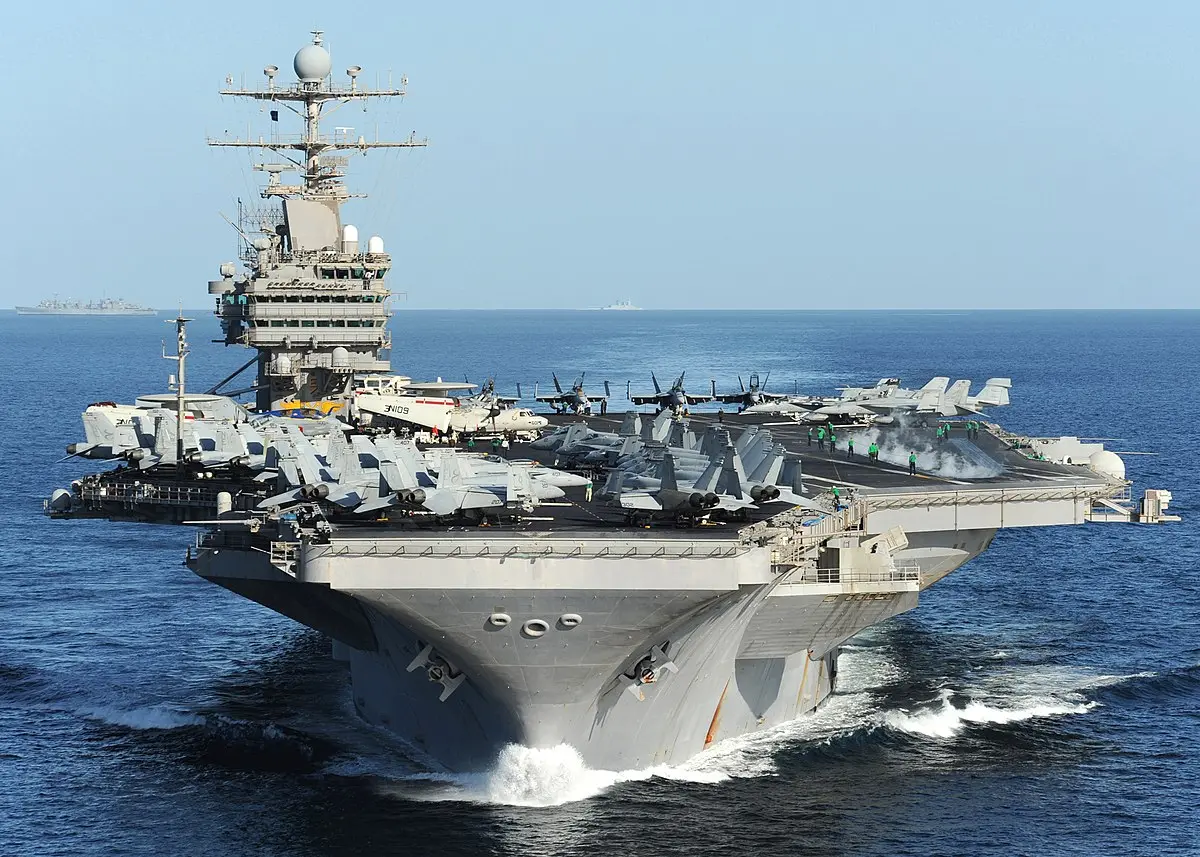
Seeing Through Clouds and Night
Optical cameras fail in bad weather, so the US uses Synthetic Aperture Radar (SAR) satellites like the 'Topaz'. These systems can see through thick clouds, smoke, and total darkness to track moving targets on the ground 24/7.
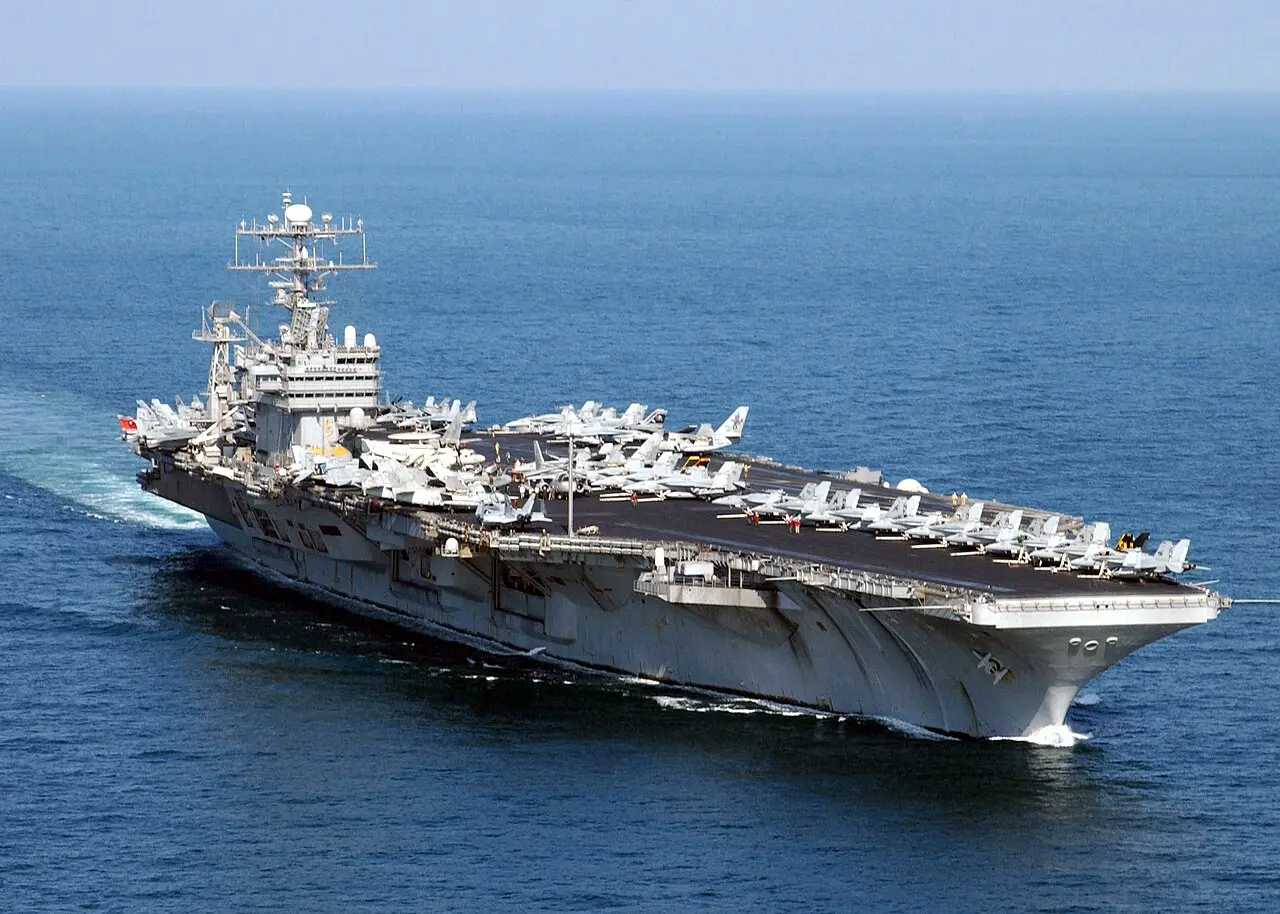
Detecting Enemy Radar Signals
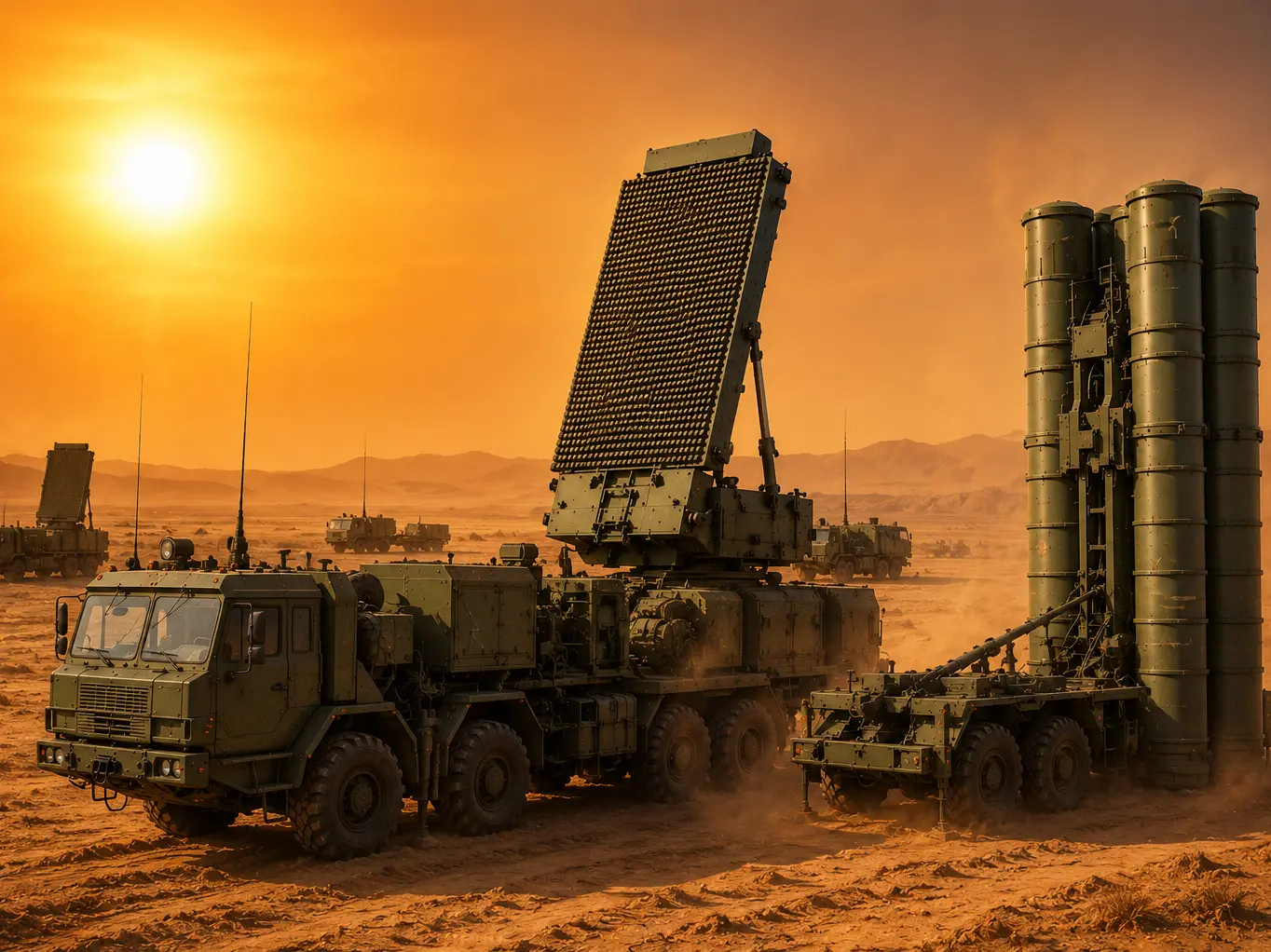
Electronic intelligence (ELINT) satellites intercept the invisible signals emitted by Iranian air defence radars. This data helps the USS Abraham Lincoln’s pilots know exactly where active surface-to-air missile sites are located.
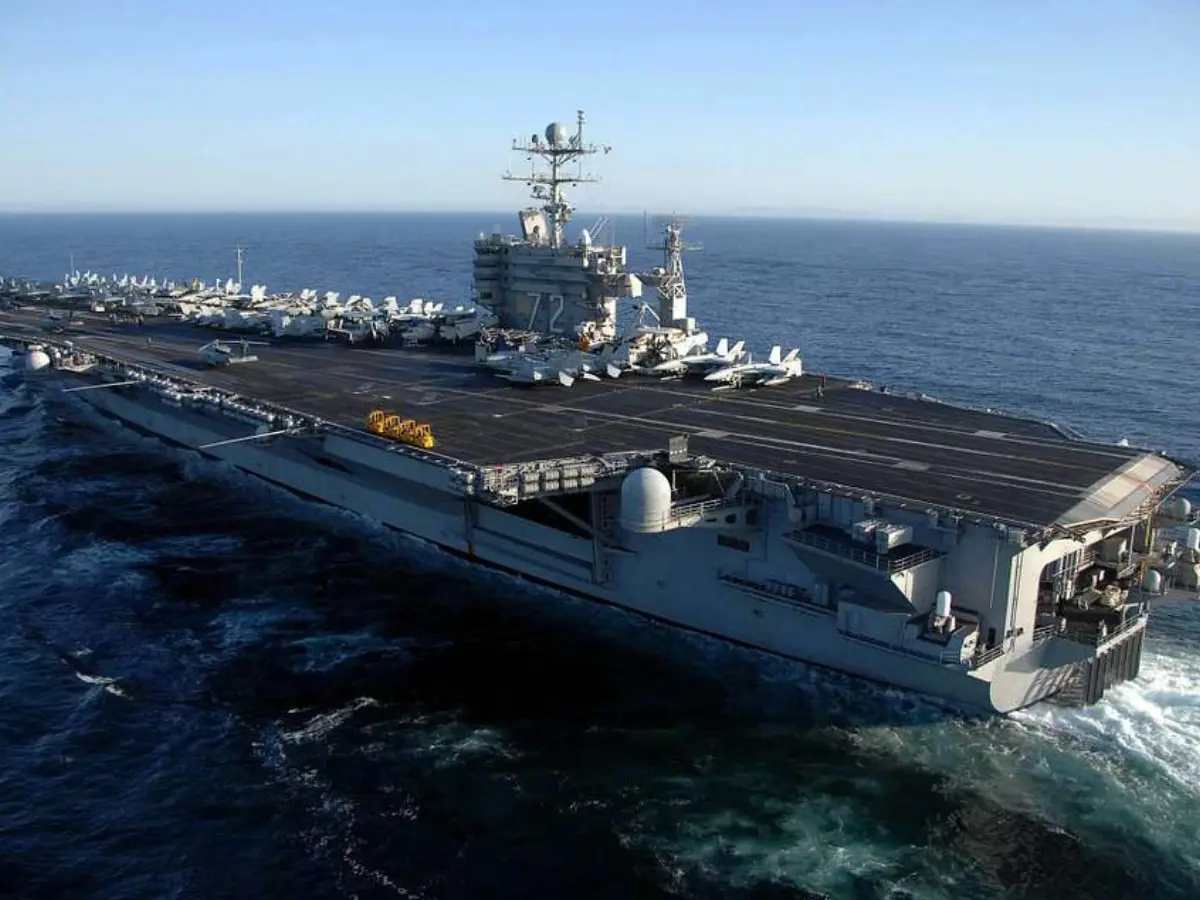
Tracking Heat Signatures
The Space-Based Infrared System (SBIRS) satellites detect the immense heat plume of a missile launch instantly. If Iran fires a ballistic missile, this network warns the carrier group within seconds to activate its defences.
Eavesdropping on Communications
Massive Signals Intelligence (SIGINT) satellites, such as the Orion class, intercept encrypted radio and phone chatter. This allows US commanders to understand Iran's military intent and command structure before ordering a strike.
Real-Time Data Links
Satellites do not just watch; they transmit massive target data files to the carrier via secure, high-speed links. The USS Abraham Lincoln receives updated target coordinates even while its F-35C jets are already in the air.
Post-Strike Damage Assessment
After a strike, satellites pass over the target zone again to perform Bomb Damage Assessment (BDA). This critical step confirms if the target was destroyed or if a second wave of strikes is required.
)
)
)
)
)