‘Tank evolution’: How Russian tank design shaped modern warfare

Russian tank design has rapidly evolved to counter modern battlefield threats, specifically drone swarms. With the T-14 Armata delayed, Russia is heavily upgrading its T-90M fleet and launching the new T-90M2 Ryvok-1 in 2026 with advanced Arena-M active protection systems.
Frontline Feedback
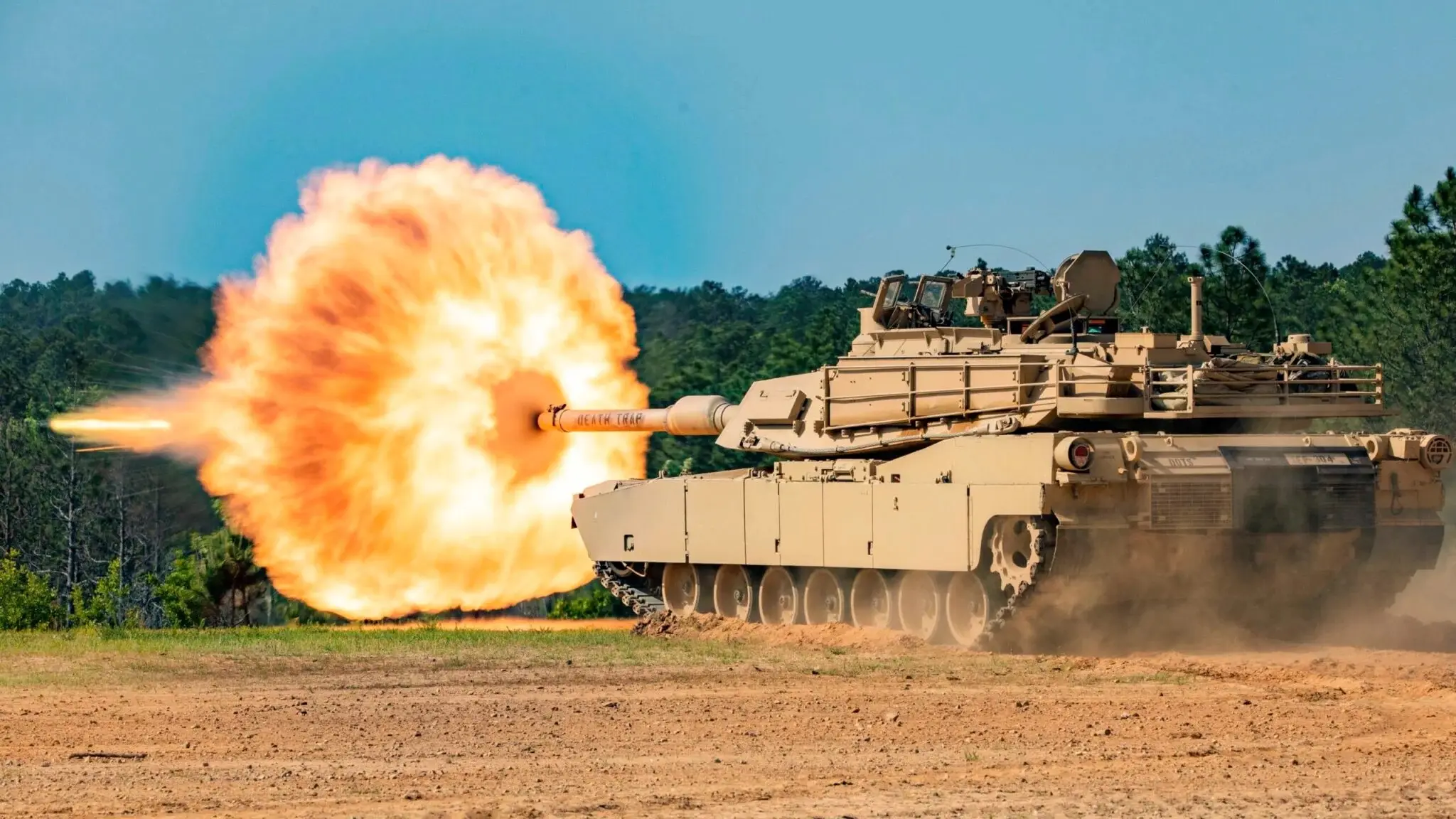
Russian tank design has shifted dramatically based on intense combat experience in Ukraine. Manufacturers are now prioritising immediate battlefield survivability over traditional armoured warfare concepts.
The T-90M Workhorse
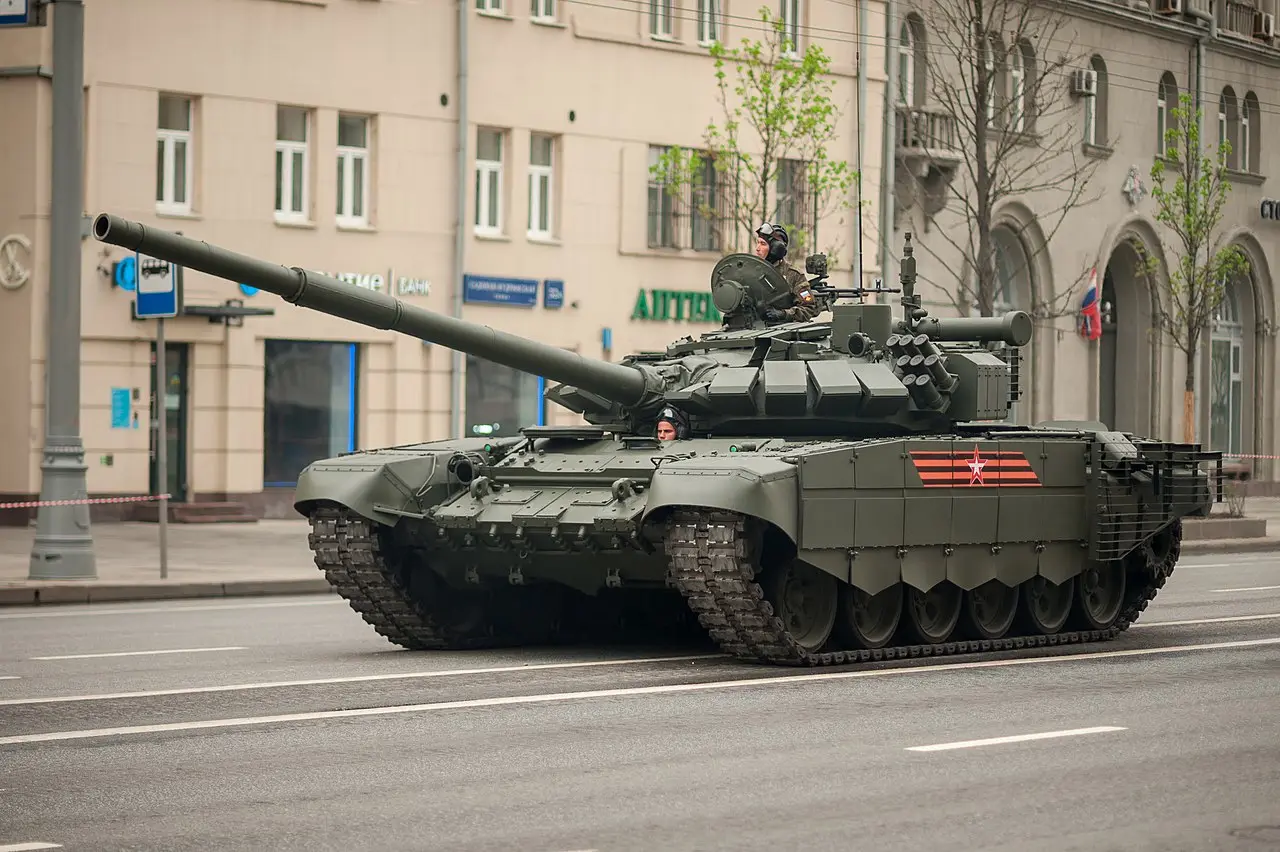
With the next-generation T-14 Armata facing ongoing delays, the heavily upgraded T-90M remains Russia's primary battle tank. The military is investing heavily to continuously modernise this proven platform for modern combat.
Defeating Drone Swarms
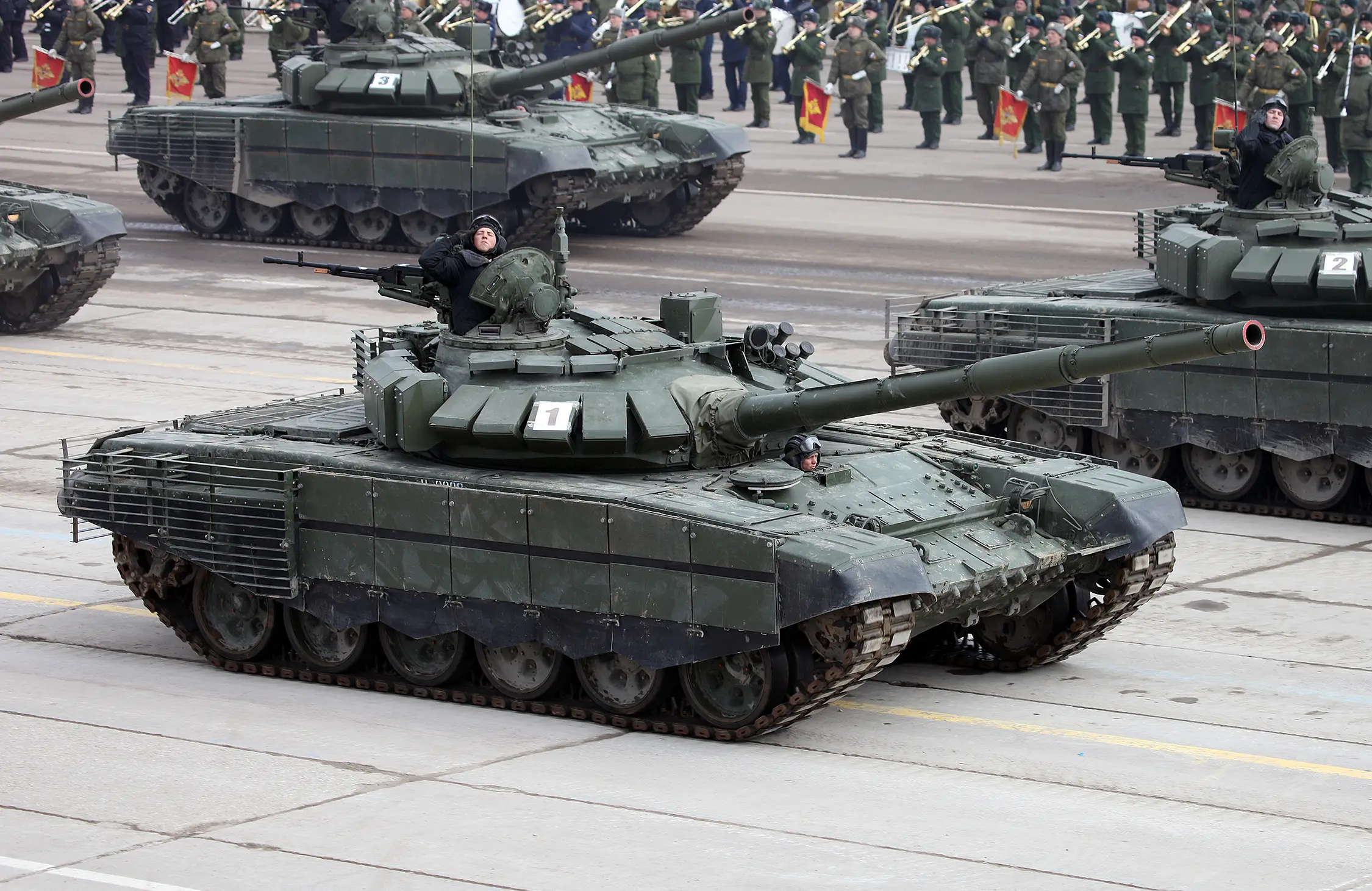
The most significant design evolution involves countering the deadly threat of first-person view drones. Russian engineers are installing extensive top-armour screens and enhanced electronic warfare jammers to disrupt loitering munitions.
Active Protection Systems
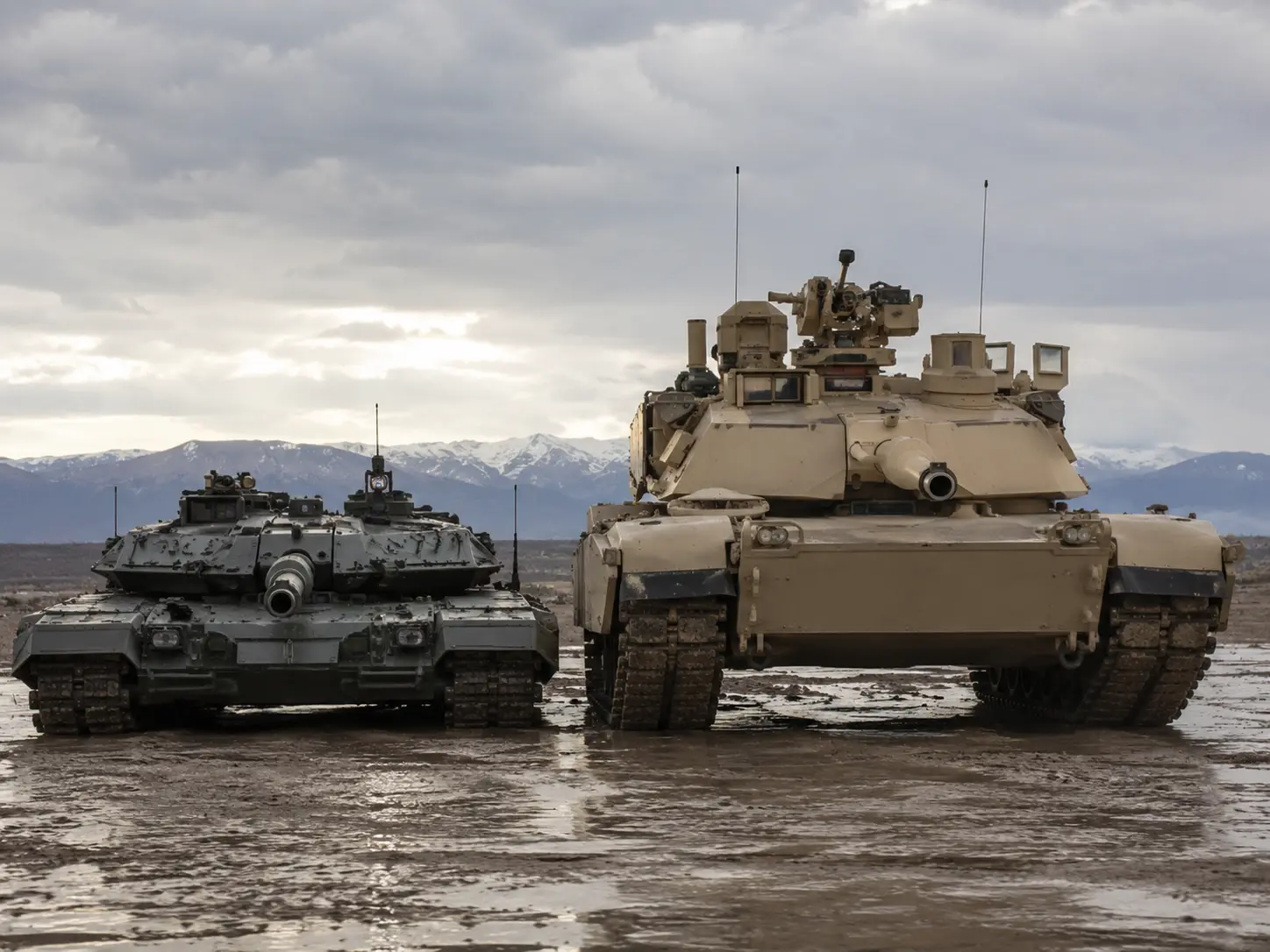
In early 2026, defence officials confirmed the completion of a new Arena-M active protection system variant. This radar-guided defence automatically tracks and physically intercepts incoming drones before they strike the armour.
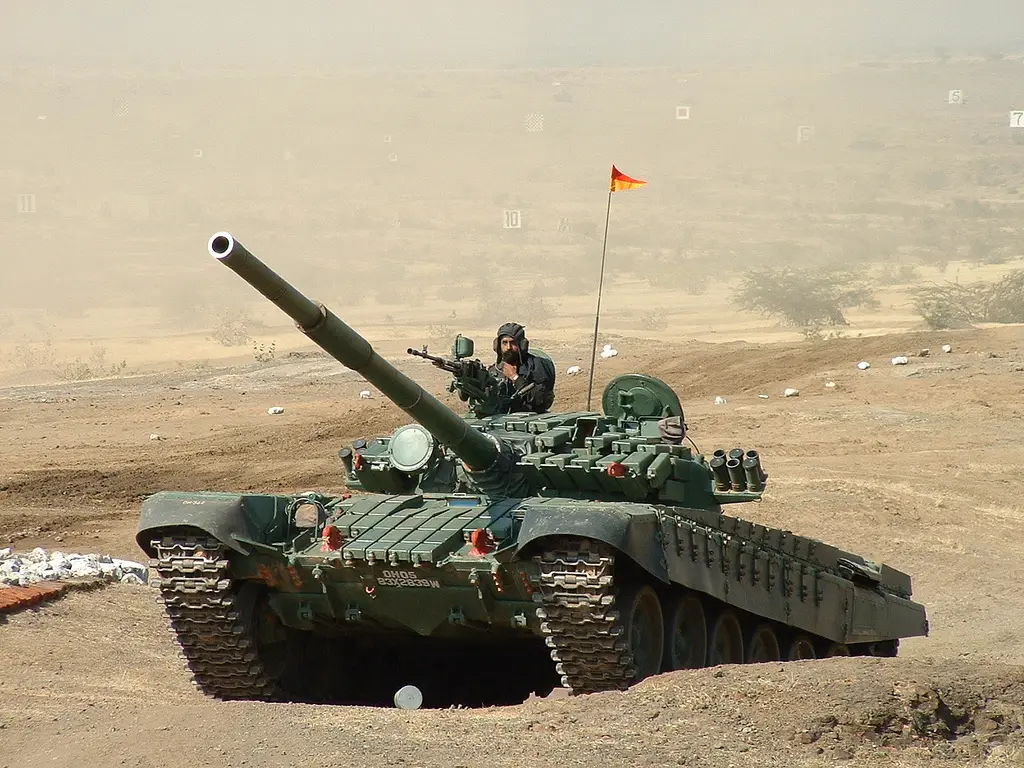
Shielding Vulnerabilities
Recent factory modifications specifically target the tank's historical vulnerabilities to top-attack weapons. Engineers have integrated extra physical protection over the engine and transmission compartments to boost crew survivability.
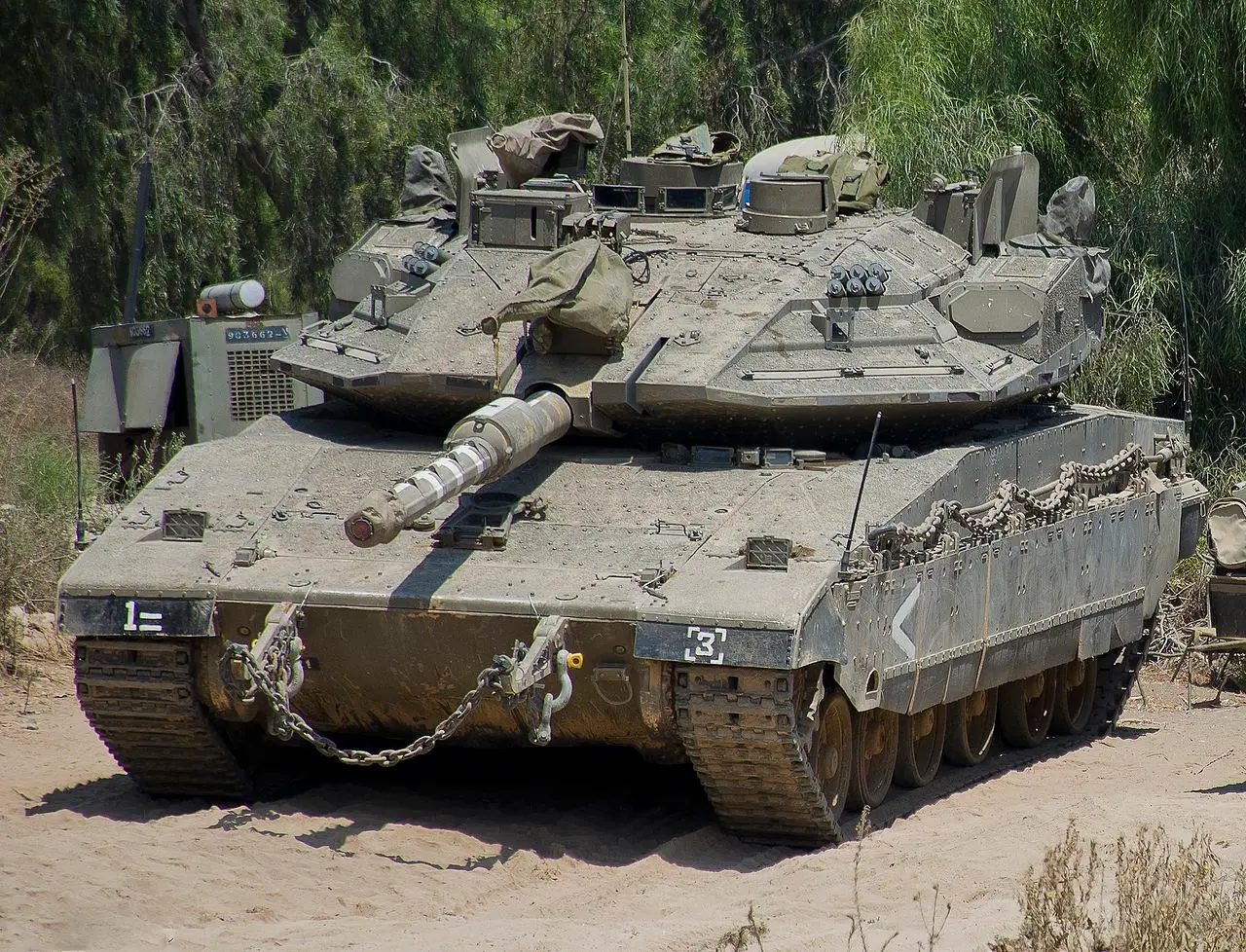
The T-90M2 Ryvok-1
Industry documents reveal that Russia will launch production of a highly advanced T-90M2 Ryvok-1 variant in 2026. The Uralvagonzavod plant plans to significantly increase the output of these modernised vehicles by 2028.
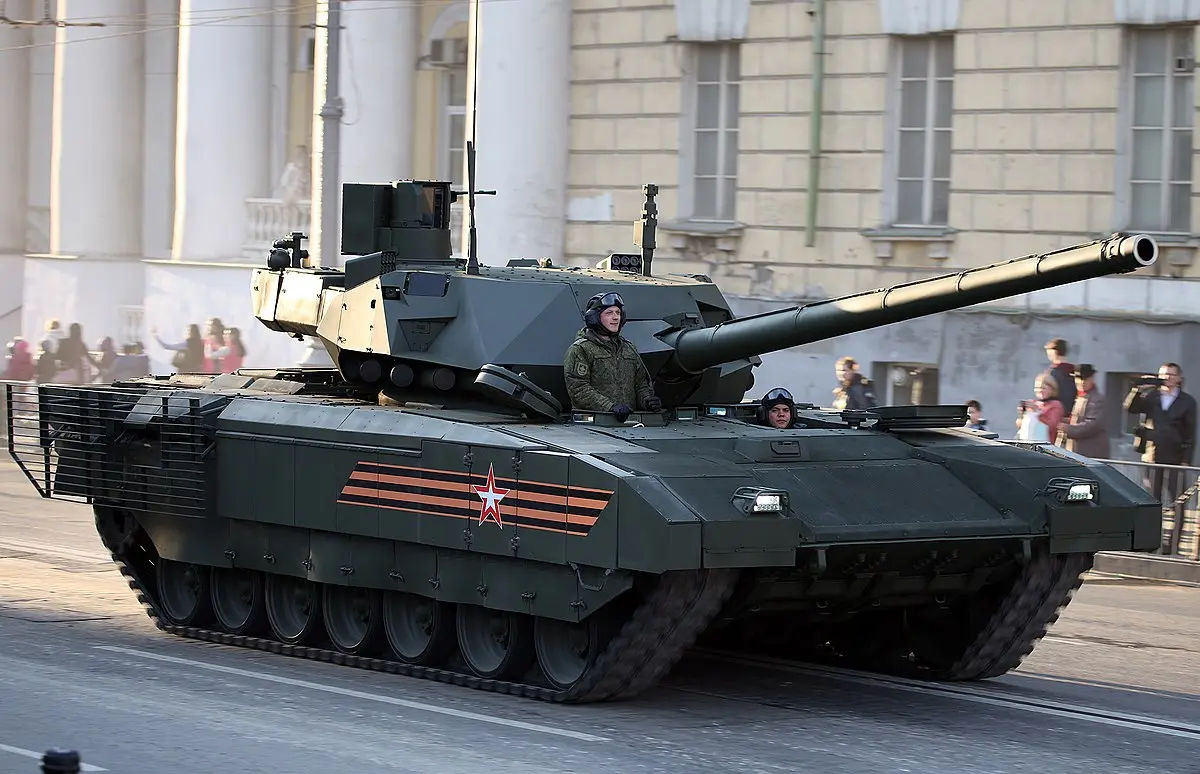
A Decade of Upgrades
Russian defence planners project that the T-90 platform retains at least another decade of modernisation potential. This incremental evolution proves that modern warfare demands rapid, defensive adaptations rather than entirely new tank designs.
)
)
)
)
)