Taj Mahal’s Iranian secret! Why Iran took swipe at Marco Rubio’s visit & truth about Mumtaz Mahal’s Persian roots| WION Decodes

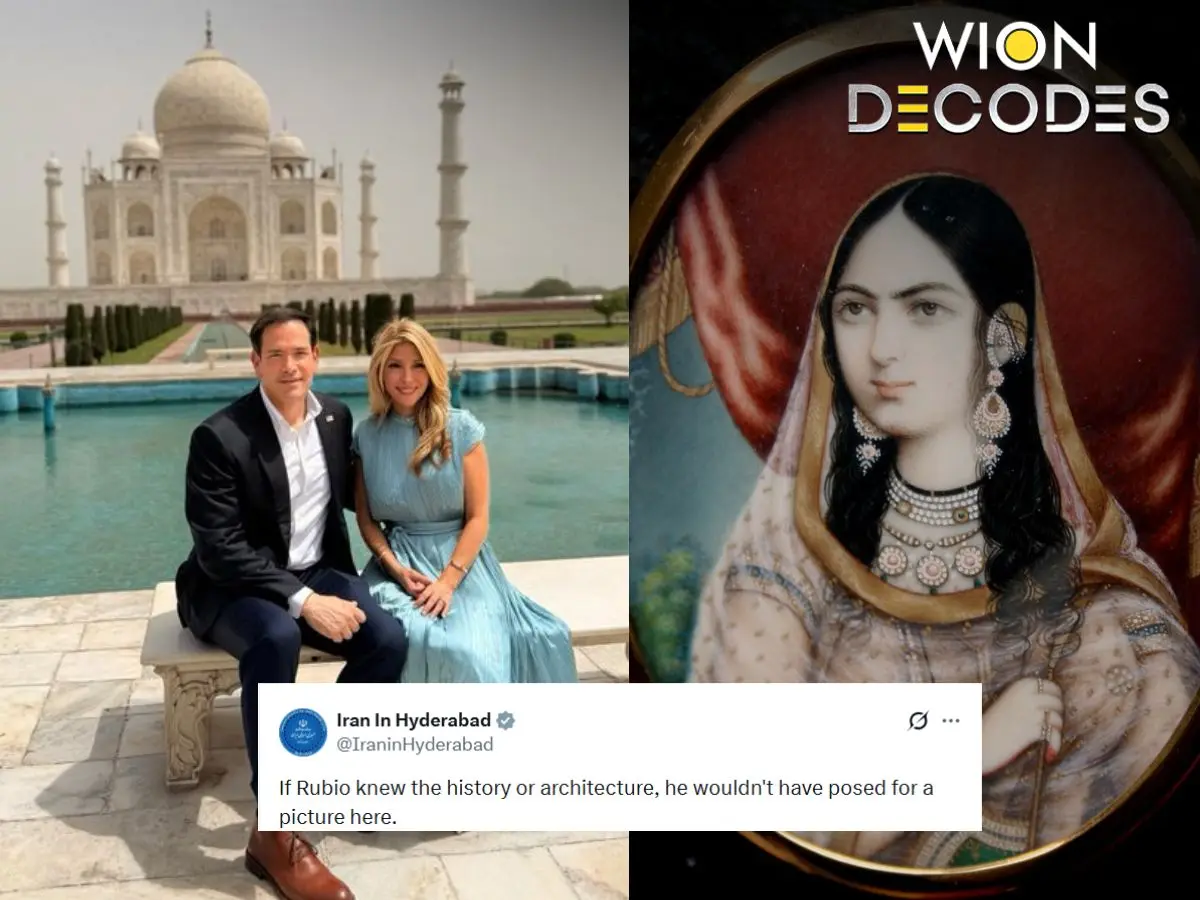
The historical connection invoked by Iran is real, though more nuanced than the post suggested. Mumtaz Mahal, born Arjumand Banu Begum in Agra in 1593, belonged to a distinguished Persian-origin family deeply embedded within the Mughal court.
A Diplomatic Photograph That Sparked A Historical Debate
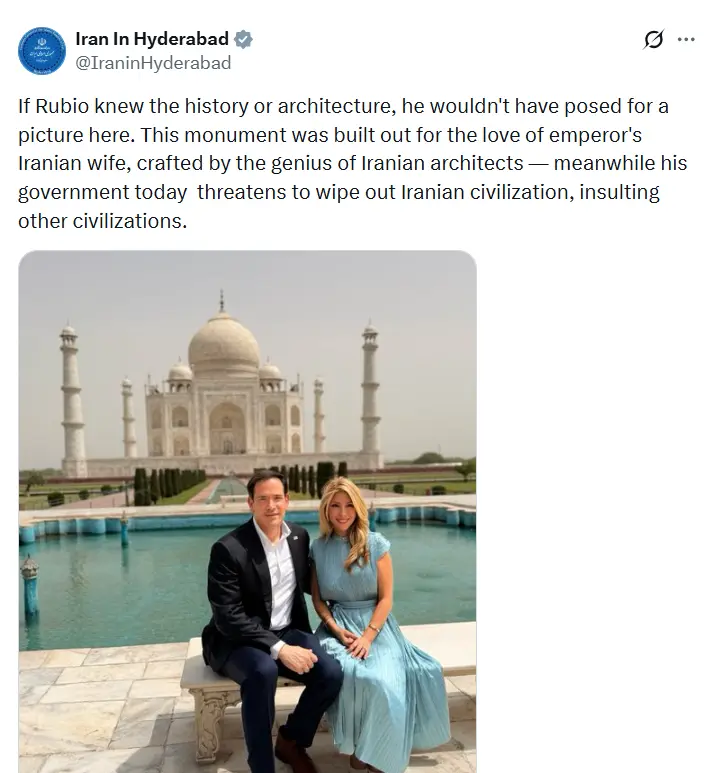
When United States Secretary of State Marco Rubio visited the Taj Mahal this week with his wife Jeanette Rubio, the images appeared routine: a senior American diplomat posing before one of the world’s most recognisable monuments. Rubio later described the Taj Mahal as “one of the love treasures of the world”. Yet within hours, the visit triggered an unexpected diplomatic response from the Iranian Consulate in Hyderabad, turning a ceremonial stop into a debate over history, identity and cultural ownership. The Iranian mission posted on X: “If Rubio knew the history or architecture, he wouldn’t have posed for a picture here.” It added that the monument was “built out for the love of emperor’s Iranian wife, crafted by the genius of Iranian architects”, while accusing Washington of threatening “Iranian civilisation”.
The Persian Lineage Of Mumtaz Mahal
The historical connection invoked by Iran is real, though more nuanced than the post suggested. Mumtaz Mahal, born Arjumand Banu Begum in Agra in 1593, belonged to a distinguished Persian-origin family deeply embedded within the Mughal court. Her grandfather, Mirza Ghiyas Beg, had migrated from Persia and later rose to prominence under Emperor Jahangir. Her father, Abdul Hasan Asaf Khan, became one of the empire’s leading noblemen, while her aunt was the influential empress Nur Jahan. According to the Archaeological Survey of India, Mumtaz Mahal was the niece of Nur Jahan and granddaughter of Mirza Ghiyas Beg I’timad-ud-Daula. She died in 1631 while giving birth to her fourteenth child, after which Emperor Shah Jahan commissioned the Taj Mahal as her mausoleum.
Persian Influence At The Heart Of Mughal Culture
Persian influence within the Mughal Empire extended far beyond family lineage. Accoridng to the historical records, Persian served as the official language of the Mughal court and shaped administration, literature, poetry and aesthetics across the empire. Mumtaz Mahal herself reportedly spoke both Persian and Arabic fluently and wrote poetry in those languages.
Charbagh gardens and the Persian connection
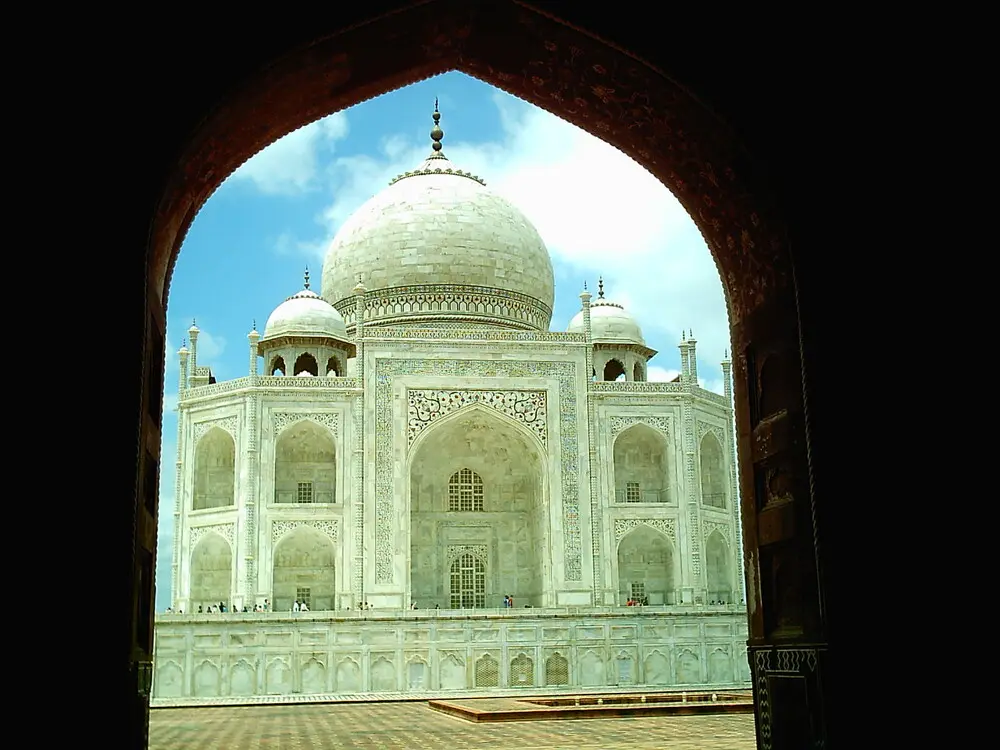
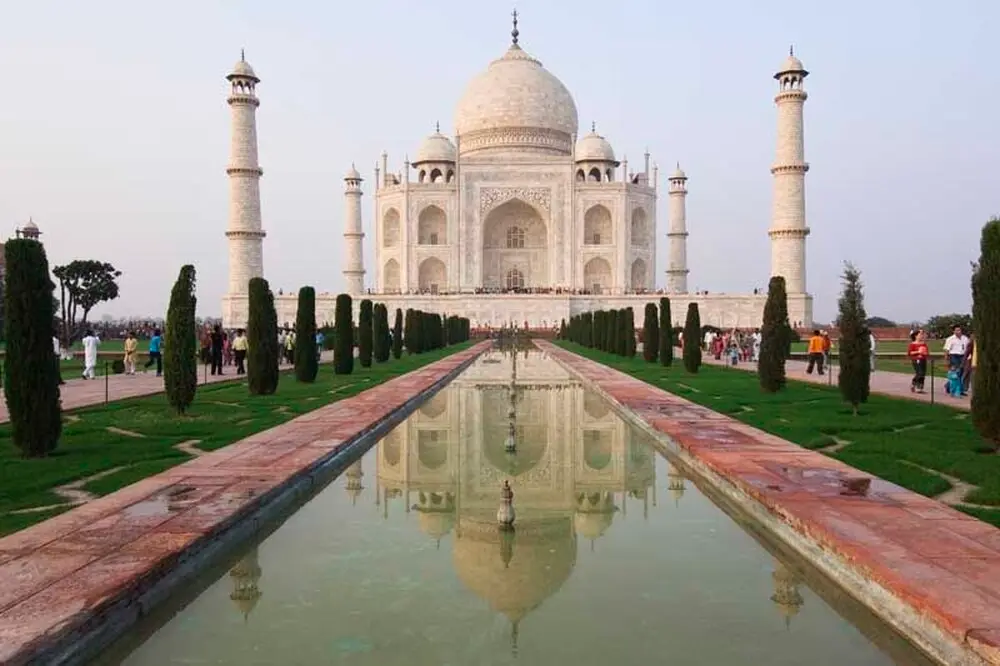
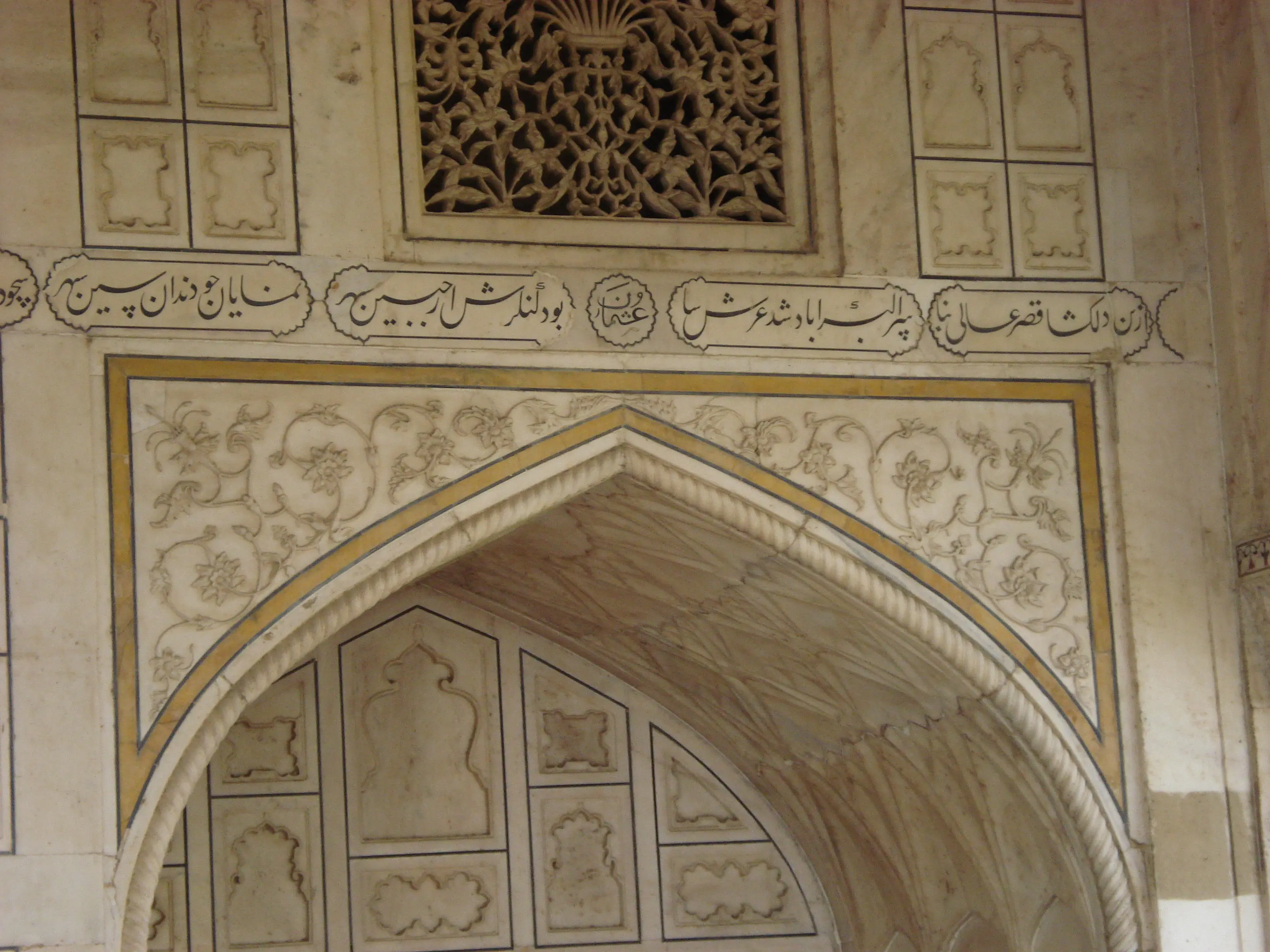
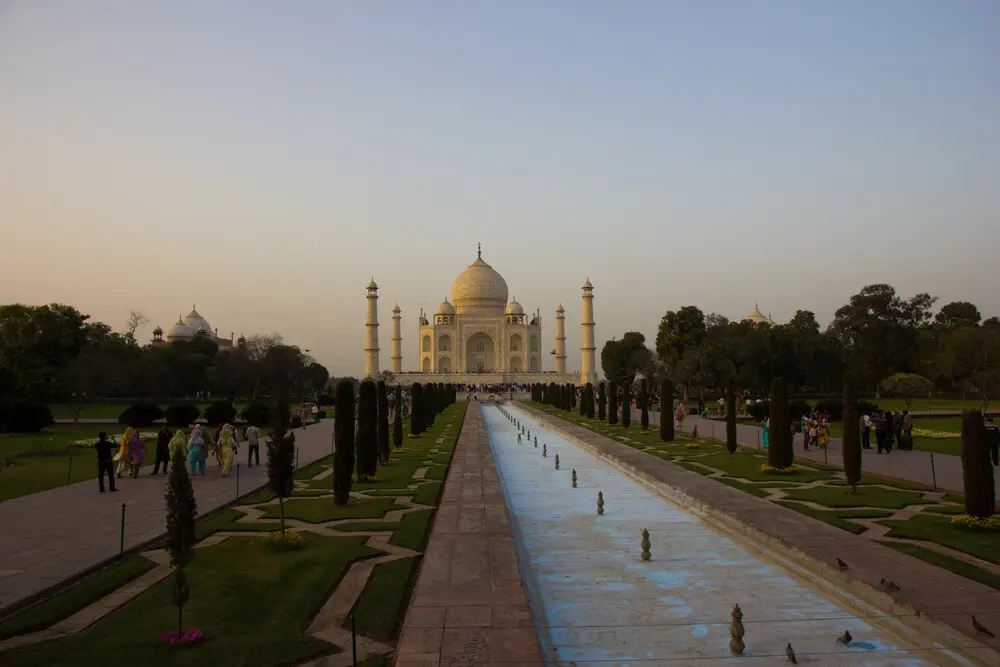
The Taj Mahal’s celebrated symmetry, bulbous dome, Charbagh gardens and intricate calligraphy all reflect strong Timurid-Persian traditions. UNESCO notes that the gardens followed the Timurid-Persian walled garden scheme, while Arabic and Persian inscriptions across the complex established its chronology and religious symbolism.
The Monument Was Not Exclusively Iranian
Historians, however, were quick to challenge the suggestion that the Taj Mahal was solely an Iranian creation. Mumtaz Mahal was of Persian ancestry, but she was born in Agra, India. Equally, the monument emerged from a vast multinational effort rather than a single national tradition. According to Encyclopaedia Britannica, more than 20,000 workers from India, Persia, the Ottoman Empire and Europe participated in the project. UNESCO records that artisans, masons, stone-cutters, calligraphers and dome builders were recruited from across the Mughal Empire, Central Asia and Iran.
Architects, Artisans And The Persian Connection
Several of the Taj Mahal’s leading artistic figures did possess strong Persian links. The renowned calligrapher Abdul-Haq, better known as Amanat Khan, came from Shiraz in Iran and executed the monument’s celebrated inscriptions. Ustad Ahmad Lahouri, widely recognised as the chief architect, worked within a Persianate architectural tradition that blended Safavid, Islamic and Indian styles.
Why Iran’s Comment Carried Political Weight
The Iranian Consulate’s remarks were not merely about architecture. They reflected wider tensions between Tehran and Washington at a moment of strained relations between the two governments. By invoking the Taj Mahal’s Persian roots, Iran sought to underline the enduring reach of Persian civilisation while criticising American policy towards Iran.
The Real Story
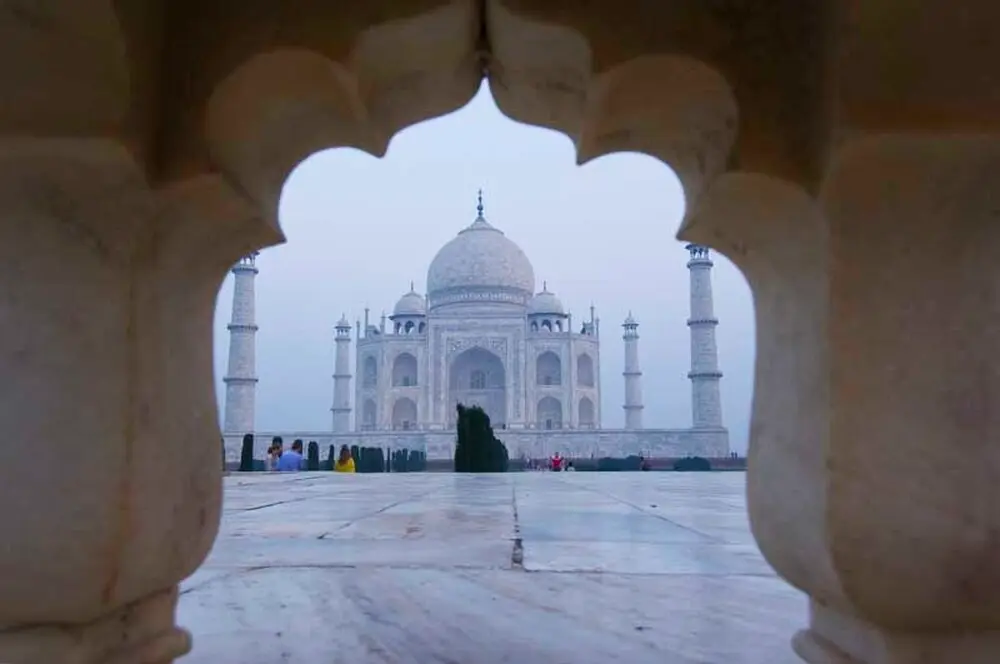
The word ‘Taj’ itself derives from Arabic and Persian and means ‘crown’. Yet the monument’s genius lies precisely in its fusion of influences, Persian geometry, Indian craftsmanship, Central Asian planning and Mughal imperial ambition. The Taj Mahal was built in India, for a queen of Persian ancestry, by craftsmen and artists drawn from across Asia and beyond.
)
)
)
)
)