T20 WC 2026: Why India-Pakistan cricket match is the biggest event in the world of sports

In sports, scarcity creates value. Due to ongoing geopolitical tensions, India and Pakistan rarely play against each other. They have not engaged in a bilateral cricket series since the 2012–2013 season.
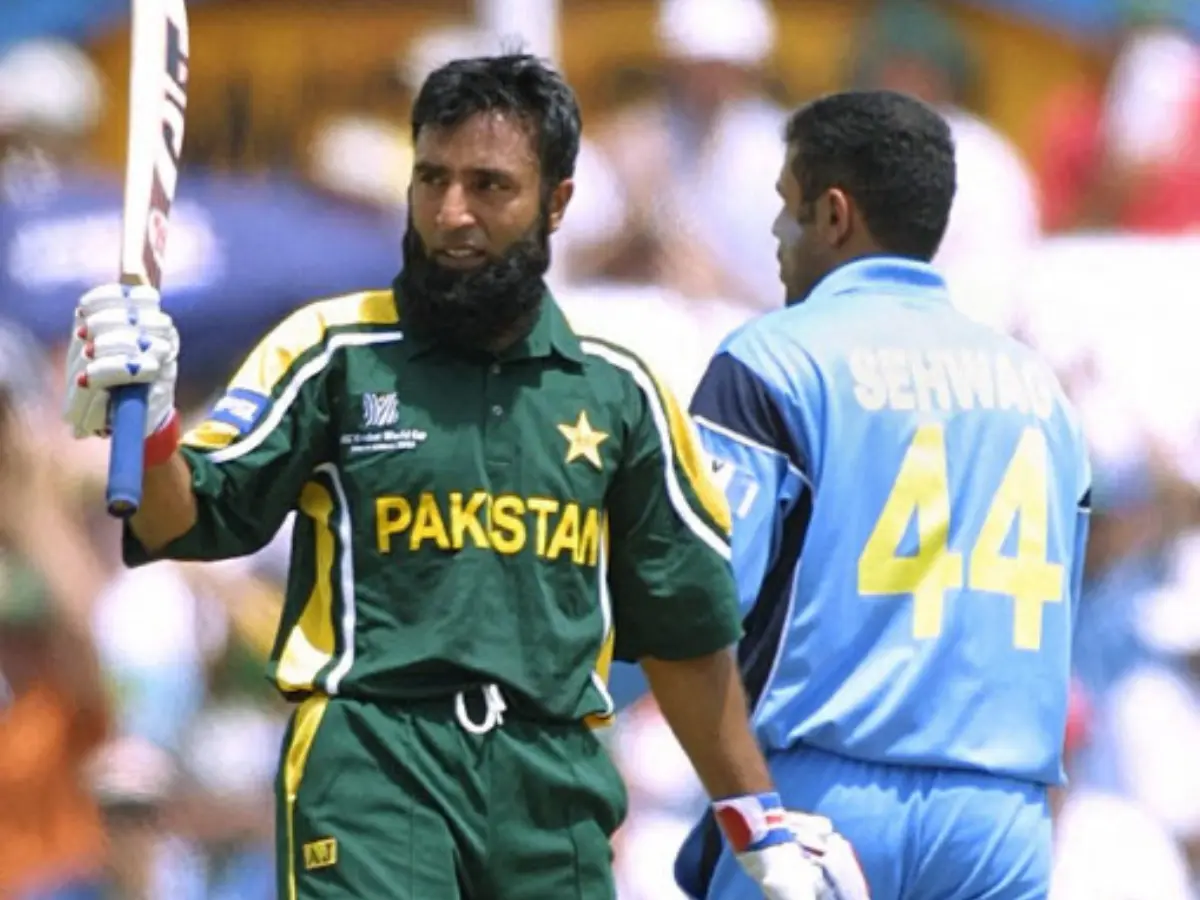
1. Deep-Rooted Historical and Geopolitical Ties
The intensity of the rivalry is fundamentally tied to the history of the subcontinent. Following the Partition of British India in 1947, India and Pakistan emerged as two independent nations with complex, often strained diplomatic relations. The cricket pitch frequently serves as a proxy theater where the broader historical and geopolitical realities of the two nations are projected by fans and the media, amplifying the emotional stakes of every delivery.
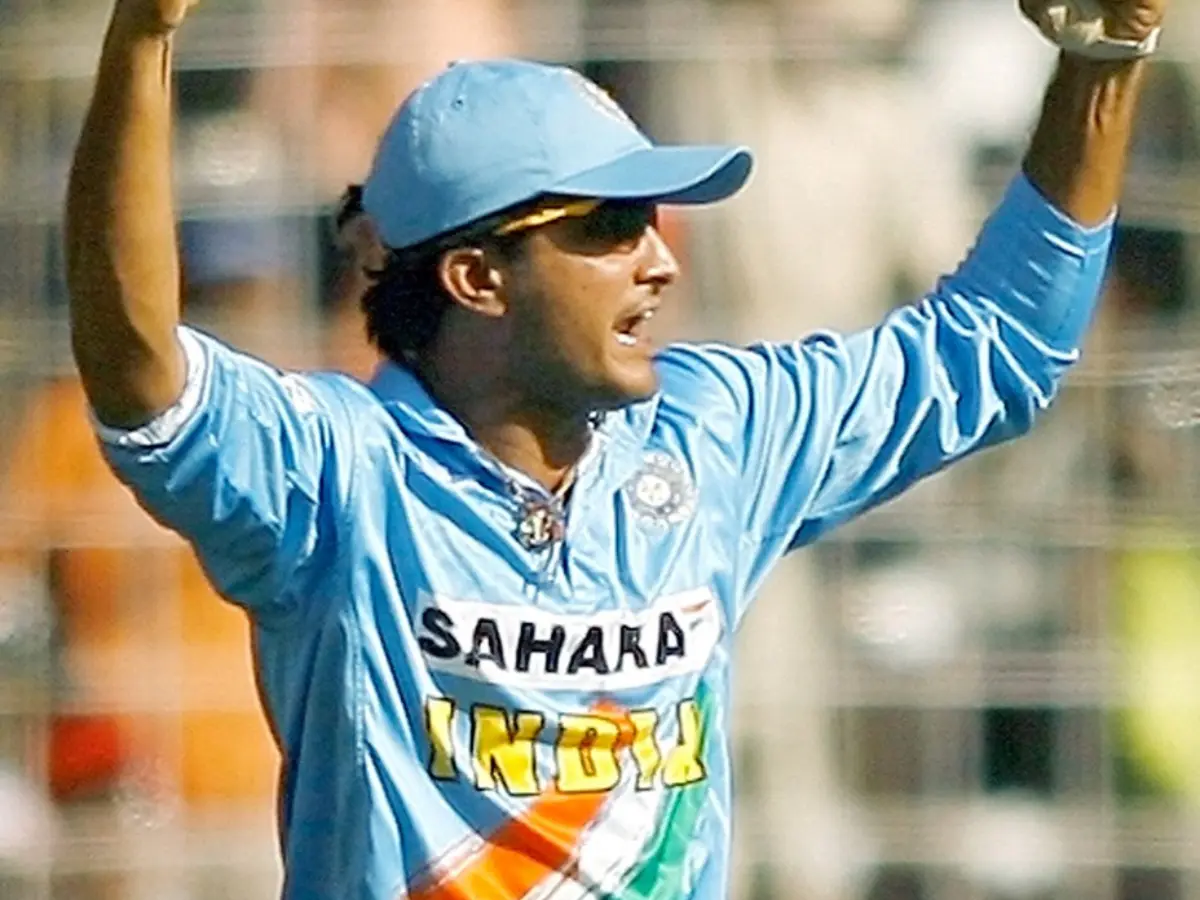
2. The Suspension of Bilateral Series (The Scarcity Principle)
In sports, scarcity creates value. Due to ongoing geopolitical tensions, India and Pakistan rarely play against each other. They have not engaged in a bilateral cricket series since the 2012–2013 season. Because they currently only face off in multilateral tournaments like the ICC World Cups or the Asia Cup, every encounter is treated as a rare, high-stakes event, driving anticipation to levels unseen in regular international fixtures.
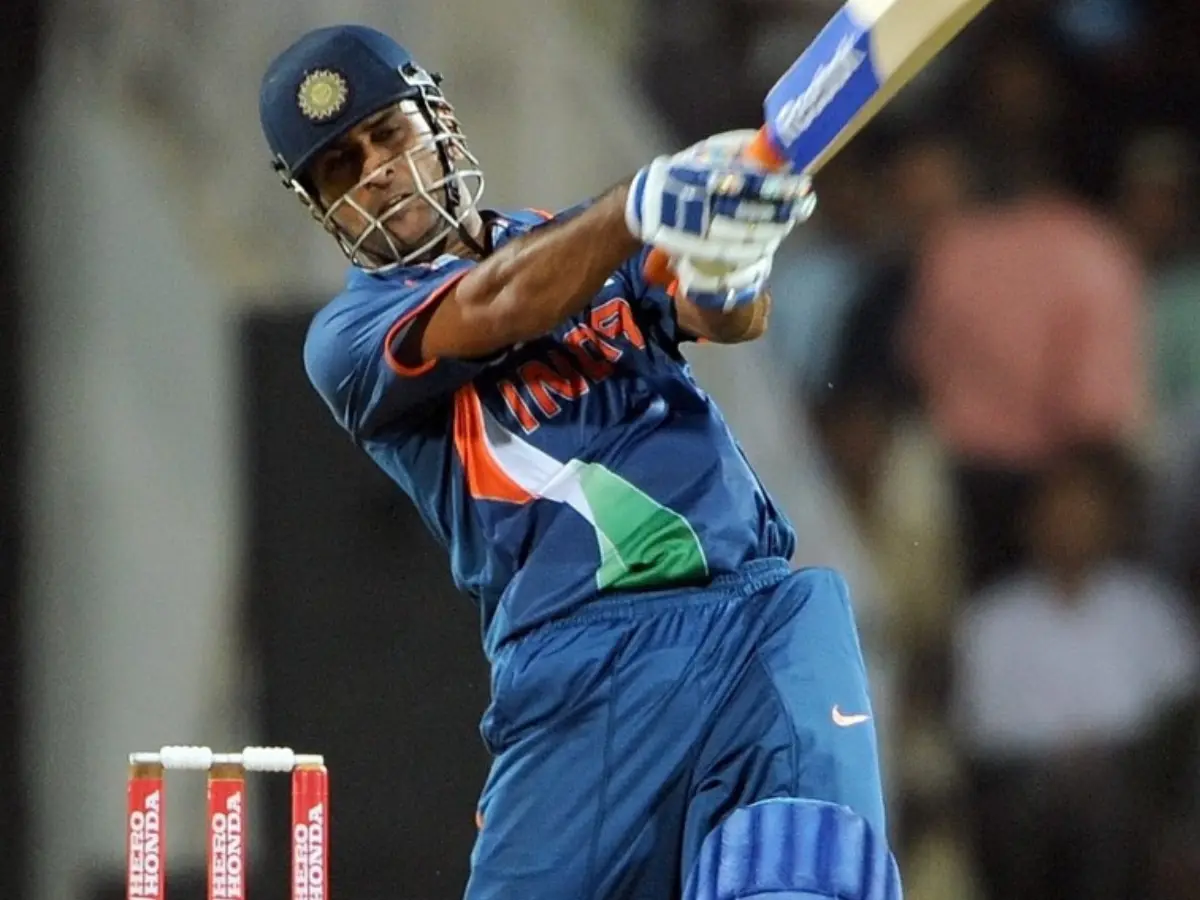
3. The Phenomenon of "Cricket Diplomacy"
Cricket has repeatedly been utilized as a diplomatic tool by both nations. Heads of state have famously attended matches to ease tensions, a practice dubbed "Cricket Diplomacy." Historical examples include Pakistan's President Zia-ul-Haq visiting India for a test match in 1987 to defuse border tensions, and Indian Prime Minister Manmohan Singh inviting Pakistani Prime Minister Yousaf Raza Gillani to the 2011 World Cup semi-final in Mohali to facilitate bilateral dialogue.
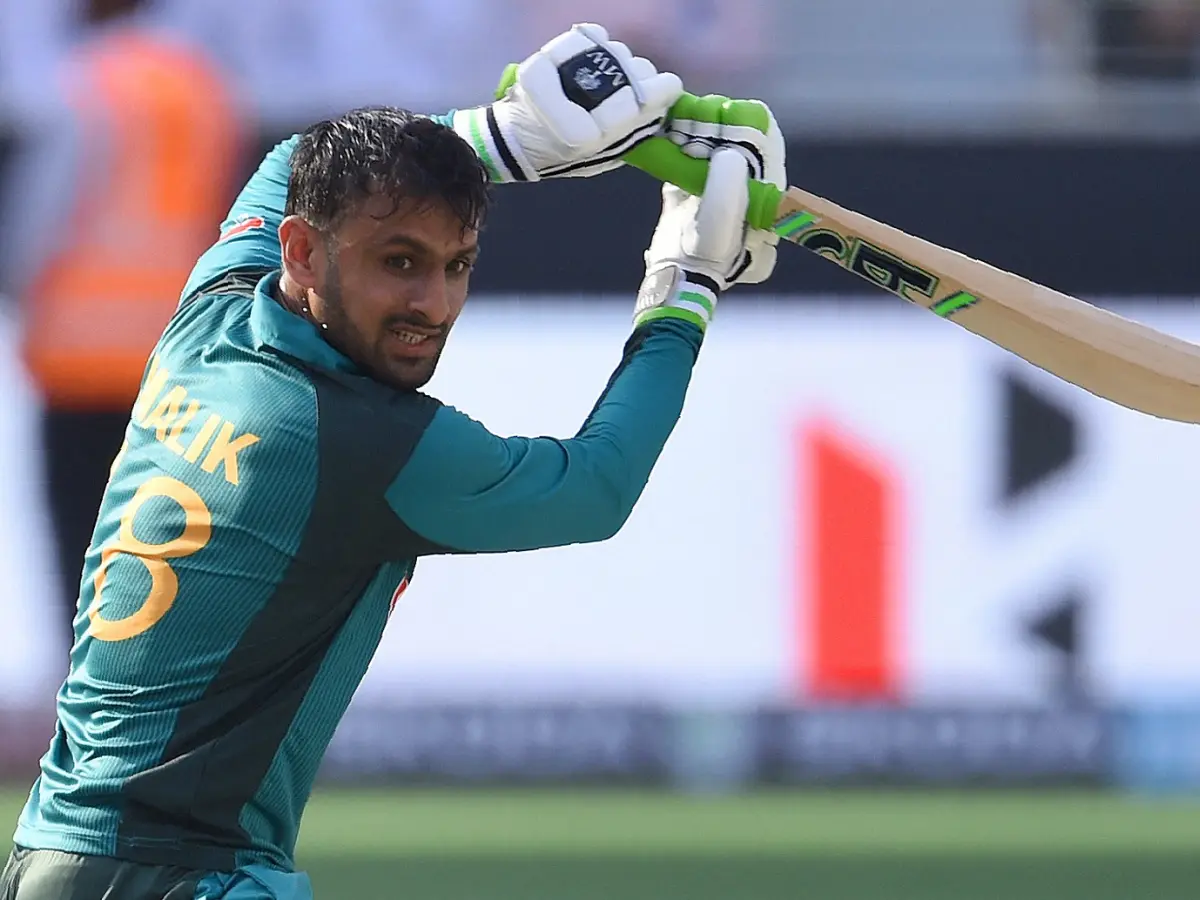
4. An Unmatched Economic Juggernaut
From a purely financial standpoint, an India-Pakistan match is the lifeblood of cricket’s global economy. Broadcast viewership regularly crosses hundreds of millions globally. Consequently, television networks charge astronomical premiums for 10-second advertising slots during these matches. The revenue generated from an IND-PAK fixture heavily subsidizes the operations of the International Cricket Council (ICC) and, by extension, the global development of the sport.
5. The Immense Psychological Weight on Players
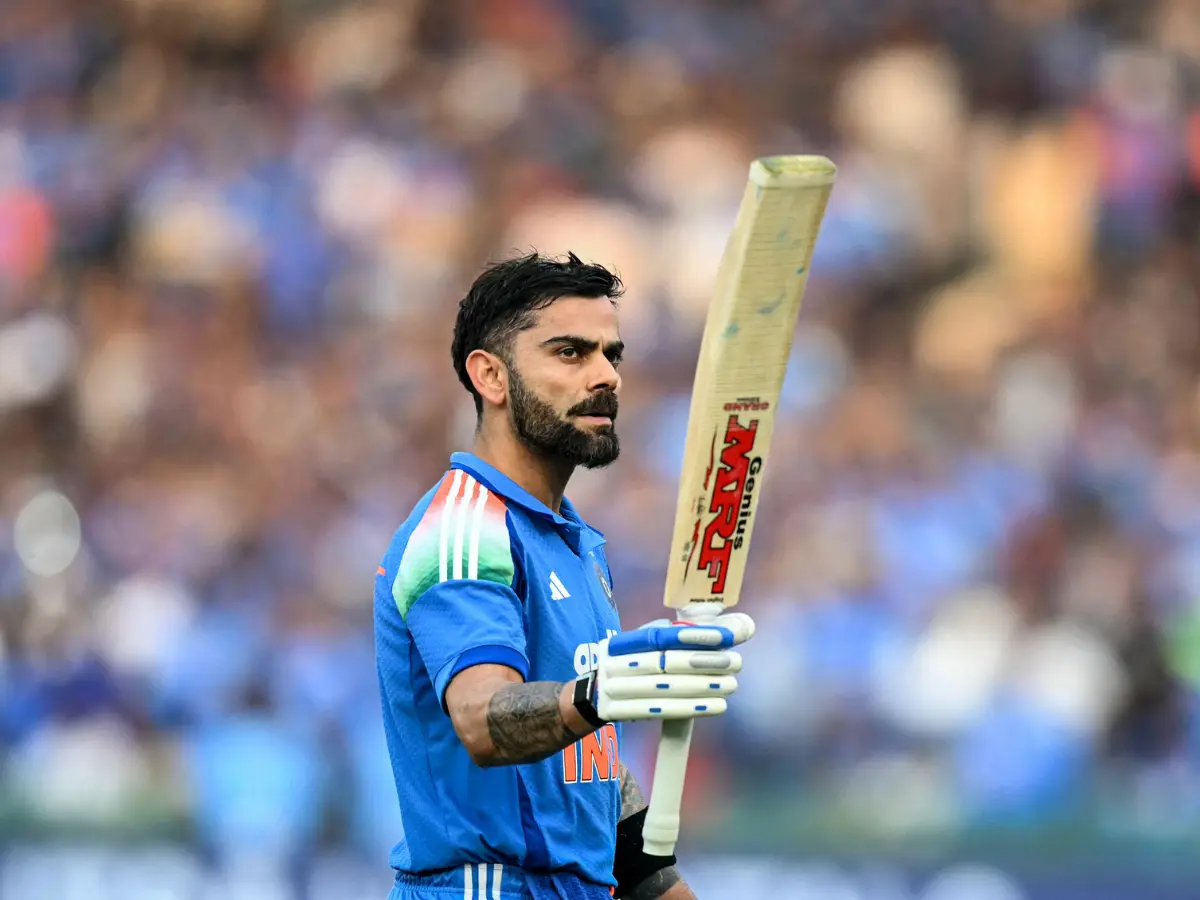
The pressure placed on the athletes in this specific fixture is unlike any other in cricket. Players from both sides have frequently spoken about the overwhelming expectations from their respective populations. A match-winning performance can elevate a player to lifelong hero status, while a critical error can lead to severe public backlash. The psychological resilience required to perform in this environment makes it a unique sporting crucible.
6. A Global Diaspora Spectacle
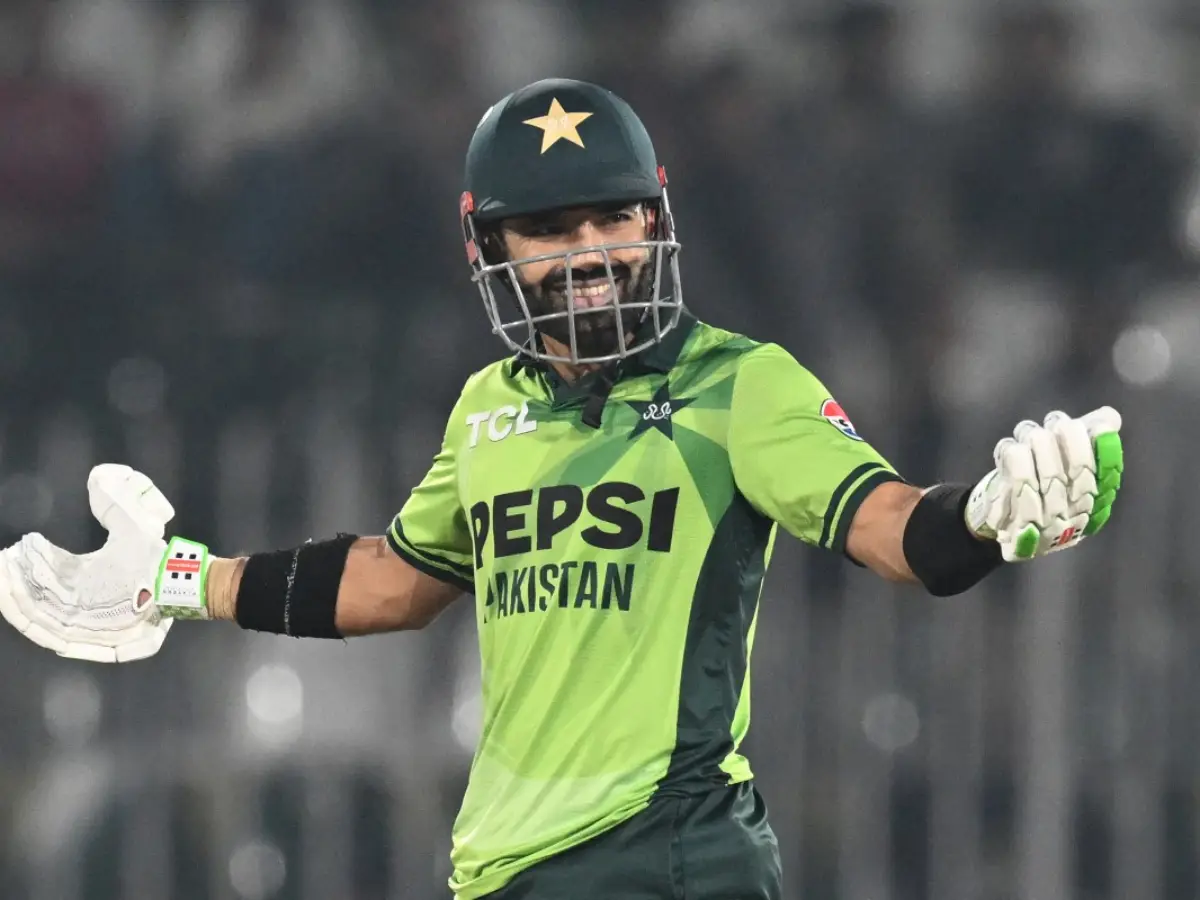
The rivalry is not confined to the subcontinent; it is a global cultural event. Both nations have massive, passionate diaspora communities spread across the United Kingdom, North America, Australia, and the Middle East. Whenever the two teams play in a neutral venue, such as the massive MCG in Melbourne or the pop-up stadium in New York during the 2024 T20 World Cup, expats turn it into a massive cultural festival, completely selling out stadiums and dominating local economies for the weekend.
7. Cultural Dominance
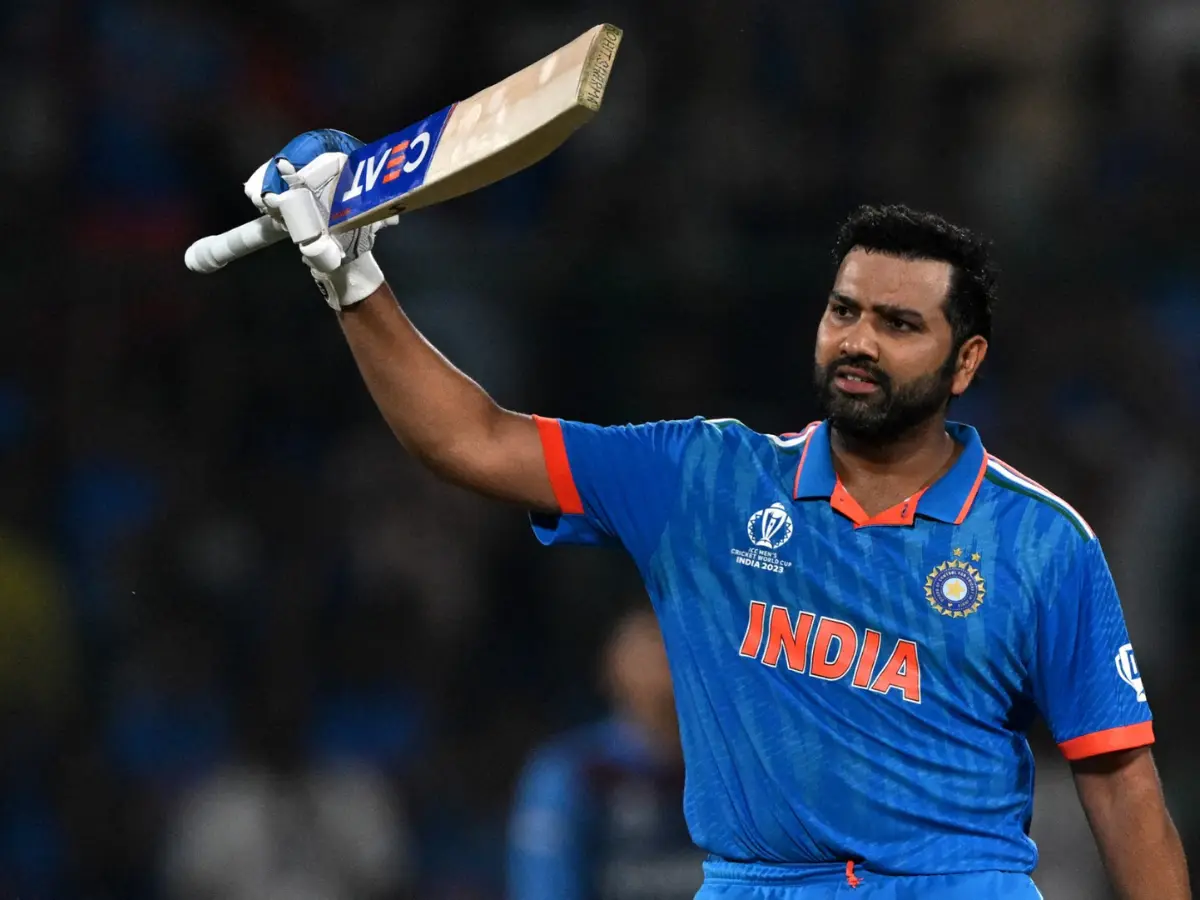
The buildup to the match is largely driven by a massive media apparatus in both countries. Broadcasters, news channels, and social media platforms dedicate weeks of coverage to analyzing the matchup, often framing it in hyperbolic terms. Memes, iconic television commercial campaigns, and intense debate shows ensure that even citizens who do not usually follow cricket are drawn into the cultural moment.
)
)
)
)
)