Surviving -50°C: What type of clothing does the military use for arctic and high altitude warfare?

Soldiers survive -50°C using a 7-layer clothing system designed to wick away deadly sweat. Key gear includes the puffy 'Marshmallow Suit' for static warmth, rubber 'Bunny Boots' to protect feet, and trigger-finger mittens. Ballistic UV goggles are essential to prevent snow blindness.
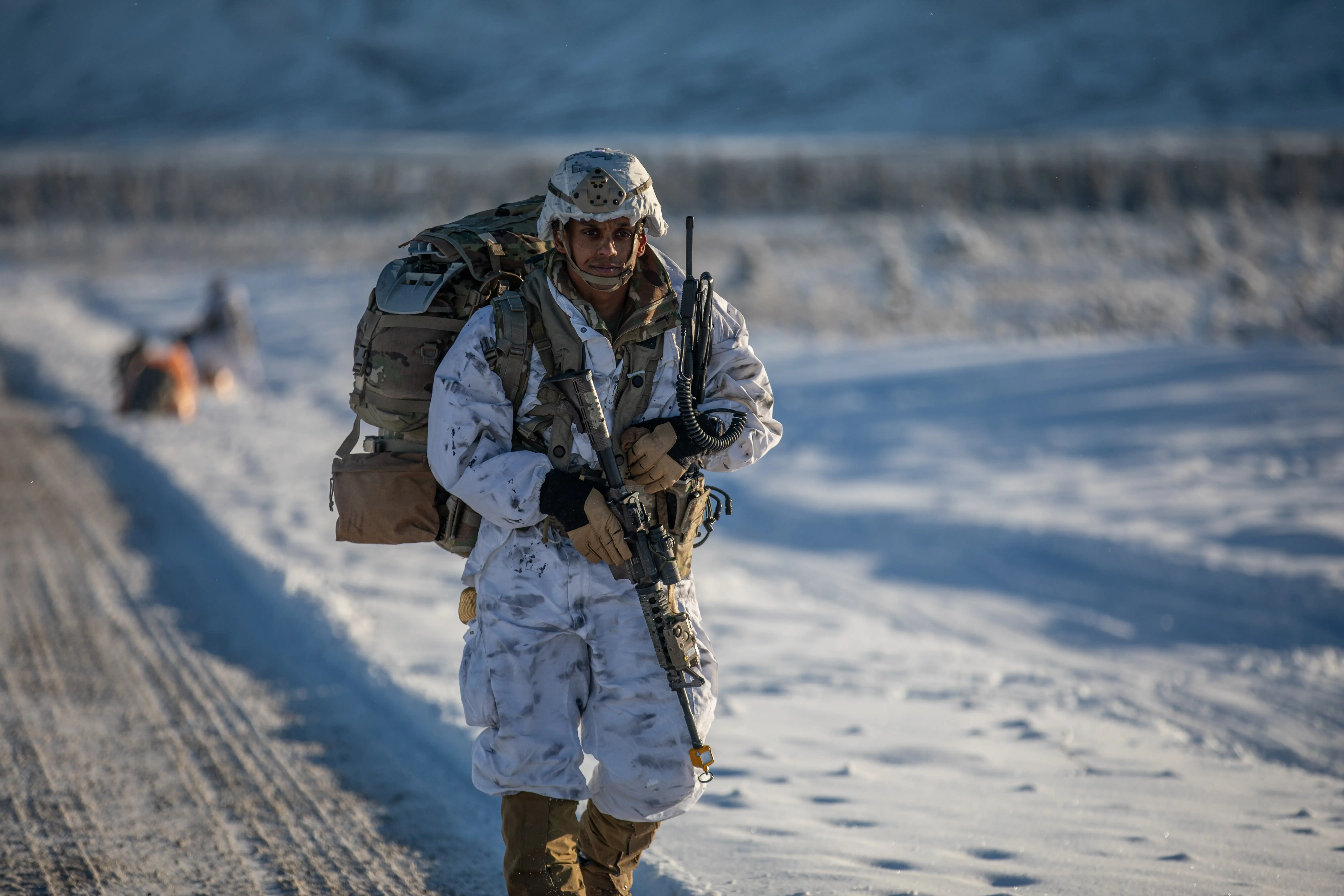
The 7-Layer System (ECWCS) More than just a thick coat
Standard issue for Arctic warfare is the Extended Cold Weather Clothing System (ECWCS), a modular kit that allows soldiers to layer up or down. Troops combine seven different levels of clothing depending on whether they are marching or sitting still in -50°C winds.
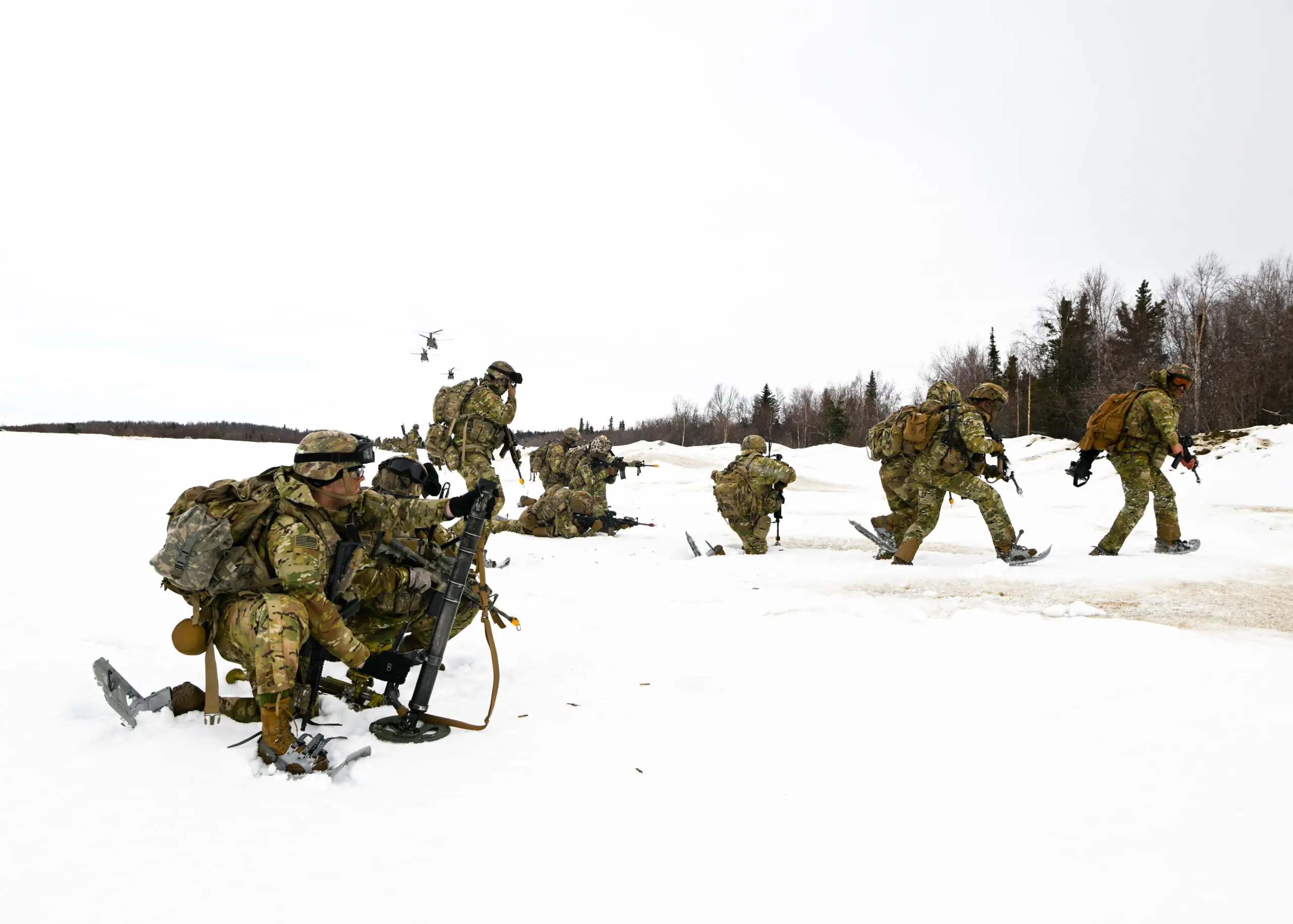
The ‘Sweat Kills’ Rule Base layers that wick moisture
The layer next to the skin is never cotton; it is strictly synthetic or merino wool designed to wick sweat away. In sub-zero conditions, trapped moisture can freeze instantly, leading to rapid hypothermia, so keeping dry is the first rule of survival.
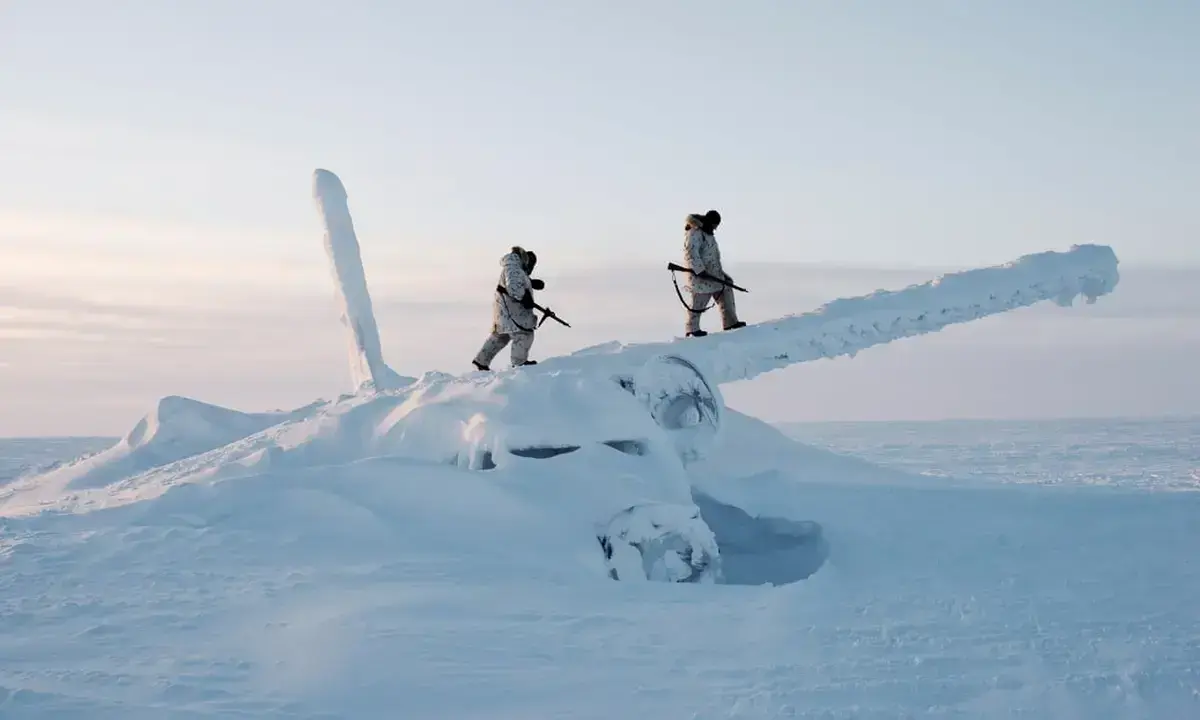
The ‘Marshmallow Suit’ Extreme cold weather parkas
For static guard duty, soldiers wear the massive Level 7 parka and trousers, affectionately nicknamed the ‘Marshmallow Suit’. These puffy outer layers use high-loft insulation to retain body heat even when wet, protecting troops down to -45°C.
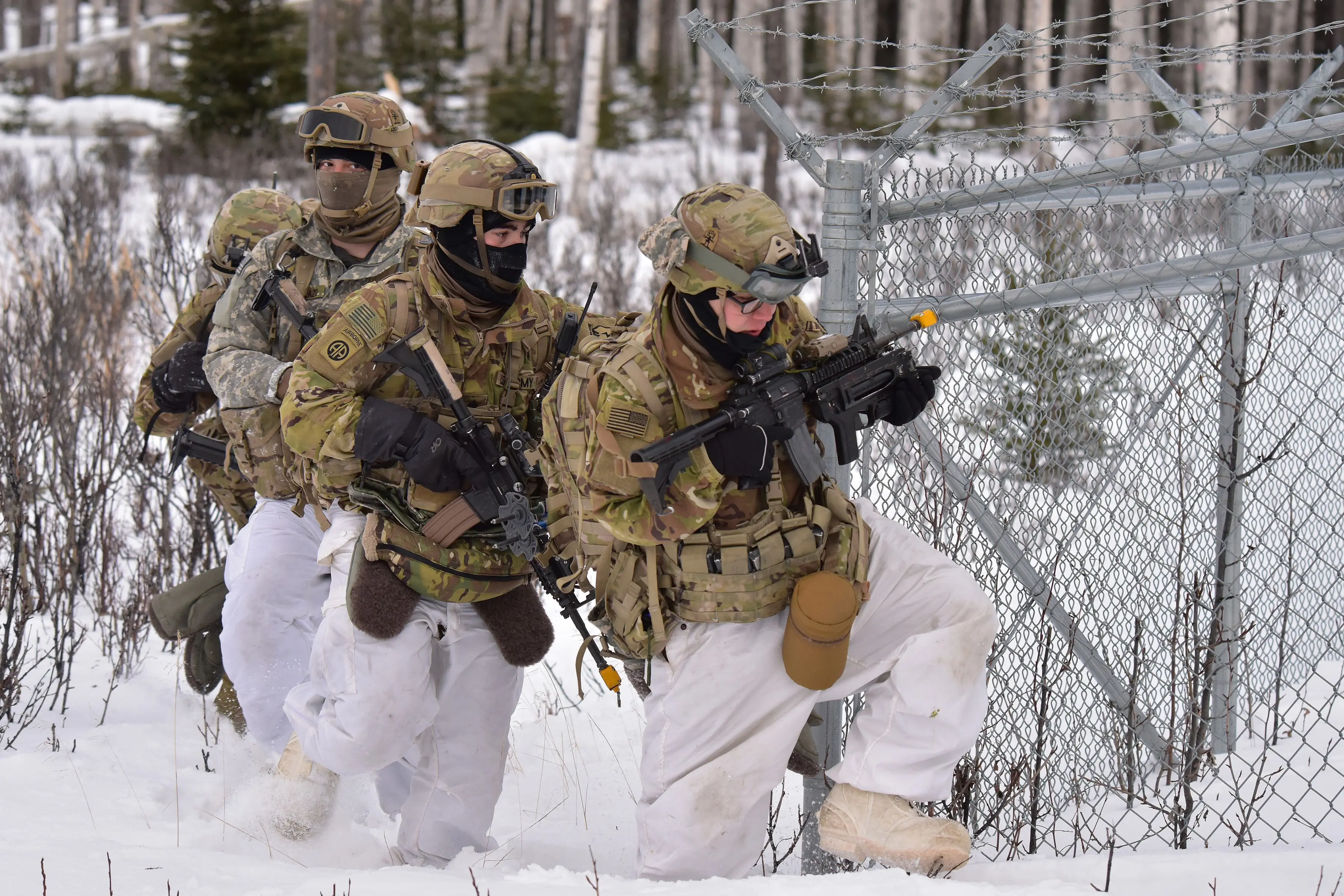
Vapor Barrier Boots The legendary ‘Bunny Boots’
To prevent frostbite on toes, soldiers often use white rubber ‘Vapor Barrier Boots’, known as Bunny Boots. These contain layers of wool and felt sealed within rubber to create a vacuum, keeping feet warm even if the boot is submerged in freezing water.
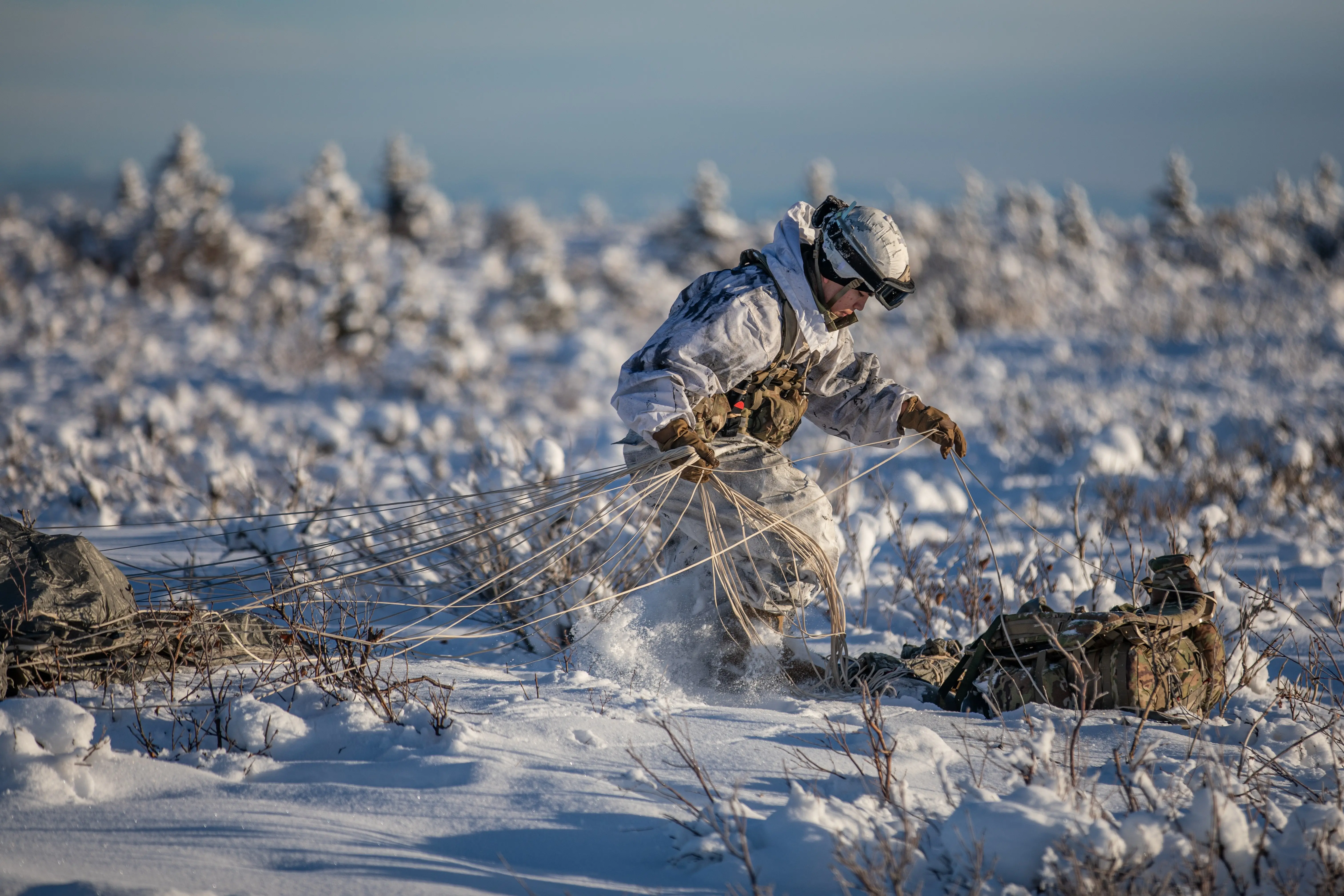
Trigger Finger Mittens Dexterity meets warmth
Mittens are warmer than gloves because they keep fingers together to share heat, but soldiers still need to shoot. Militaries issue special mittens with a separate slot for the index finger, allowing troops to operate weapons without exposing bare skin to the air.
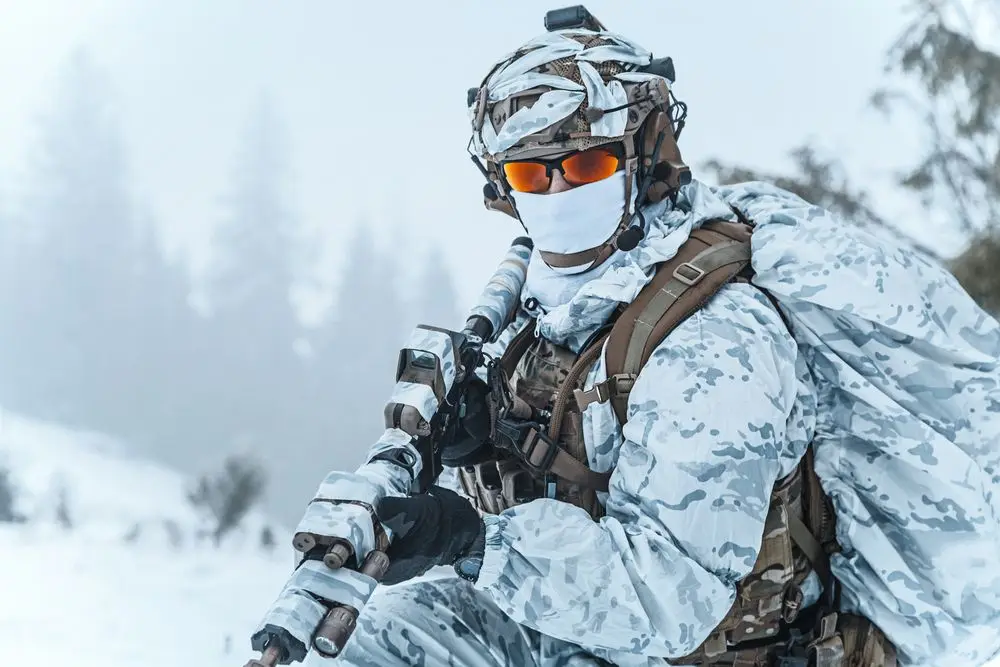
Preventing Snow Blindness Ballistic UV eyewear
The sun’s glare reflecting off pure white snow can burn the retinas in hours, causing temporary blindness. Soldiers must wear ballistic goggles with dark UV lenses at all times to protect their eyes from both the light and wind-whipped ice particles.
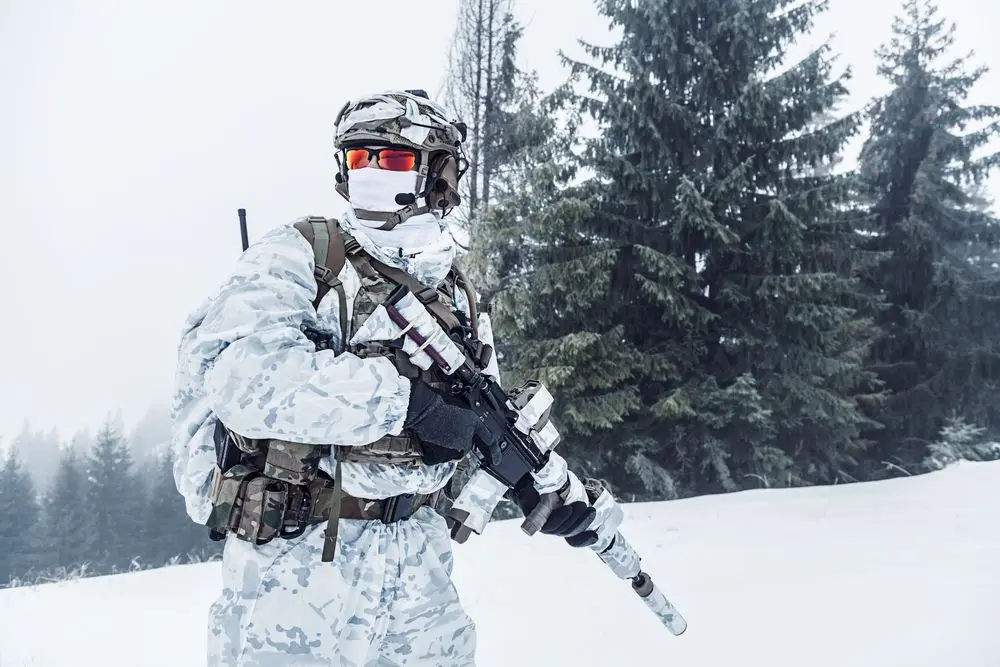
Sleeping Systems Surviving the night
When camping on ice, soldiers use a modular sleeping bag system often consisting of two bags one patrol bag and one cold-weather bag. When zipped together inside a bivy cover, this system allows soldiers to sleep safely in temperatures as low as -40°C.
)
)
)
)
)