Surrounded by Shield: How many layers of air defense does the USS Abraham Lincoln have?

The USS Abraham Lincoln uses a 7-layer shield, ranging from F-35 jets and Aegis destroyers to SeaSparrow missiles and Phalanx guns. It combines hard-kill weapons with electronic jamming to stop aerial threats.
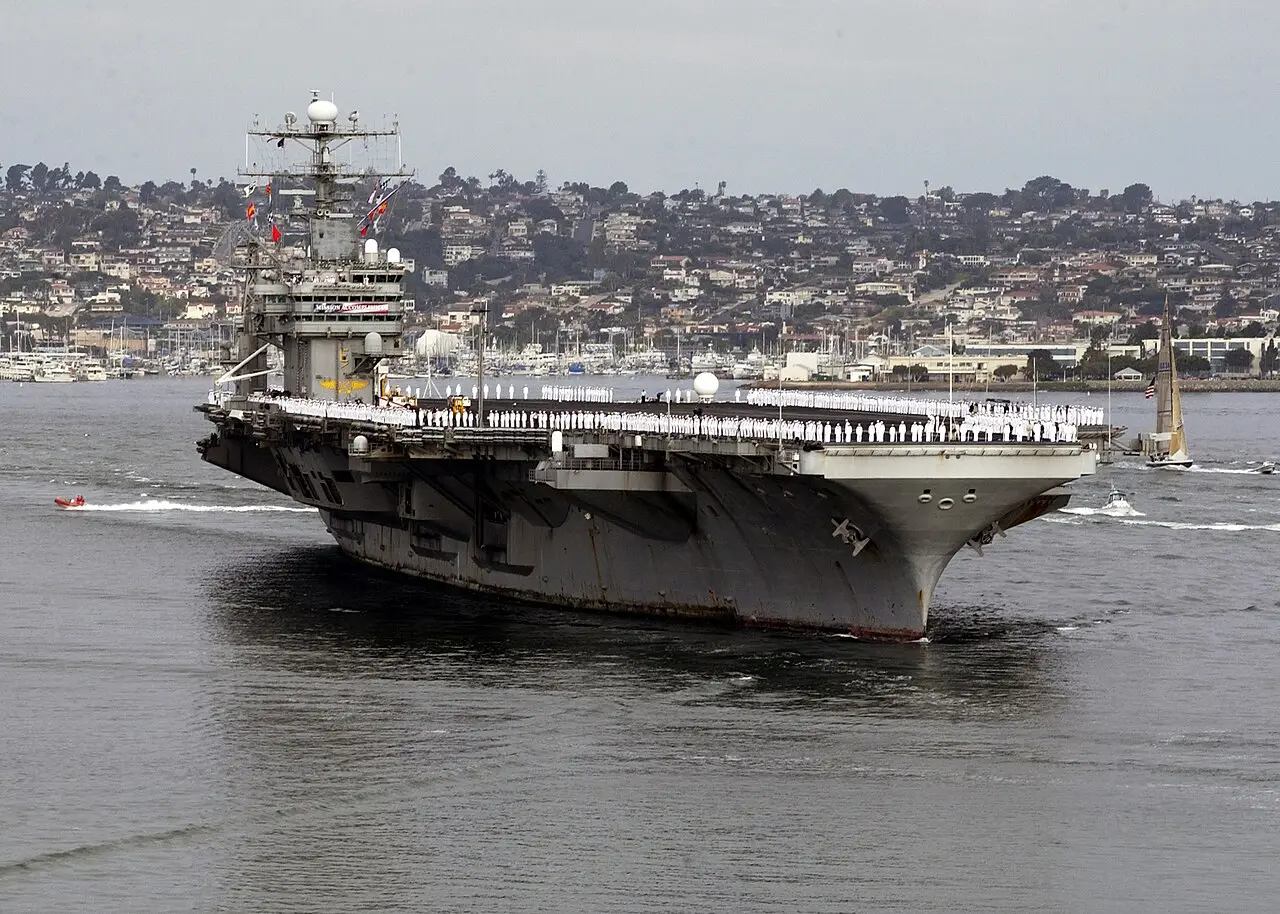
The Combat Air Patrol - 70+ aircraft ready to launch
The first layer of defence begins hundreds of kilometres away from the ship. The carrier’s air wing consists of over 70 aircraft, including F-35C Lightning II jets and F/A-18 Super Hornets. These fighters rotate on patrol to intercept incoming enemy aircraft or cruise missiles before they get close. Supporting them are E-2D Advanced Hawkeye radar planes, which act as eyes in the sky to detect threats over the horizon.
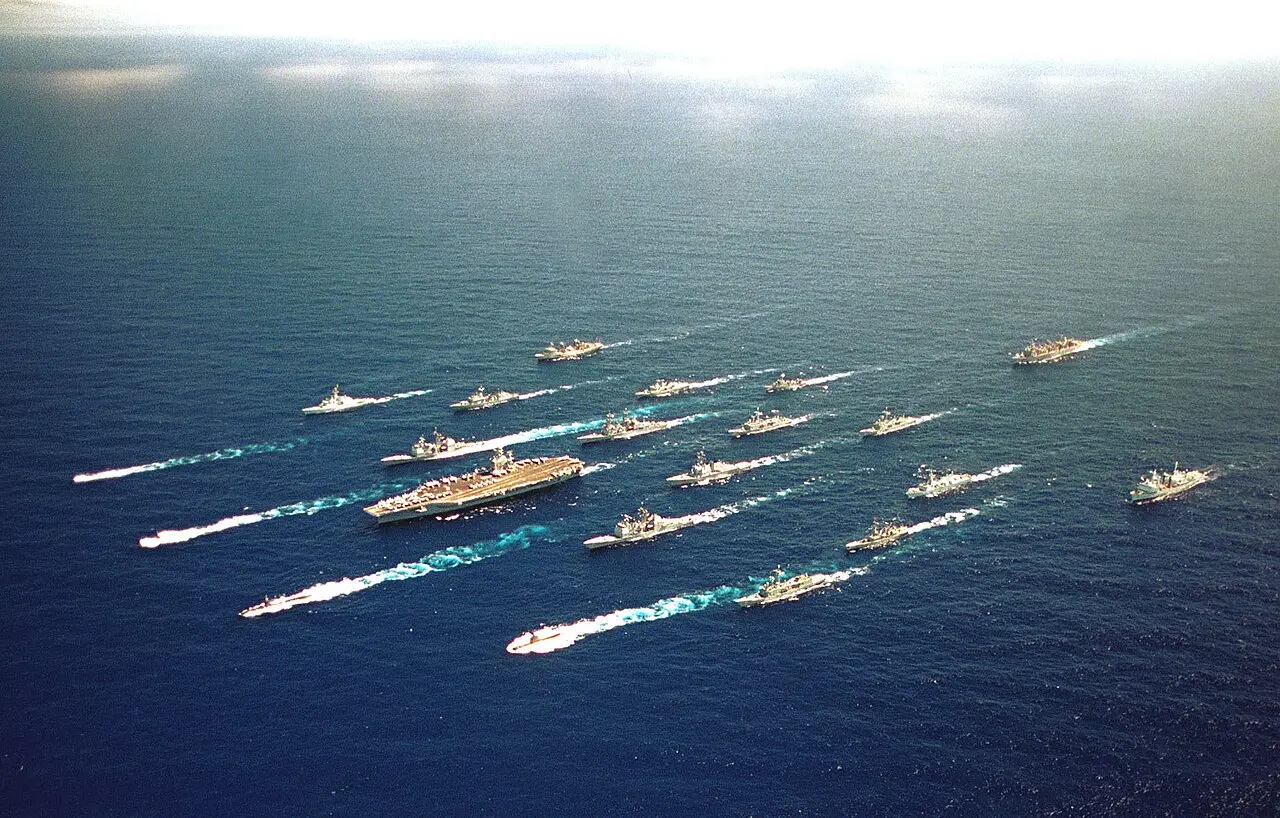
The Aegis Escorts Destroyers carrying 90+ missiles each
Sailing alongside the USS Abraham Lincoln are Ticonderoga-class cruisers and Arleigh Burke-class destroyers, forming a dense defensive screen. These ships use the advanced Aegis Combat System to track hundreds of targets simultaneously and launch SM-2 and SM-6 interceptors. These highly capable missiles can destroy high-altitude ballistic threats and low-flying cruise missiles from ranges exceeding 150 kilometres. This layer acts as a massive umbrella covering the entire strike group.
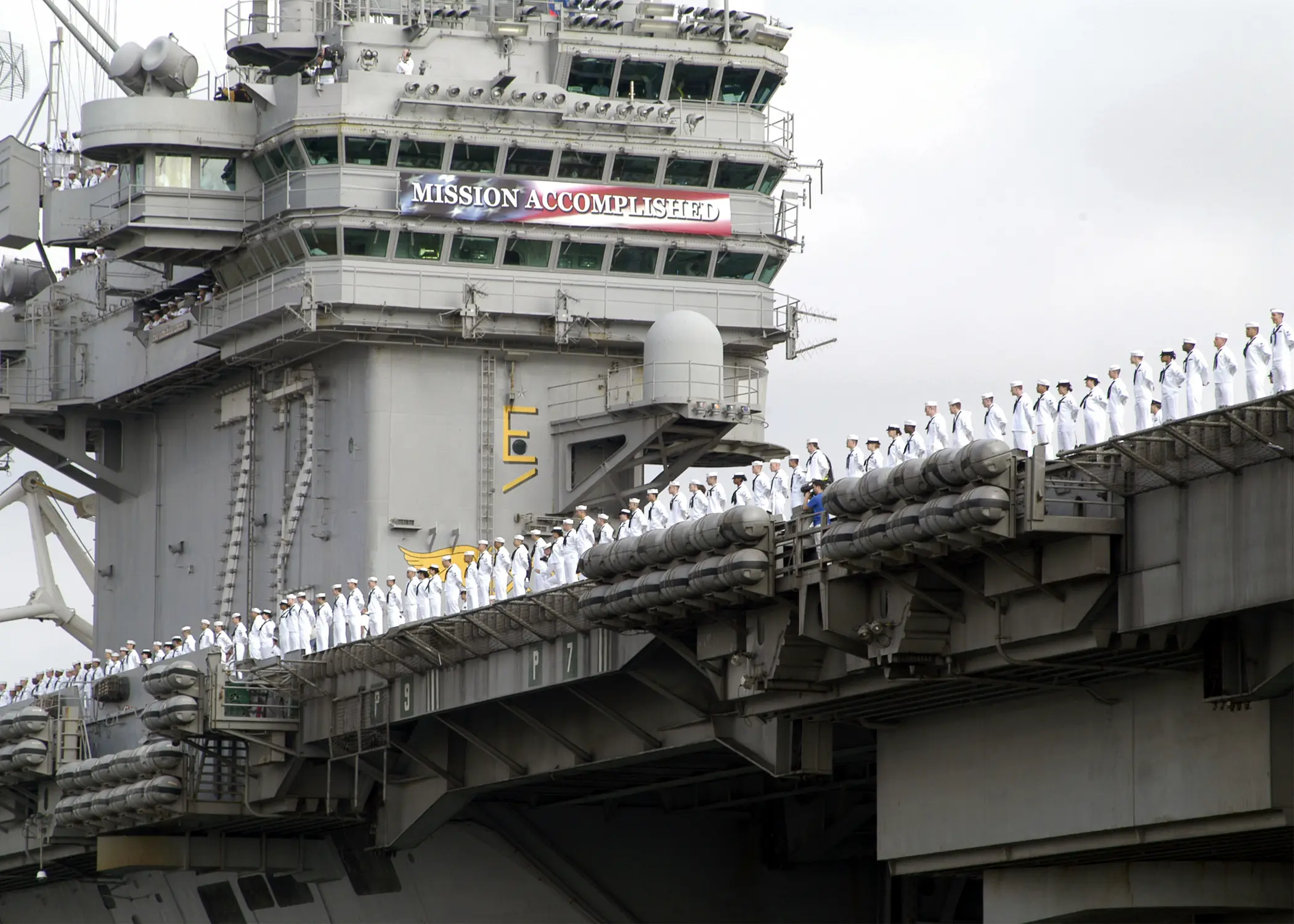
RIM-162 ESSM - Mach 4 speed with 50km range
If a threat slips past the patrol aircraft and escort ships, the carrier’s own medium-range missiles engage. The USS Abraham Lincoln is equipped with the Evolved SeaSparrow Missile (ESSM) system, designed specifically to shoot down agile, supersonic anti-ship missiles. Unlike the vertical launch systems on destroyers, the carrier fires these interceptors from trainable box launchers. They can manoeuvre at extreme G-forces to hit targets up to 50 kilometres away.
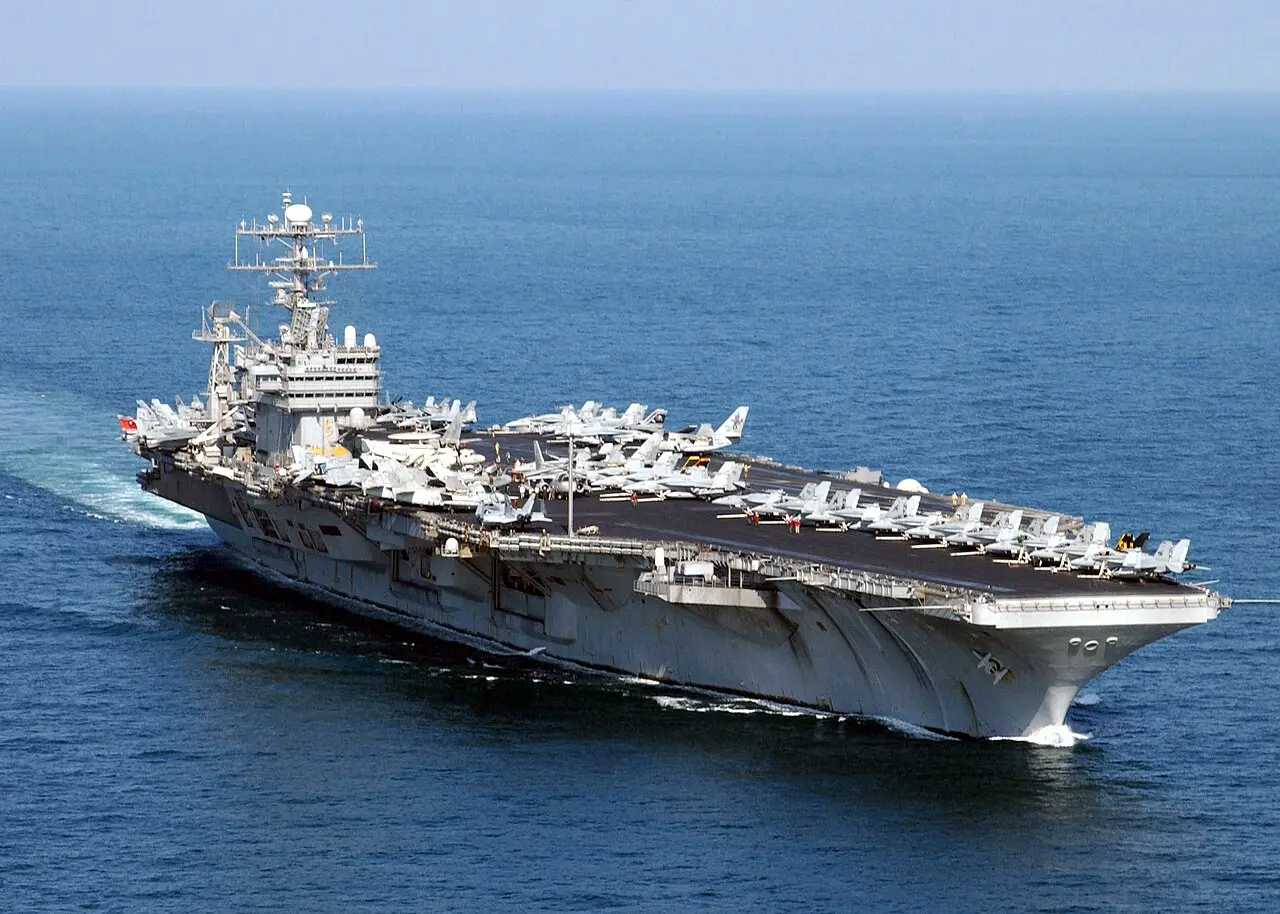
RIM-116 Rolling Airframe Missile 9km protection against sea-skimmers
For threats that get within visual range, the carrier uses the Rolling Airframe Missile (RAM) system. This lightweight, quick-reaction weapon is designed to destroy anti-ship missiles that fly close to the water surface. The launcher holds 21 missiles that lock onto the heat or radar signals of the incoming weapon with high precision. With a range of roughly 9 kilometres, the RAM provides a critical rapid-fire defence against leakers that evade the outer shields.
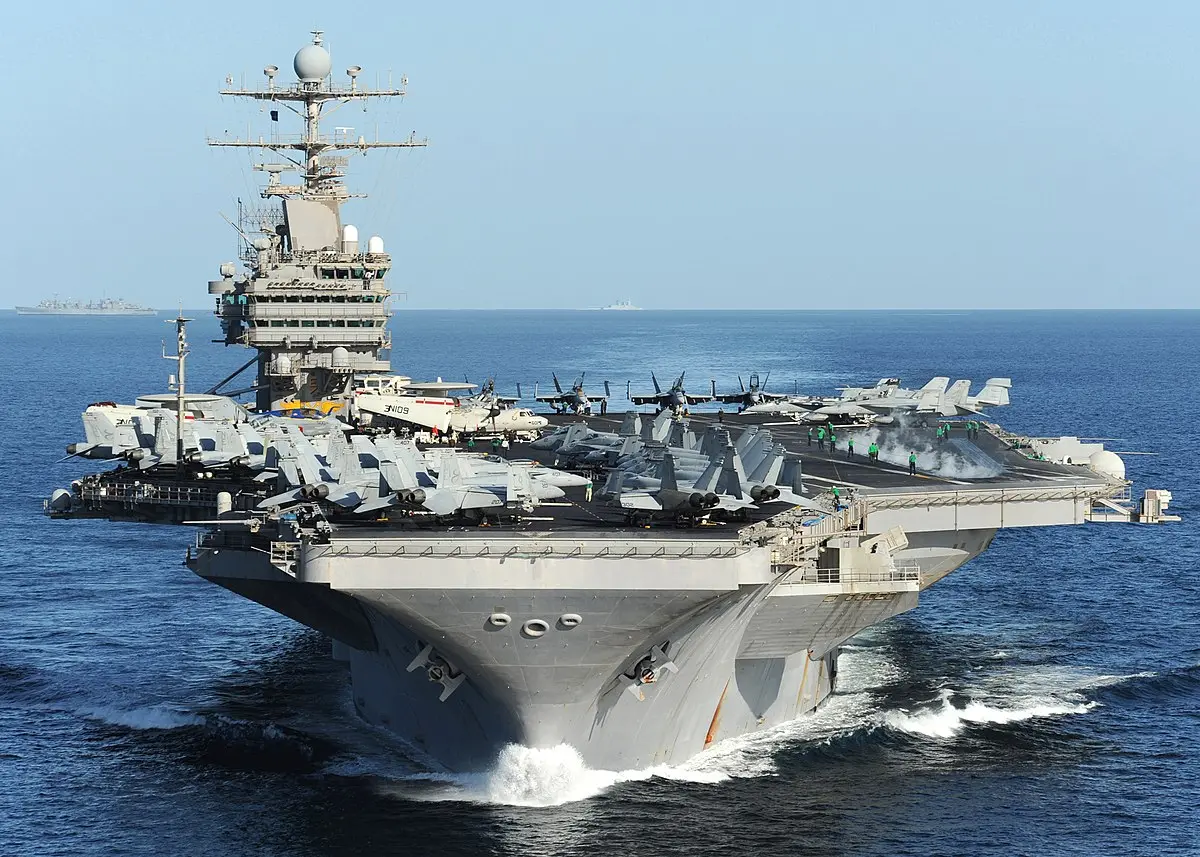
Phalanx CIWS 4,500 rounds per minute at 1.5km
The final hard-kill layer is the Phalanx Close-In Weapon System, often called R2-D2 due to its shape. This radar-guided 20mm Gatling gun automatically tracks and engages missiles or drones that are seconds away from impact. It fires tungsten armour-piercing rounds at a blistering rate of 4,500 shots per minute to shred incoming targets in mid-air. It is the carrier’s last line of defence for threats inside 1.5 kilometres.
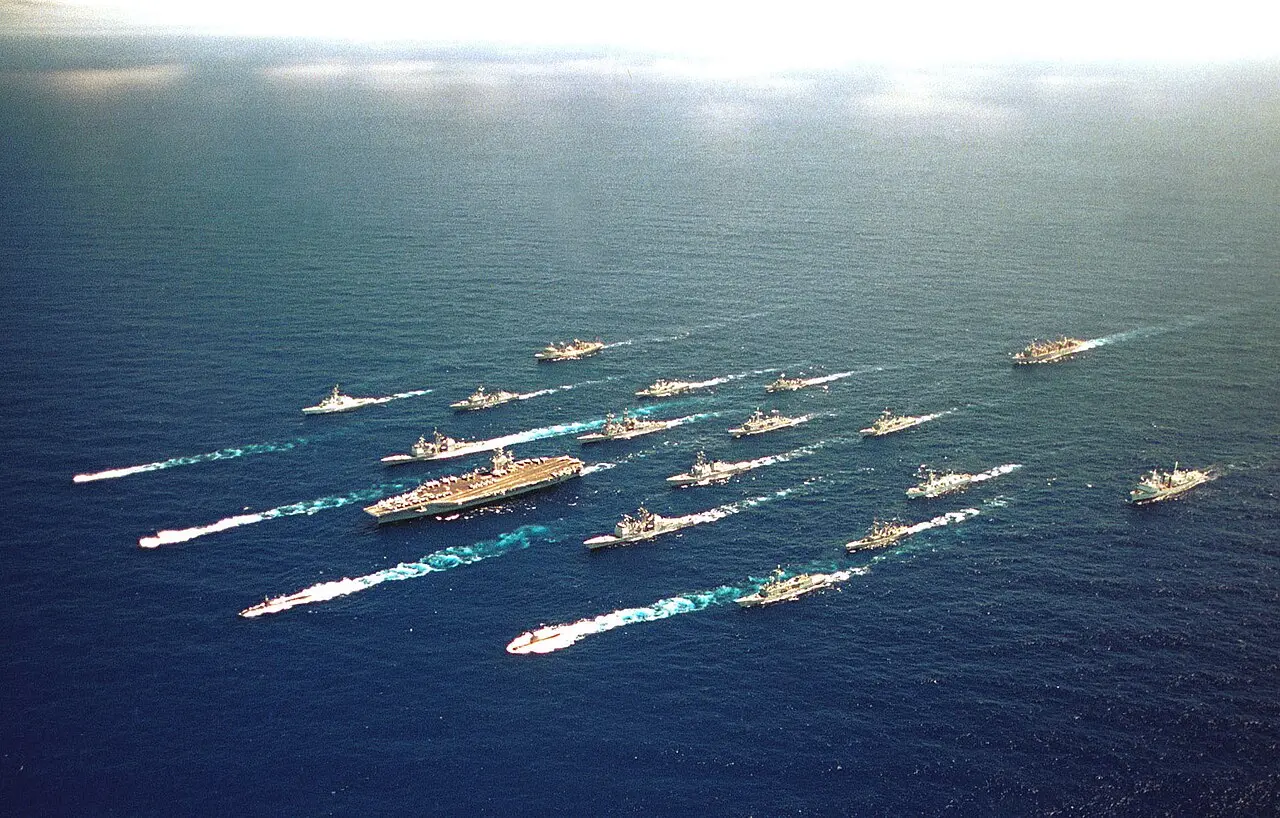
Electronic Warfare Suite Jamming signals to confuse sensors
Not all defences involve shooting; some are invisible. The AN/SLQ-32 Electronic Warfare Suite protects the USS Abraham Lincoln by detecting and jamming enemy radar signals. When an incoming missile tries to lock onto the massive ship, this system blasts electronic noise to blind the missile’s guidance computer. By confusing the attacker’s sensors, the ship can cause the weapon to lose its target and crash harmlessly into the ocean without a single shot being fired.
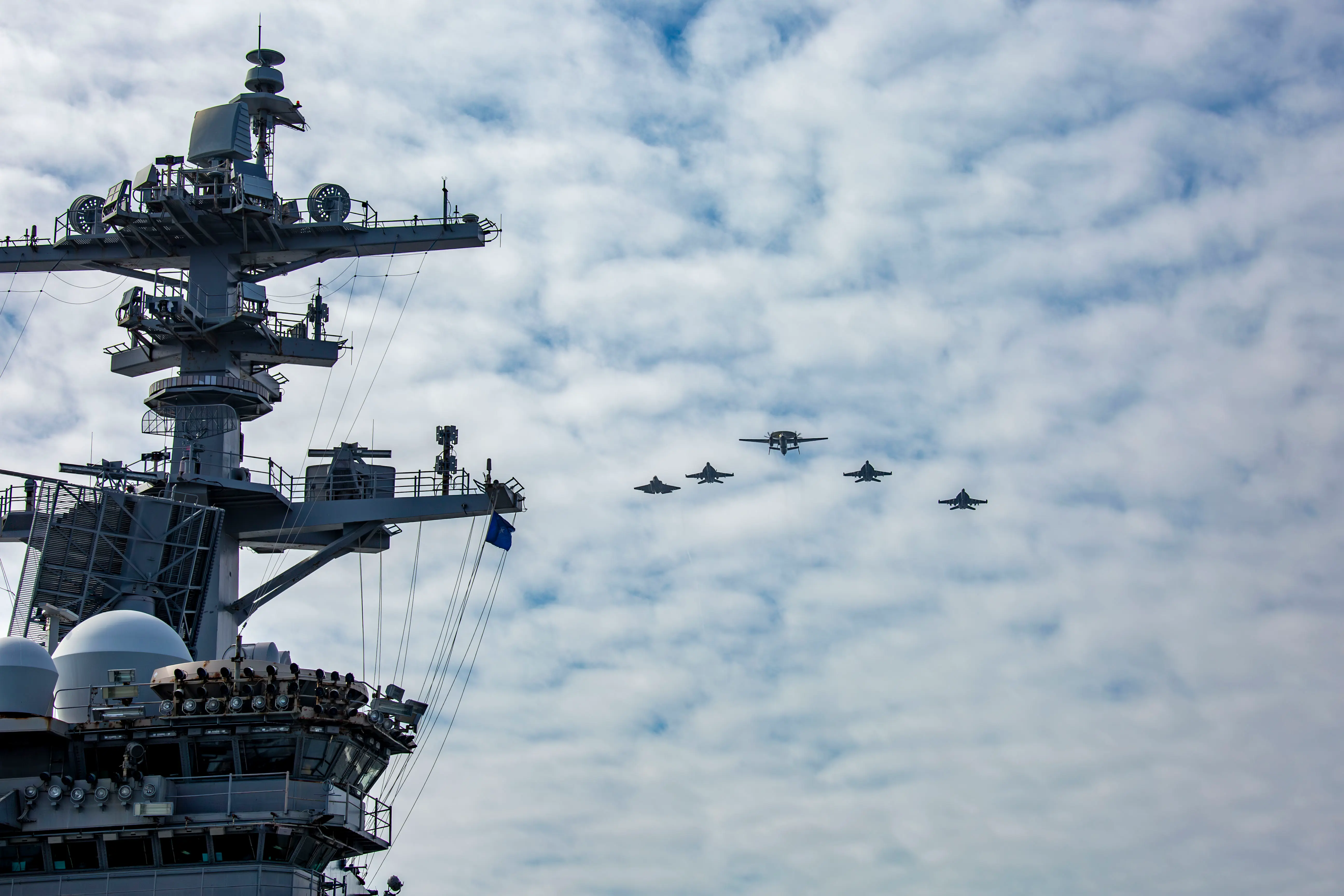
Decoy Launching Systems Distracting missiles with chaff and ghosts
The soft-kill defence also includes advanced decoy systems like the Nulka and Mk 36 SRBOC. These launchers fire canisters that bloom into clouds of metal foil (chaff) or generate fake radar signatures that look like a ship to enemy sensors. An incoming missile is tricked into attacking the hovering decoy instead of the actual carrier. This sophisticated game of distraction works in tandem with the electronic jamming suite to ensure the hull remains untouched.
)
)
)
)
)