Super El Niño to bring drought and deluge in India in 2026. Which regions will feel the heat?

Super El Niño will break 150-year-old records in 2026. Experts say the effects will be similar to what we could see in 2036. India will take a lethal blow, with extreme heat and droughts expected in some parts, and massive floods in a few regions.

Super El Niño to break records in 2026
A Super El Niño is expected to bring heatwaves, floods and droughts to several parts of the world in the coming weeks. This year, the phenomenon has been predicted to be the strongest in nearly 150 years. The last time an El Niño of this proportion slammed Earth was in 1877, and it brought with it famines, with large-scale social consequences in the poorest regions of the world.
IMD predicts El Niño impact in India
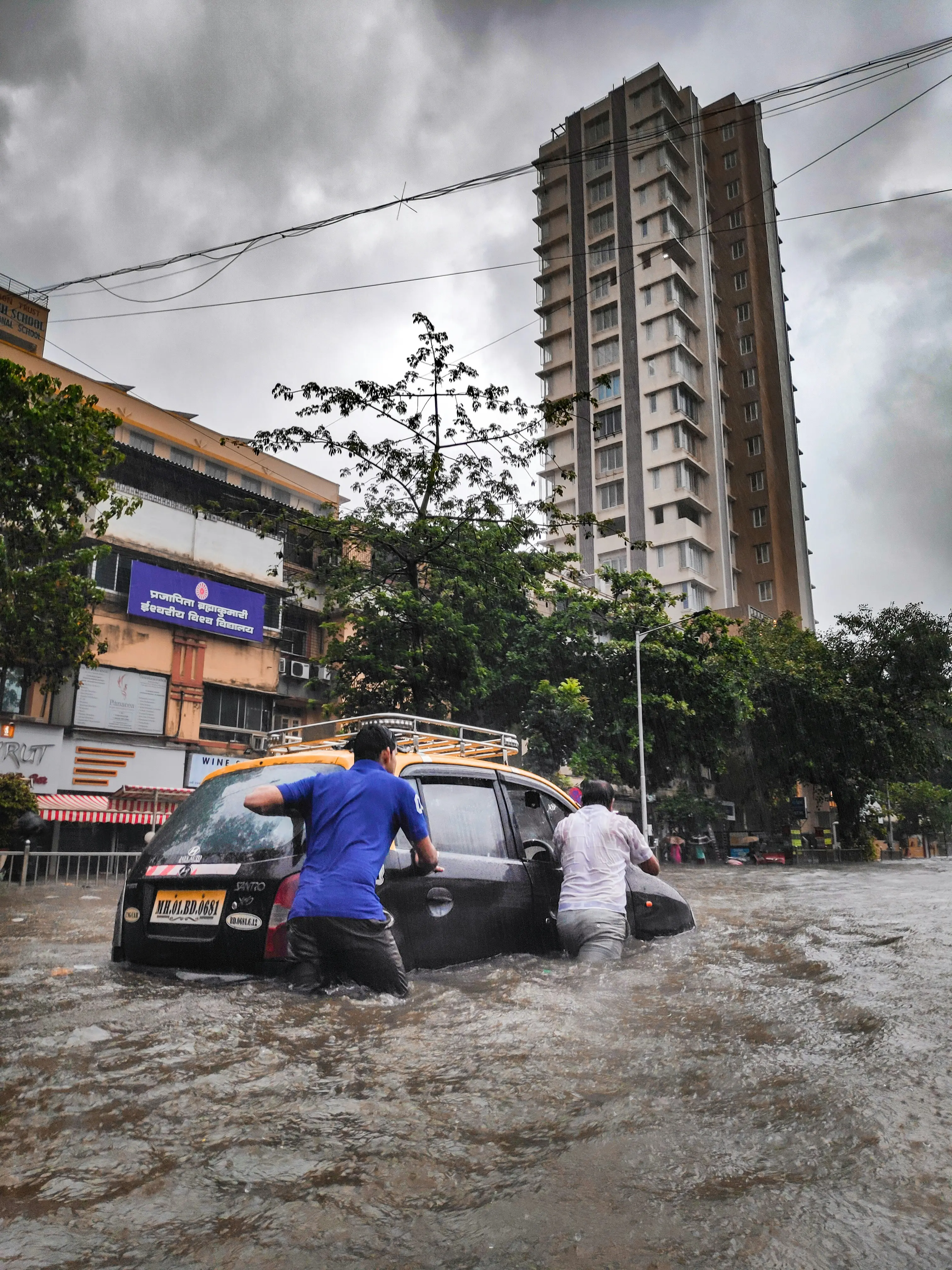
India will face the full wrath of the El Niño, with some parts expected to witness droughts, while others will be submerged by extreme rainfall. The Indian Meteorological Department (IMD) warned last month that the southwest monsoon, the primary rain season that runs from June to September, is likely to be below normal in 2026.
What is El Niño?
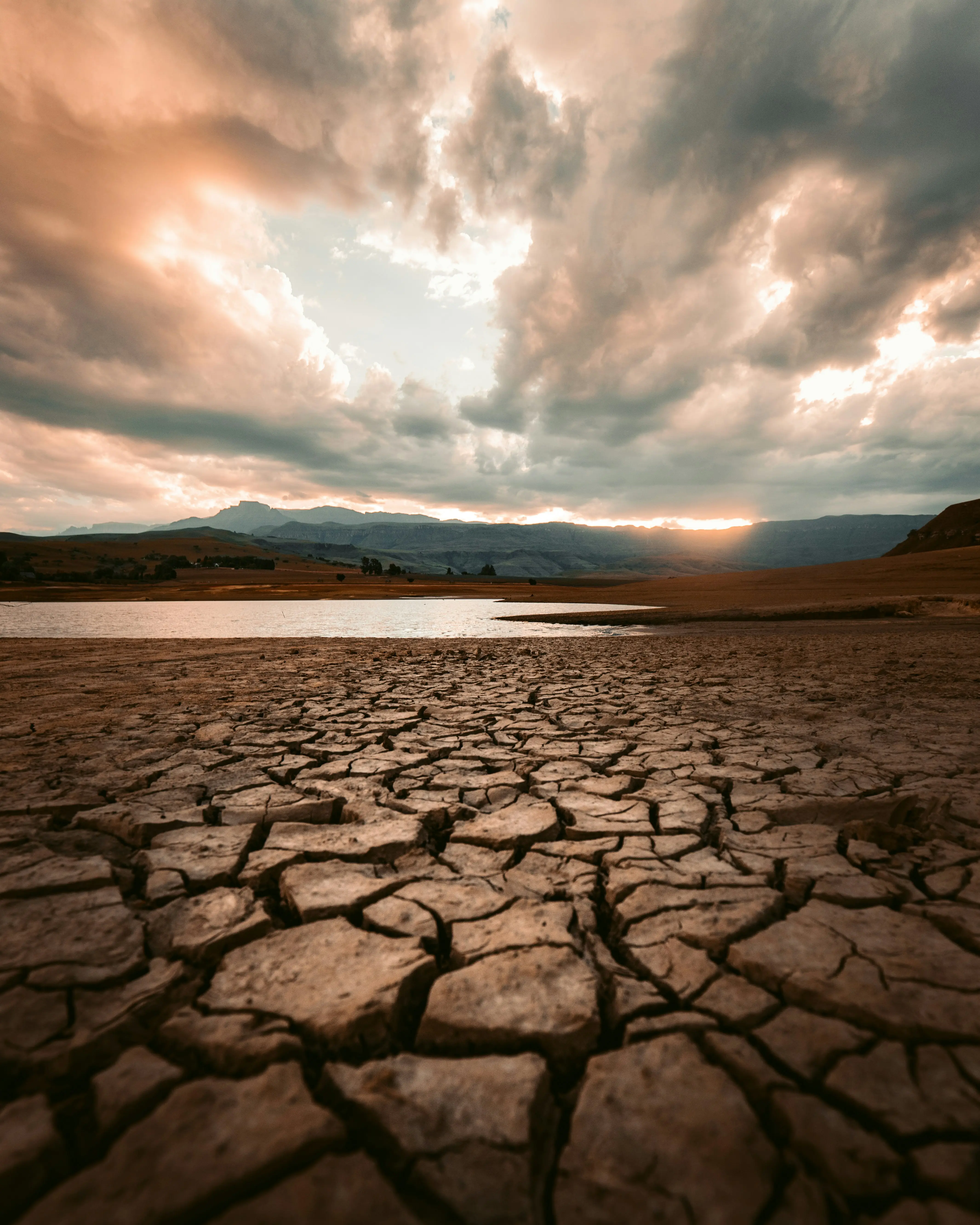
El Niño is a climate pattern that causes unusual warming of surface waters in the central and eastern equatorial Pacific Ocean. In normal conditions, winds blowing from east to west push warm surface water towards Asia and Australia, causing upwelling near South America, where cold, nutrient-rich water rises up from the deep ocean. But in El Niño conditions, these winds weaken or even reverse. Warm water moves back towards the Americas, suppressing cold water.
Droughts and crop damage expected in India
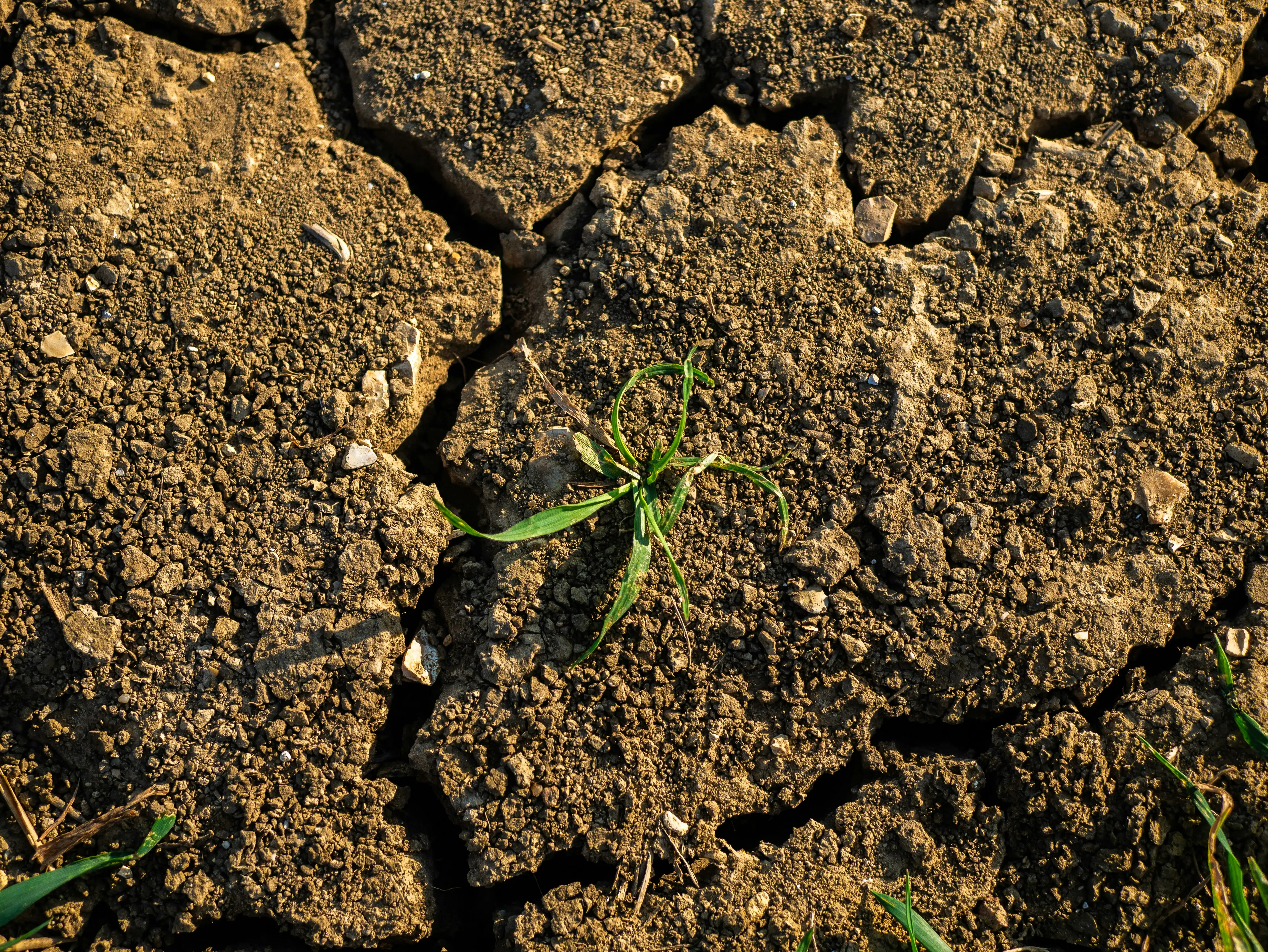
El Niño tends to weaken monsoon winds in India. So an erratic pattern leads to heavy rainfall in some areas, while leaving people high and dry in others. Lack of sufficient rainfall leads to droughts, in turn damaging crops and causing a shortage of grains. El Niño also brings heavier showers in Tamil Nadu and the coastal regions of Andhra Pradesh.
Powerful El Niño could cause below-normal monsoon in India
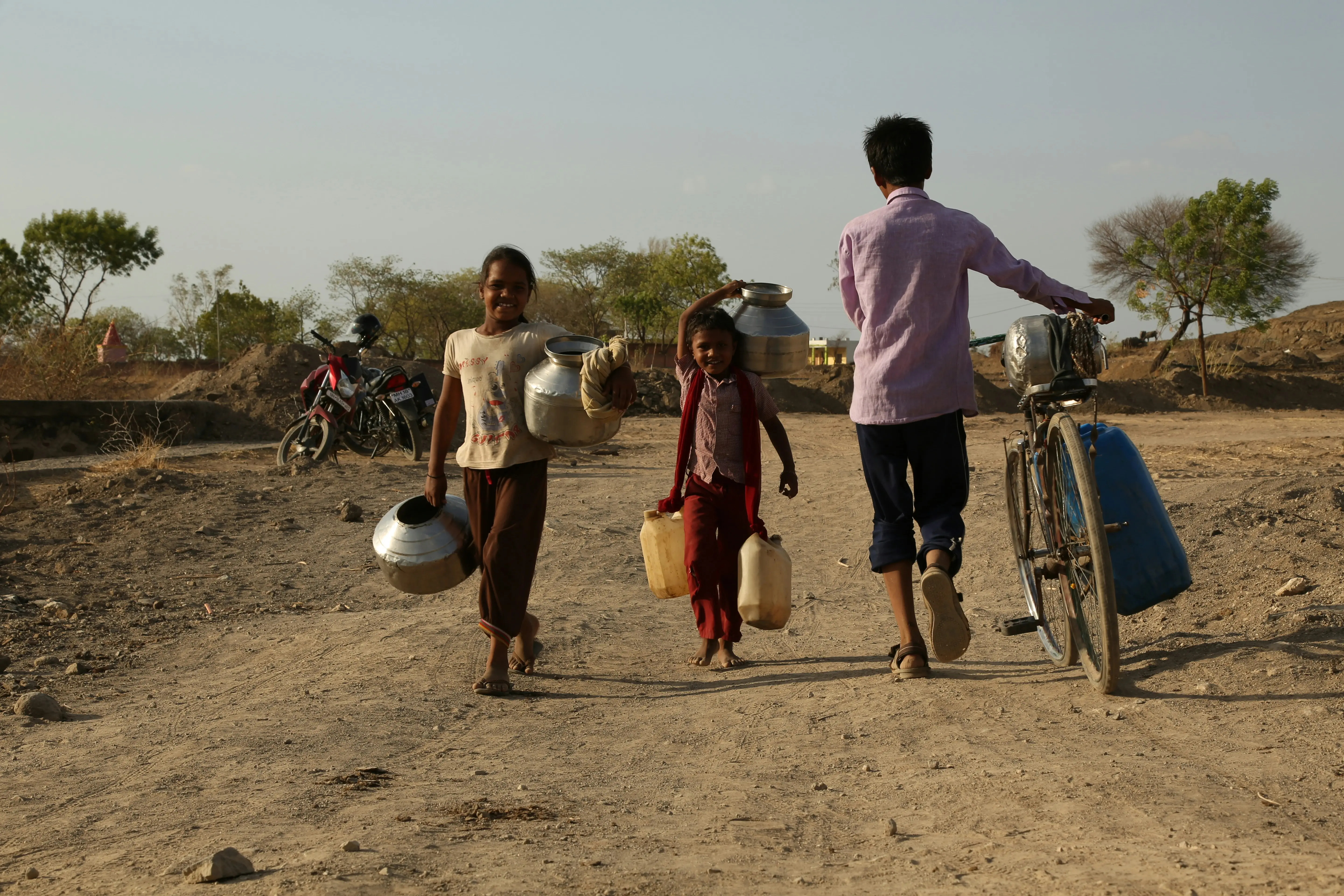
The Indian Meteorological Department (IMD) has forecast this year’s monsoon to be "below normal". Rainfall has been projected to stand at just 92 per cent of the Long Period Average (LPA). The risk of a truly deficient season, with rainfall below 90 per cent of the average, has surged to 35 per cent, more than twice the historical norm of 16 per cent. Global climate models confirm that a powerful El Niño is expected to take hold by mid-2026.
El Niño effects will be strongest in August-September
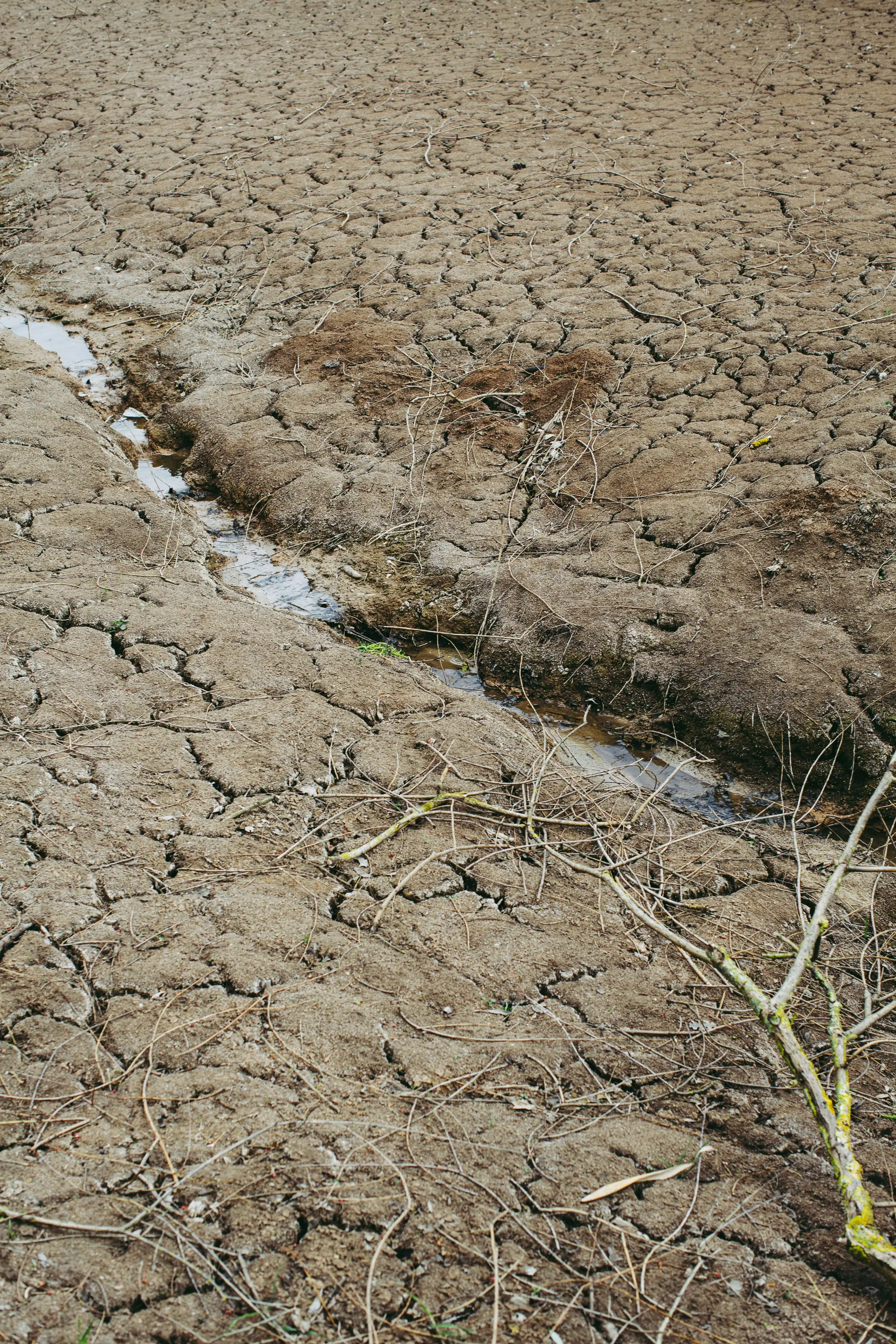
According to meteorologists, the first half of the monsoon in June could remain relatively stable. However, the effects of El Niño would be fully felt by August and September as rainfall will begin to ebb. Drought-like conditions are expected in northern, western, and central regions, with the dry conditions causing crops to fail.
Which parts of India will feel El Niño's heat the most?
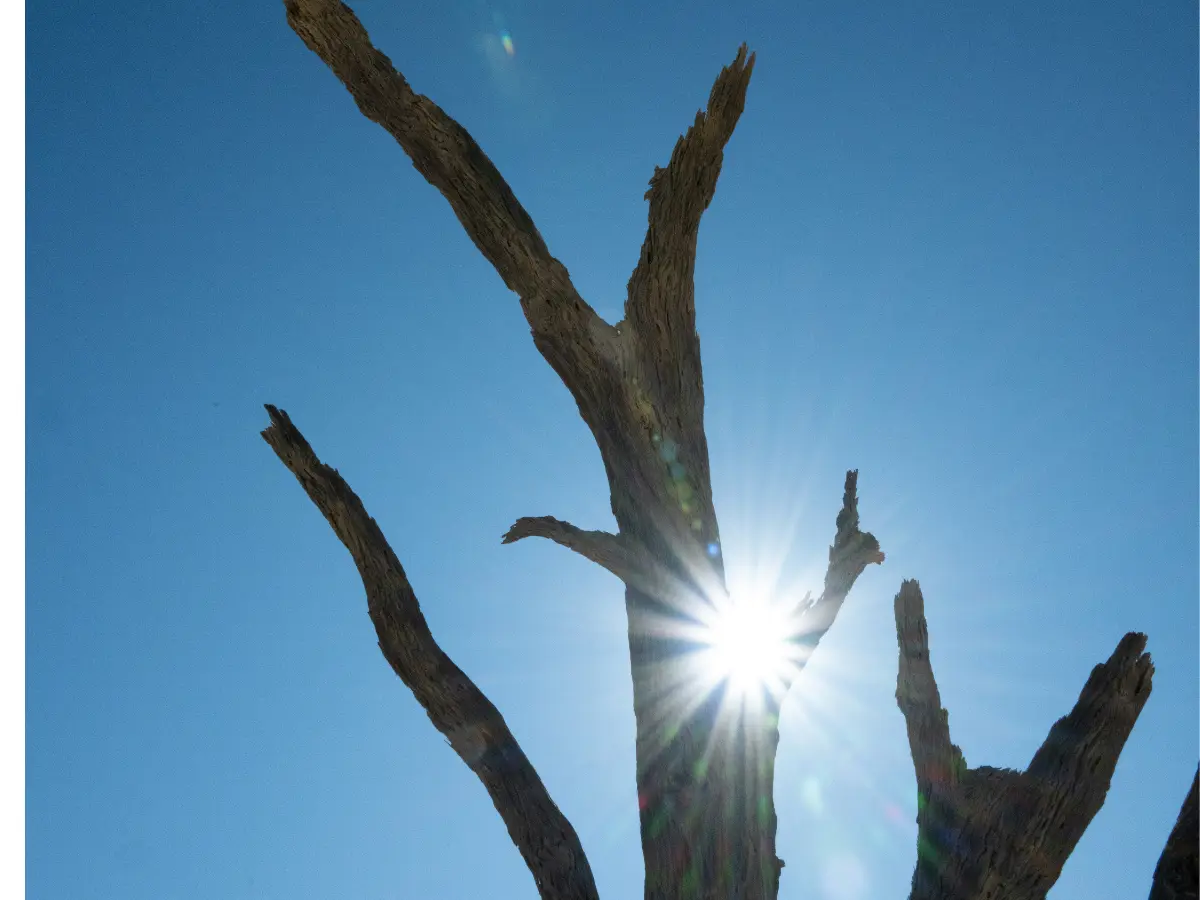
Extremely dry conditions will slam Punjab, Haryana, and Rajasthan, with central and western India expected to receive below-average rainfall. This includes Madhya Pradesh, where Indore, Ujjain, Rewa, Gwalior, Jabalpur, Shahdol, Chambal, Sagar, and Narmadapuram are expected to receive below-normal rain. Normal rainfall is expected in Ladakh, parts of Rajasthan, the Northeast, and the northern south peninsula, including Telangana. Meanwhile, massive floods could hit Tamil Nadu in the south.
)
)
)
)
)