Sunken history: 2,400-year-old city found underwater in Turkey's Dicle Dam Lake - More details inside

A 2,400-year-old town discovered beneath Dicle Dam Lake reveals remarkably preserved homes, tombs, and religious sites. Hidden for decades, the underwater settlement offers rare insights into ancient life in the Tigris River Valley.
The 2,400-year-old town in Turkey
Archaeologists have discovered a 2,400-year-old town under the waters of the Dicle Dam Lake in southeastern Turkey. The structure has revealed an ancient life preserved for millennia. According to the report published by Dicle University, highlights that the discovery of entire neighbourhoods, including tombs, mosques, and religious schools, has remained perfectly preserved underwater.
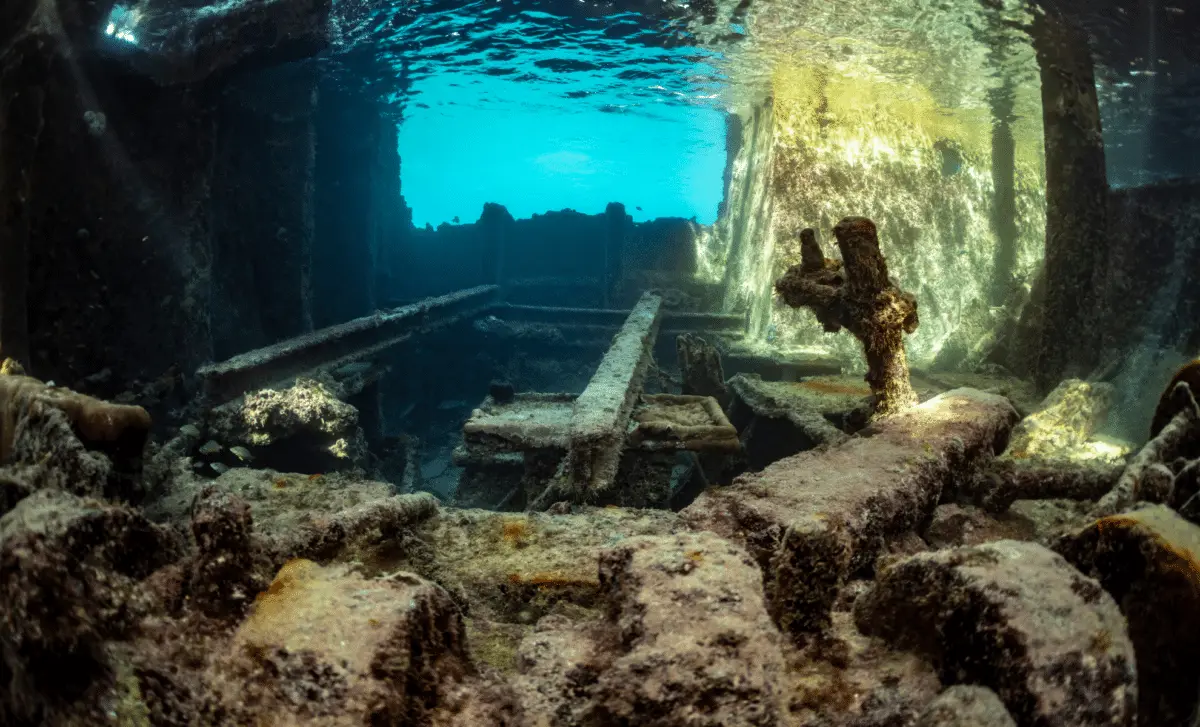
Dicle Dam Lake
Formed after a dam was built in the late 1990s, the lake has unintentionally served as a time capsule, preserving the remains of a once-flourishing settlement. Submerged for decades, structures such as tombs, a mosque, and a madrasa have remained remarkably intact due to the stillness of the water and the absence of human disturbance. These discoveries offer researchers a rare chance to examine the design and structure of an ancient community. Analysis of recent underwater footage by the team reveals significant details about the town’s original layout, showing that the submerged area provides an exceptionally well-preserved window into the past.

Tigris River Valley
Before the dam was built in the 1980s, the Eğil district in the Tigris River Valley had long been home to numerous ancient civilisations. From the Hittites to the Ottomans, the region has served as a meeting point of empires, each successive culture leaving behind distinct traces. The submerged town lies within this historically rich setting, surrounded by cliffs featuring rock-cut tombs and inscriptions from bygone rulers.

Layers of Civilizations
The underwater site offers insight into a place shaped by successive civilisations over centuries. As empires rose and declined, they added to the region’s layered history. Although the submerged remains are relatively recent compared to the valley’s ancient past, they still provide a meaningful link to earlier times.

Historical Significance
These underwater ruins highlight the enduring importance of the region and its transformation across millennia. Their remarkable state of preservation presents both a unique research opportunity and a challenge for archaeologists. Factors such as changing water levels, sediment movement, and erosion pose risks, making documentation and conservation efforts essential to protect this heritage.
)
)
)
)
)