Suez Canal to Greenland: Moments when US-Europe ties were pushed to the brink

Although NATO allies largely cooperate today, recurring diplomatic rifts have repeatedly tested the alliance, shaped by divergent strategic priorities and national interests over the decades.
Introduction
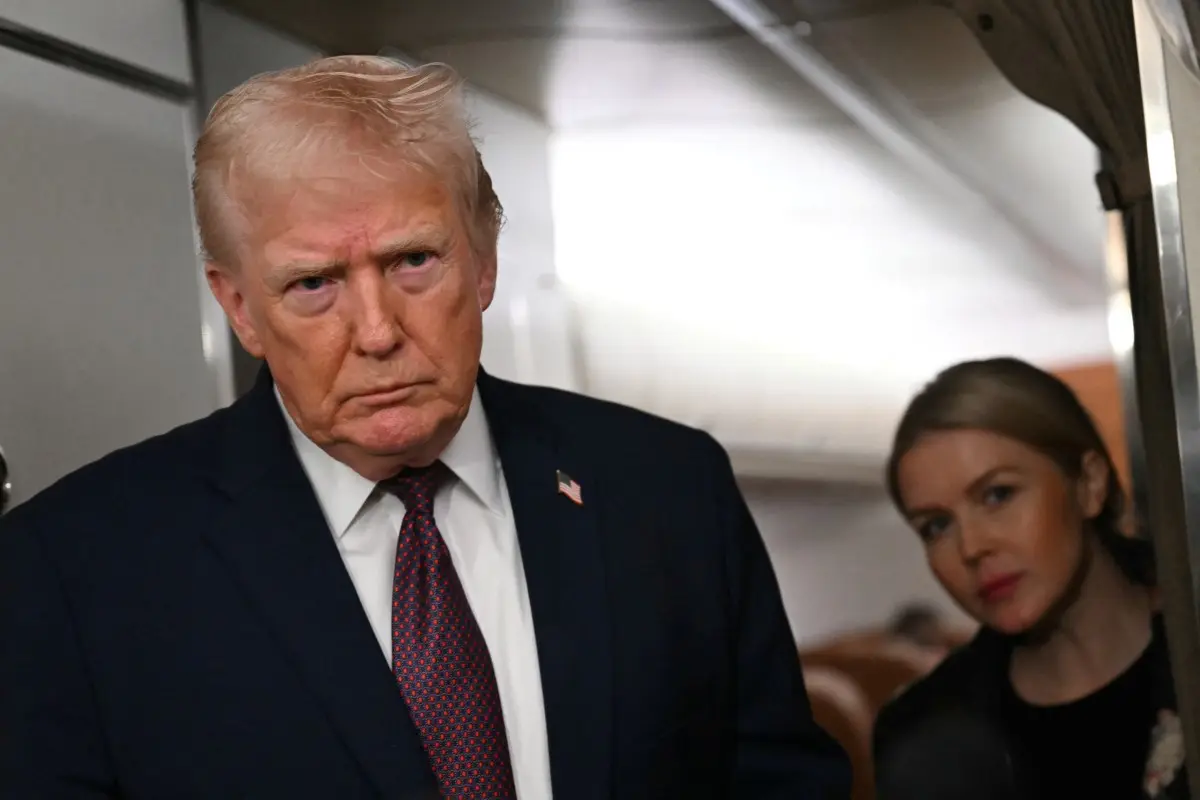
US President Donald Trump has warned that an additional 10 per cent tariff will be imposed from February 1 on imports from eight European nations, rising to 25 per cent from June 1 if no agreement related to Greenland is reached. The standoff over the Arctic territory marks the latest episode in a long history of tensions between the United States and Europe, stretching back to the mid-20th century. Although NATO allies largely cooperate today, recurring diplomatic rifts have repeatedly tested the alliance, shaped by divergent strategic priorities and national interests over the decades. Here is a look at major disagreements that have strained US-Europe relations.
Suez Crisis
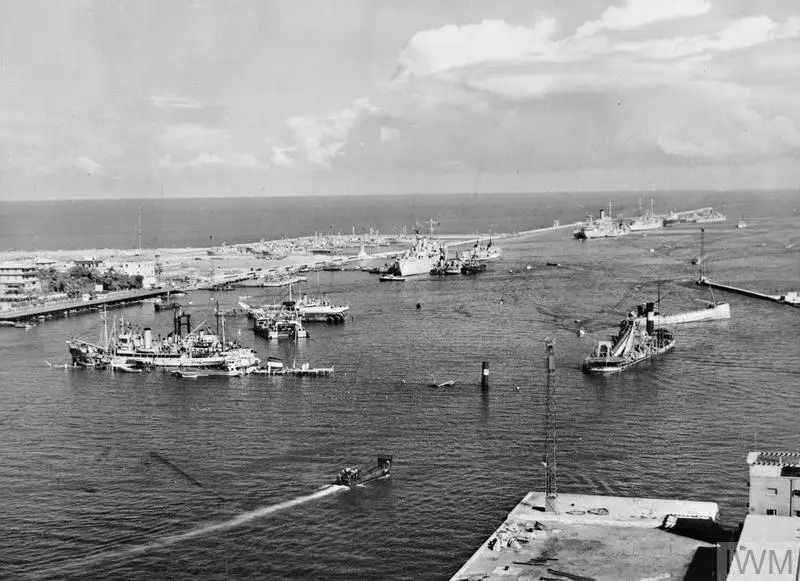
On July 26, 1956, Egyptian President Gamal Abdel Nasser announced the nationalization of the Suez Canal Company, the joint British-French enterprise which had owned and operated the Suez Canal since its construction in 1869. In the same year, France and the United Kingdom, together with Israel, invaded Egypt in an attempt to regain Western control of the Canal. The United States, under President Dwight D. Eisenhower, applied intense diplomatic and economic pressure, which included threats to undermine the British pound, to force a withdrawal resulting in ceasefire on November 6. This move significantly strained relations with London and Paris and marked a decline in European postwar influence.
Vietnam War
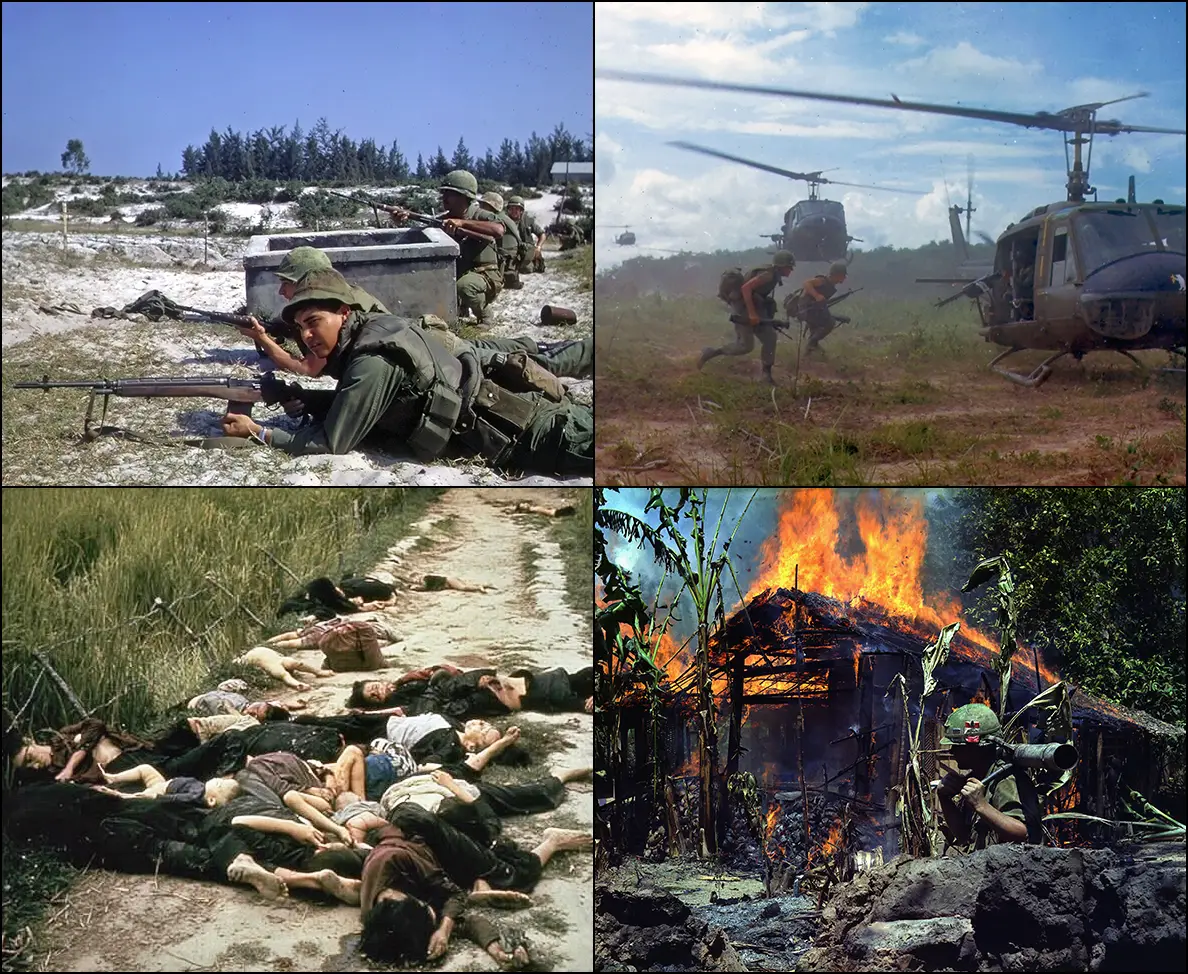
During the Vietnam War, most Western European governments offered diplomatic support to the United States but stopped short of sending combat troops. Even though Britain supported the US action in Vietnam in public, the Wilson government refused to send troops to South East Asia. This reluctance reflected widespread public opposition to the conflict across Europe and created a rift in transatlantic unity, with European leaders having to balance support for Washington and their own domestic political pressures.
Euromissile tensions in the 1980s
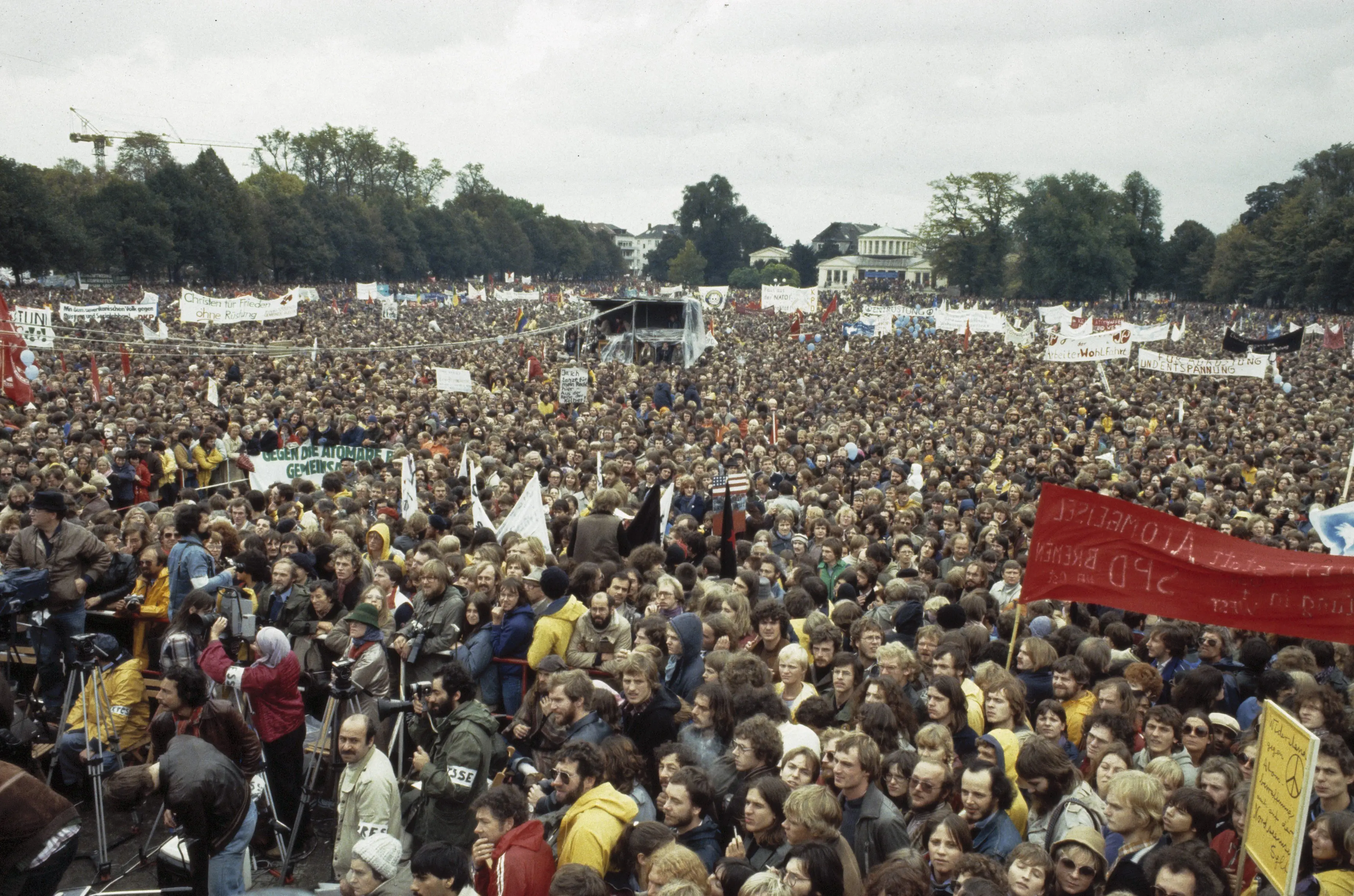
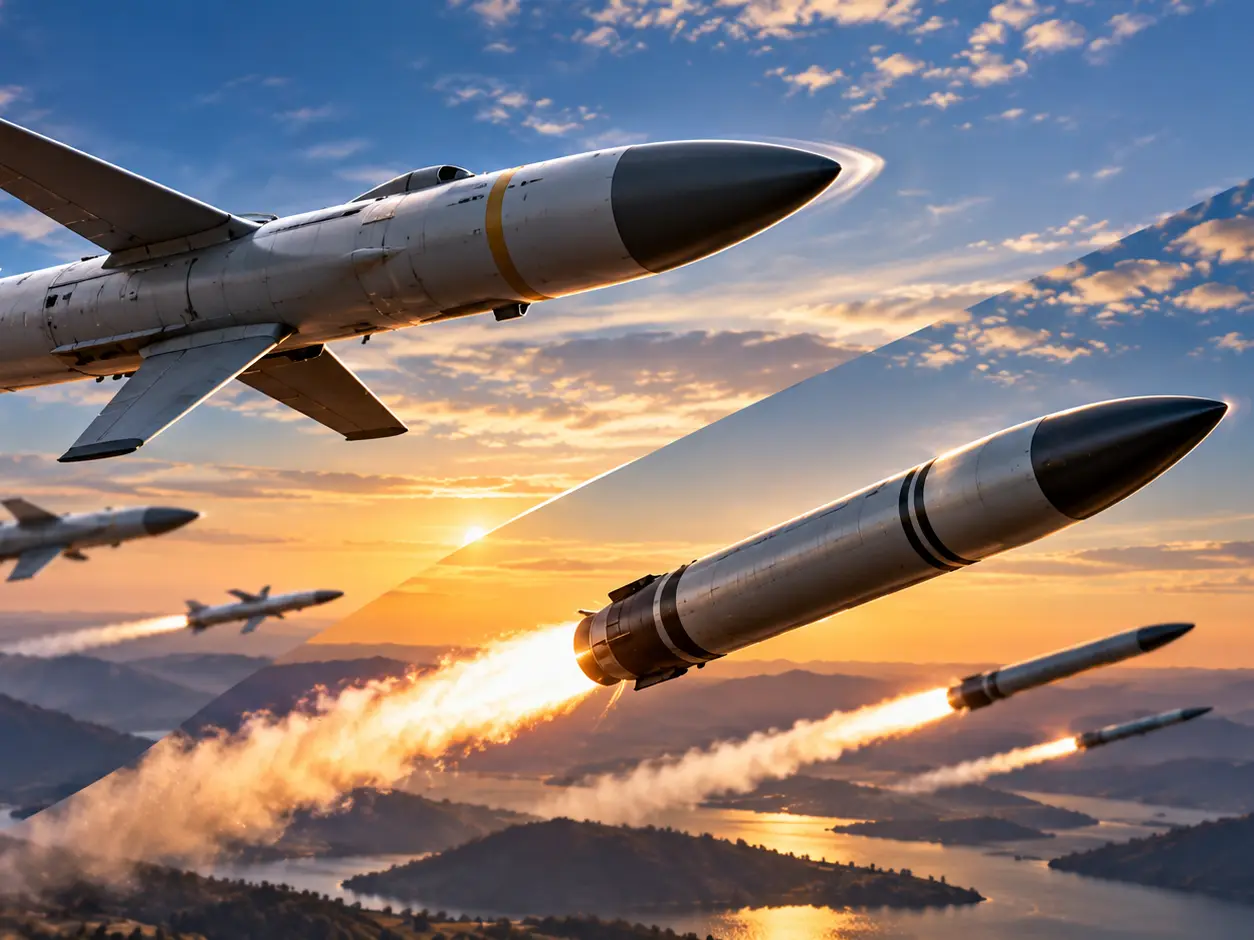
The deployment of US Pershing II and cruise missiles in Western Europe in response to Soviet SS‑20 missiles triggered massive public protests and unease. Several European populations and governments viewed the deployments with alarm, complicating NATO strategy and demonstrating the challenge of aligning US and European defence priorities.
Iraq War
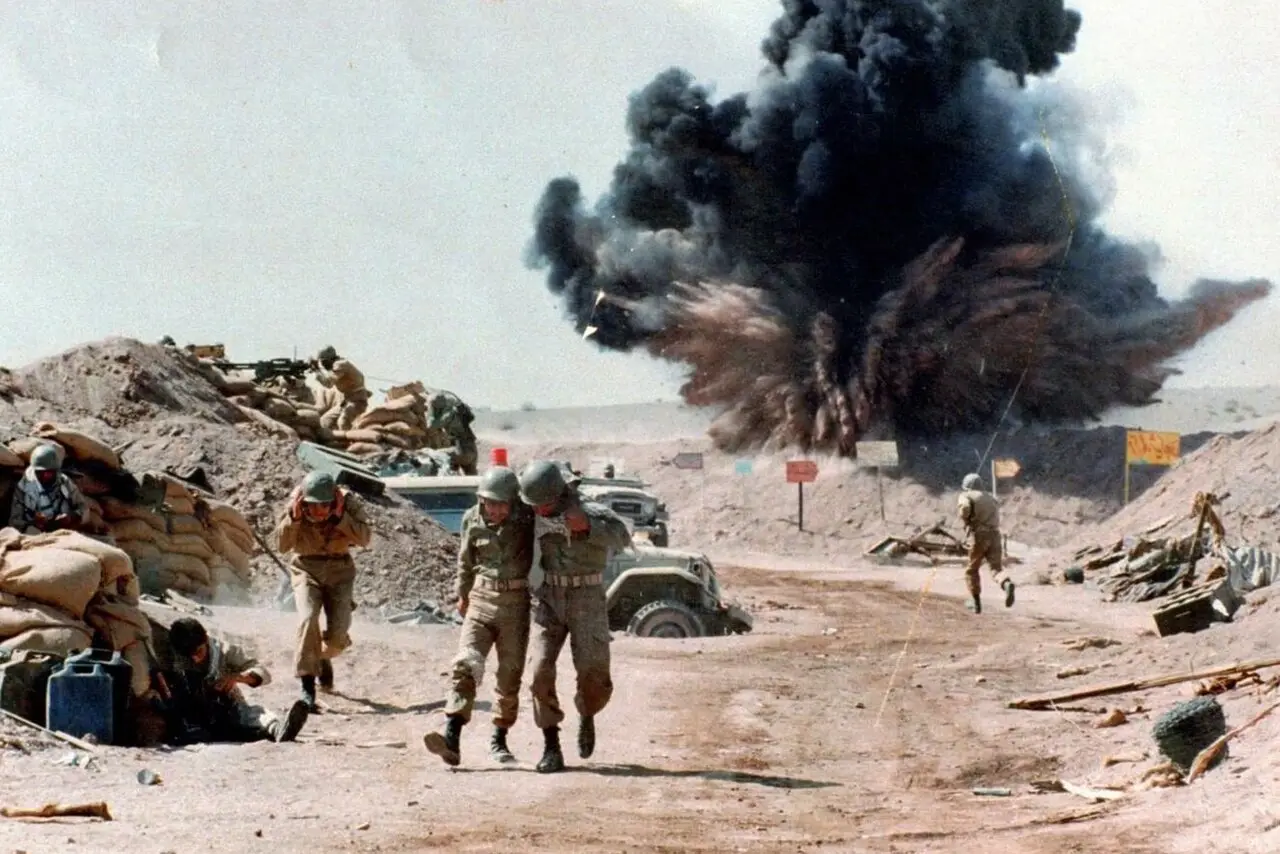
In 2003, the US invasion of Iraq deepened transatlantic strains, particularly with France and Germany, which openly opposed military action on then President Saddam Hussein’s government. The disagreement highlighted divergent views on international law and the use of force, exacerbating diplomatic tensions at a time when coordination between Washington and major European capitals was seen as crucial for global security. According to AP, Washington officials rebuked Paris and Berlin, with US Defense Secretary Donald Rumsfeld referring to them as ‘Old Europe’ and praising Eastern European countries as ‘New Europe’.
Greenland dispute
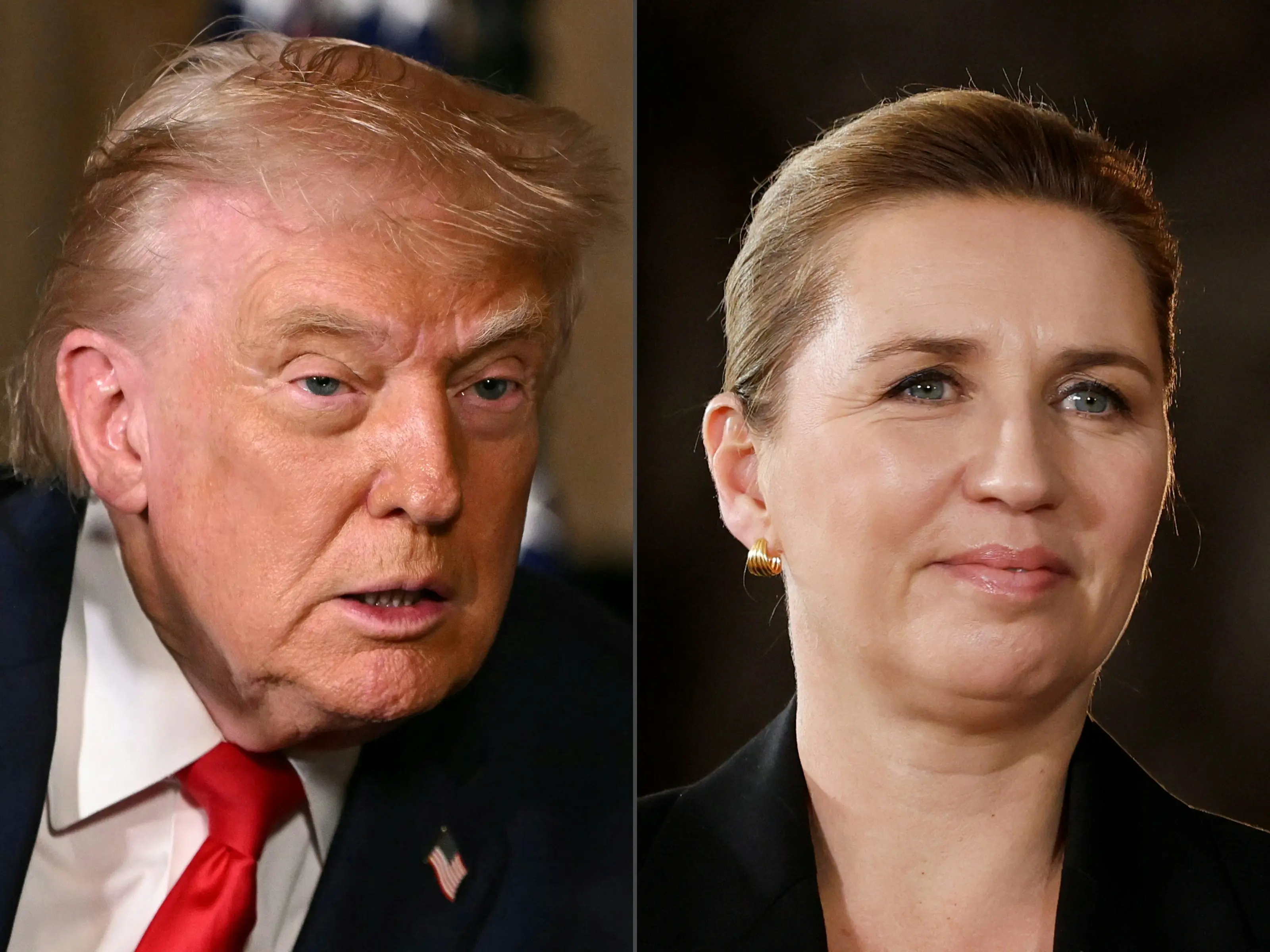
The Greenland dispute has once again brought transatlantic tensions to the surface. Since 2025, US President Donald Trump pushed for American control of the Arctic territory, repeatedly arguing that Greenland is vital to US national security and to countering the growing influence of Russia and China in the region. European countries, on Thursday, responded by deploying small numbers of military personnel to the island, as Denmark confirmed it was moving ahead with plans for a larger and more permanent NATO presence to secure Greenland. Trump, in turn, threatened additional 10 per cent tariffs on eight European nations including Denmark, Norway, Sweden, France, Germany, the Netherlands, Finland and Great Britain, framing the measures as a response to their opposition. The levy would rise to 25 per cent on June 1 unless an agreement linked to Greenland is reached.
)
)
)
)
)