Su-57 vs F-35: Radar stealth, speed and missile tech compared

Compared Su-57 and F-35 on radar stealth, speed and missile technology, shape, materials, kinematics, sensors.
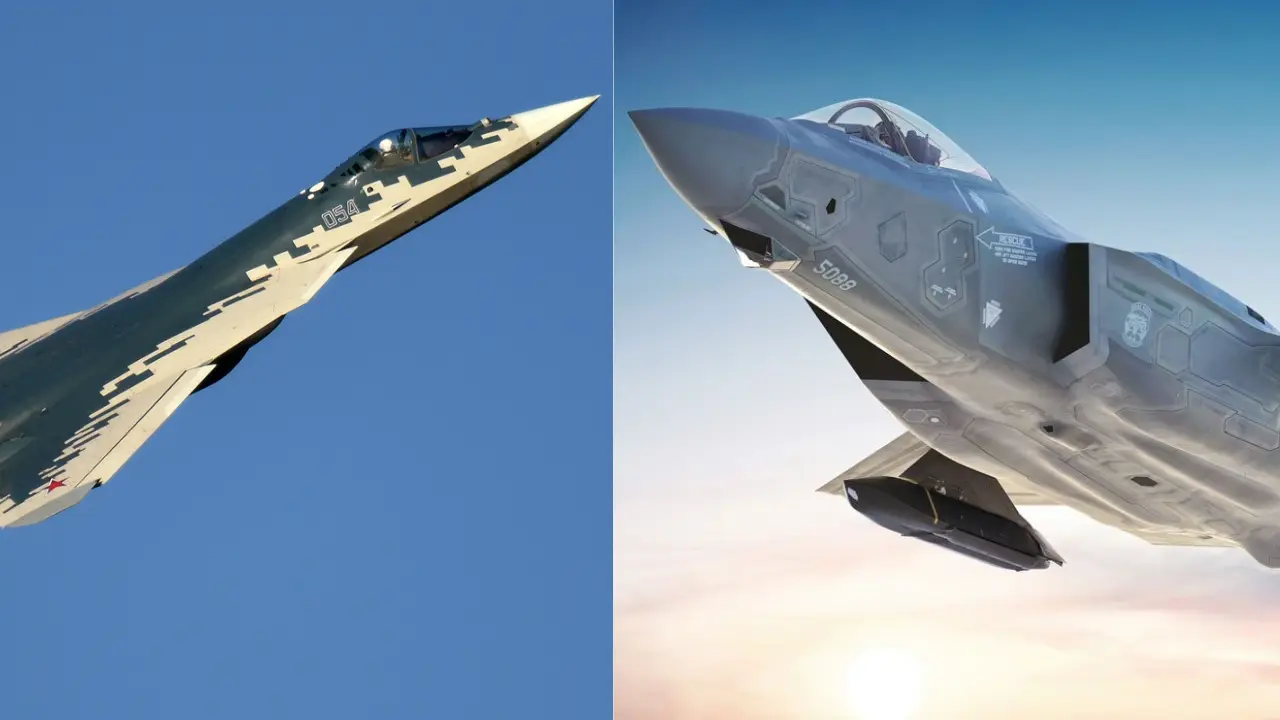
Radar evasion starts with shaping
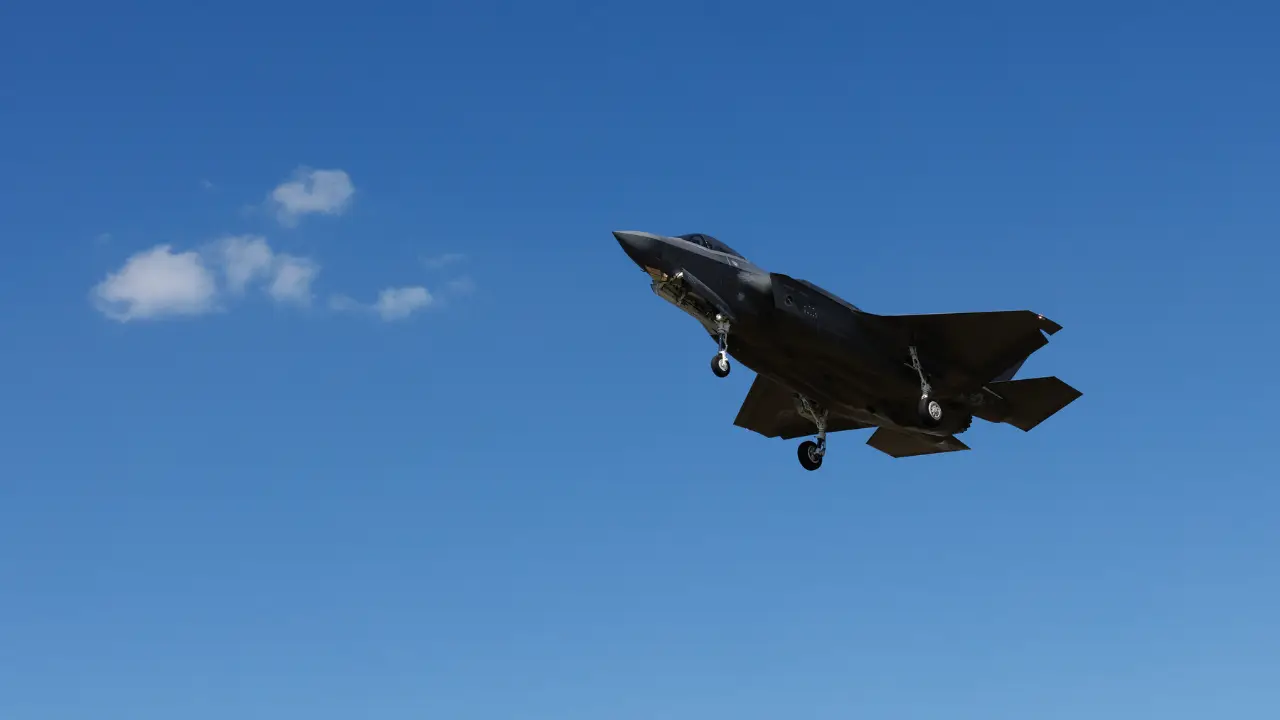
The F-35 uses extreme planform alignment and internal edge treatments to minimise returns, optimised for X-band threats. The Su-57 uses stealth shaping with broader aero surfaces and L-band leading-edge arrays, trading some signature discipline for multi-band sensing and agility.
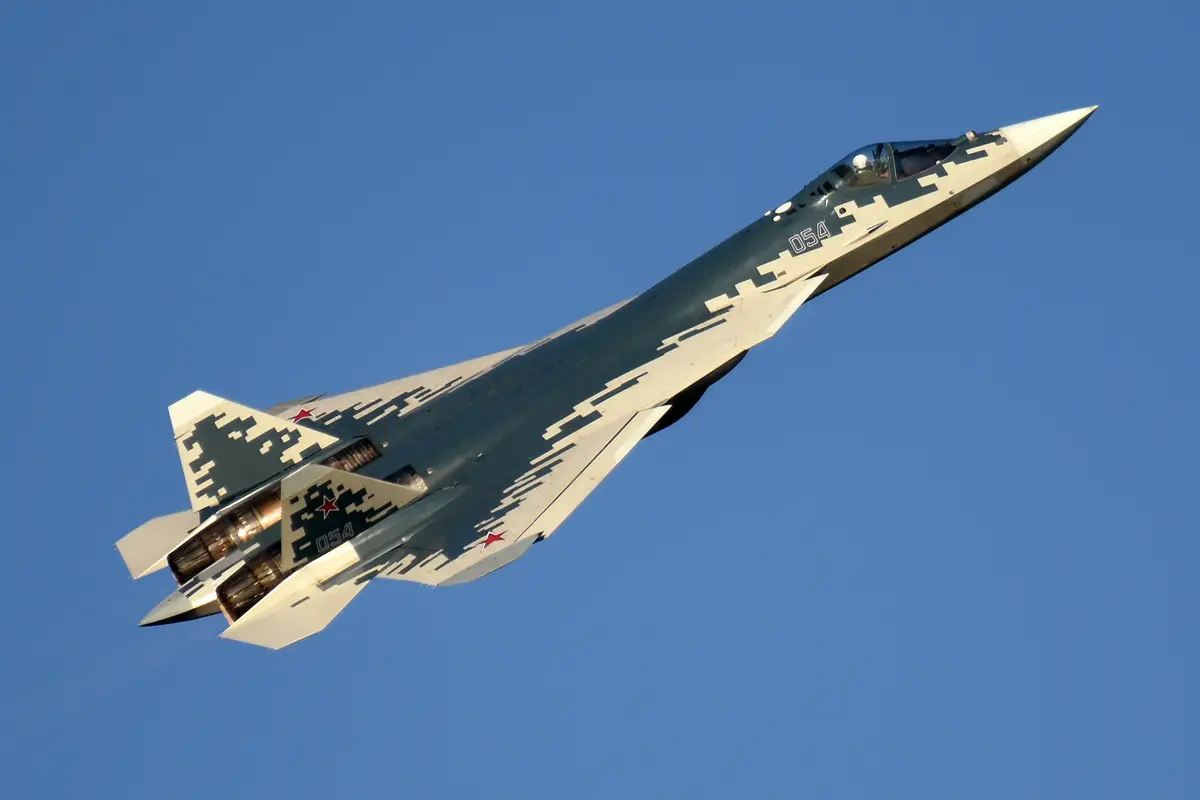
Materials
Both employ radar-absorbing coatings, sawtooth edges and serrated doors. Western sources credit the F-35 with lower frontal RCS consistency, while the Su-57 reportedly focuses on aspect-dependent reduction, aiming to be hardest to see head-on and during high-energy ingress.
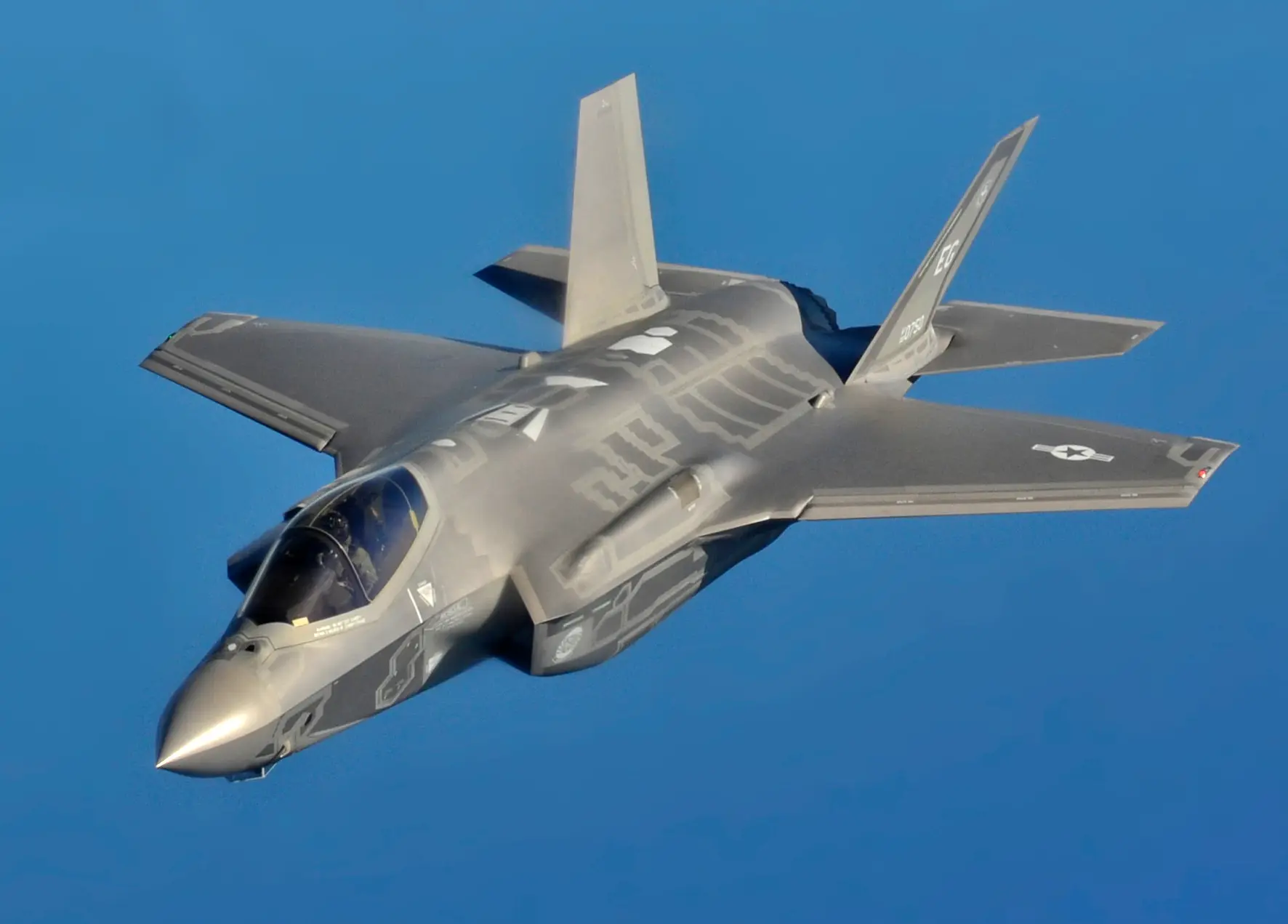
Speed and altitude
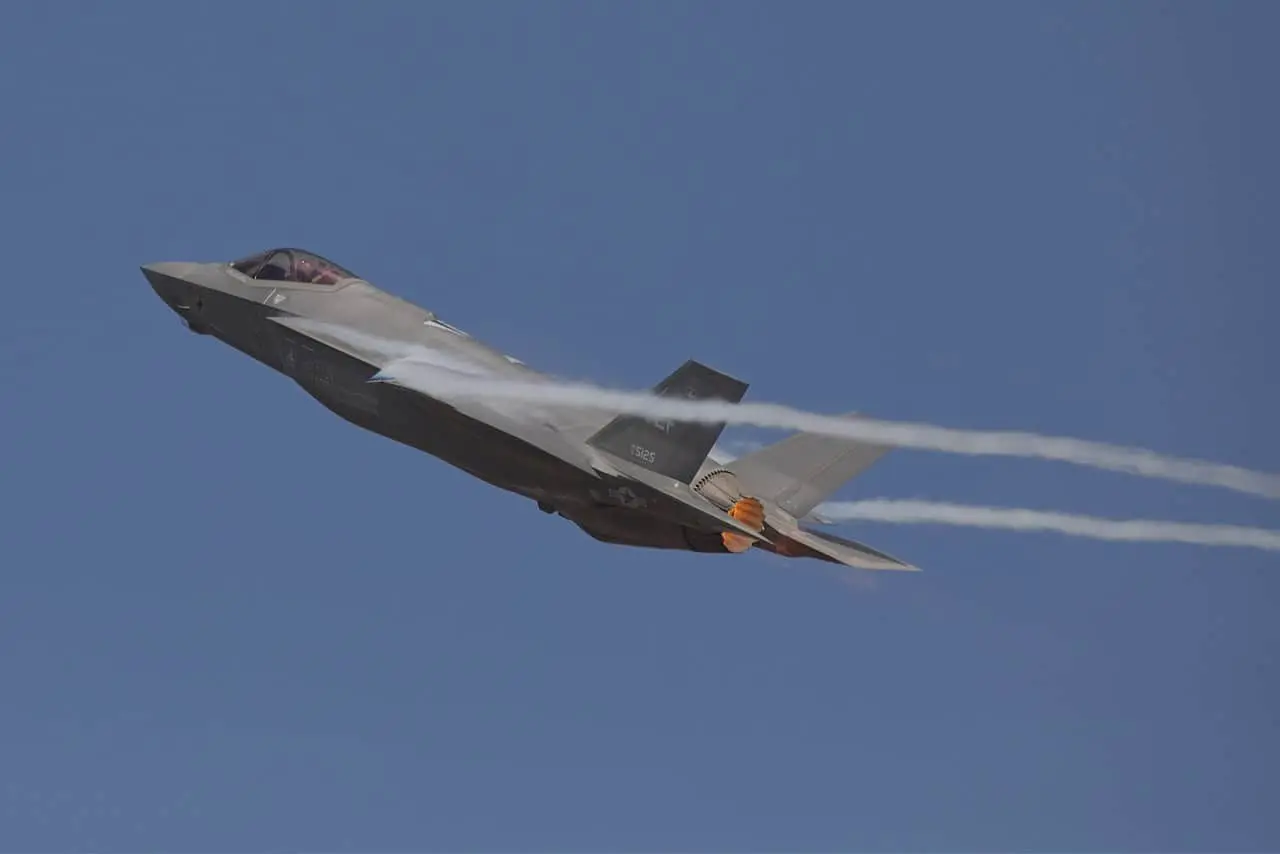
The Su-57 pursues sustained supersonic dash with powerful engines and efficient inlets, prioritising kinematics and supermanoeuvrability. The F-35 emphasises sensor fusion and low-observable persistence at sub-to-low-supersonic speeds, with brief supersonic segments when required.
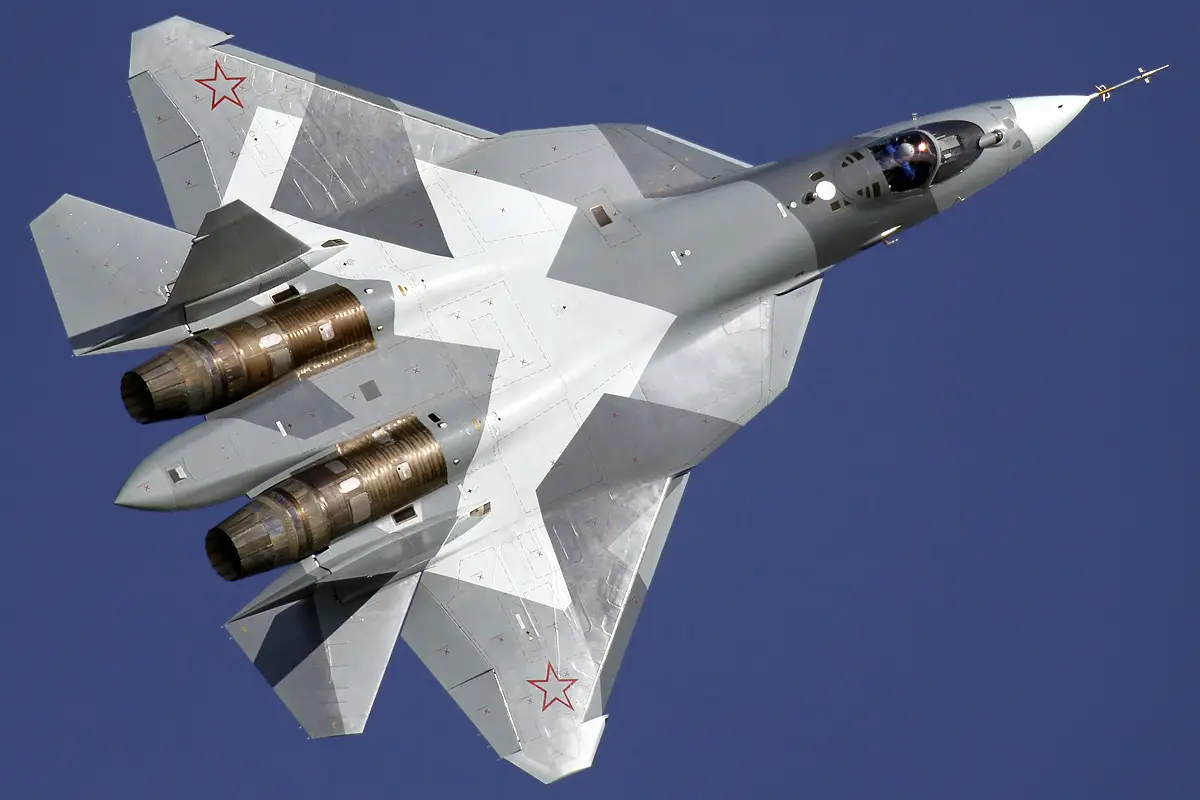
Missile tech
The F-35 commonly pairs AIM-120 and AIM-9X variants internally, adding long-range options externally if rules allow. The Su-57 integrates R-77-1 derivatives, very-long-range air-to-air concepts, and evolving short-range high off-boresight missiles, with bays sized for mixed loadouts.
Sensors and fusion
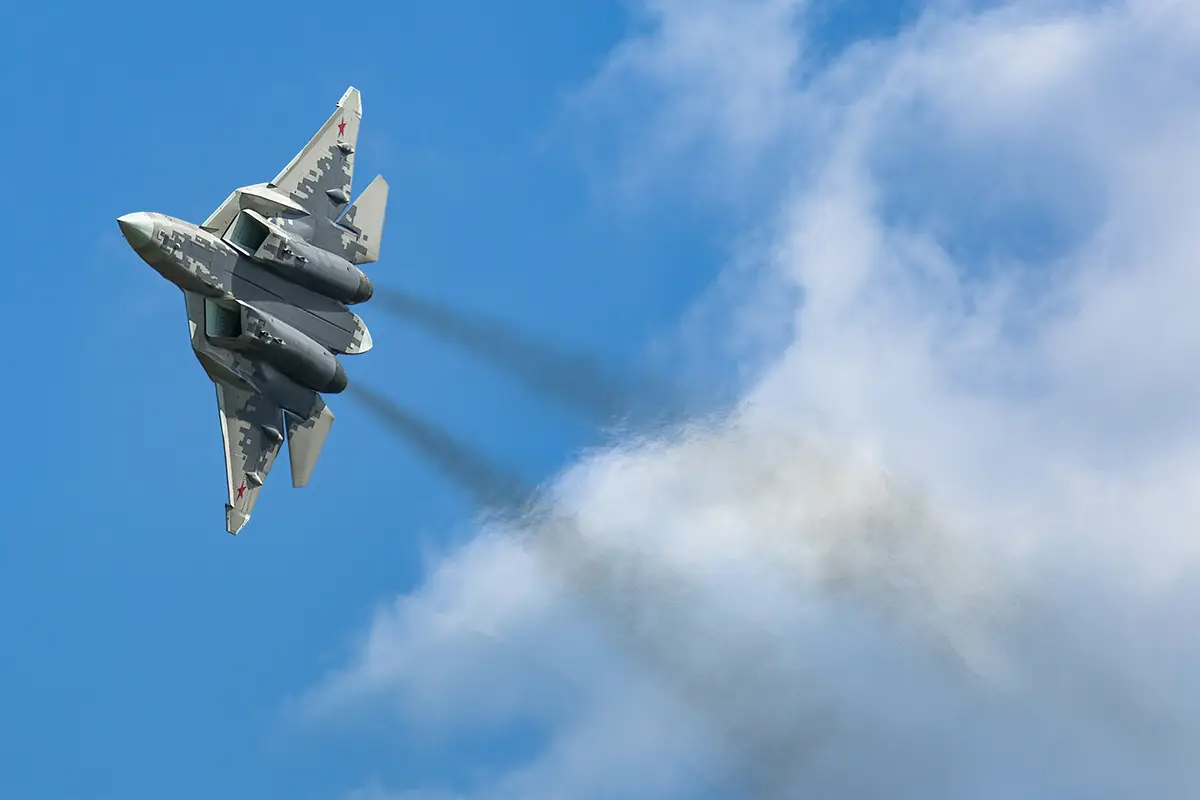
The F-35’s Distributed Aperture and AESA radar fuse data into a single picture for the pilot. The Su-57 combines AESA nose radar with cheek arrays and IRST, aiming for multi-aspect look angles and passive tracking, enhancing counter-stealth detection opportunities.
Electronic warfare
Both rely on advanced EW for threat geolocation and decoying. The F-35 leans on tightly integrated mission data files and coalition libraries. The Su-57 is reported to use robust jamming techniques and decoys to complicate missile endgame tracking.
F-35 vs Su-57
The F-35 skews towards stealth-first survivability and coalition networking, while the Su-57 balances low observability with kinematic reach and diverse sensors. Outcomes hinge on tactics, signatures at specific aspects, and who sees whom first.
)
)
)
)
)