Su-57 vs F-22: 5 design differences between two top stealth fighter jets

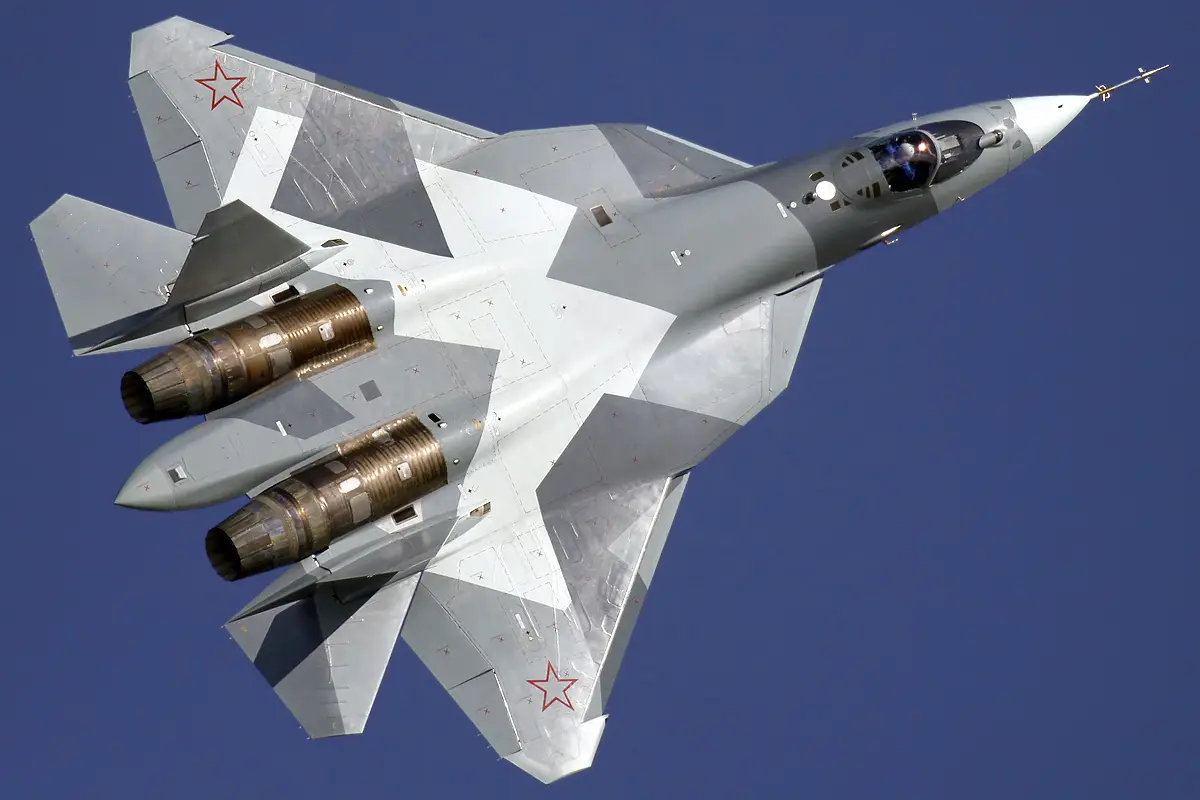
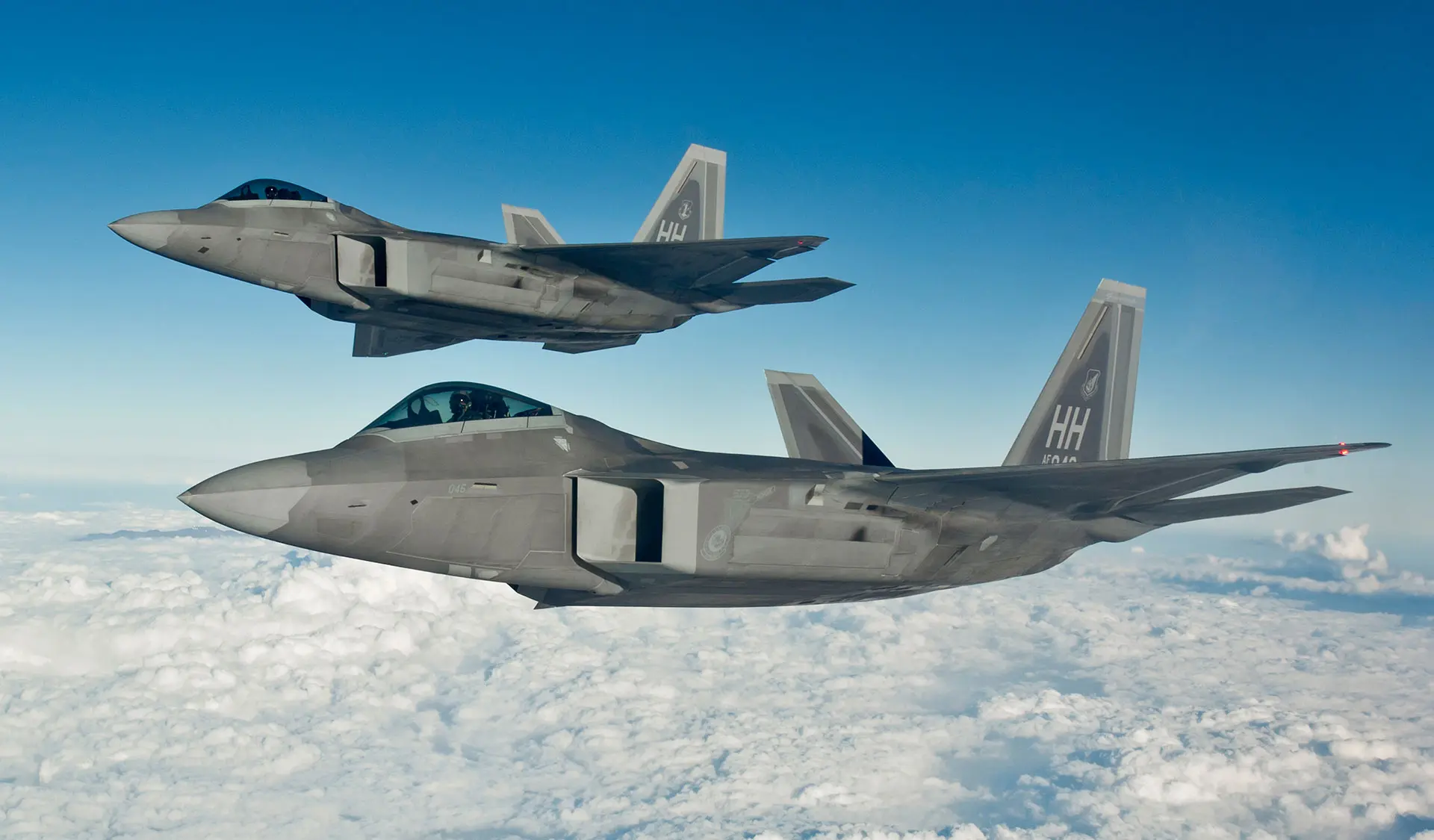
The Russian Sukhoi Su-57 and the American Lockheed Martin F-22 Raptor are both fifth-generation stealth fighters known for their advanced technology. Yet, their design philosophy and mission focus differ widely. Here’s a closer look design differences.
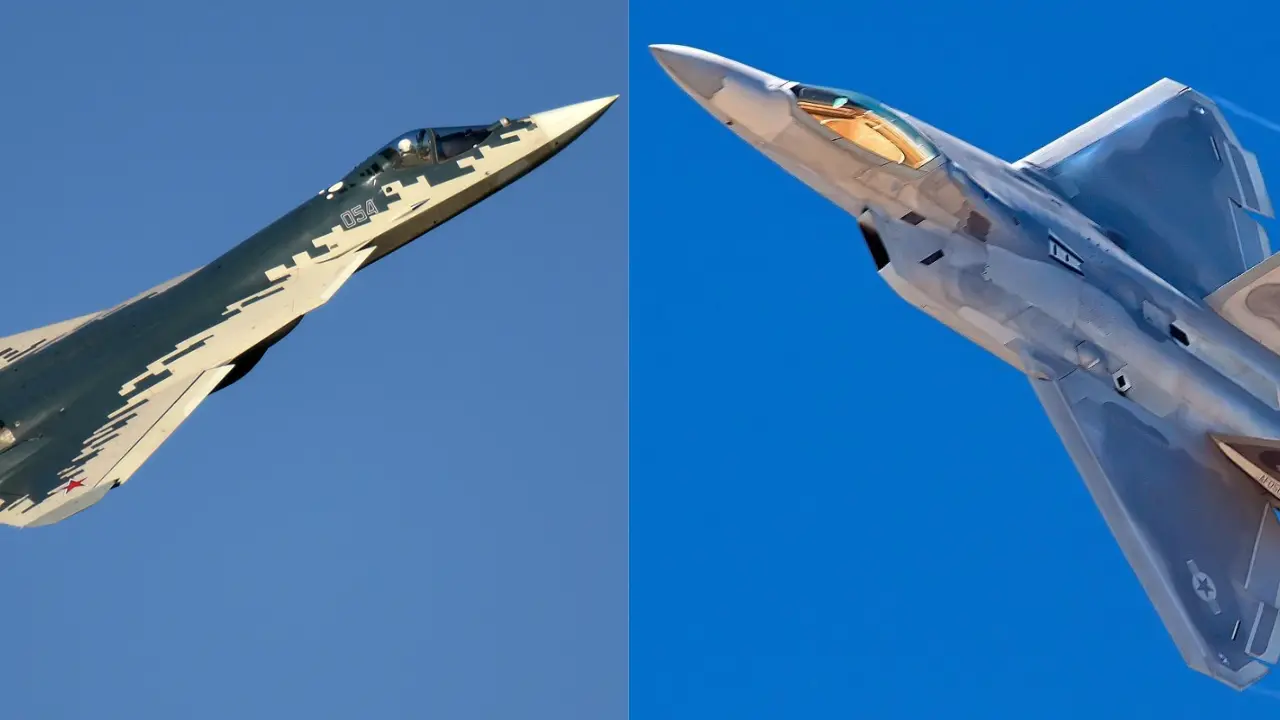
Purpose and Role - Multirole vs Air Superiority
The Su-57 is designed as a multirole fighter capable of air, ground, and maritime strike missions. In contrast, the F-22 was built primarily for air superiority, ensuring control of the skies. While the Su-57’s design favours flexibility for offensive operations, the F-22’s focus remains on aerial dominance with precision and stealth.
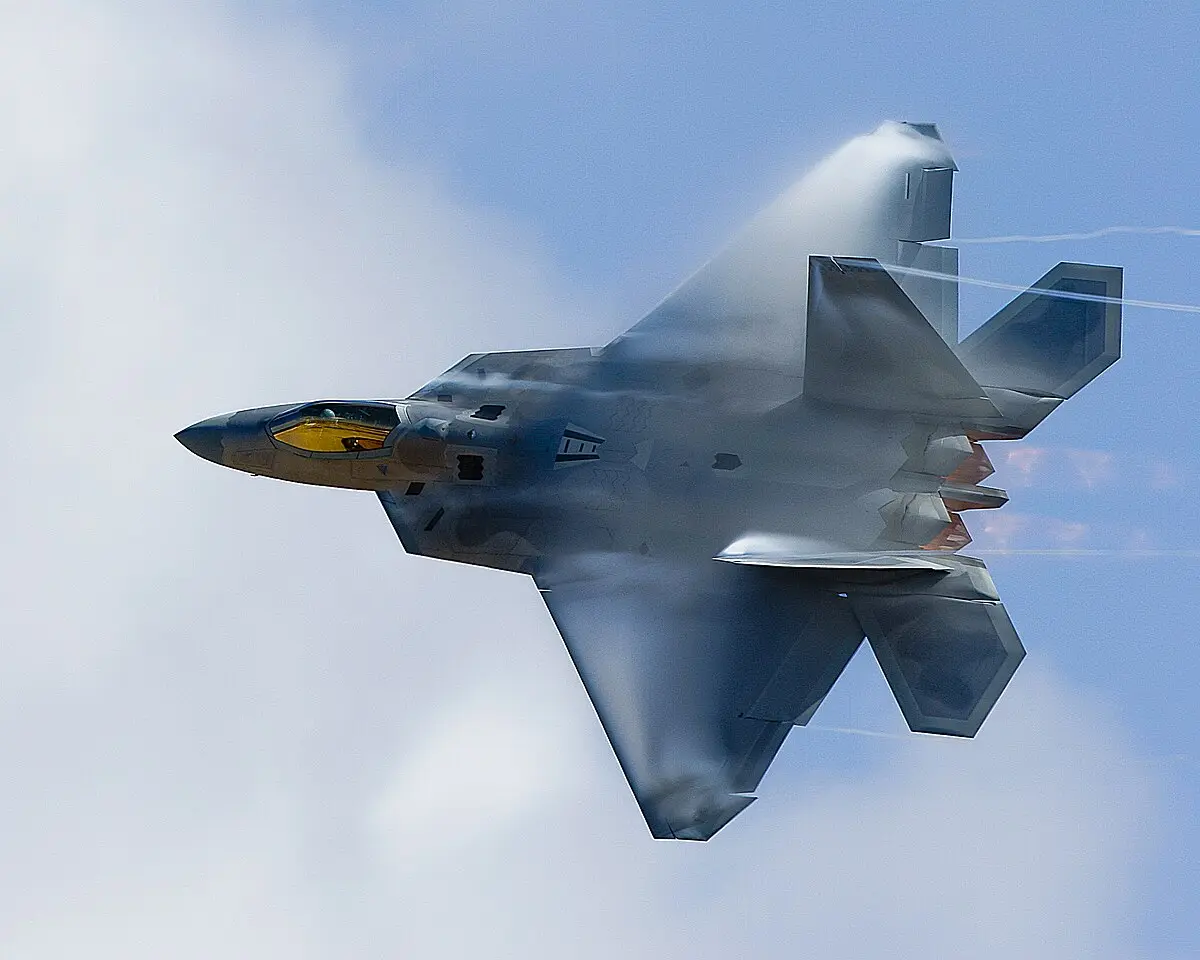
Stealth and Radar Cross-Section (RCS)
According to Defense News, the F-22 has a radar cross-section as low as 0.0001 square metres, making it almost invisible to most radar systems. Its diamond-shaped wings and radar-absorbent coatings enhance stealth. The Su-57’s RCS is approximately 0.5 square metres, larger but compensated by infrared masking, radar jamming, and broad-spectrum concealment techniques.
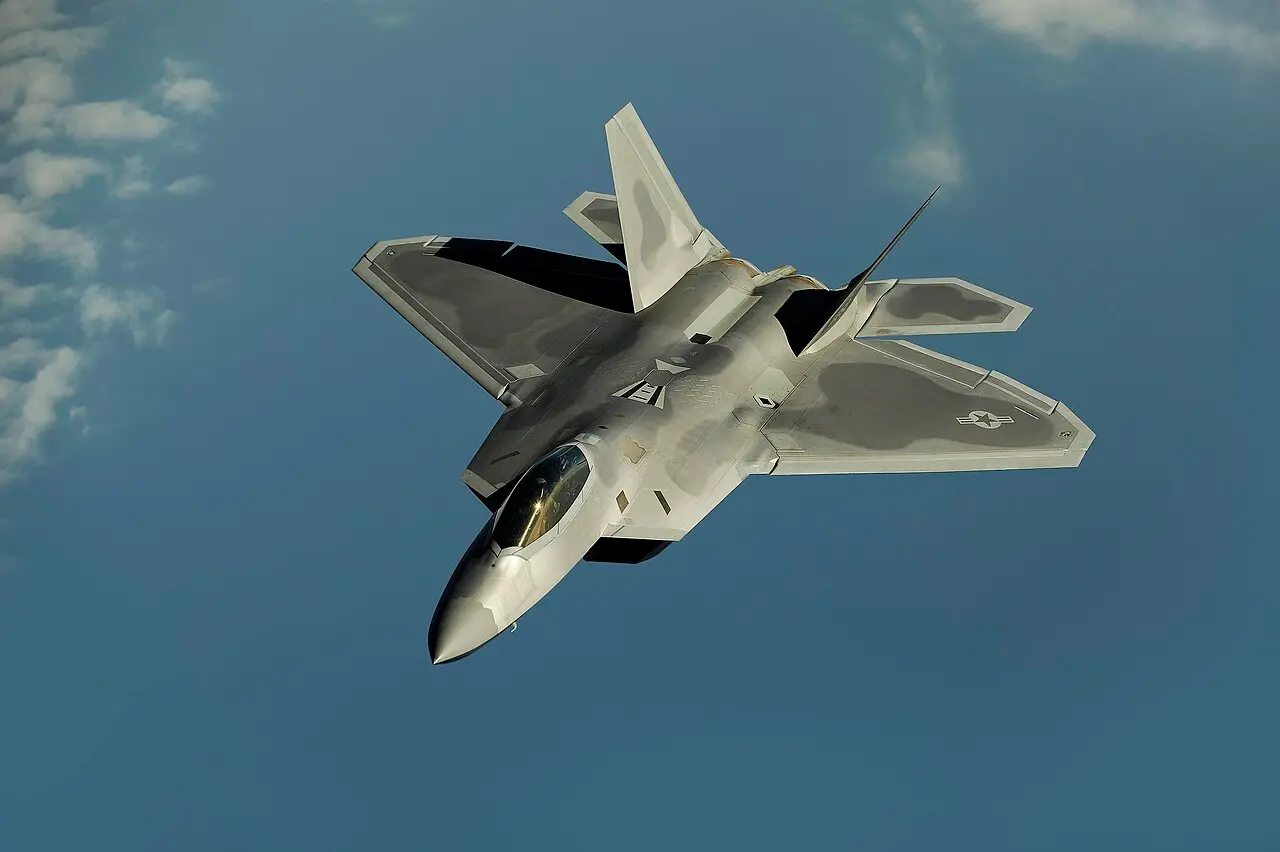
Engines and Supercruise Ability
The F-22 uses two Pratt & Whitney F119-PW-100 engines, allowing supercruise - sustained supersonic flight without afterburners - at speeds up to Mach 1.82. The Su-57 currently uses AL-41F1 engines but is transitioning to the more powerful Izdeliye 30, which promises better thrust. For now, it relies on afterburners for continuous high-speed operation.
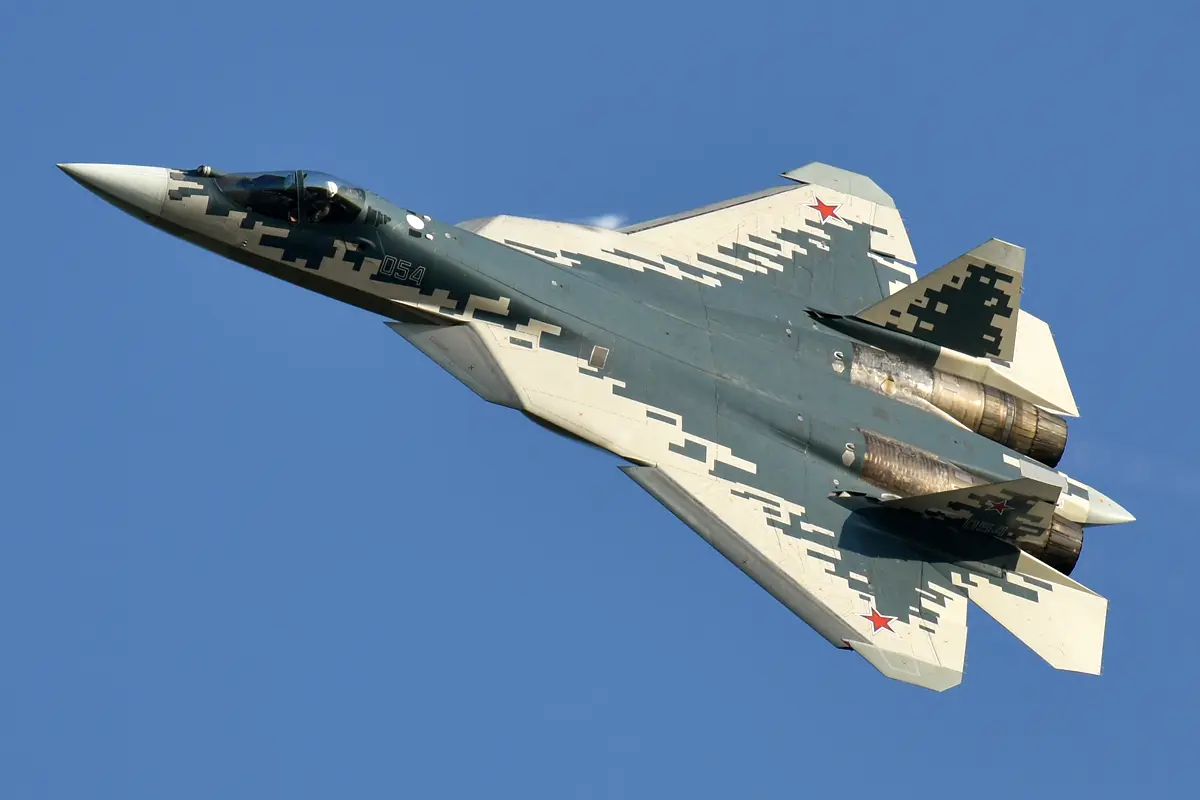
Maneuverability and Thrust Vectoring
The Su-57 offers superior low-speed agility with 3D thrust-vectoring engines that can move in multiple directions. The F-22’s 2D nozzles limit flexibility but improve precision and control during supersonic combat. Analyses from FlightGlobal note that the Su-57’s aerodynamic frame favours close-range engagement and show manoeuvres, while the F-22 excels in stable, high-speed dogfights.
Weapons and Payload
The F-22 Raptor carries weapons internally for stealth efficiency, such as AIM-120 AMRAAM and AIM-9 Sidewinder missiles. Its internal loadout totals around 8,200 kg. The Su-57, however, has both internal and external weapon bays, allowing a higher payload of around 10,000 kg. It can launch R-77M and R-74M2 air-to-air missiles in addition to ground attack weapons.
Range and Endurance
The Su-57 offers a range of around 3,500 km without refuelling, compared with the F-22’s 2,960 km. The Russian aircraft’s longer range supports extended patrols and ground missions, while the American jet prioritises performance within controlled airspaces. Both aircraft have similar service ceilings of roughly 20,000 metres.

Technology and Operational Status
The F-22 has been combat-proven since 2005 with a mature support infrastructure. Over 180 Raptors serve in the US Air Force. The Su-57 entered low-rate production in 2019, with fewer than 30 operational units by 2025. Russia aims to field over 70 jets by 2027, integrating new avionics and AI-based control systems. The difference reveals the F-22’s maturity versus the Su-57’s ongoing development.
)
)
)
)
)