Su-57 vs Chinese J-20: Which fighter rules the skies?

Russia’s Su-57 and China’s J-20 are made for different operations: J-20 moves for stealth and long shots, Su-57 balances sensors and agility. Each fighter jet has unique strengths. Know more below.
Stealth approach
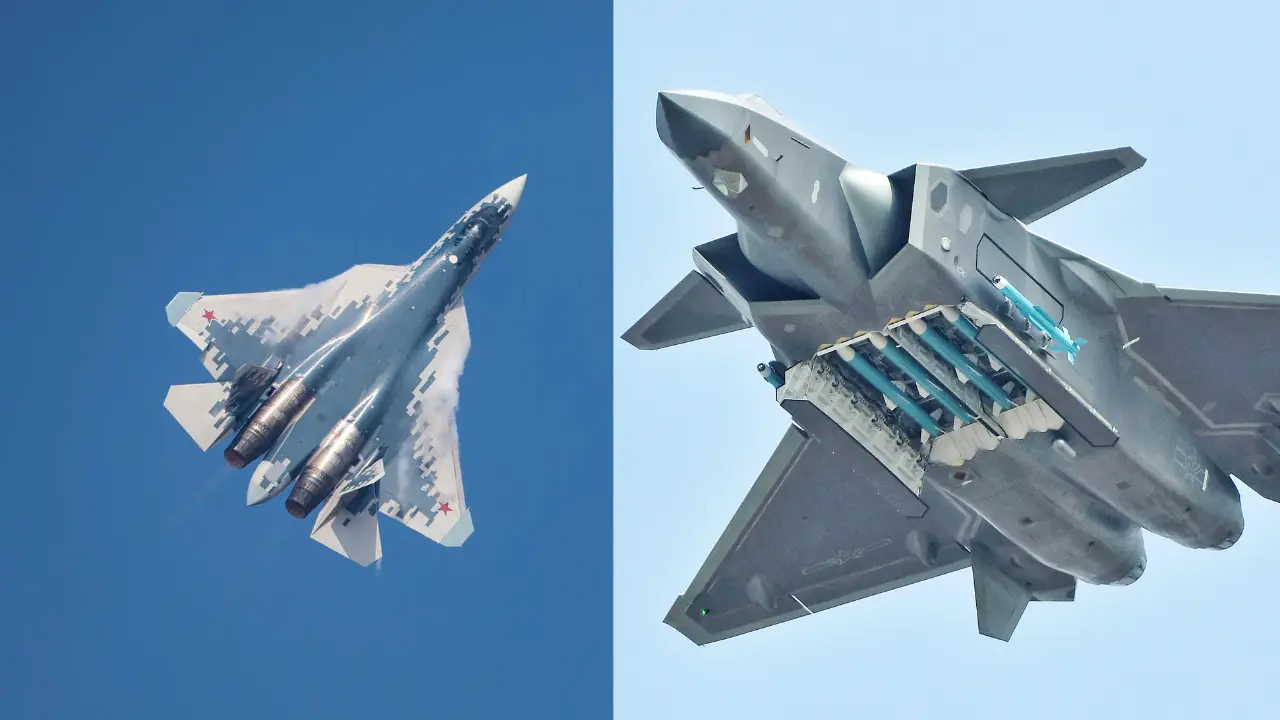
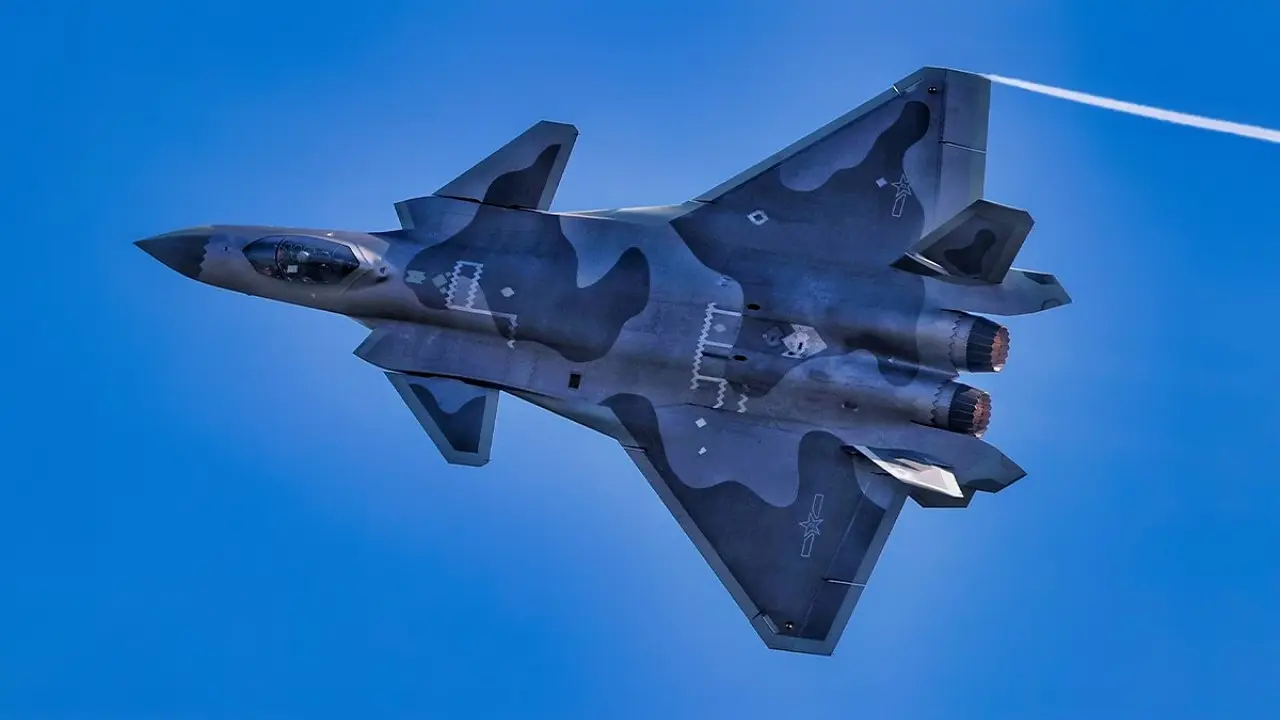
The J-20 from China is built for low observability, using a slender body, internal weapon bays, and canards to avoid radar detection. The Su-57 from Russia tries to balance stealth with agility, using angular surfaces and special coatings, but is shaped to allow sharper manoeuvres even if frontal stealth is a little less than the J-20.
Sensors
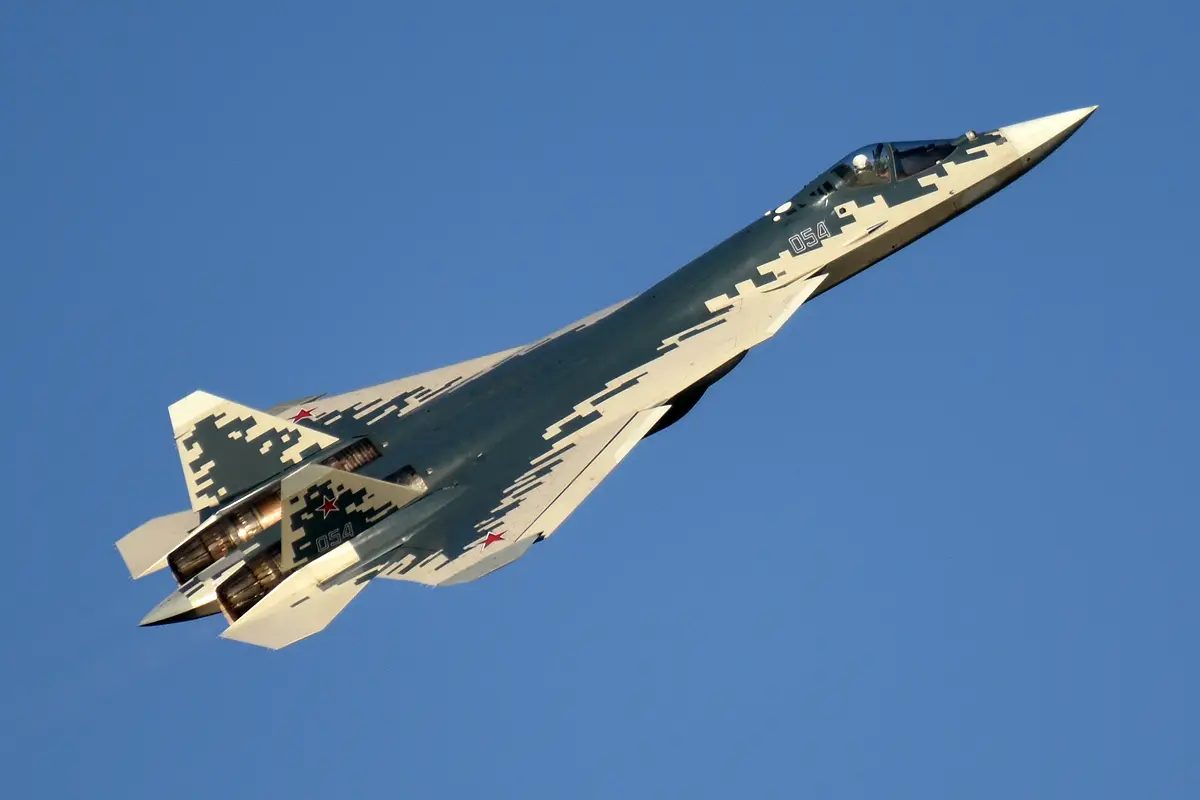
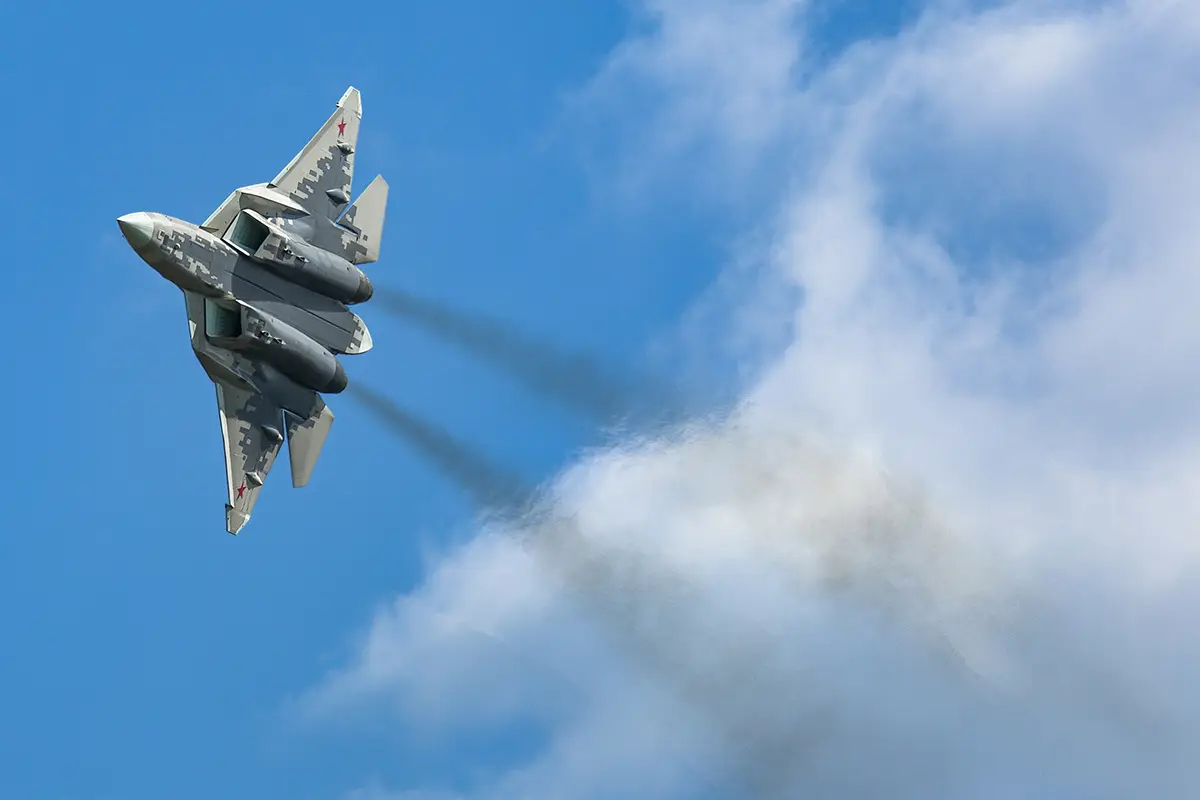
Both fighters carry AESA radars and infrared search and track sensors. The J-20 relies on powerful forward-facing radar and data links for long-range detection and missile guidance, aiming to spot threats first. The Su-57 features radar arrays in its nose and side “cheek” panels, offering wide-angle coverage and off-boresight missile shots, using systems like the N036 Byelka radar and 101KS Atoll sensors.
Weapons payload
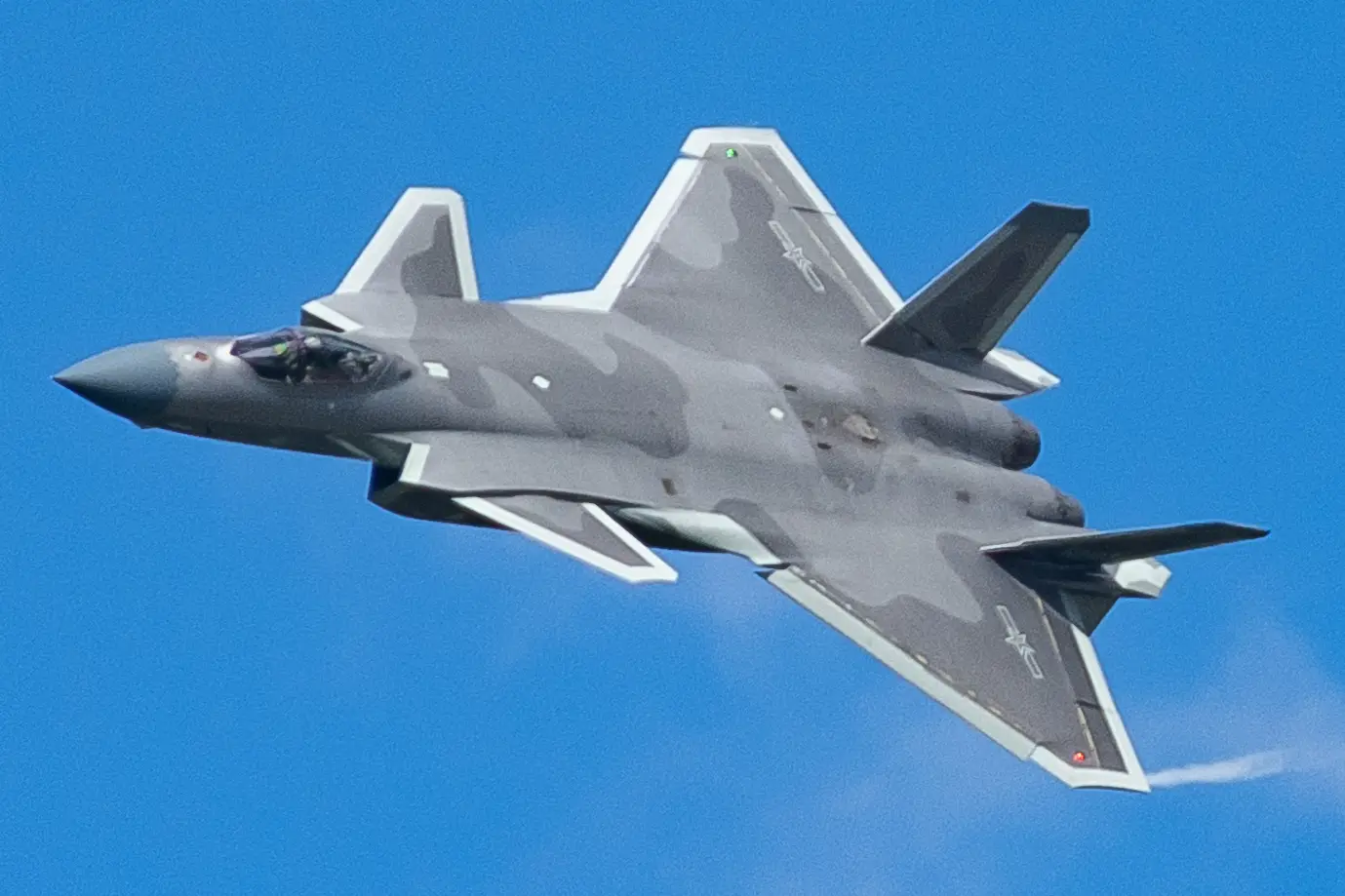
The J-20 is designed to use long-range missiles like the PL-15 to deny access over large distances, with a focus on striking before being seen. Its main bays are optimised for these weapons. The Su-57 has bays set up for a mix of missile sizes, including the R-77, R-74, and upcoming hypersonic options, allowing it to switch between air-superiority and ground-attack roles as needed in one sortie.
Kinematics
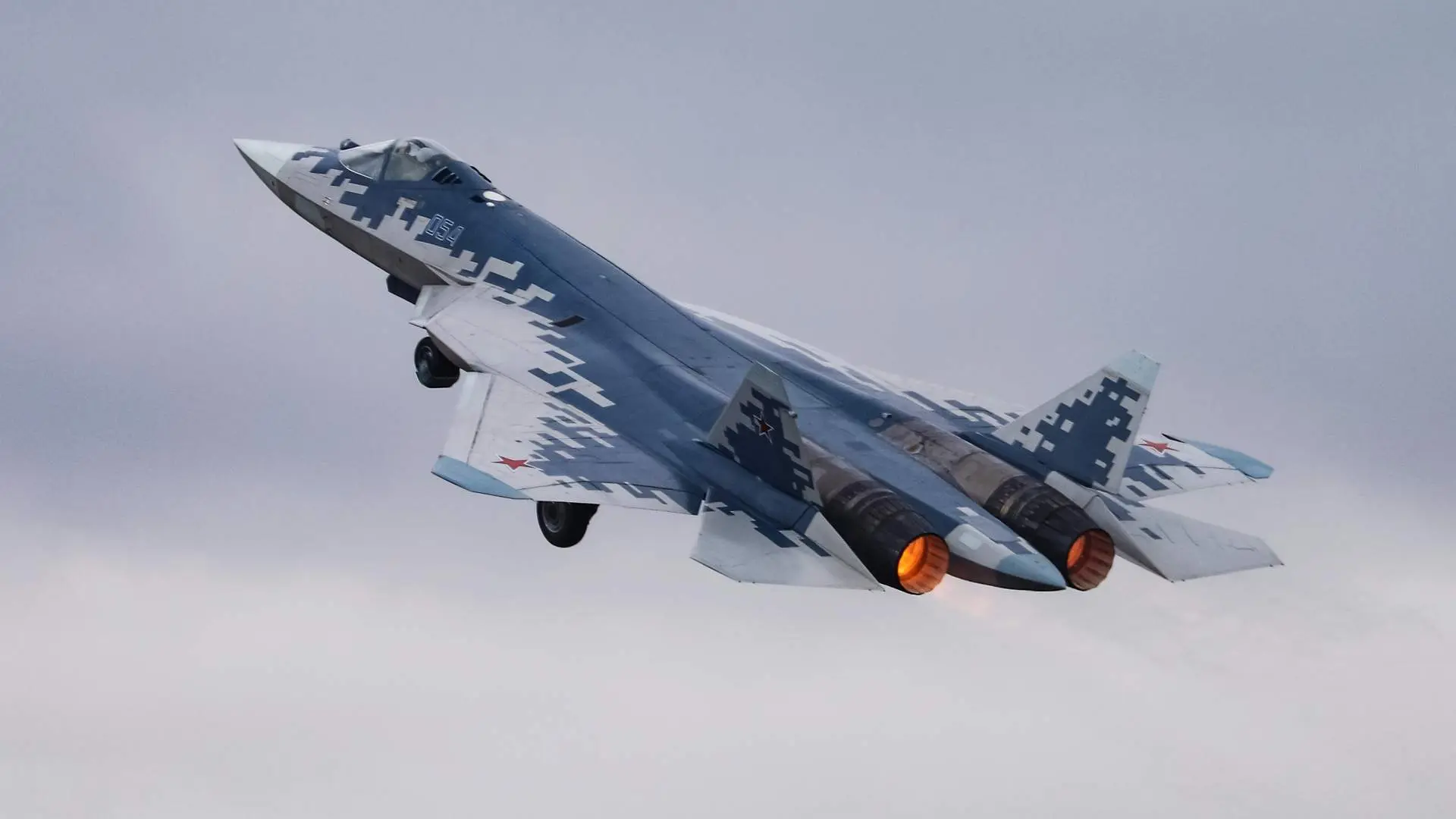
The Su-57 excels at supermanoeuvrability, using thrust vectoring engines and advanced flight controls to perform tight turns at low speeds, fitting Russian air combat doctrine. The J-20 emphasises staying safe at a distance its plan is to get the first shot in and avoid dogfights, acting more like an interceptor, though tests show it handles well even at high speeds.
Networking and doctrine
China’s J-20 is deeply linked with ground-based radar and missile defences; it acts as part of a broader system for area denial and joint operations. By contrast, the Su-57 vision includes acting alongside loyal wingman drones and using onboard electronic warfare to break through enemy lines, suiting quick offensive pushes and improvisation.
Survivability
Both jets use radar-absorbing materials and hide their weapons internally, but the “winner” is the plane able to keep the best track, delay being spotted, and put its missiles on target first. The J-20 possibly has a smaller radar cross-section from the front, but the Su-57’s sensors and agility complicate tracking in a fast-moving fight, with each offering distinct doses of survivability.
)
)
)
)