Su-57 stealth fighter: Is Russia secretly building a faster version?

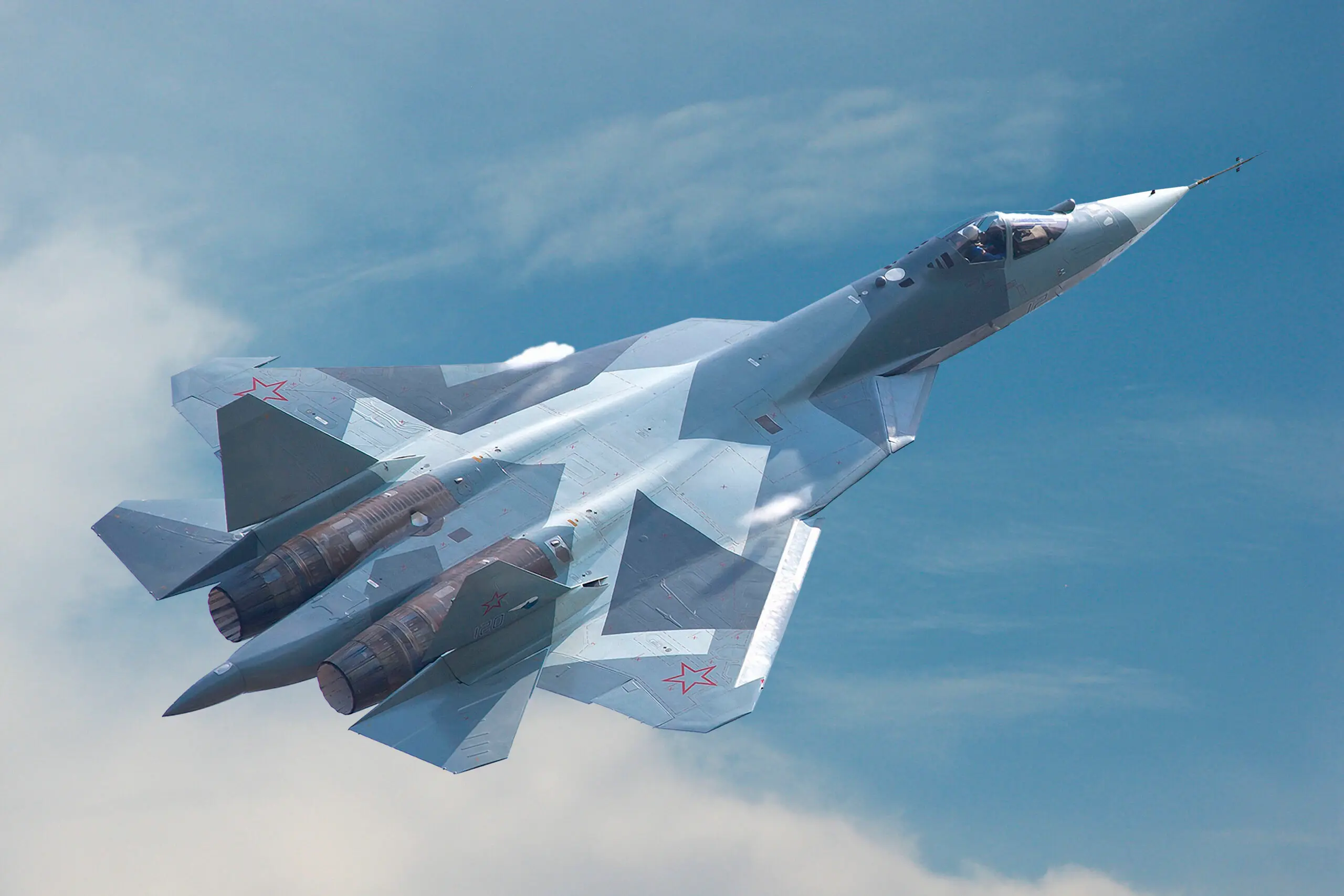
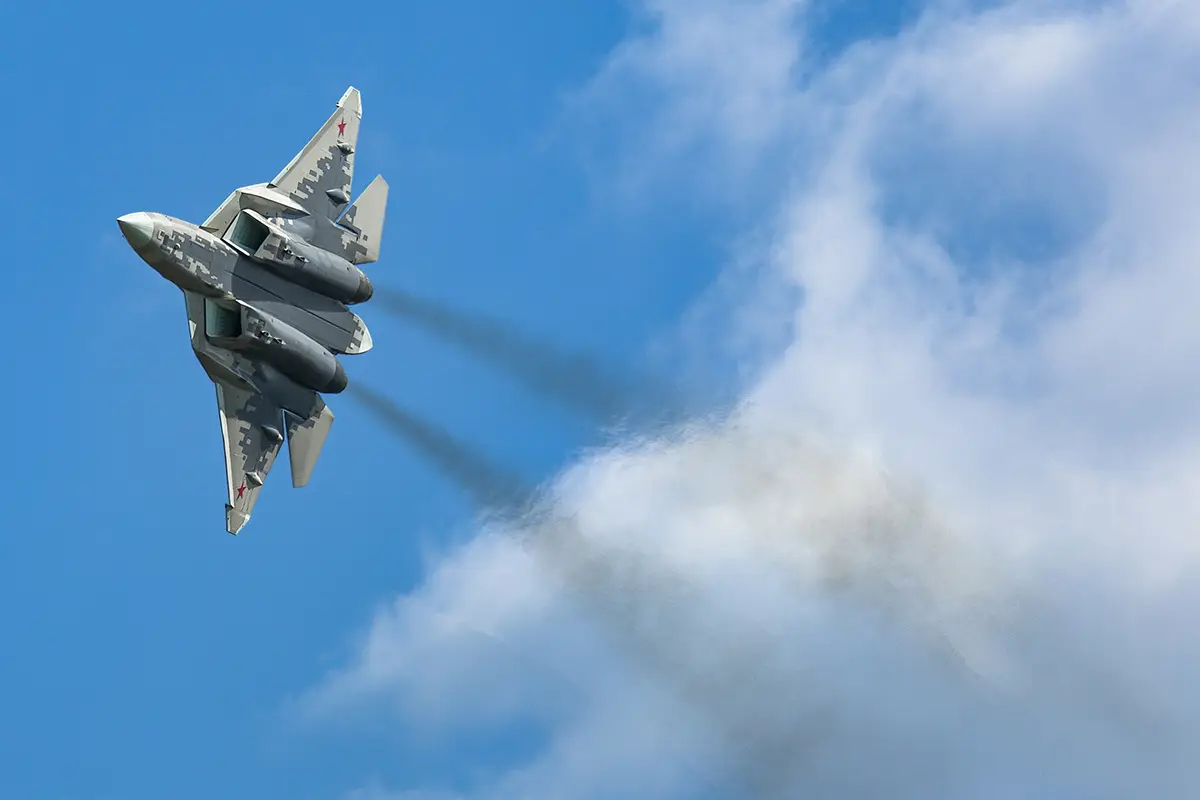
Russia’s Su-57 stealth jet is widely rumoured to be getting bigger engines, better supersonic speed, new avionics, and hypersonic missile options. Experts confirm upgrades are real but only few details are official. Read more below.
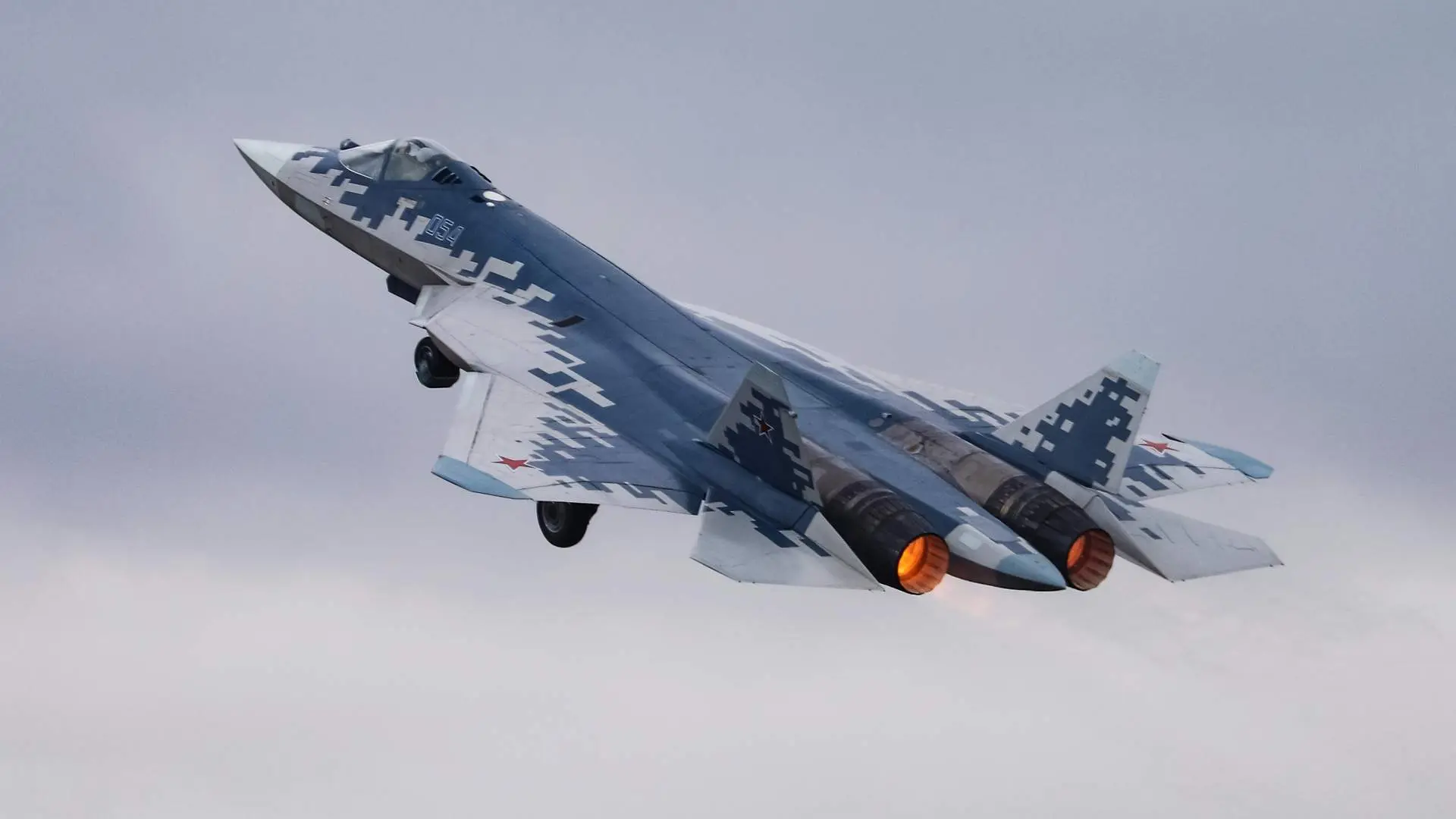
Is there a faster Su-57 on the way?
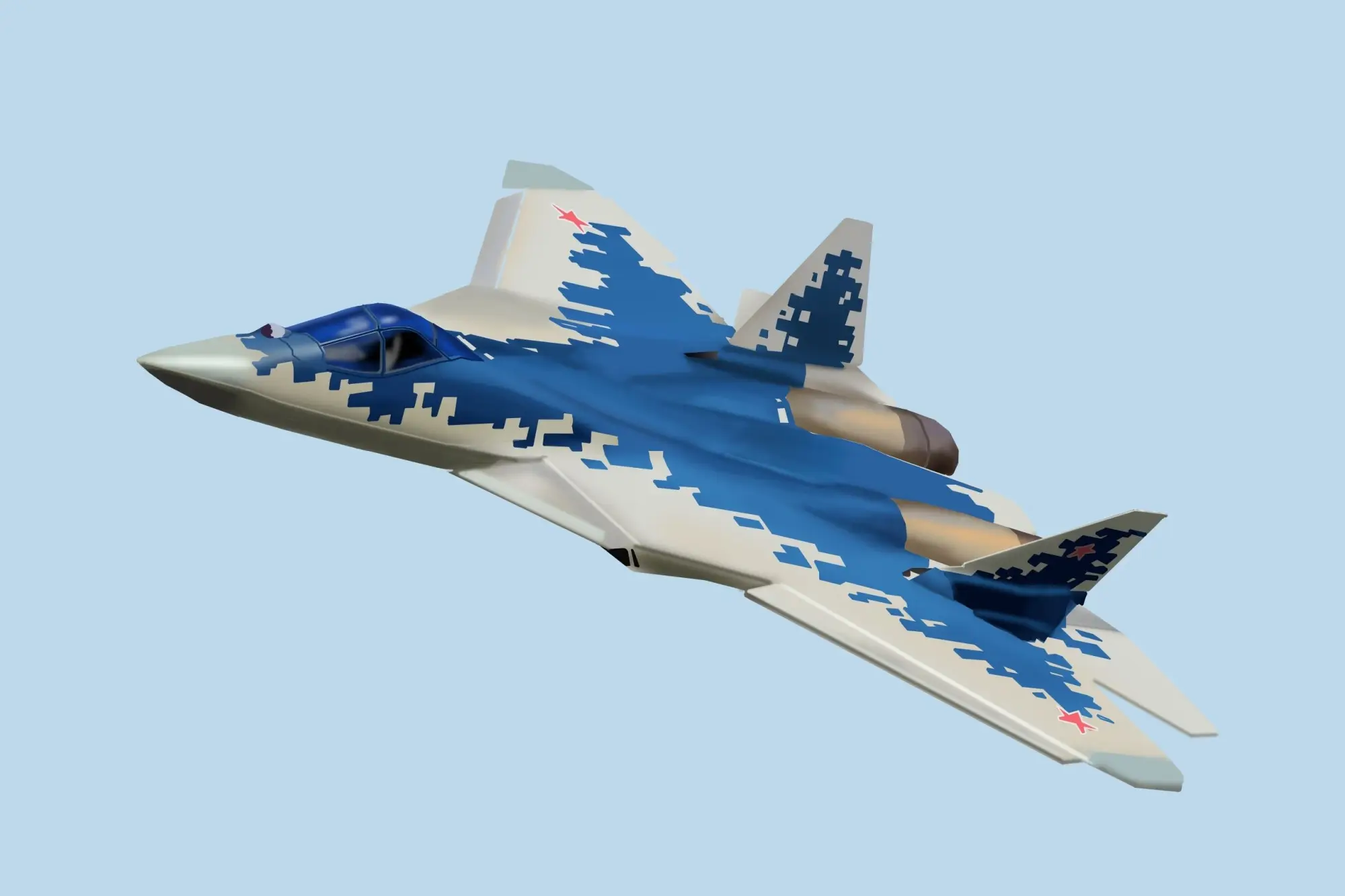
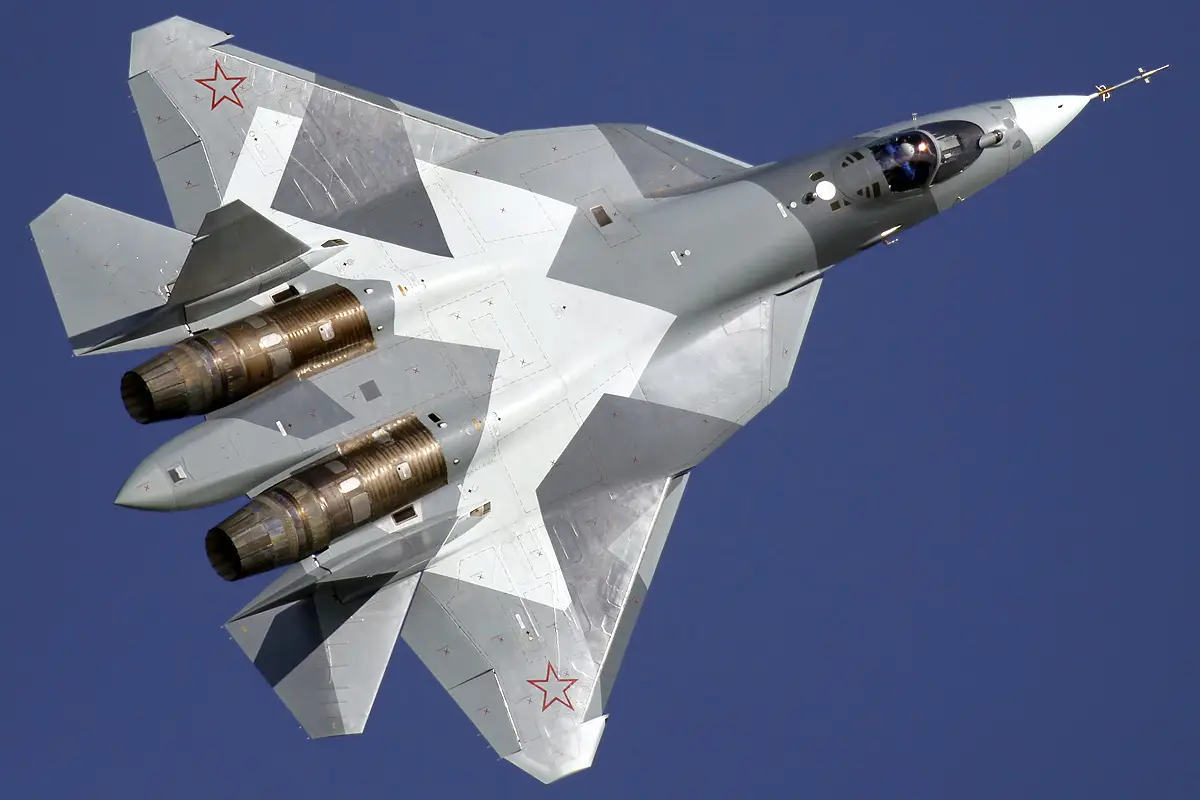
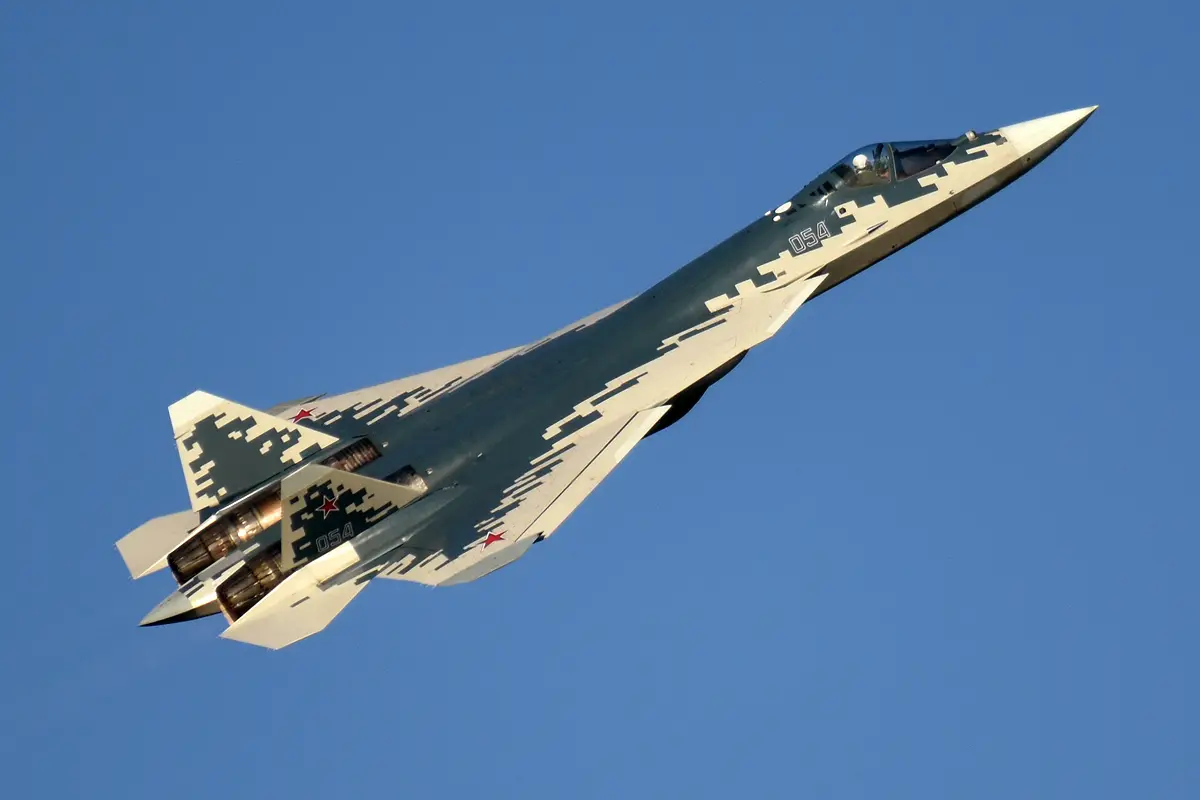
Several media reports that Russia is working on a faster Su-57 variant, possibly called the Su-57M1, aimed at sustained supersonic speeds and longer-range engines. Aviation experts say the new model will focus on higher speed without afterburners and improved range, but final details remain secret.
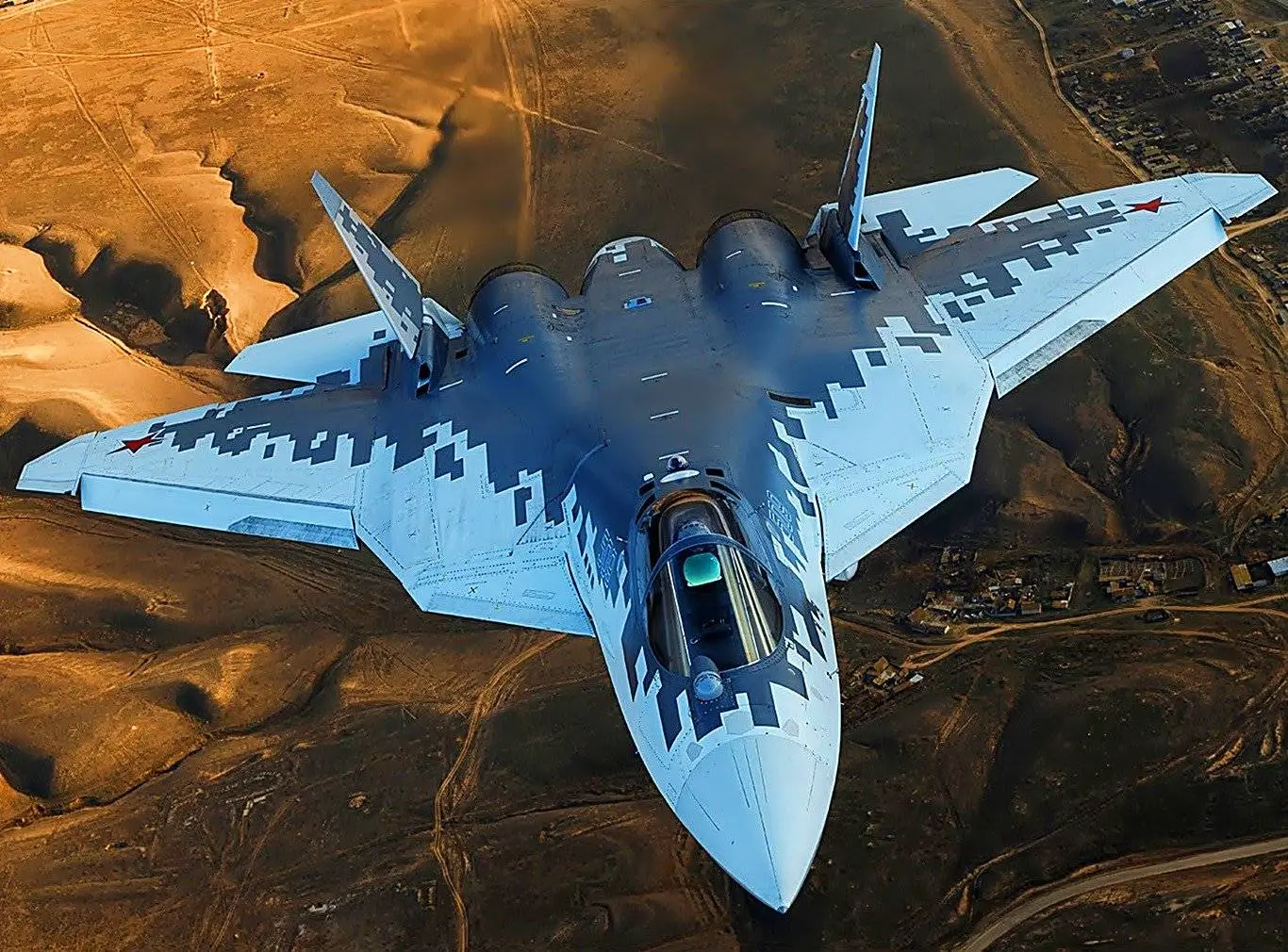
What engine upgrades have been reported?
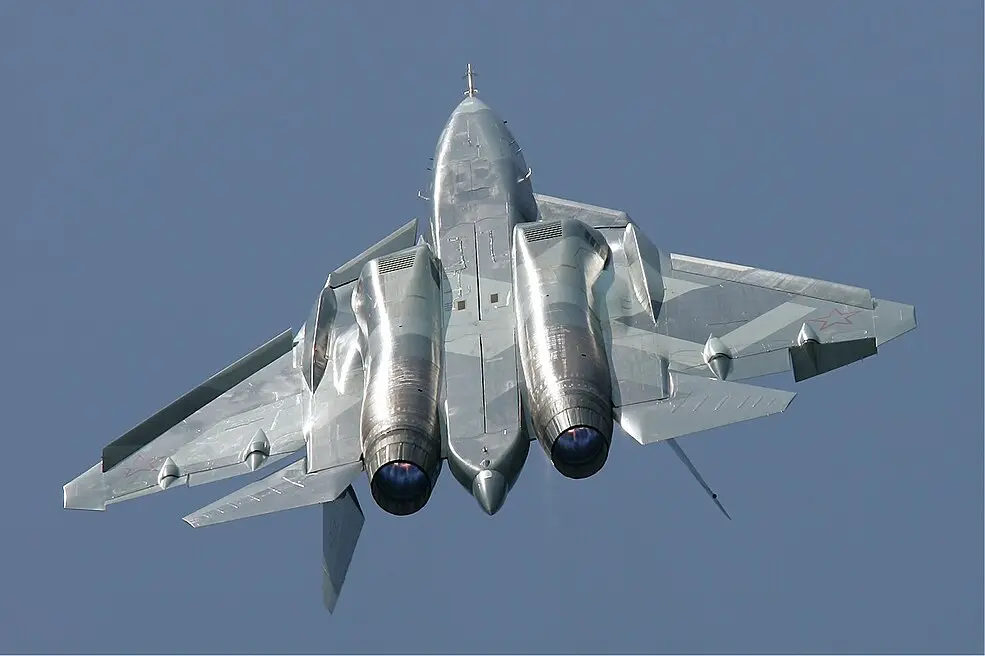
Sources note the Su-57M1 is likely to use the AL-51F-1 or “Izdeliye 30” engine, which could enable the jet to cruise above Mach 2 (twice the speed of sound) without needing afterburners. This engine is designed to give both more thrust and better fuel economy compared to the original AL-41F1 model.
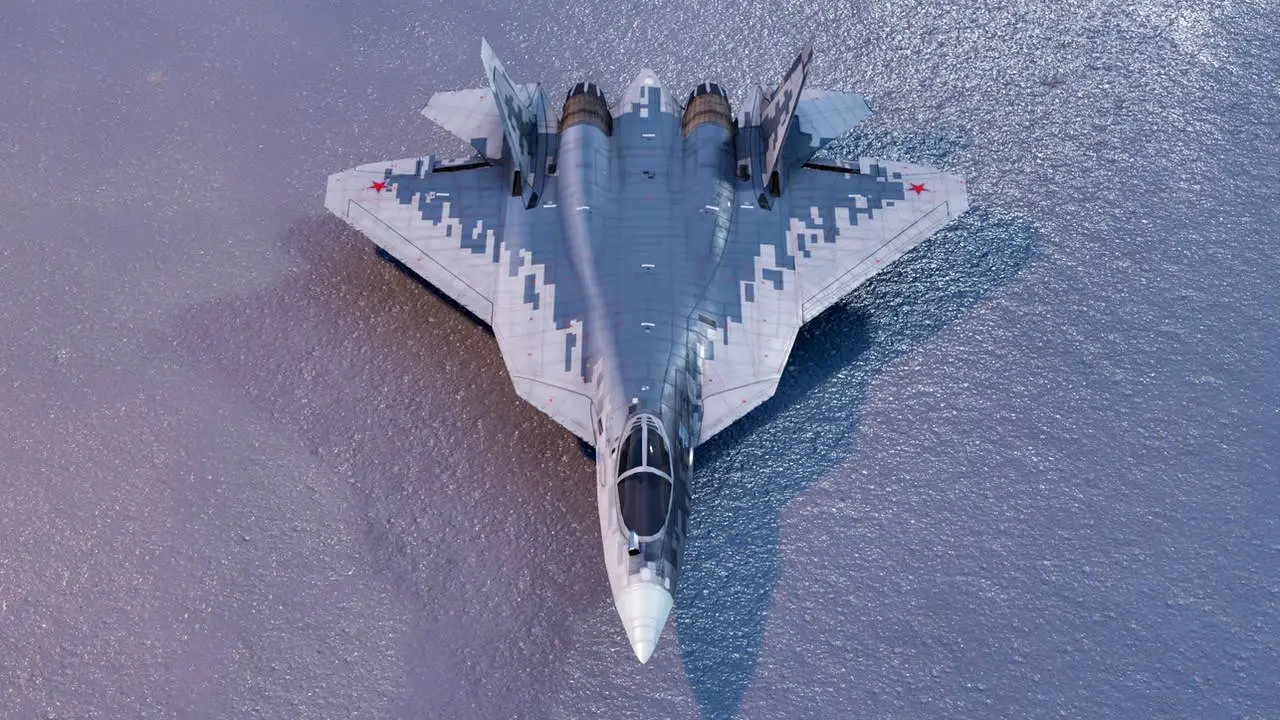
How is the airframe changing?
Open-source reports mention a flatter fuselage and modified internal weapons bays. The new shape is set to help with stealth and cooling, as well as stability at higher speeds. Russian state sources have not confirmed these airframe changes fully.
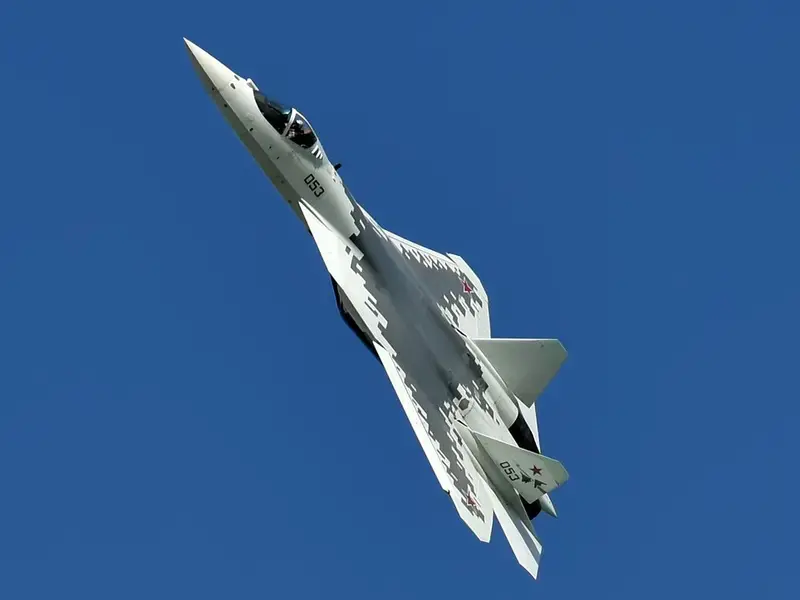
What about hypersonic missiles?
According to the Russian defence ministry and media outlet TASS, the Su-57 is being equipped to carry smaller air-launched hypersonic missiles. The specific missile type is not yet clear, but some speculate it could be a smaller version of the Zircon missile, intended for internal carriage.
Are new avionics being added?
Authorities have said that the Su-57M1 could receive improved radar and faster onboard computers, making the aircraft able to process more sensor data at once. Some suggested features include an upgraded AI “electronic co-pilot” and better target-tracking, but no official technical specification has been released.
What is known about control and handling?
Upgrades may include stronger airframe sections and revised flight controls to manage higher speeds and pressures. This approach is meant to protect the Su-57’s agility during fast manoeuvres, but again, defence sources have not made full information public.
How many aircraft will have these upgrades?
Current estimates from Russian aviation magazines project serial production of the Su-57M or M1 by 2026. Russia expects these upgrades to cover a growing fraction of its fleet as new jets join service. However, the exact number will depend on production rates and export orders.
Any confirmed statistics?
According to open Russian sources, the Su-57 can already reach speeds up to Mach 2 and has a combat range around 3,500 km at subsonic speeds. The new engine and control upgrades are expected to increase its range and high-speed time.
What do outside experts say?
Many international experts remain cautious, noting limited verified evidence and few operational examples so far. Russia’s recent production issues and sanctions have slowed plans, but the aircraft is still entering service and being marketed for export.
What is the reality?
While reports of a faster, more advanced Su-57 with hypersonic capability keep appearing, official information stays limited. As of September 2025, upgrades are in testing stages, and most details are based on Russian government releases and defence magazines.
)
)
)
)
)