Su-57 production: Why is Russia building so few stealth fighters?

Know why the Su-57 stealth fighter remains limited in numbers. And how Russia prioritise quality over quantity. Here's why that matters.
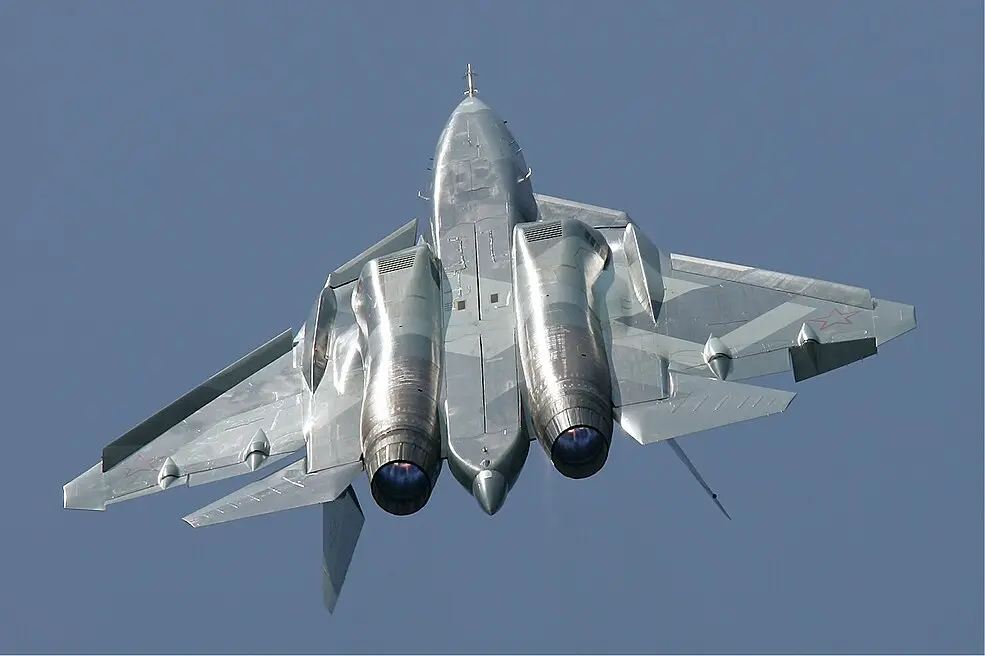
Su-57 production remains limited
Su-57 production remains limited compared to Western fifth-generation programmes. While the F-35 has reached thousands of units, Russia's stealth fighter fleet remains in the dozens, reflecting different strategic priorities and resource constraints.
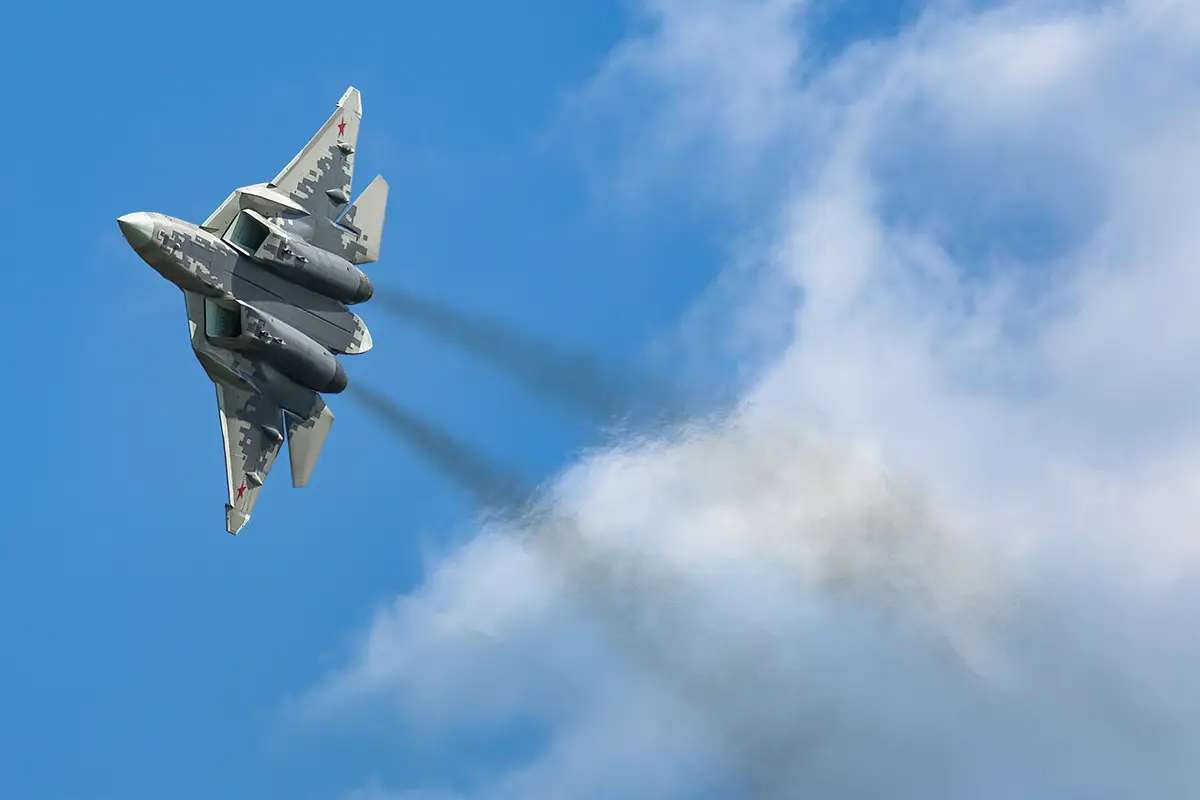
Advanced technology
Advanced technology creates manufacturing challenges. The Su-57's sophisticated systems require precision manufacturing and specialised materials, limiting production rates and increasing per-unit costs.
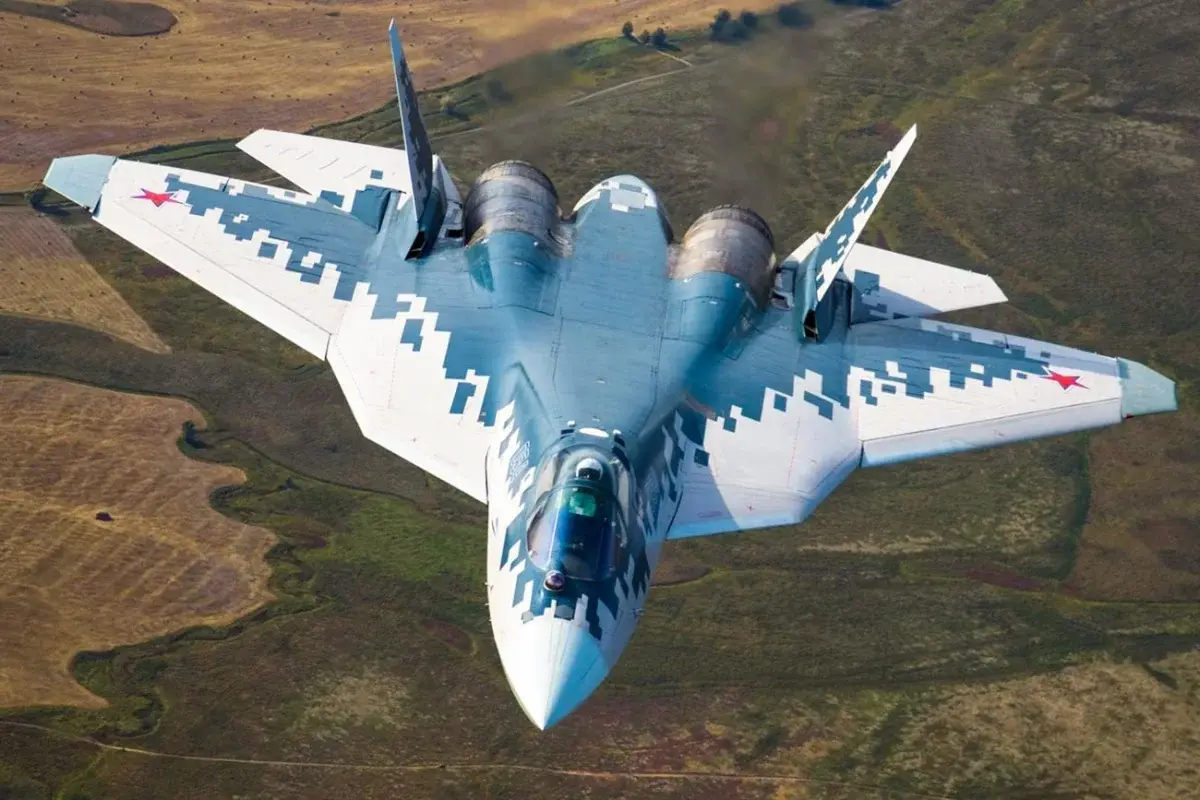
Engine development
Engine development delays have impacted production schedules. The transition from prototype engines to production-standard powerplants has proven more complex than initially anticipated, affecting delivery timelines.
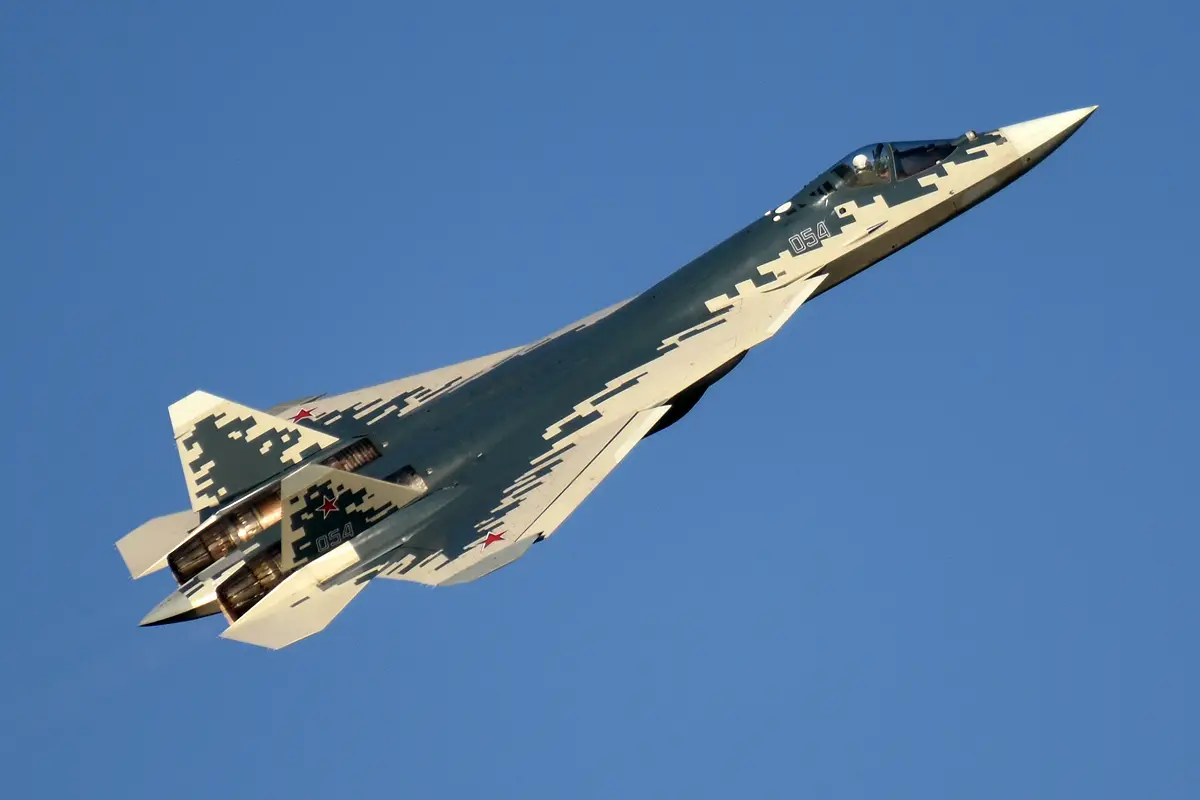
Fifth-generation fighters
Economic factors influence procurement decisions. Defence budgets must balance multiple priorities, and the high cost of fifth-generation fighters competes with other military modernisation programmes.
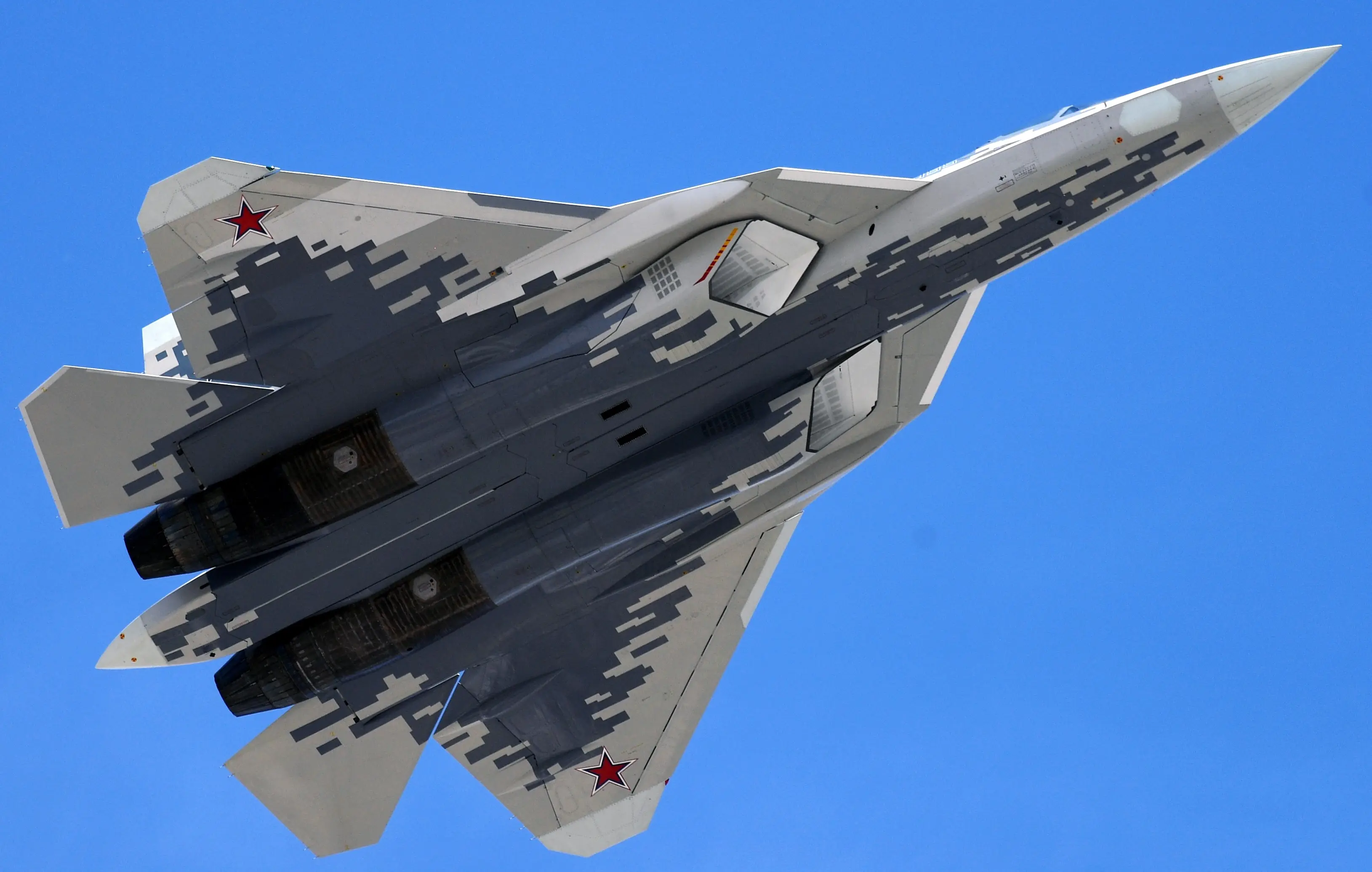
Su-57
Export restrictions limit economies of scale. Unlike the F-35's international programme, the Su-57's export potential remains constrained, preventing the cost reductions that come with larger production runs.
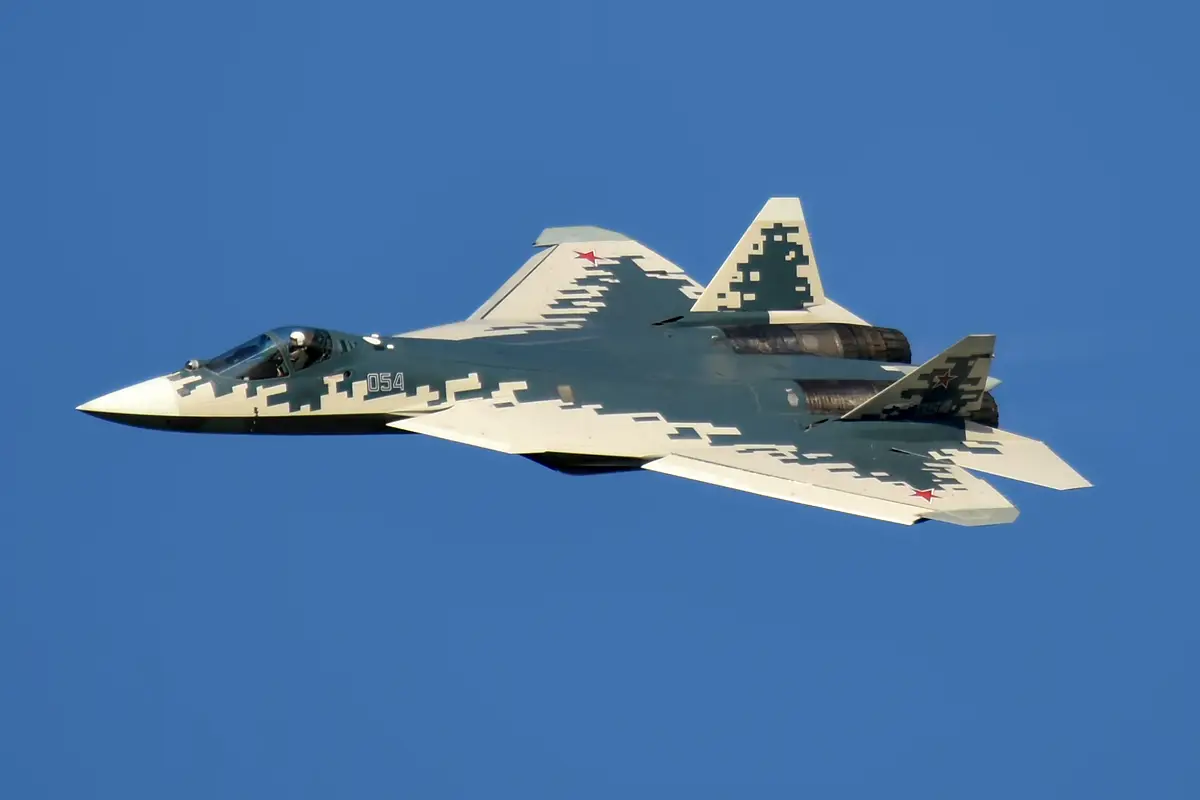
Large-scale production
The quality over quantity philosophy may drive decisions. Russia might prioritise perfecting the design and systems before committing to large-scale production, ensuring each aircraft meets exacting standards.
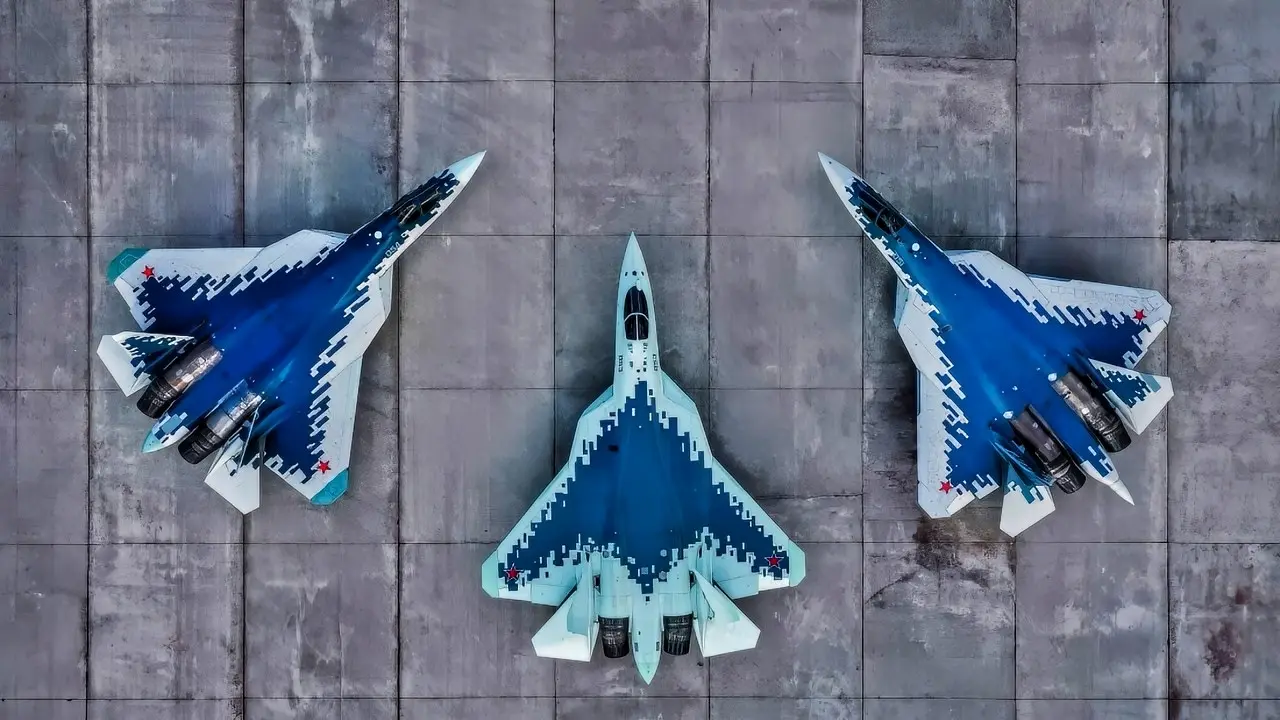
Managed production programme
Carefully managed production programme that balances capability development with resource constraints, creating a smaller but highly capable stealth fighter force.
)
)
)
)
)