Su-57 infrared sensors: Can it track stealth fighter jets without radar?

The Su-57 fighter jet uses advanced infrared search and track (IRST) systems to detect stealth aircraft without revealing its own position. These passive sensors give Russia’s stealth jet a major edge in modern air combat.
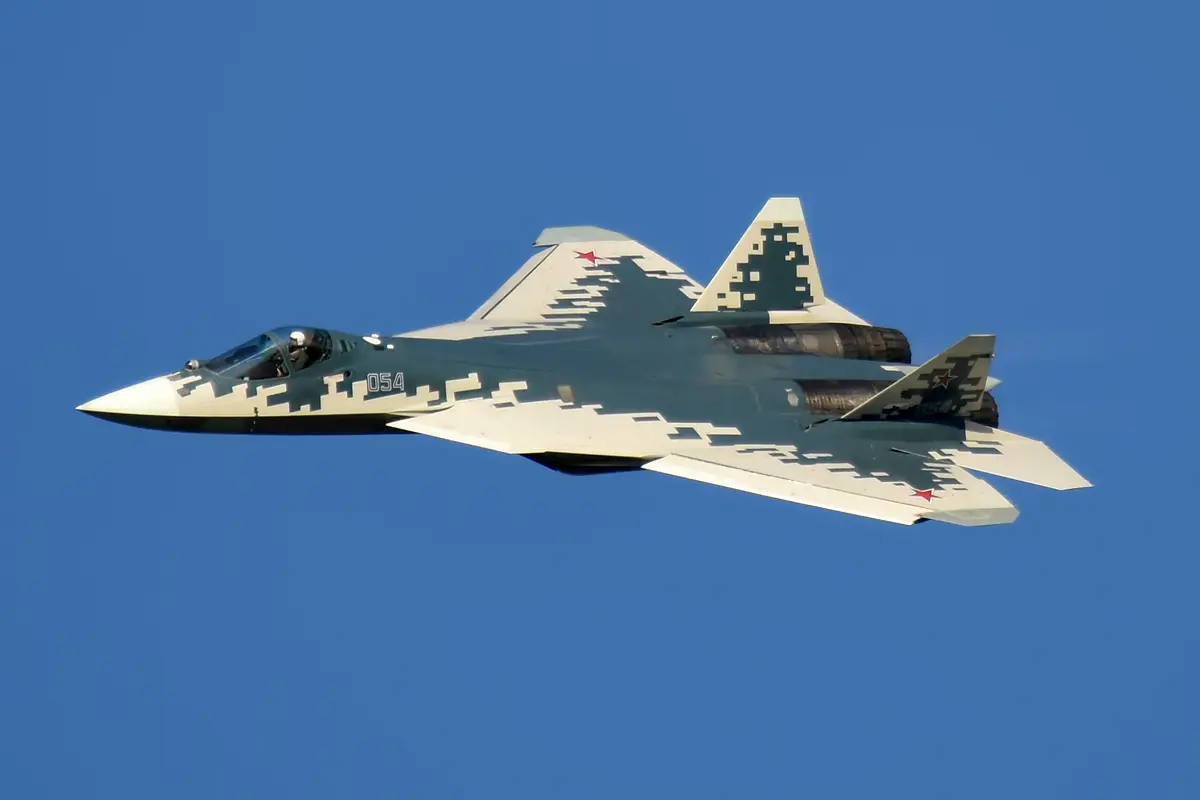
Su-57 infrared
Su-57 infrared search and track systems provide passive detection capabilities that can identify stealth aircraft through their heat signatures. These advanced sensors operate without emitting radar signals, maintaining the aircraft's own stealth characteristics.
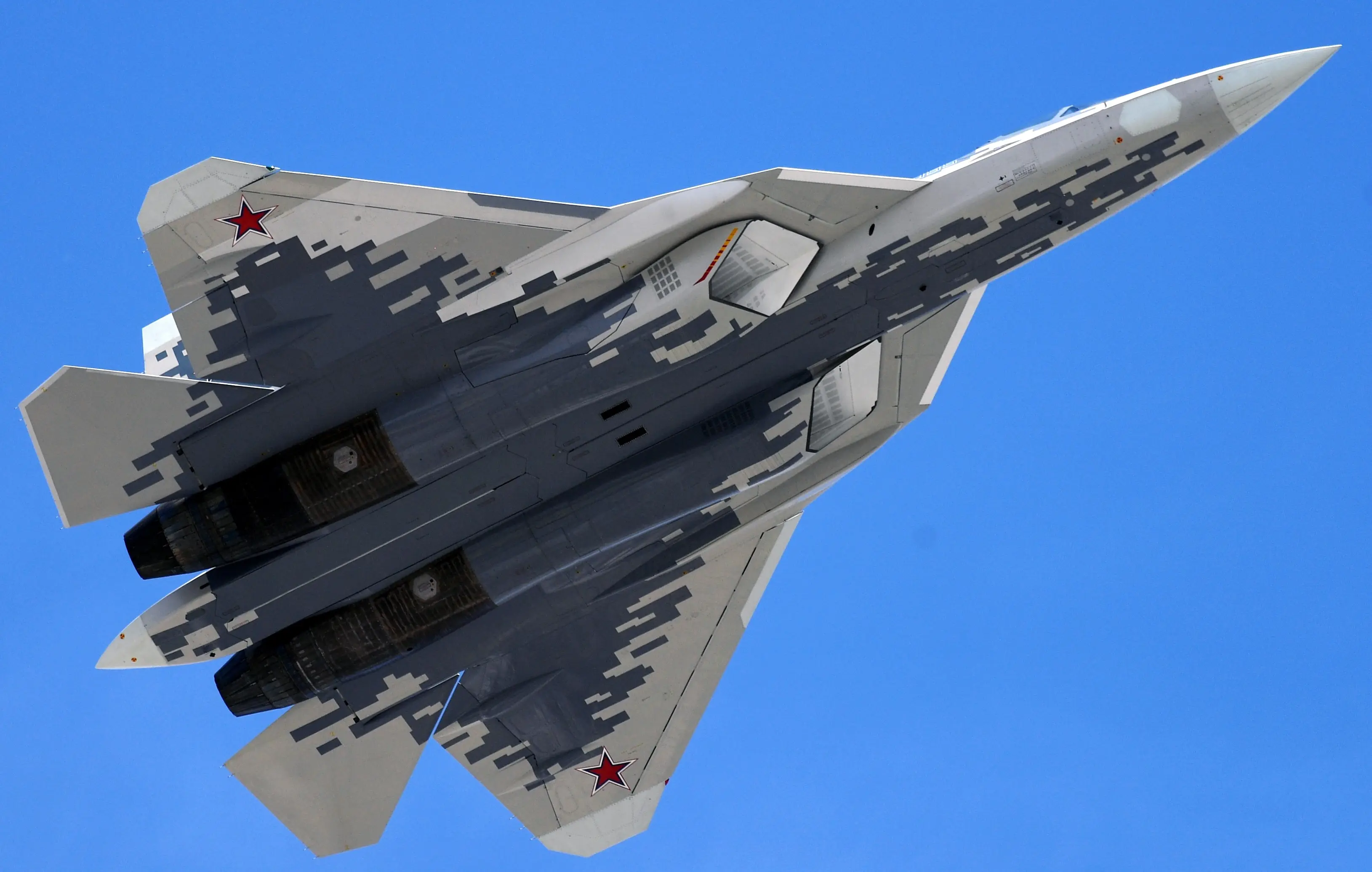
Multi-spectral imaging
Multi-spectral imaging enables target identification and classification. The IRST can distinguish between different aircraft types based on their thermal signatures, providing crucial intelligence for engagement decisions.
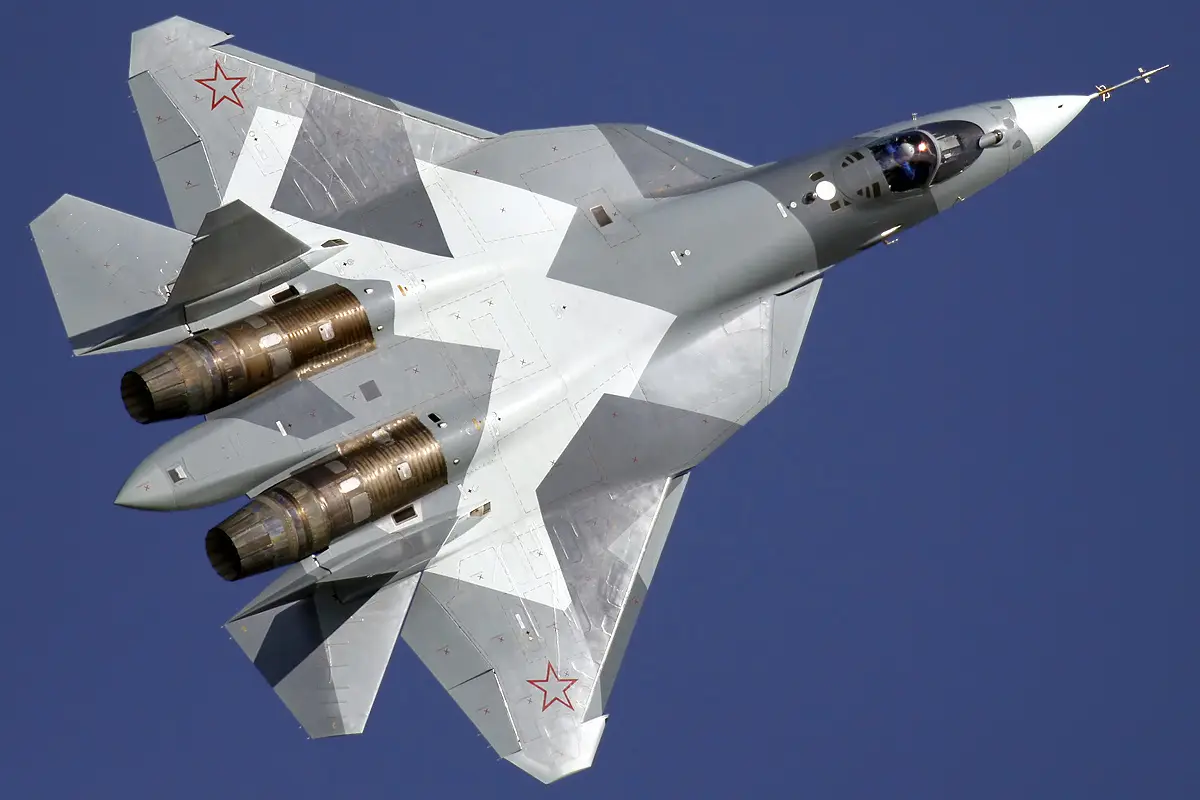
Long-range detection capabilities
Long-range detection capabilities extend the Su-57's awareness beyond radar range. IR sensors can identify targets at distances where radar might be ineffective due to stealth characteristics or electronic warfare.
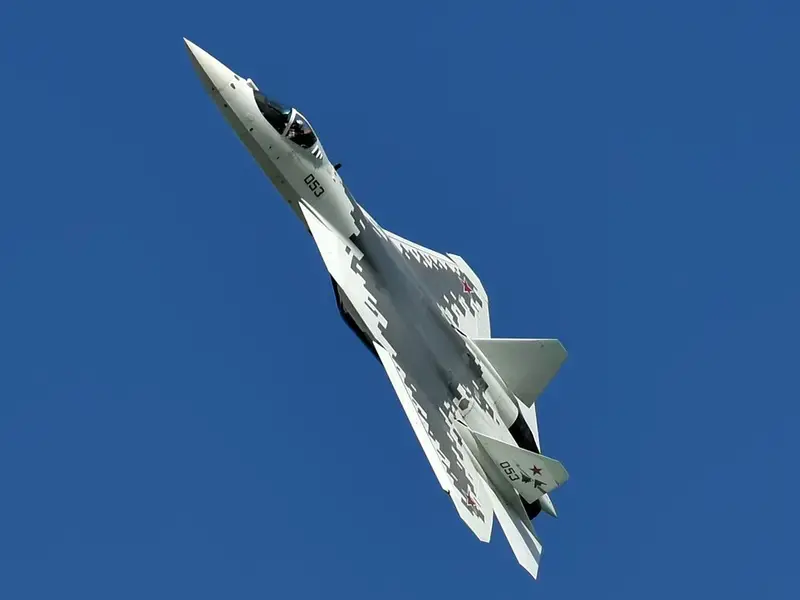
Comprehensive targeting solutions
Integration with other sensors creates comprehensive targeting solutions. IR data combines with radar and electronic intelligence to build accurate target tracks and engagement solutions.
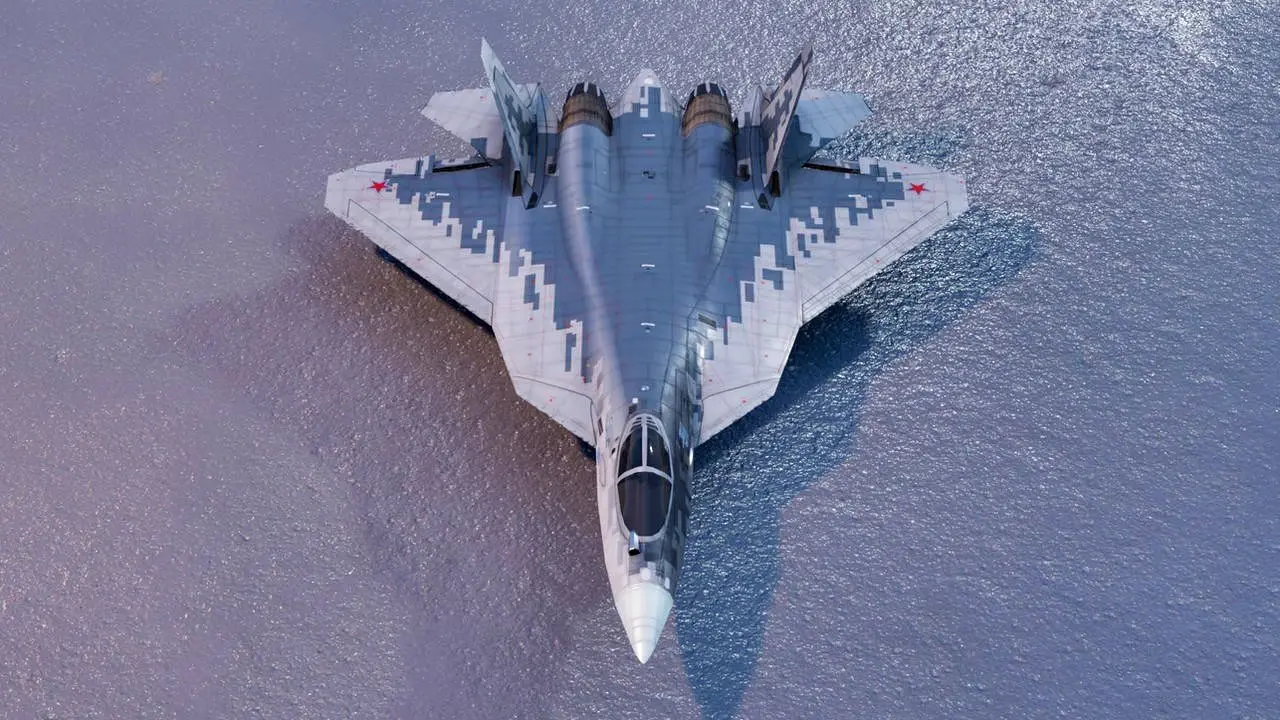
Weather resistance
Weather resistance ensures reliable operation in various conditions. Advanced IR sensors can function effectively through clouds, rain, and other atmospheric conditions that might degrade radar performance.
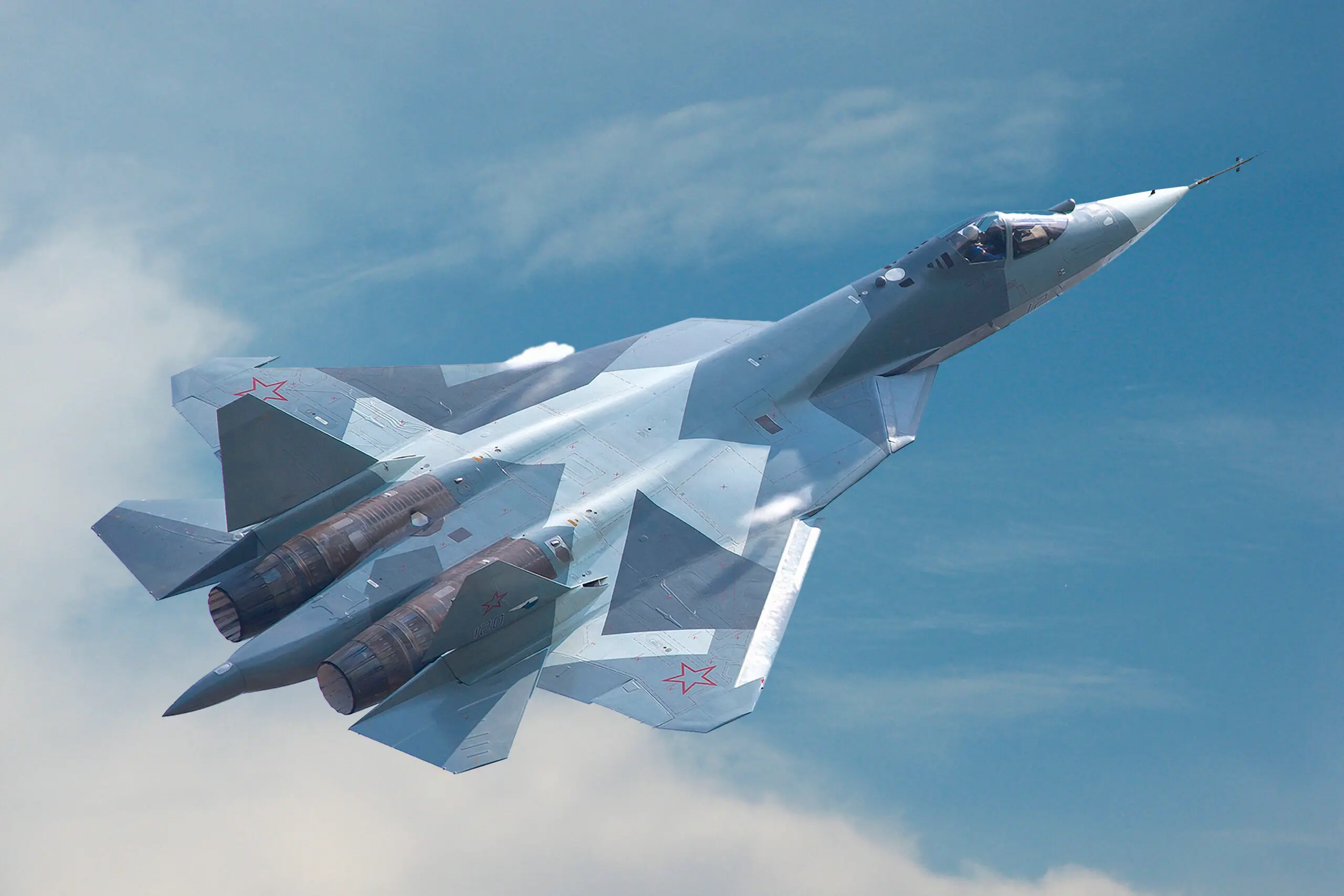
Counter-stealth capabilities
Counter-stealth capabilities provide significant advantages. The Su-57's IR sensors can detect aircraft that might escape radar detection, forcing adversaries to develop new countermeasures and tactics.
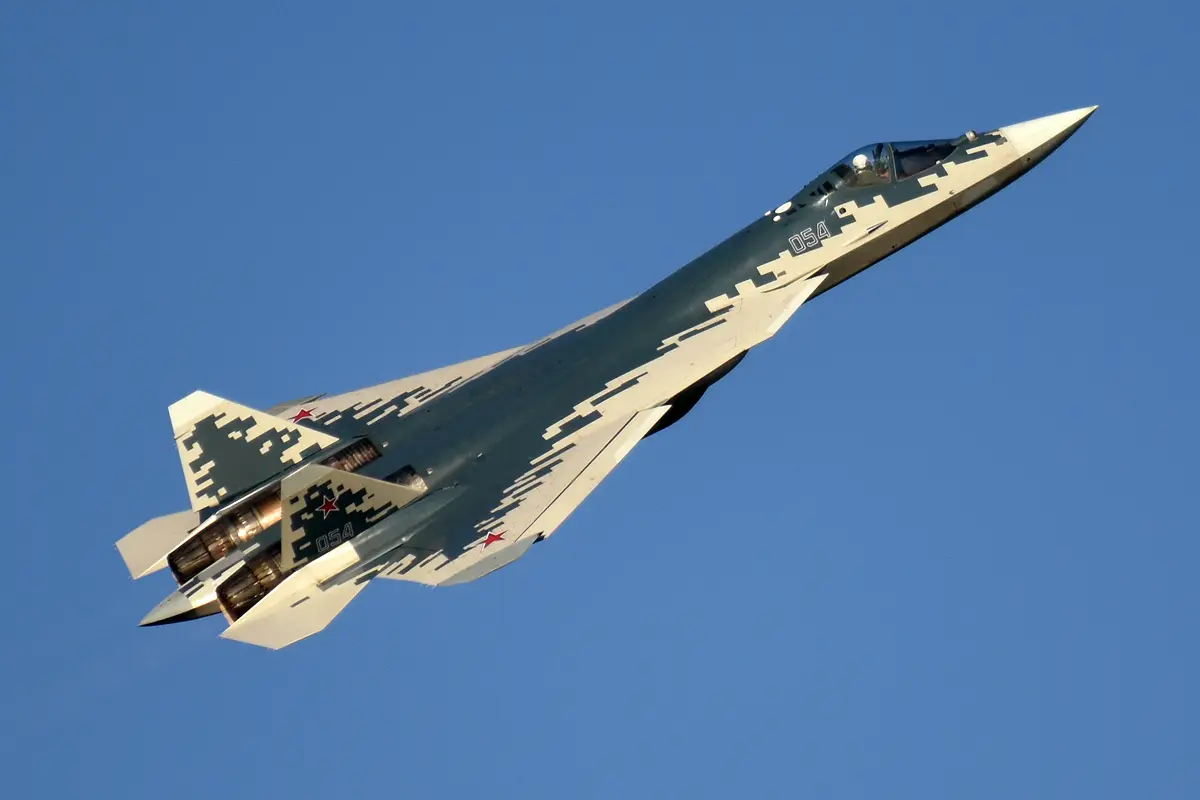
Passive detection capabilities
Passive detection capabilities that enhance the Su-57's situational awareness and engagement options, particularly against stealthy targets that might evade other detection methods.
)
)
)
)
)