Su-57 jet engine secrets: 10 technologies behind its extreme maneuverability

Russia’s Su-57 fighter jets use advanced AL-41F1S engines with 3D thrust vectoring, supercruise, and flat nozzles for stealth. Upgraded AL-51F1 engines promise even more thrust and range, making the Su-57M a next-generation combat fighter jet.
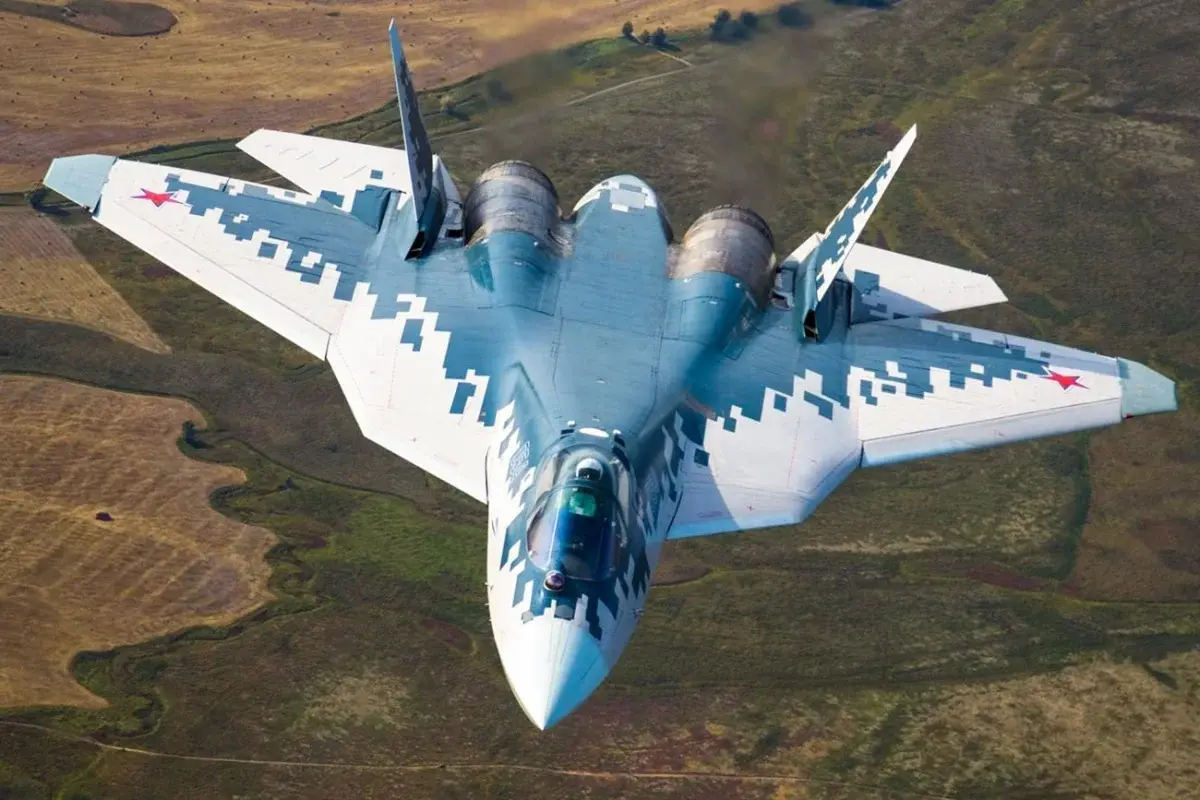
Twin AL-41F1S Turbofan Engines Generate 17 Tonnes Total Thrust
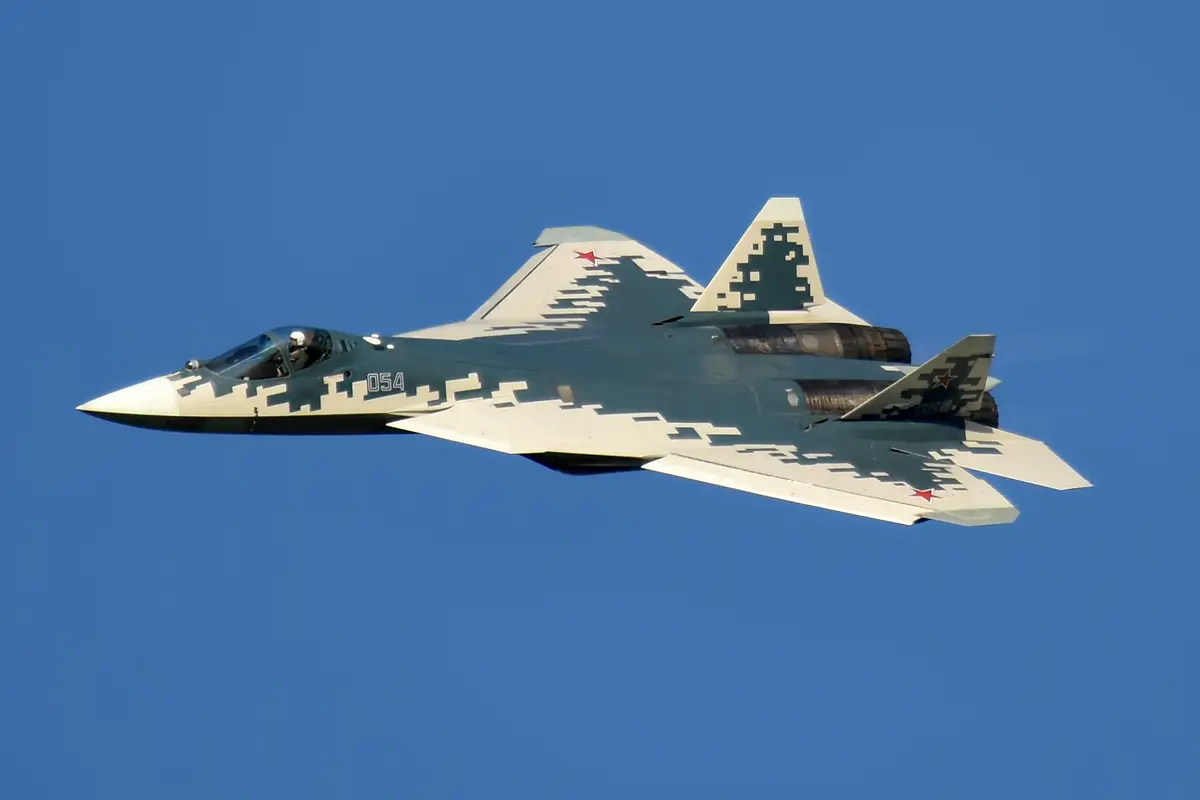
Russia's Su-57 Felon fighter jet is powered by two Saturn AL-41F1S turbofan engines, each delivering 8.5 tonnes of dry thrust, combining to 17 tonnes in afterburner mode. These advanced engines represent evolution from the AL-31F series powering Su-27 aircraft, providing 12 per cent greater dry thrust and 19 per cent more afterburner thrust with only 4 per cent mass increase. Reaching the maximum speeds of Mach 2.45 and supercruise at Mach 1.3 without afterburners.
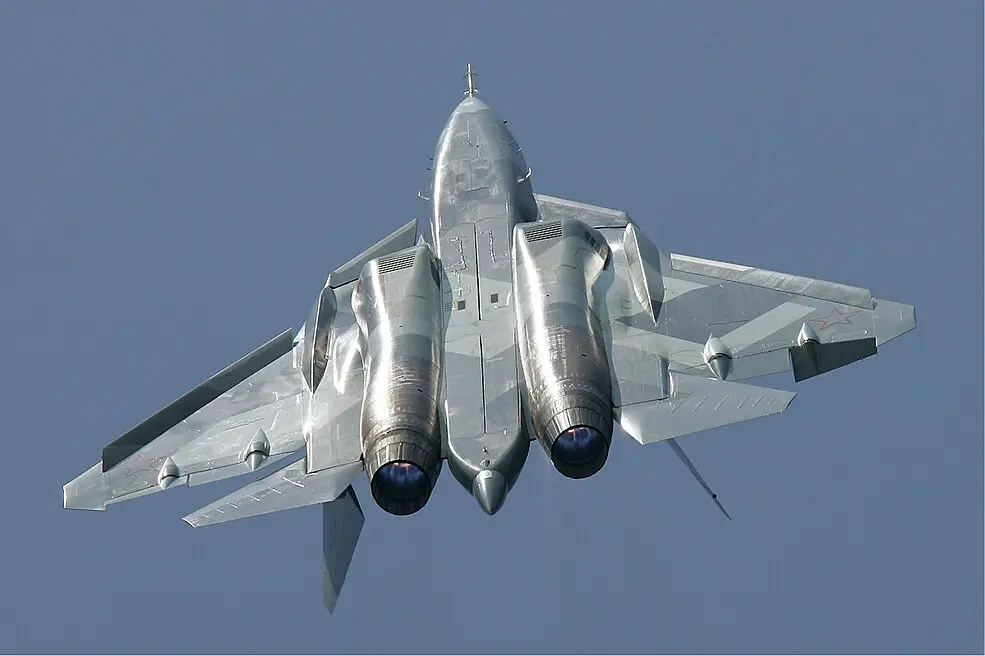
Three-Dimensional Thrust
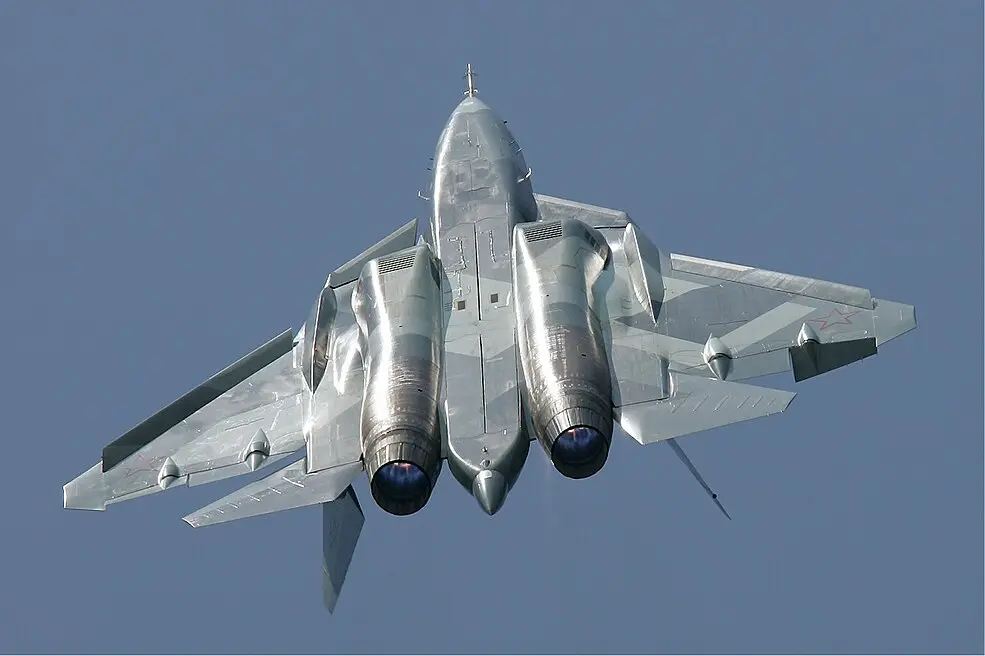
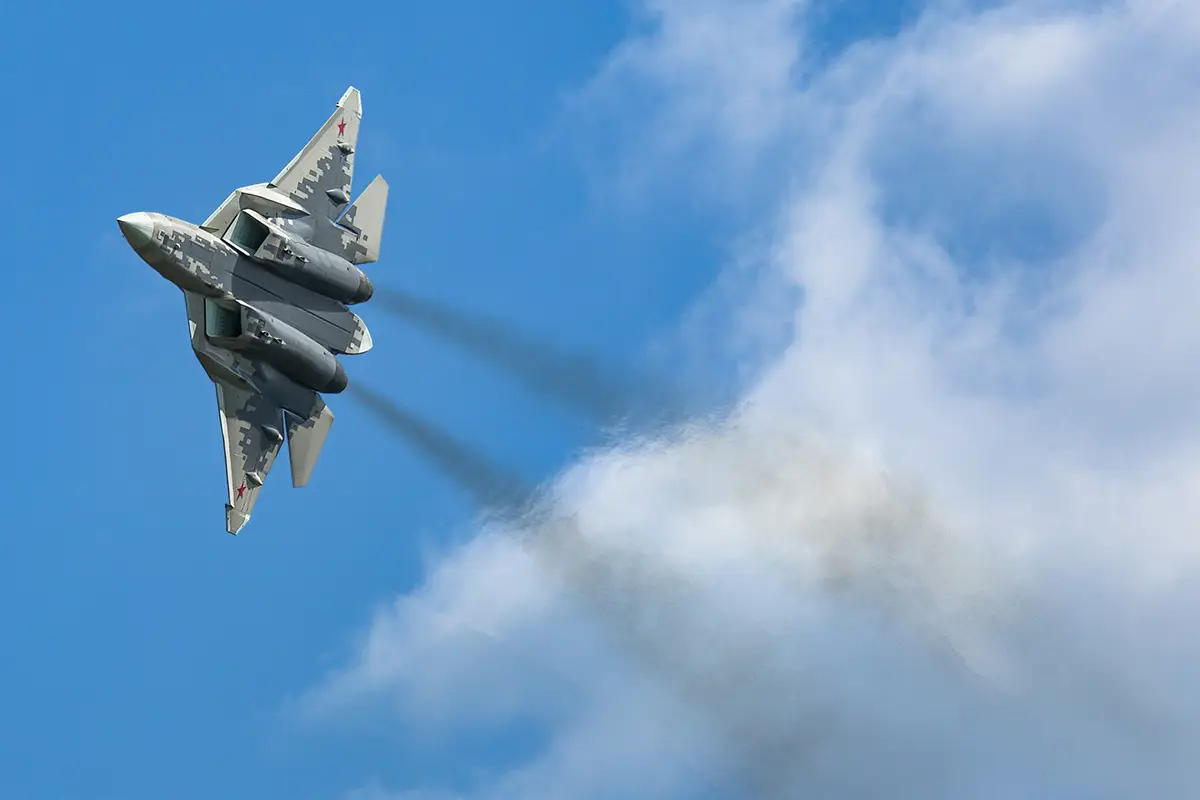
The AL-41F1S engines feature three-dimensional thrust vectoring nozzles allowing independent directional control of engine exhaust in pitch, yaw, and roll axes. The vectoring nozzles rotate axially through canted installation angles which enable differential thrust application across multiple dimensions. This design enables Su-57 to execute post-stall manoeuvres and maintain control at extreme angles of attack.
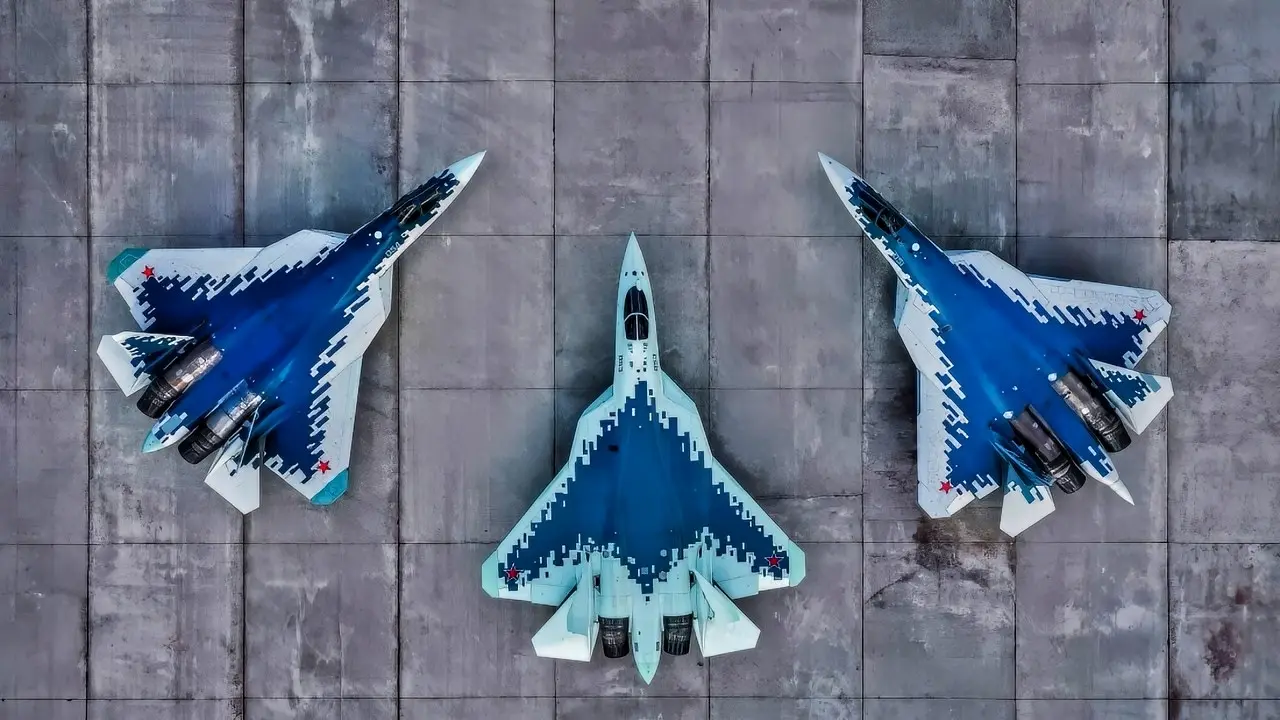
Two-Dimensional Flat Nozzle Design to Reduces Radar Signature
Russia recently tested new two-dimensional flat thrust vectoring nozzles which is similar to those used on the American F-22 Raptor. The flat nozzle design reduces radar cross-section by eliminating the prominent circular profile of three-dimensional nozzles.
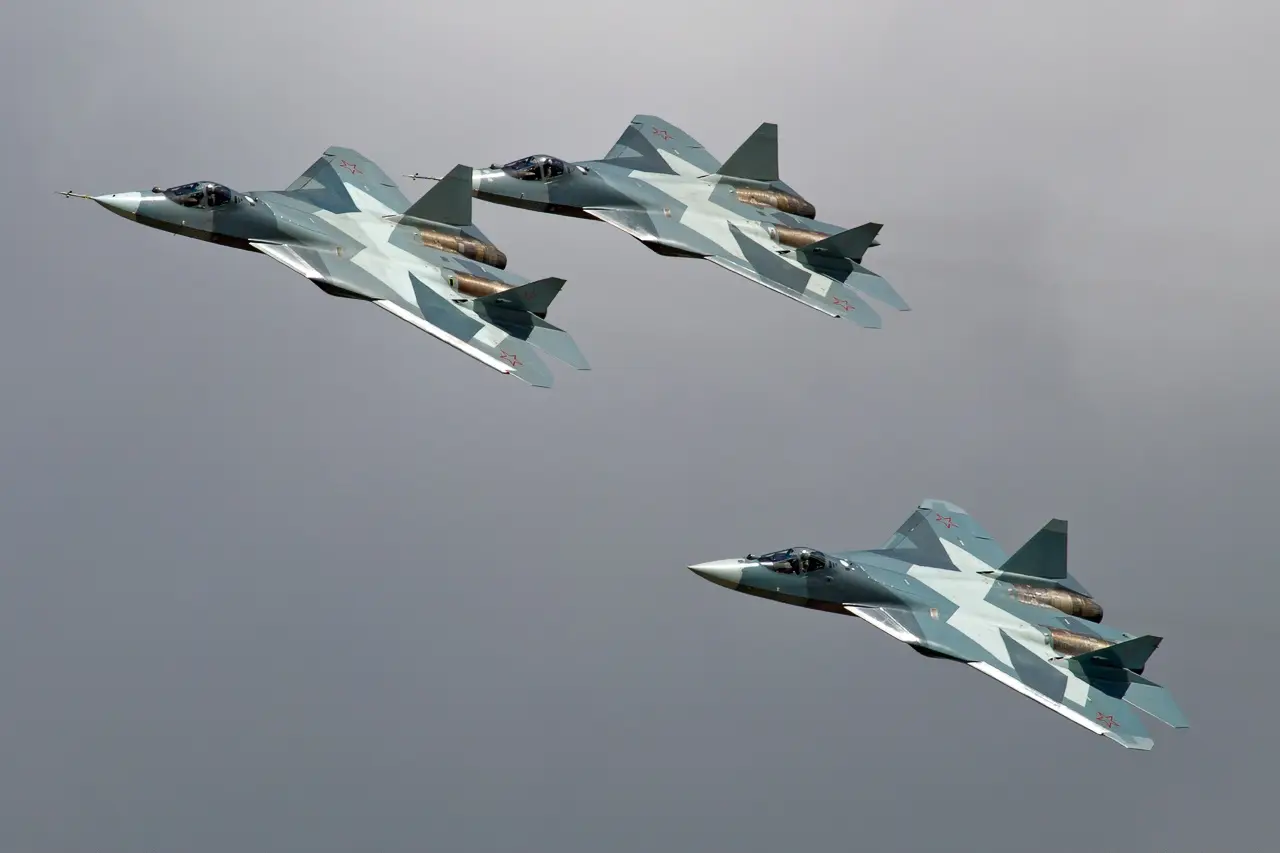
Dual-Regime Flap Design Optimises Performance
The AL-51F1 engine nozzle flaps feature dual-regime design with two flaps tailored for subsonic flight and two optimised for supersonic velocities. This design automatically adapts to flight regimes, providing optimal control across the entire speed spectrum from takeoff to Mach 2.45.
Afterburner System Delivers 142 kN Total Thrust Per Engine
Each AL-41F1S engine can ignite its afterburner system, generating 142 kilonewtons (approximately 14.5 tonnes) thrust per engine. The advanced fuel injection and combustion system enables rapid acceleration from supersonic cruise to maximum speed within minutes. Afterburner reliability exceeds 2,500 hours of service life.
Supercruise Capability Reaches Mach 2.0 Without Afterburners
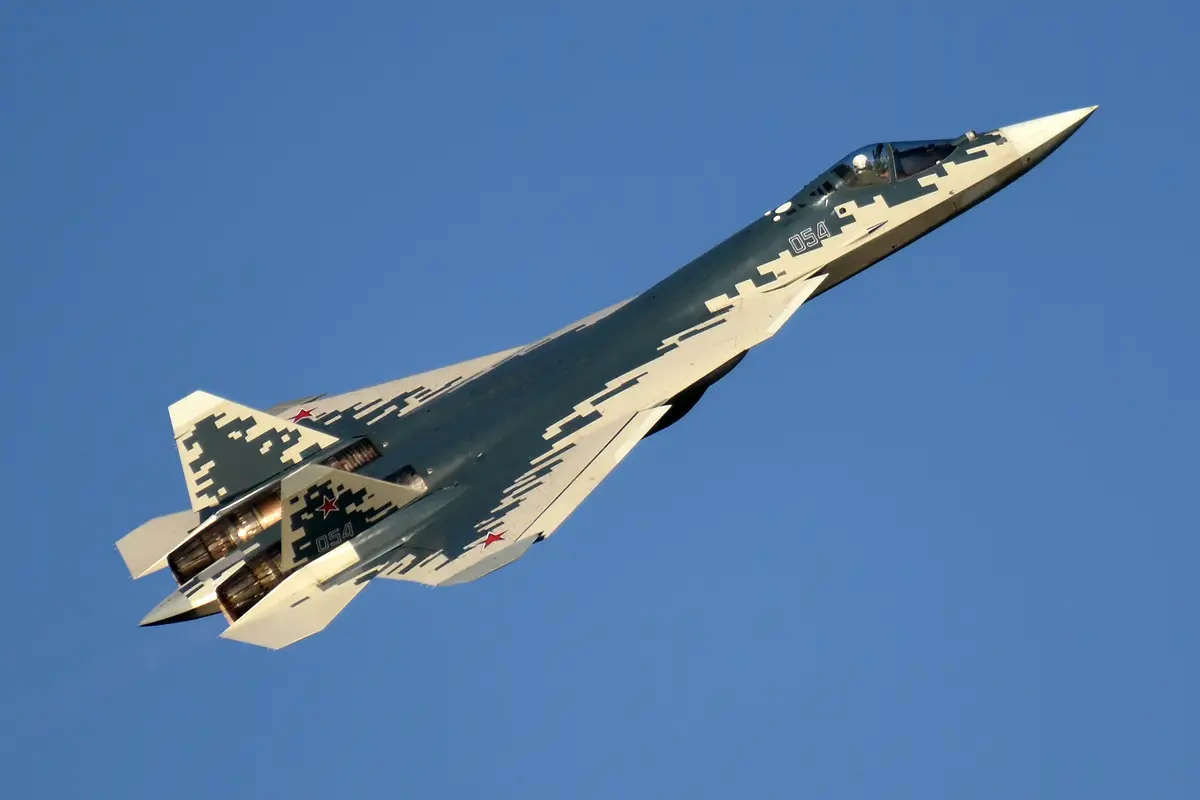
The new AL-51F1 engine, designated "Product 30," enables Su-57M variants to supercruise at Mach 2.0 for sustained periods without afterburner engagement. This represents a 54 per cent increase over the Mach 1.3 supercruise capability of aircraft with AL-41F1 engines. Supercruise capability extends combat range significantly.
Advanced Combustor Design Handles Extreme Temperature Fluctuations
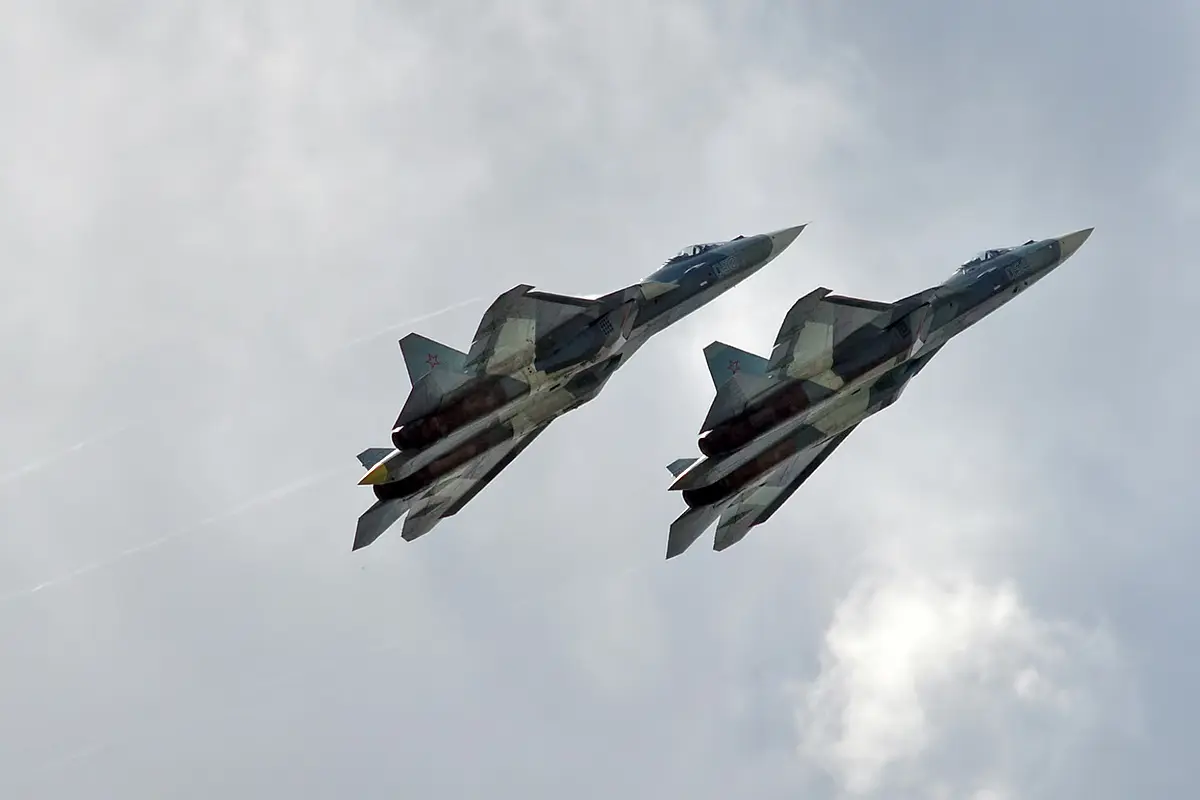
The AL-41F1S combustor employs advanced ceramic matrix composite linings withstanding continuous temperatures exceeding 1,700 degrees Celsius. Multiple fuel injection rings provide precise combustion control, enabling smooth acceleration transitions across transonic regions. This design reduces combustor life wear by 40 per cent compared to previous Russian engines.
Compressor Design Achieves Pressure Ratios Exceeding 30:1
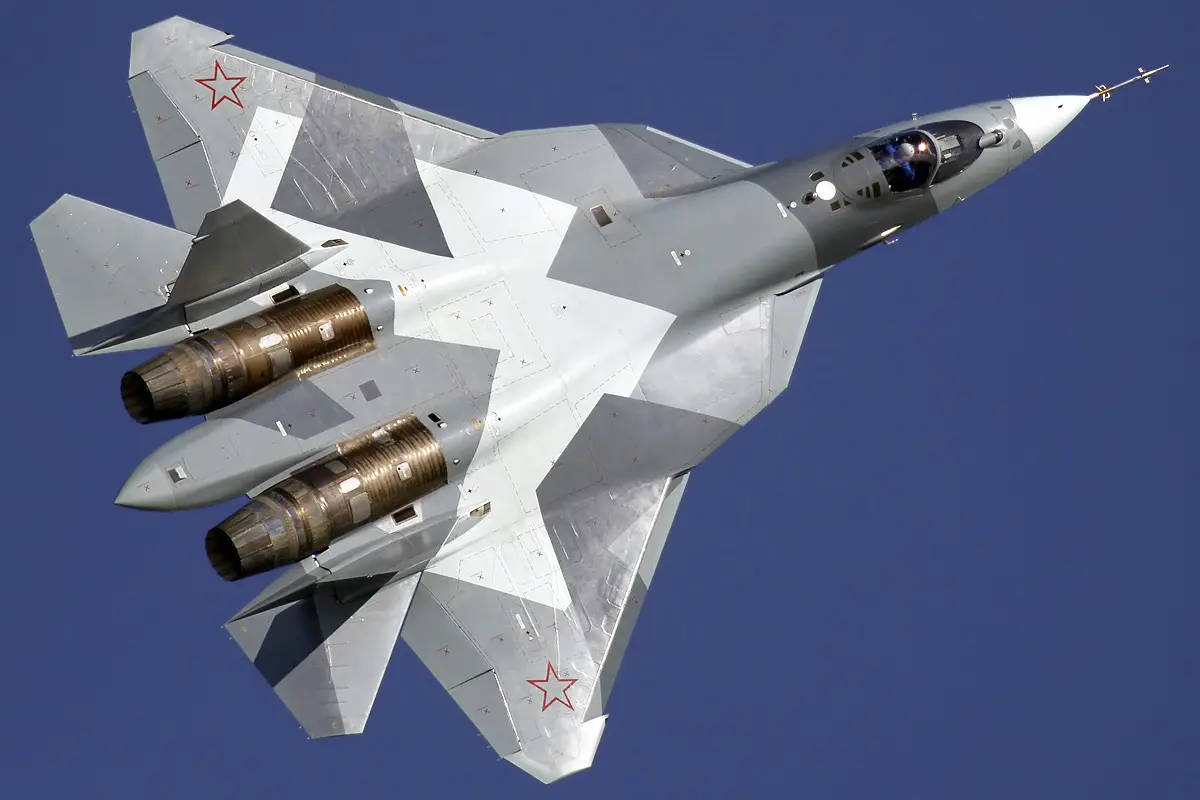
The multi-stage compressor in AL-41F1S engines achieves bypass ratios around 0.5 and total pressure ratios exceeding 30:1, approaching performance levels of contemporary Western fifth-generation engines. Advanced titanium-aluminium alloys in compressor blades withstand centrifugal forces exceeding 400,000 gravimetric units.
Full Authority Digital Engine Control System Enables Instantaneous Response
The FADEC (Full Authority Digital Engine Control) system manages all engine parameters automatically, enabling instantaneous thrust adjustments for post-stall manoeuvres and energy recovery. The FADEC processes thrust vectoring commands within 50 milliseconds, coordinating nozzle deflection with throttle settings for seamless control authority.
Future AL-51F1 Engine Delivers 25% Greater Thrust for Su-57M Upgrade
The upgraded AL-51F1 engine programme, being tested on Su-57M variants, delivers 11 tonnes dry thrust (25 per cent increase) and 18 tonnes with afterburner (17 per cent improvement). Initial operational deployment of Su-57M with AL-51F1 engines anticipated between 2026-2027.
)
)
)
)
)