Su-30MKI armed with BrahMos-A vs Rafale armed with Meteor: which fighter jets will become more deadly?

The Su-30MKI with BrahMos-A can hit far targets with speed and force, while Rafale with Meteor dominates air battles. Each fighter jet is deadly in its own way.
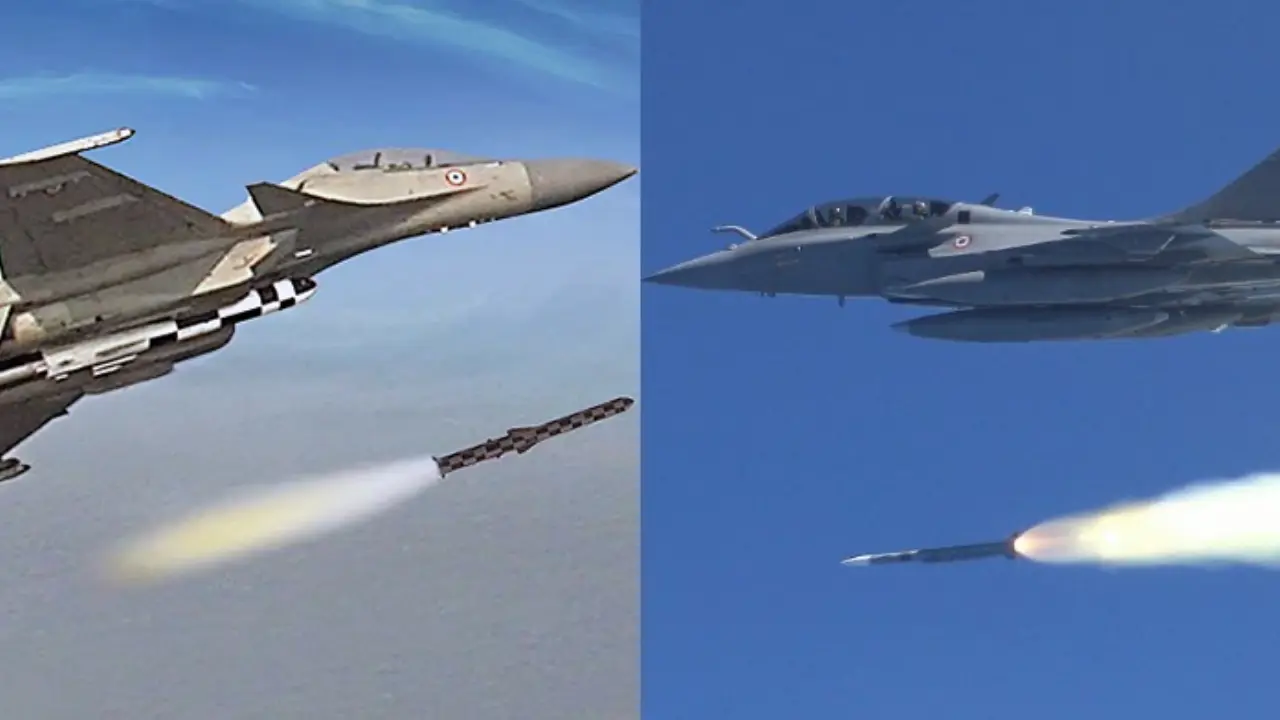
Su-30MKI and Rafale
The Su-30MKI and Rafale are two top fighters in the Indian Air Force. Both can carry powerful new missiles, BrahMos-A for the Su-30MKI and Meteor for the Rafale.
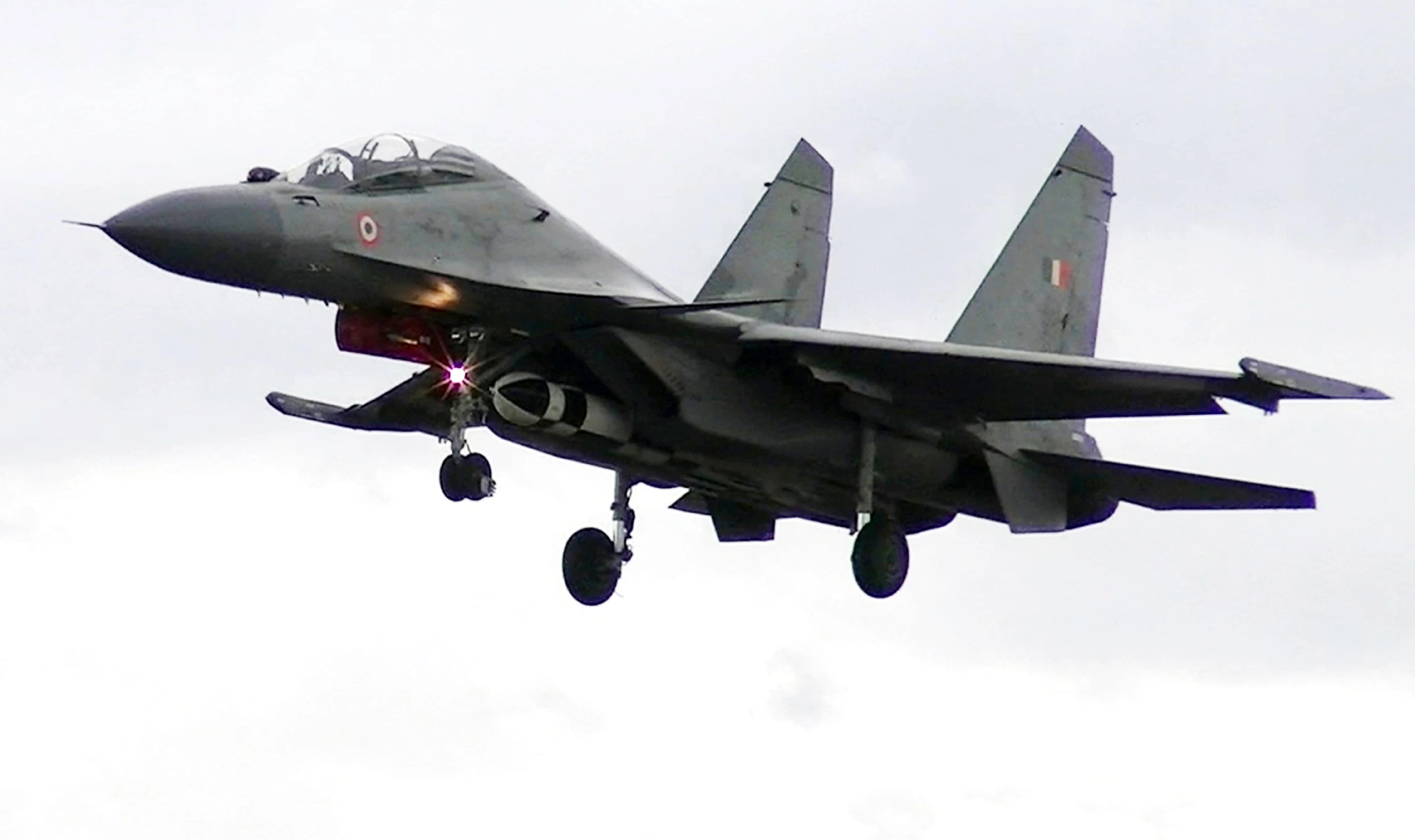
Su-30MKI with BrahMos-A
The Su-30MKI can launch the BrahMos-A, a supersonic cruise missile. This missile can hit targets up to 400-500km away, which is nearly three times the speed of sound. Modified Su-30MKI carries BrahMos-A under the fuselage. This gives India precision-strike power from a safe distance.
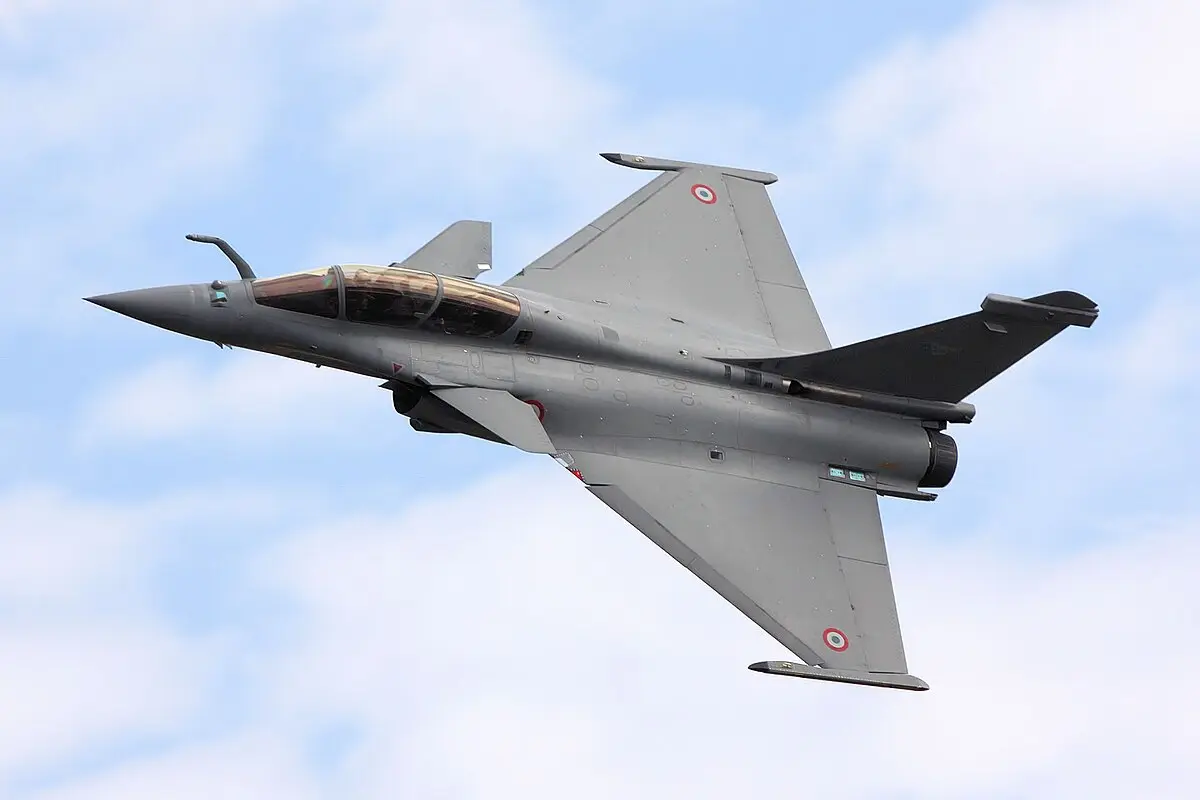
Rafale with the Meteor Missile
Rafale jets are armed with the Meteor missile, one of the most deadly air-to-air missiles today. Meteor has a range of over 150km and travels up to Mach 4.5. Its ramjet engine and smart guidance make it tough to escape. Rafale can launch Meteor without getting close to the enemy, giving first-shot, first-kill ability.
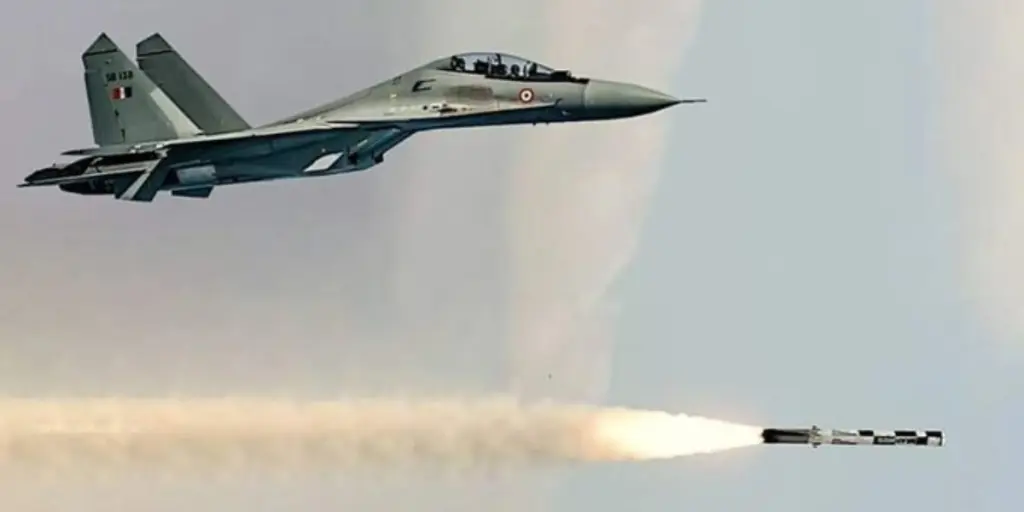
How They Operate
The Su-30MKI with BrahMos-A is best for hitting big, hidden or moving targets on land or sea. It is like a mini-bomber using fast precision strikes, staying out of reach of enemy air defences. Rafale with Meteor, meanwhile, dominates air battles, able to target enemy planes far away before they can fight back.
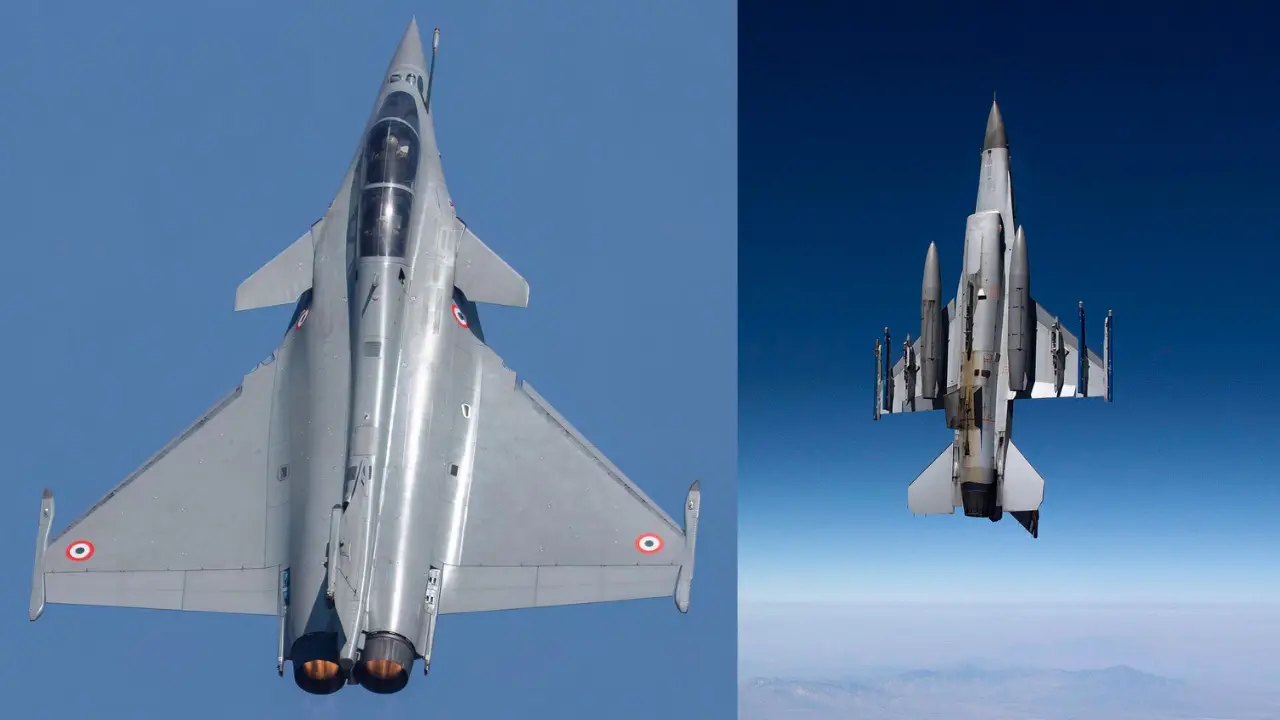
Strengths deadly features
BrahMos-A stands out for its speed (Mach 2.8-3), heavy warhead (about 300kg), and ability to break defences. Meteor is famous for its 'no-escape zone' of up to 100km, where enemy planes can’t dodge. Rafale’s combination of Meteor, modern radar, and stealth features adds to its deadliness.
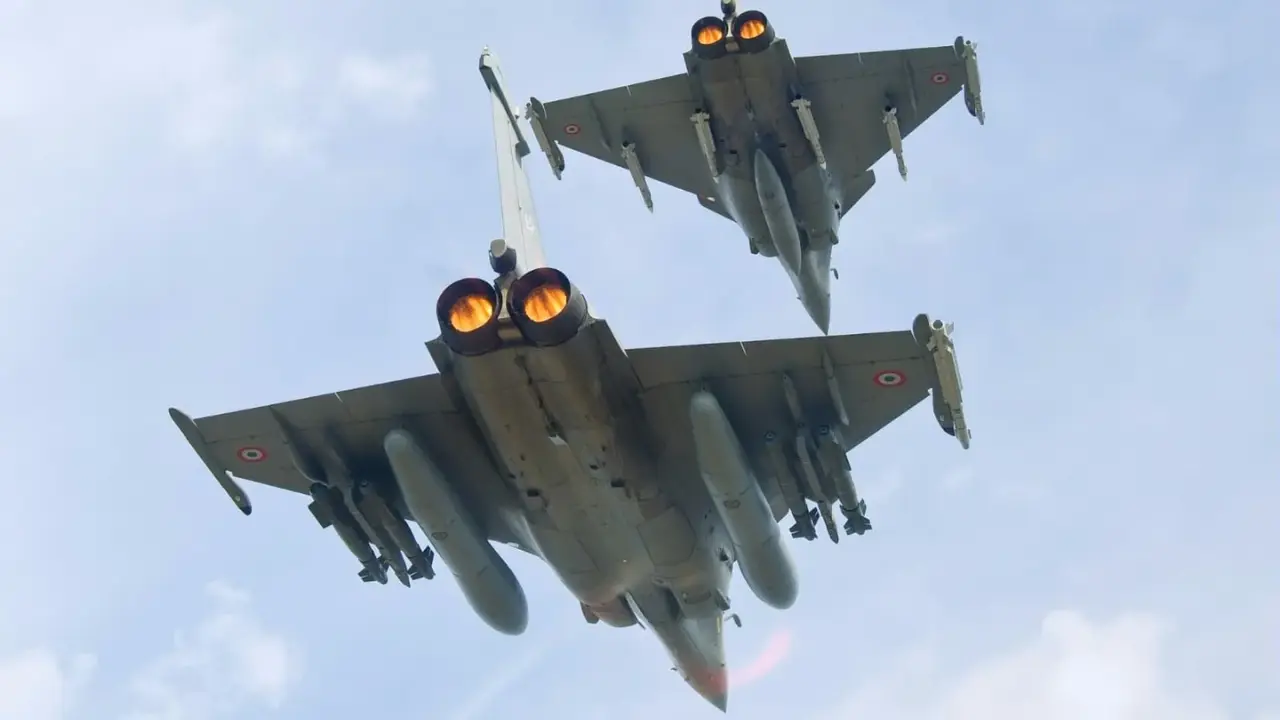
Who Becomes More Deadly?
Both jets are deadly in their own roles. Su-30MKI with BrahMos-A is unmatched in deep-strike missions. While Rafale, with Meteor, is a winner in air-to-air battles. Which is deadlier? It depends on the mission. For long strikes Su-30MKI. For air combat, Rafale.
)
)
)
)
)