Student revolts, Green Movement, Mahsa Amini uprising: Iran’s biggest protests since the Islamic Revolution

Iran is again witnessing widespread protests, driven by public anger over economic strain, political repression and the use of state force. Since the 1979 Islamic Revolution, the country has seen recurring waves of mass unrest.
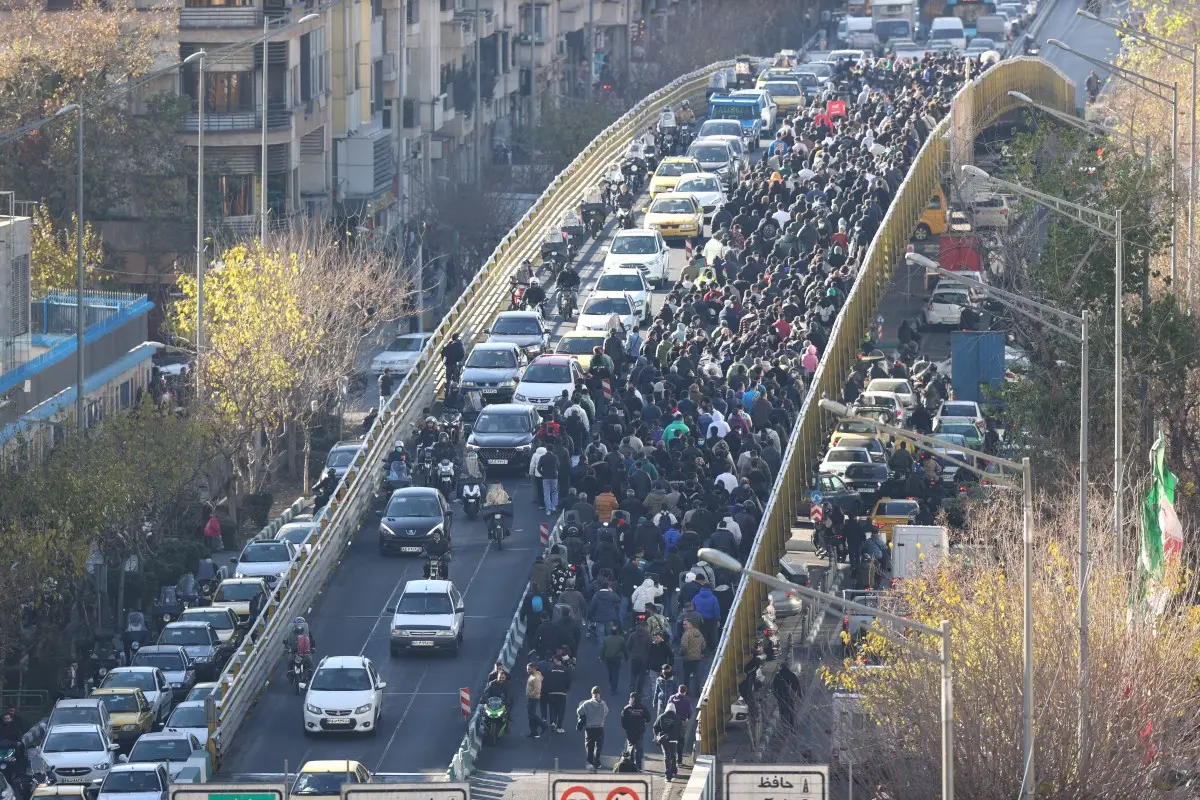
Fresh unrest and Khamenei’s warning
Iran is once again facing widespread protests as anger over economic hardship, political repression and state violence spills onto the streets. Demonstrations have intensified across Tehran and other cities, prompting internet shutdowns and heightened security. In his first public address since the unrest escalated, Supreme Leader Ayatollah Ali Khamenei accused protestors of serving foreign interests and warned that the Islamic Republic would ‘not back down’. He directly attacked US President Donald Trump, calling him ‘arrogant’, claiming his hands were ‘stained with the blood of’ Iranians, and urging him to focus on problems in his own country, according to AP.
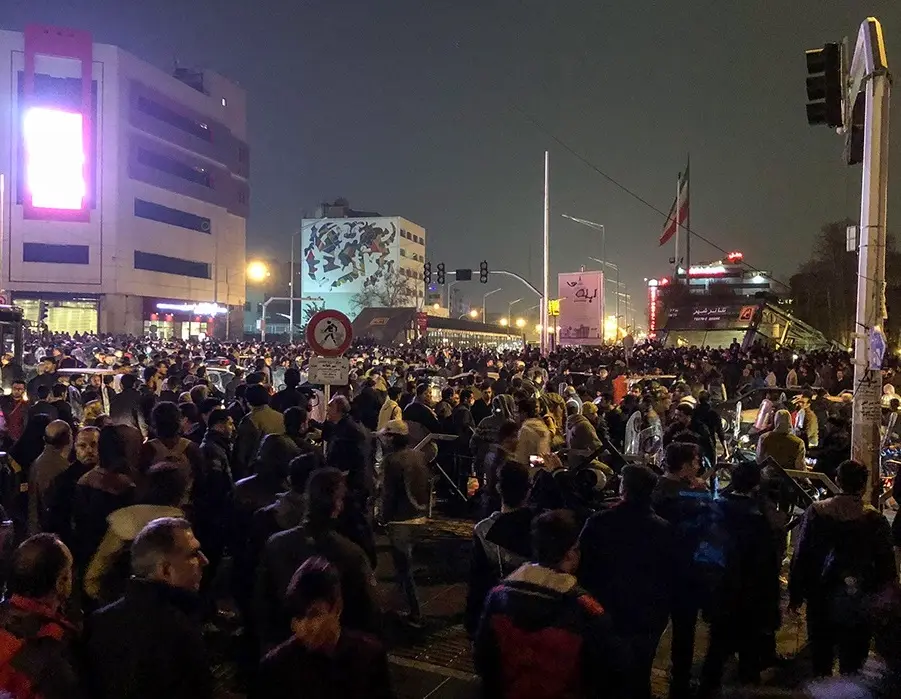
Framing dissent as foreign-backed
The Supreme Leader’s comments came after an internet blackout was reported in Iran on Thursday and extended into Friday, internet monitoring group NetBlocks said. Khamenei's speech reflected a familiar strategy of linking domestic dissent to external pressure, particularly amid ongoing US sanctions and nuclear tensions.
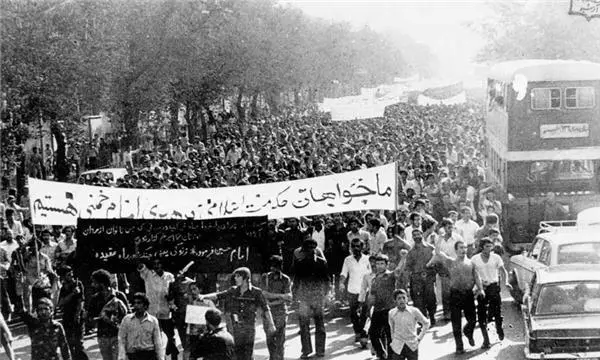
1999 student protests
Since the 1979 Islamic Revolution, Iran has experienced repeated waves of popular unrest. The first major post-revolution protests erupted in 1999 after the closure of a reformist newspaper ‘Salam’, sparking student demonstrations that were violently suppressed. These protests marked the emergence of organised dissent within the Islamic Republic. At least three people were killed while 1,200 were detained in the protests.
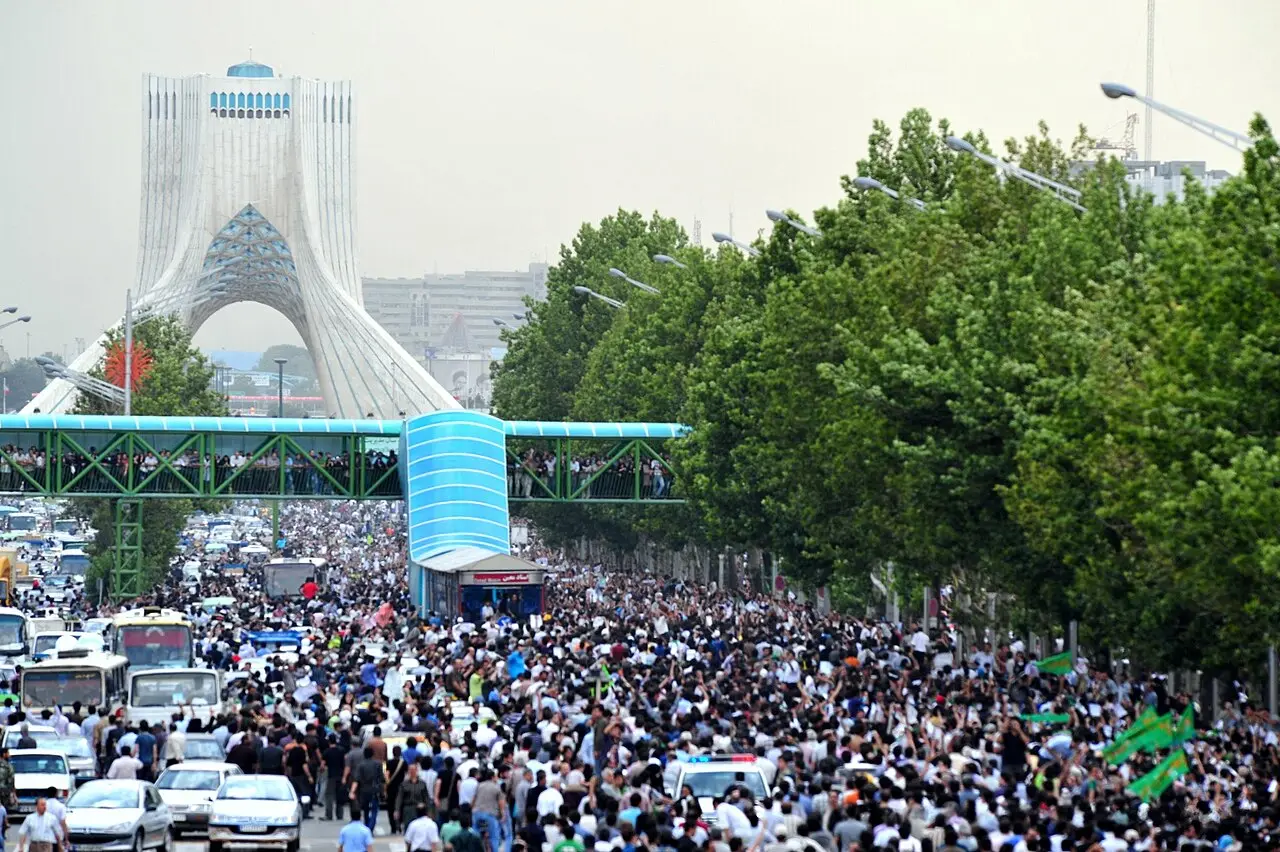
The Green Movement of 2009
One of the most significant protest movements came in 2009 following the disputed reelection victory of the hard-line President, Mahmoud Ahmadinejad. Millions took part in what became known as the Green Movement, demanding political reform and transparency. The state responded with mass arrests, trials and force, reasserting strict control, that led to dozens getting killed and thousands arrested.
Economic protests of 2017–2018
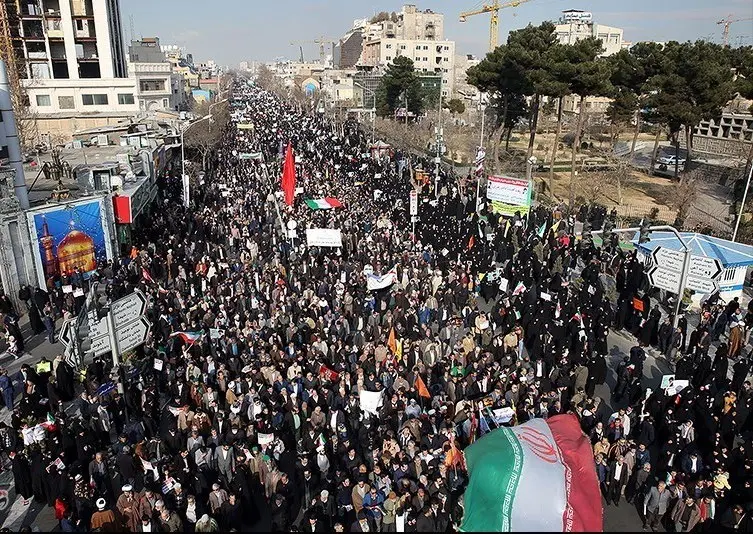
Protests resurfaced in late 2017 and early 2018, driven largely by economic grievances, rising food prices, unemployment and corruption. Unlike earlier movements, these demonstrations spread quickly to smaller towns and targeted the entire political establishment. Over 20 people were killed and hundreds arrested, according to AP.
Fuel price unrest in 2019
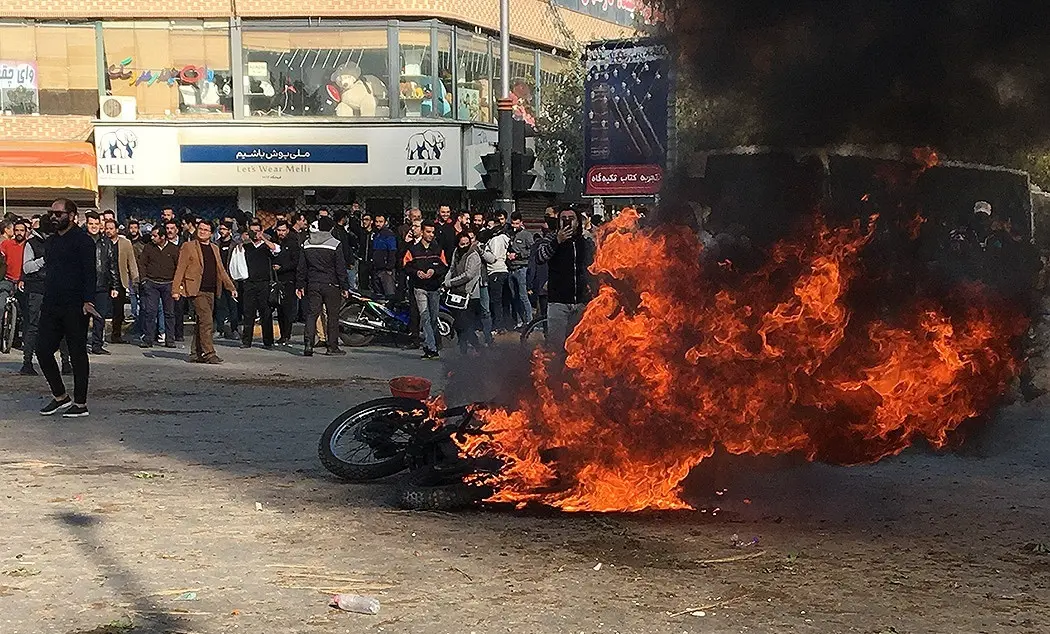
In November 2019, protests erupted after a sudden hike in fuel prices. Multiple gas stations, banks and stores were burnt. The demonstrations were met with a severe crackdown, including a near-total internet blackout. According to AP, over 300 people were reportedly killed as security forces moved decisively to restore order.
2022 Mahsa Amini protests
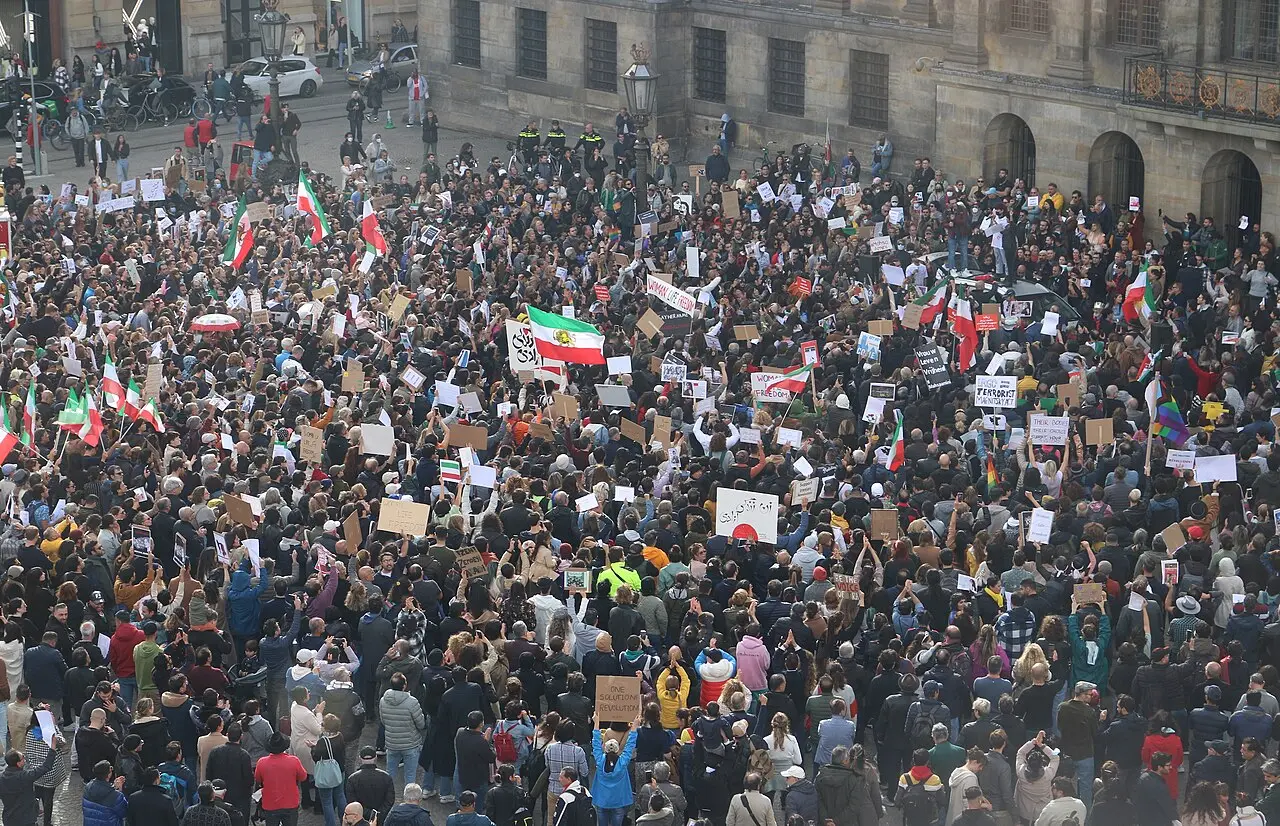
Iran saw massive protests in September 2022, after the death of Amini, 22, following her arrest by the country’s morality police over allegedly not wearing her hijab, or headscarf, to the liking of the authorities. The United Nations investigators had later on found out that ‘Physical violence’ by the state led to her death. A monthslong security crackdown killed more than 500 people and saw over 22,000 detained.
)
)

)
)