Stryker Cyber Attack: How could the attack affect medical device production?

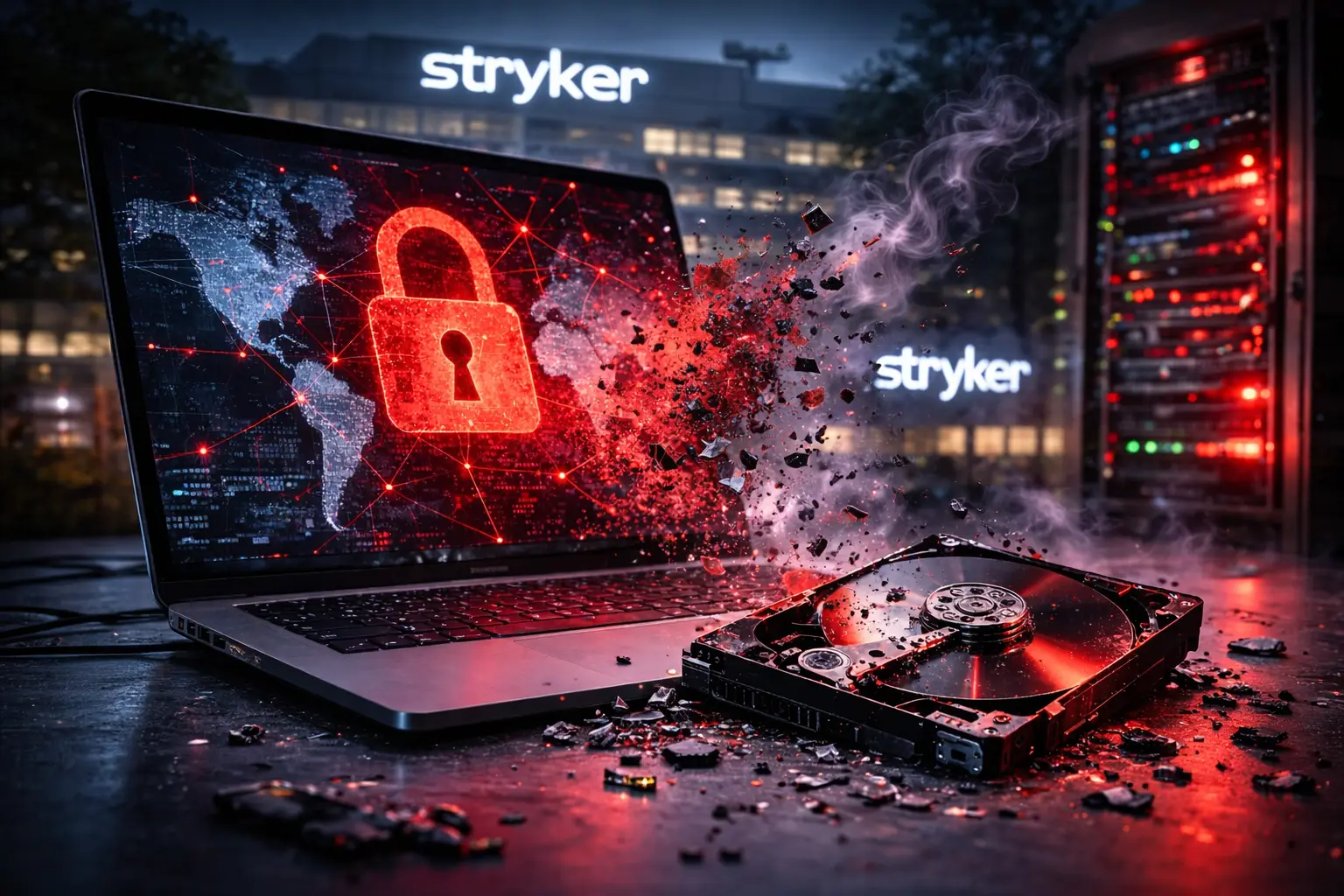
A destructive cyber attack on medical giant Stryker has wiped 200,000 devices and halted global production. The wiper malware breach threatens international supply chains for critical healthcare tools.
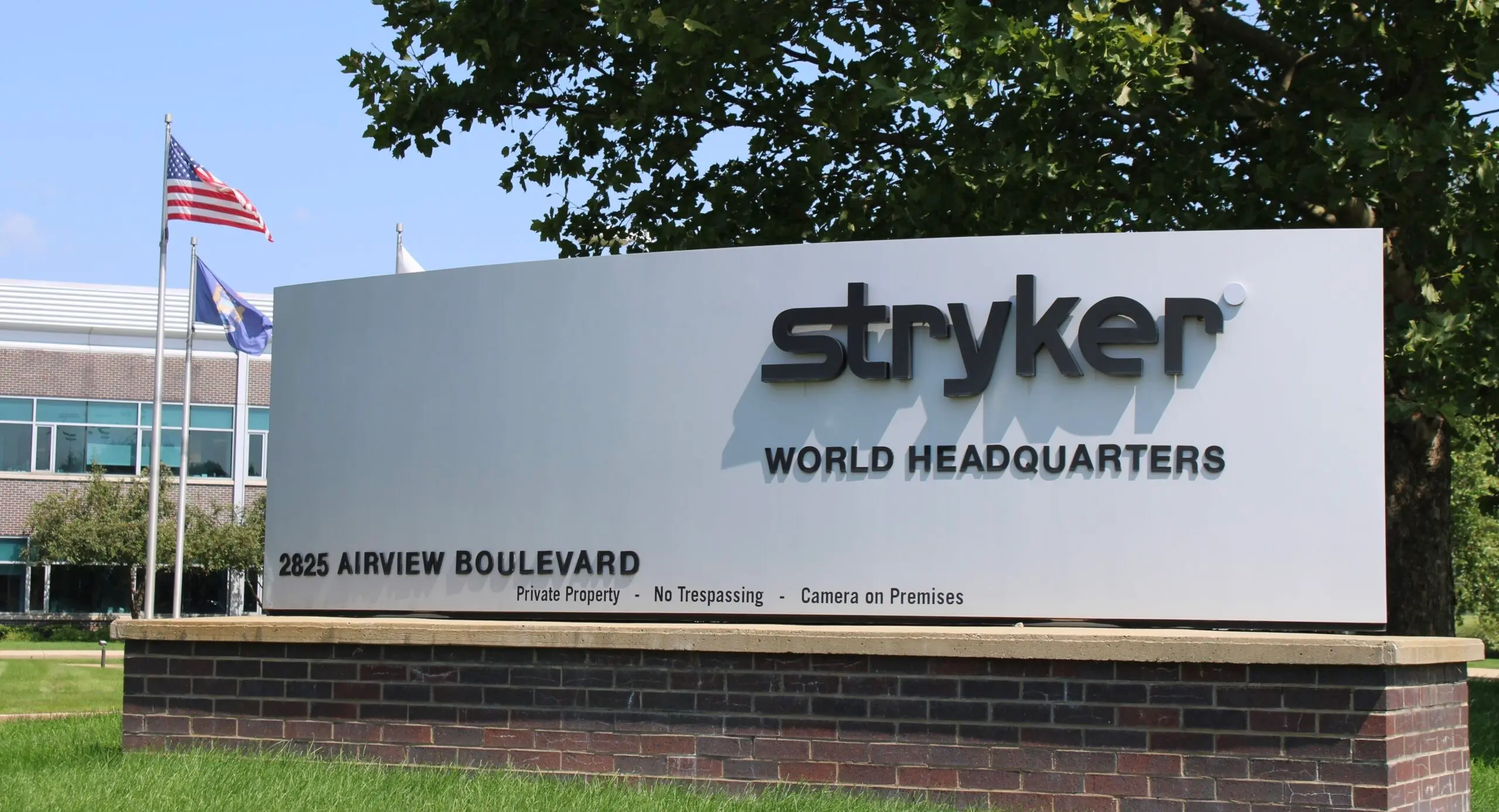
200,000 Devices Remotely Wiped
A suspected Iran-linked hacker group named Handala launched a destructive cyber attack on Stryker. The breach remotely wiped data from more than 200,000 devices, completely shutting down internal company networks and bringing digital communication to a halt.

50 Terabytes Data Stolen
Hackers claim to have extracted 50 terabytes of sensitive corporate data during the widespread network intrusion. Cybersecurity analysts state the attack used destructive wiper malware, indicating it was politically motivated rather than an attempt to demand ransom.

56,000 Employees Face Disruption
The cyber incident caused a severe global network outage that affected the medical firm's 56,000 employees. Workers were instructed to immediately disconnect their corporate laptops and mobile phones from the internet, halting daily administrative workflows.
Wiper Malware Halts Production
Wiper malware permanently erases system records and corrupts operating systems to cause maximum damage. By destroying critical software tools used for product design and supply chain management, the malware forced a temporary halt to essential manufacturing processes.

4,000 Irish Workers Offline
The security breach severely impacted Stryker’s European headquarters in Cork, Ireland, where over 4,000 employees lost network access. Because modern factory machines rely heavily on connected digital systems, the IT failure directly slowed down regional manufacturing output.
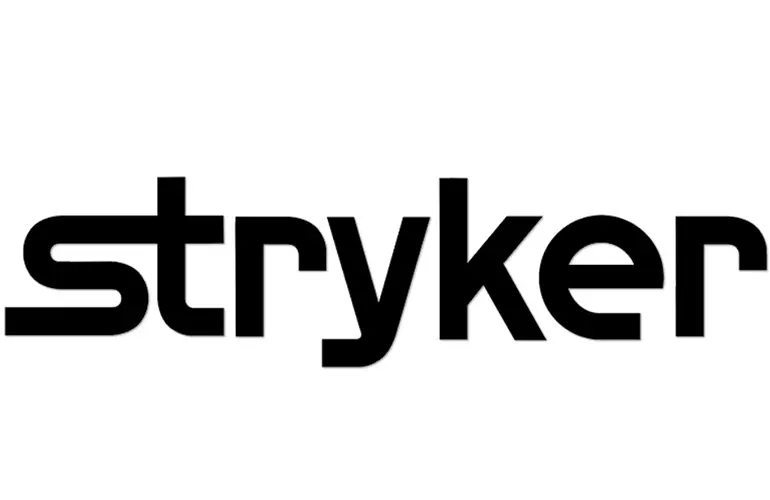
Hospital Supply Chains Disrupted
Stryker manufactures essential healthcare equipment, including surgical robots, orthopaedic implants, and hospital beds. Prolonged production delays could severely disrupt international supply chains, affecting healthcare facilities that rely heavily on these critical medical tools.
Windows Environment Fully Targeted
The cyber attack specifically targeted the company's internal Microsoft Windows environment, disrupting vital product testing software. Engineers lost access to important digital design files, making it impossible to coordinate advanced manufacturing or equipment maintenance.
79 Global Offices Closed
The hacker group claimed responsibility for forcing the closure of operations in 79 countries worldwide. Company officials confirmed the global network disruption, noting that strict business continuity measures are actively being implemented to maintain customer support.

Revenue of $25 Billion
As a Fortune 500 company that generated a global revenue of $25 billion in 2025, Stryker plays a crucial role in the healthcare sector. The attack highlights how cyber warfare on enterprise networks can quickly cascade into major operational losses for medical companies.
Devices Remain Fully Safe
Despite the massive internal data loss, the company confirmed that existing medical products in hospitals remain 100 per cent safe to use. Security teams and engineers are working to rebuild the network infrastructure and safely restore full manufacturing capabilities.
)
)
)
)
)