Strong enough to rattle windows? How powerful is a B-52 bomber flypast

A B-52 flypast generates a deafening 150-decibel roar from its eight turbofan engines. This intense acoustic energy creates low-frequency pressure waves that easily rattle windows and physically vibrate the ground, despite being a subsonic jet.
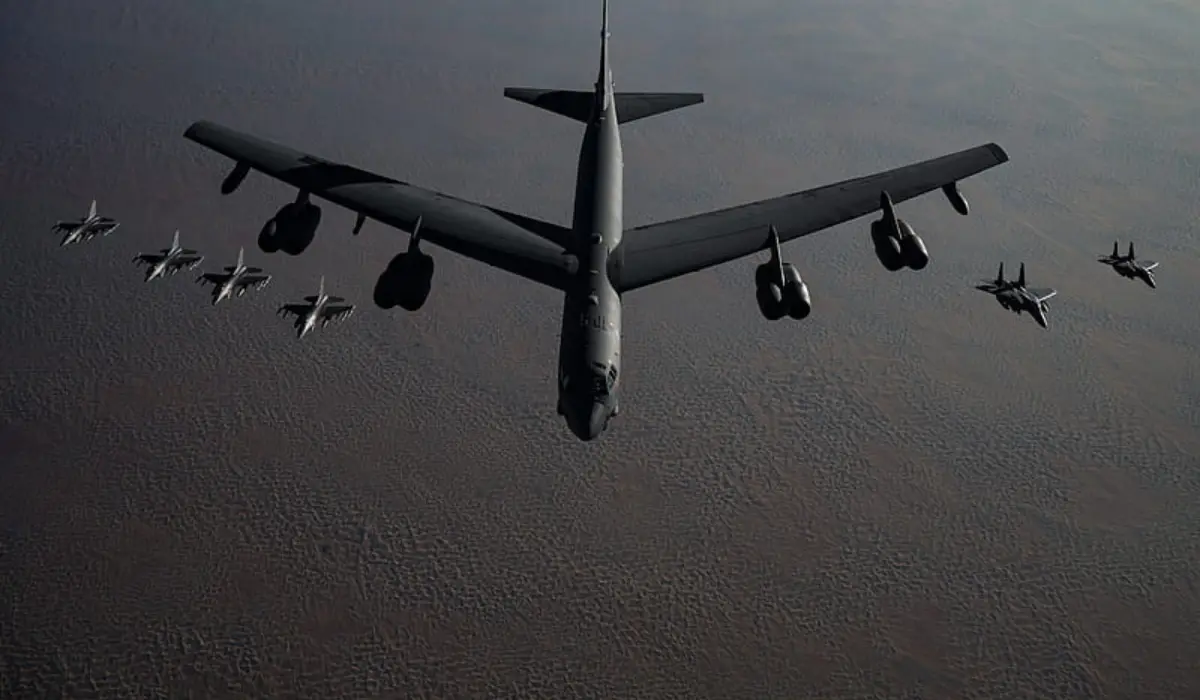
The Eight-Engine Thunder
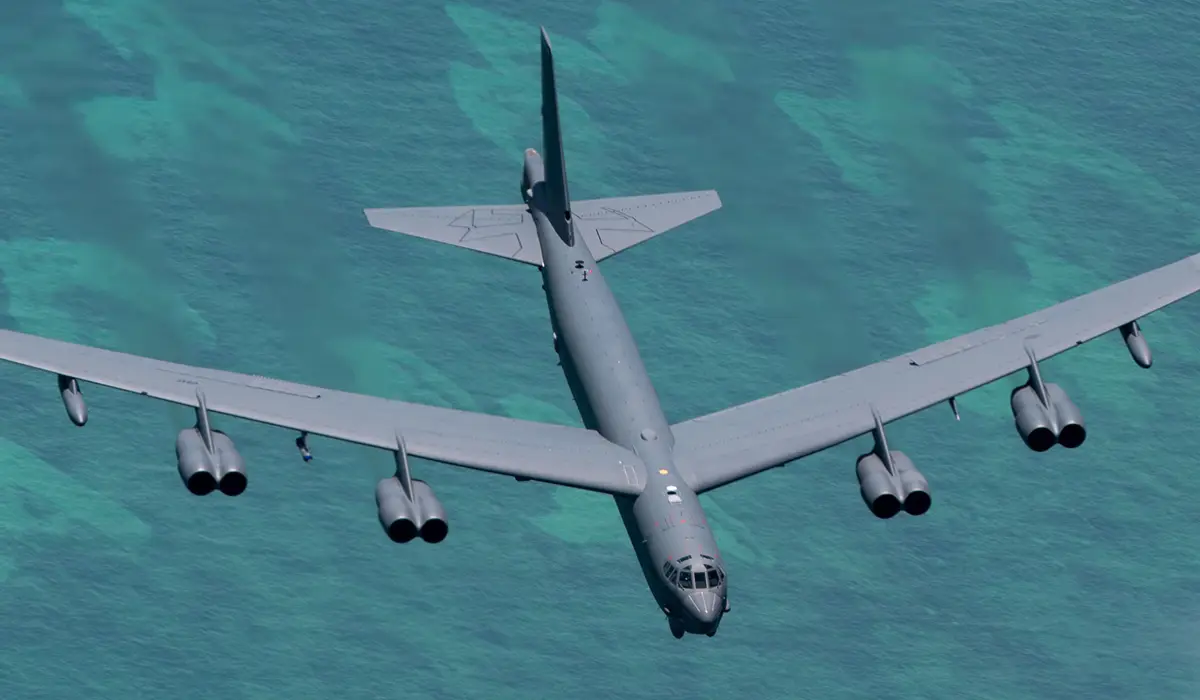
A low-altitude flypast by a Boeing B-52 Stratofortress is a physically jarring experience. Powered by eight Pratt & Whitney TF33 turbofan engines, the massive aircraft generates an overwhelming acoustic footprint that announces its arrival miles in advance.

A Deafening 150 Decibels
At close range, the heavy bomber produces roughly 150 decibels of sound energy during full-throttle manoeuvres. This staggering level of acoustic power easily surpasses the threshold of pain, requiring ground personnel to wear heavy-duty double hearing protection.
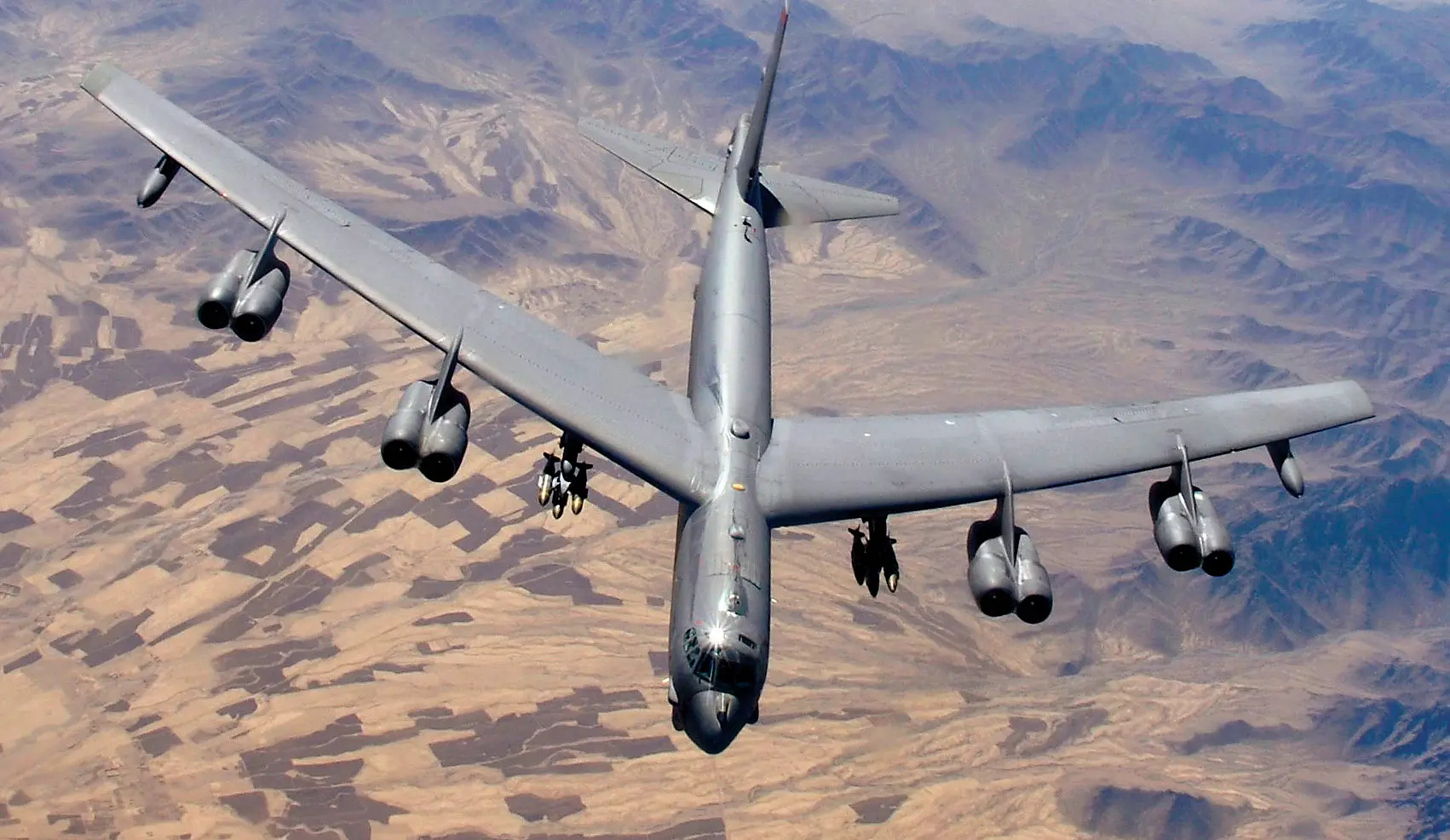
Rattling the Windows
The B-52 does not just create loud noise; it generates intense, low-frequency sound waves that travel vast distances. During a low-level flyby, this raw acoustic energy violently strikes buildings, easily rattling windowpanes and physically vibrating the chests of ground observers.
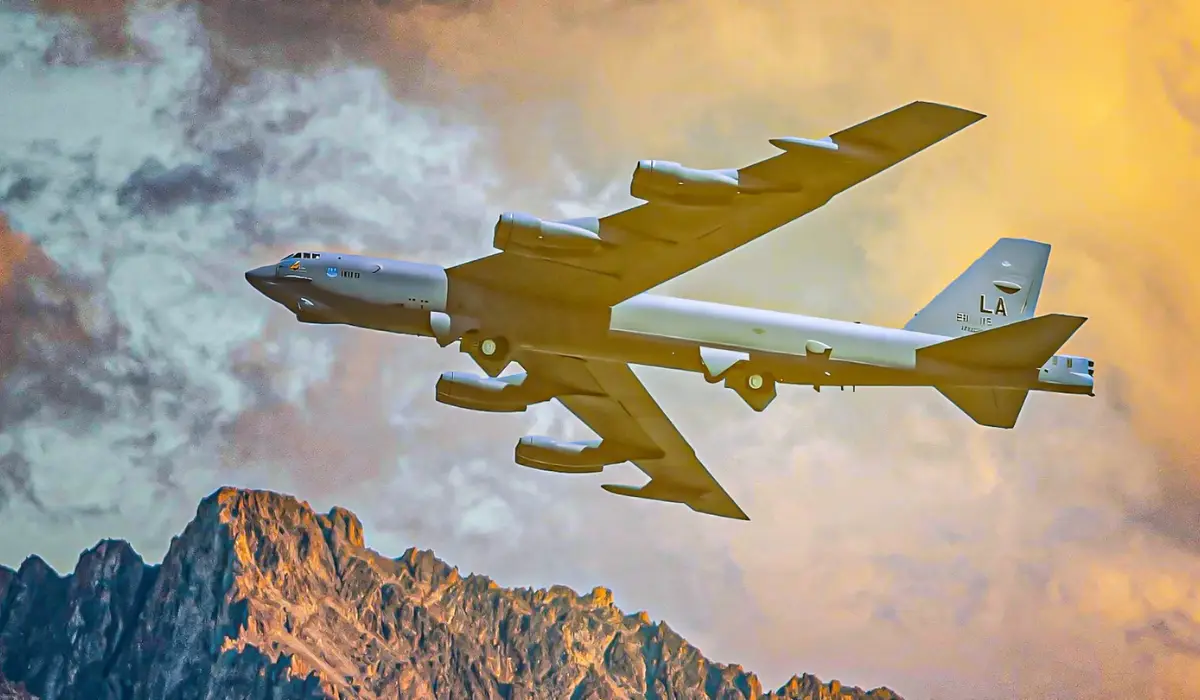
The Subsonic Pressure Wave
Despite its terrifying acoustic presence, the vintage aircraft never produces a supersonic shockwave. Because the 390,000-pound bomber is restricted to a subsonic top speed of roughly 650 miles per hour, the extreme vibrations are caused entirely by massive engine displacement.
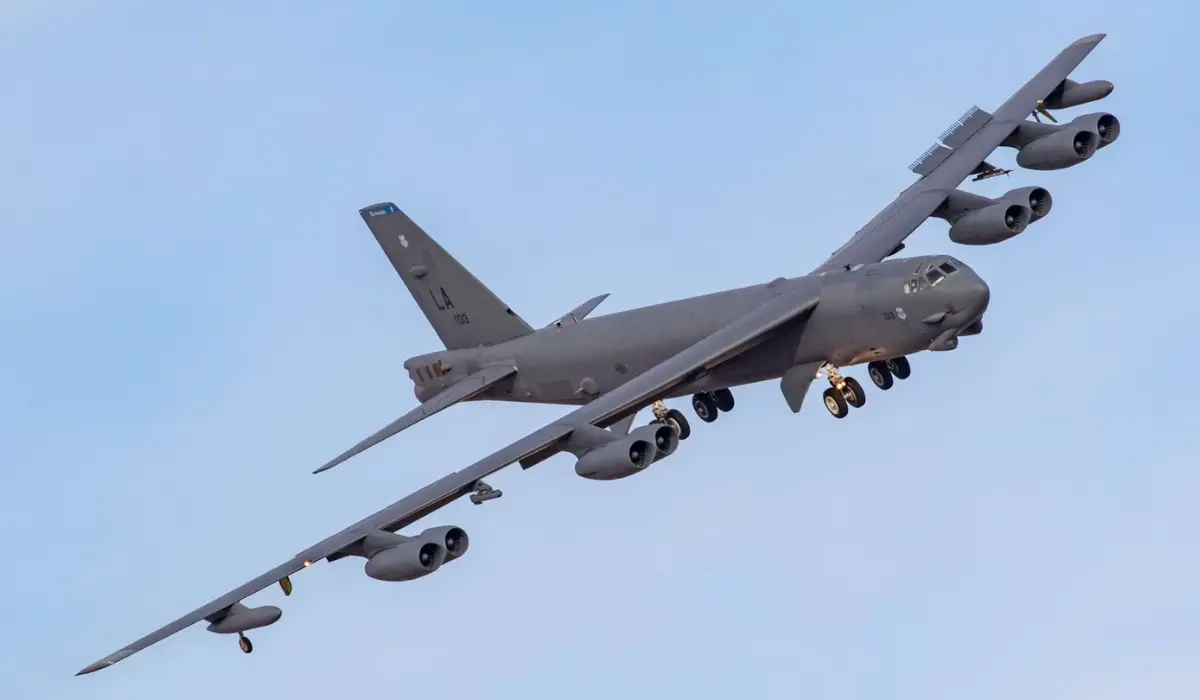
The Signature Whistle
Aviation enthusiasts instantly recognise the bomber by its highly distinctive engine whistle and thick trails of black exhaust smoke. This unique acoustic signature is a direct result of the 1960s-era engine architecture rapidly forcing massive volumes of compressed air through the turbines.
Simulated Combat Power
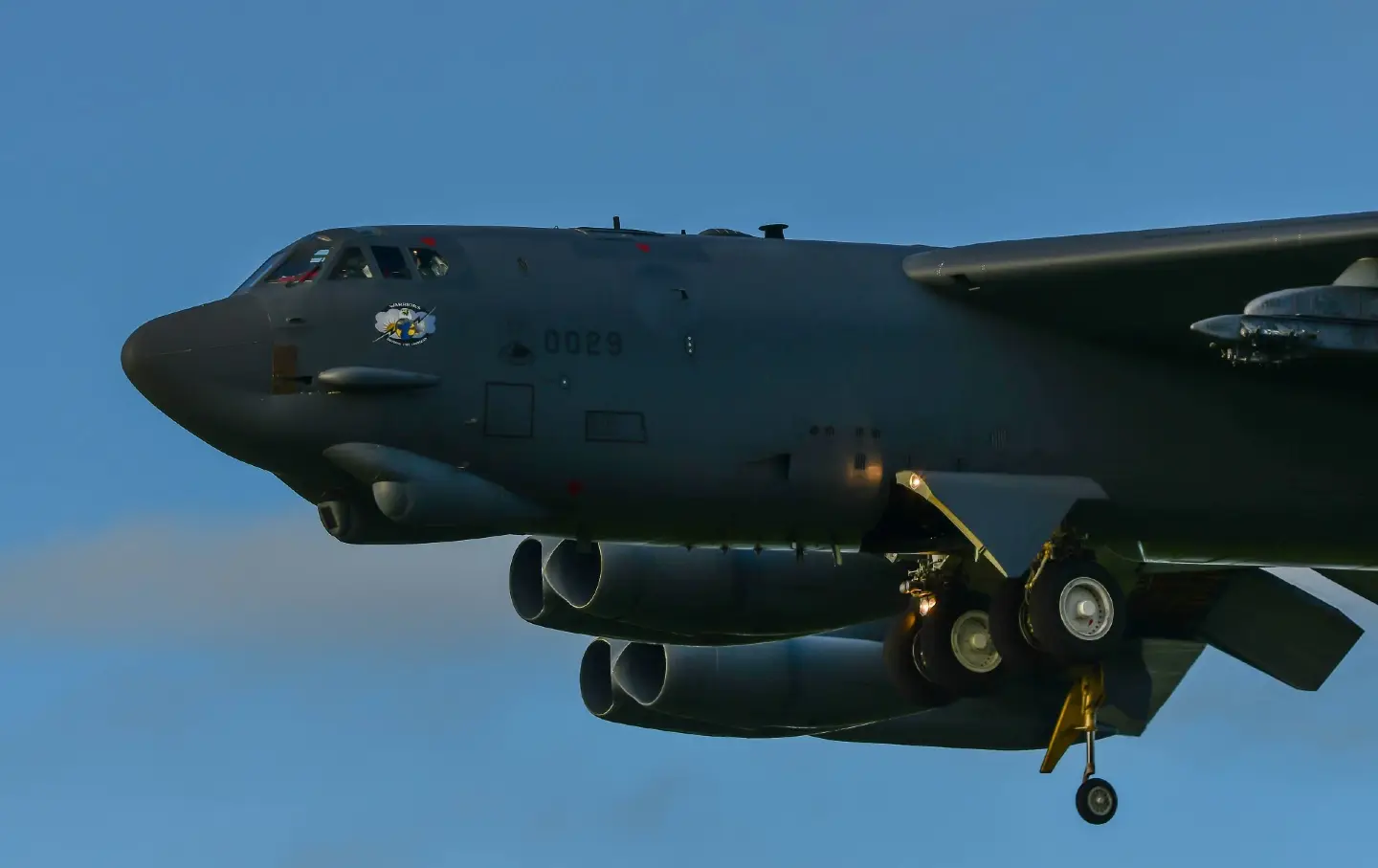
During close air support training exercises, pilots routinely execute aggressive low-pass flyovers at just a few hundred feet above the deck. This overwhelming display of noise and physical size is intentionally used as a psychological weapon to break enemy morale on the battlefield.
Quieting the Beast
The era of the window-rattling flypast is slowly coming to an end with the USD 48.6 billion B-52J modernisation programme. By swapping the original powerplants for eight modern Rolls-Royce F130 commercial engines, the US Air Force will drastically reduce the aircraft's legendary noise footprint.
)
)
)
)
)