Strait of Hormuz shut again as over 10,000 US troops continue to enforce Iran blockade

Strait of Hormuz shutdown again as Iran delivered on its promise to resume "strict management" of the vital passage if US troops continue to enforce a blockade ordered by US President Donald Trump.
Scroll down to read more.
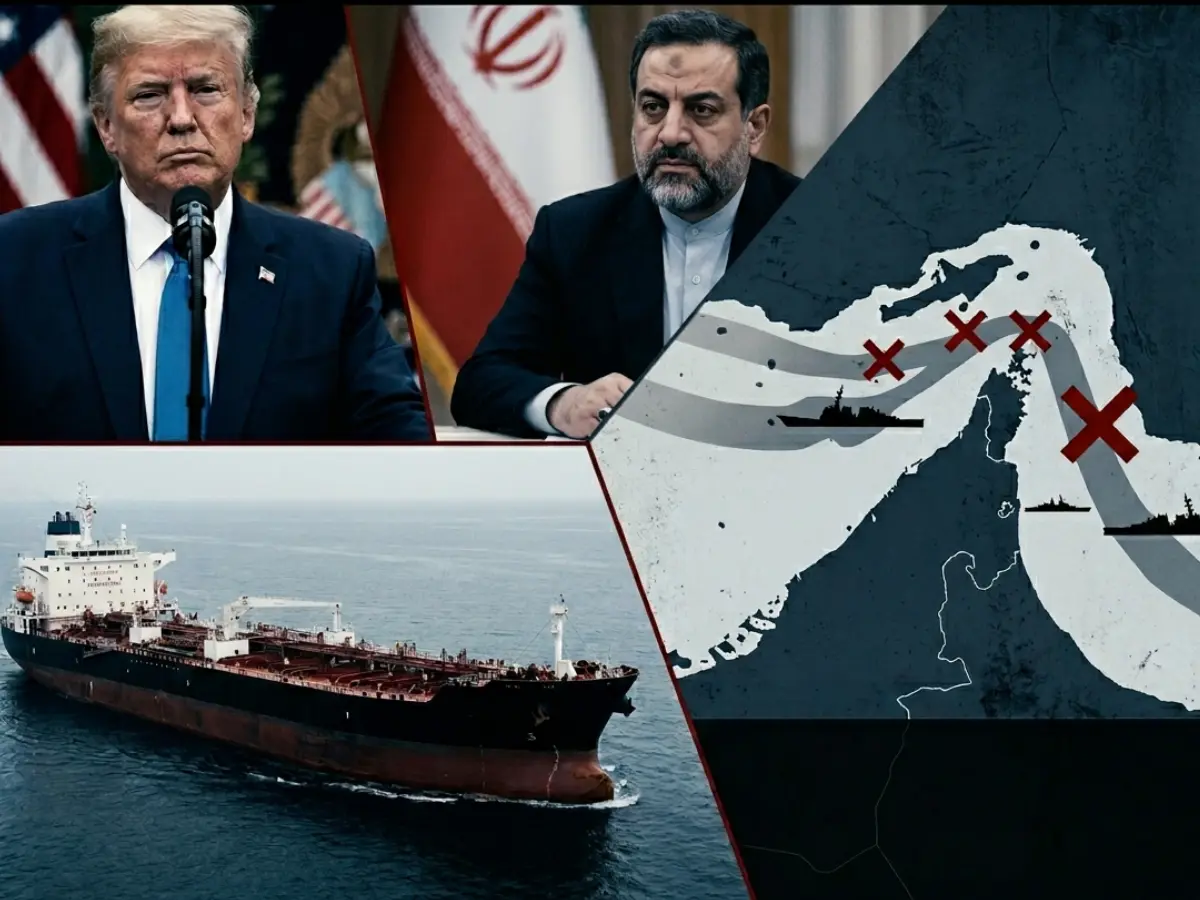
Strait of Hormuz Shut Again
Iran's central military command announced on Saturday it would resume "strict management" of the Strait of Hormuz, reversing a decision to unblock the strategic channel as part of negotiations with Washington. This comes as the US continues to blockade Iran's ports despite repeated warnings from Tehran.
In a statement shared on state television, the headquarters said Washington had broken a promise by continuing its naval blockade of ships sailing to and from Iran's ports.
Until the United States restores freedom of movement for all vessels visiting Iran, "the situation in the Strait of Hormuz will remain strictly controlled," the statement said.
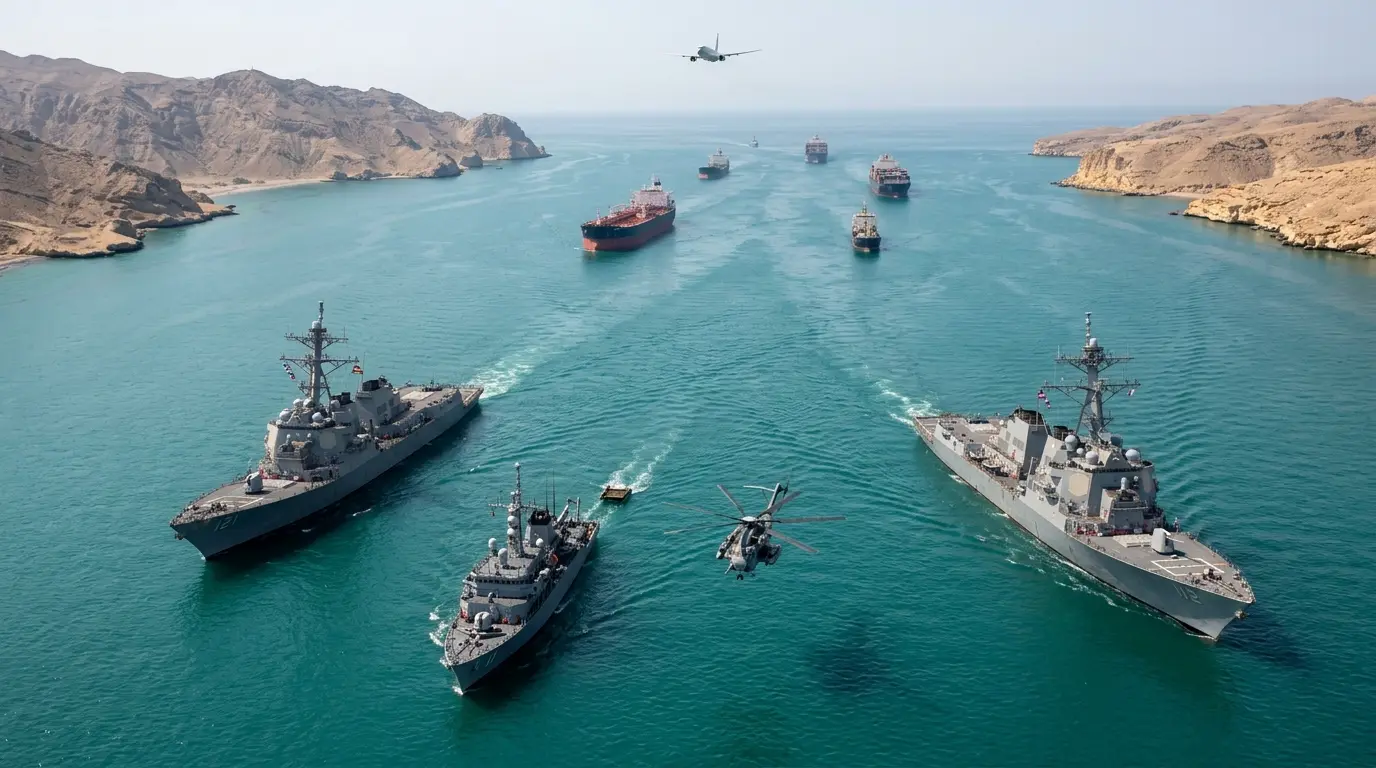
US blockade: The Scale of the Operation
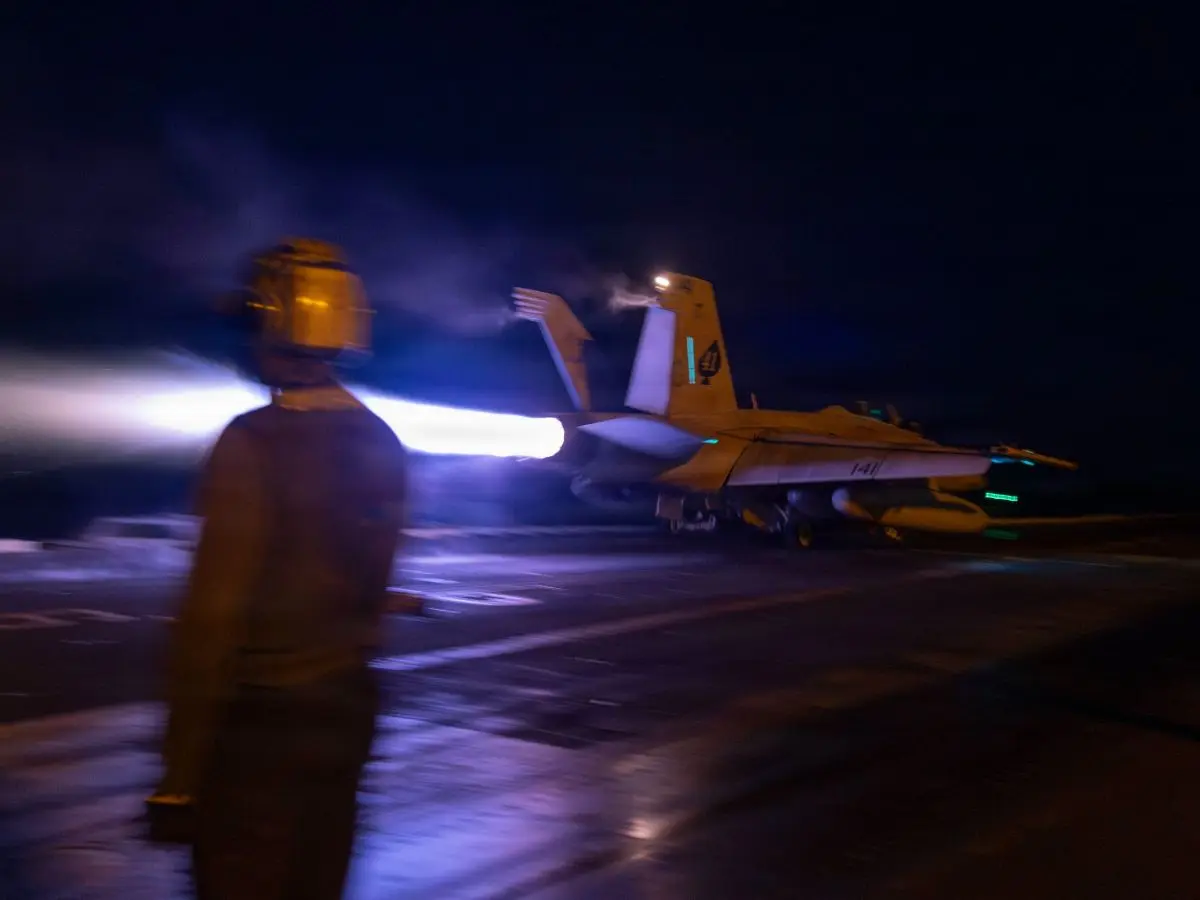
The United States Central Command confirmed this week that more than 10,000 American service members, over a dozen naval vessels, and upwards of 100 aircraft are actively enforcing a maritime blockade of Iran's ports and coastline.
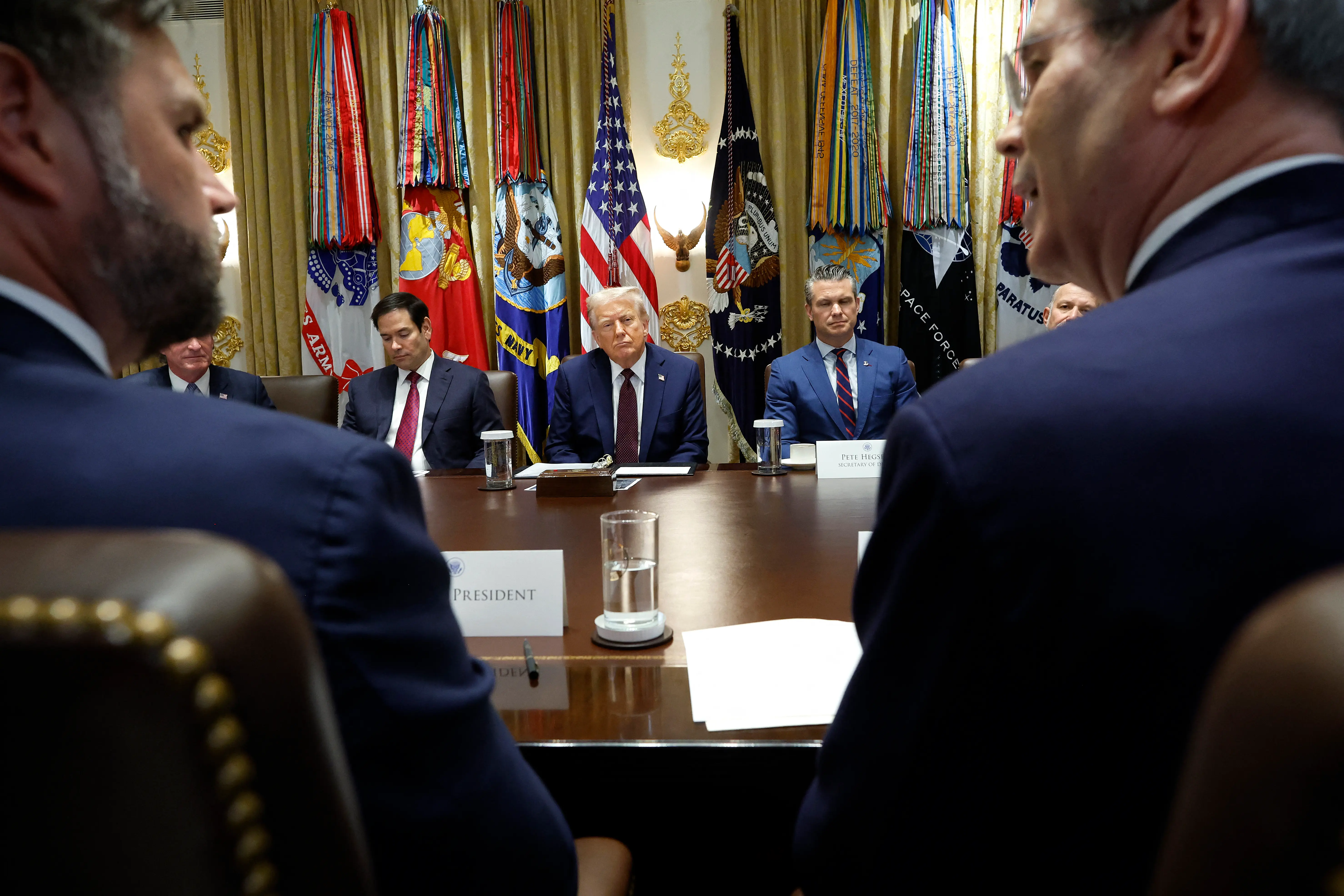
No Vessel can violate Trump's Proclamation
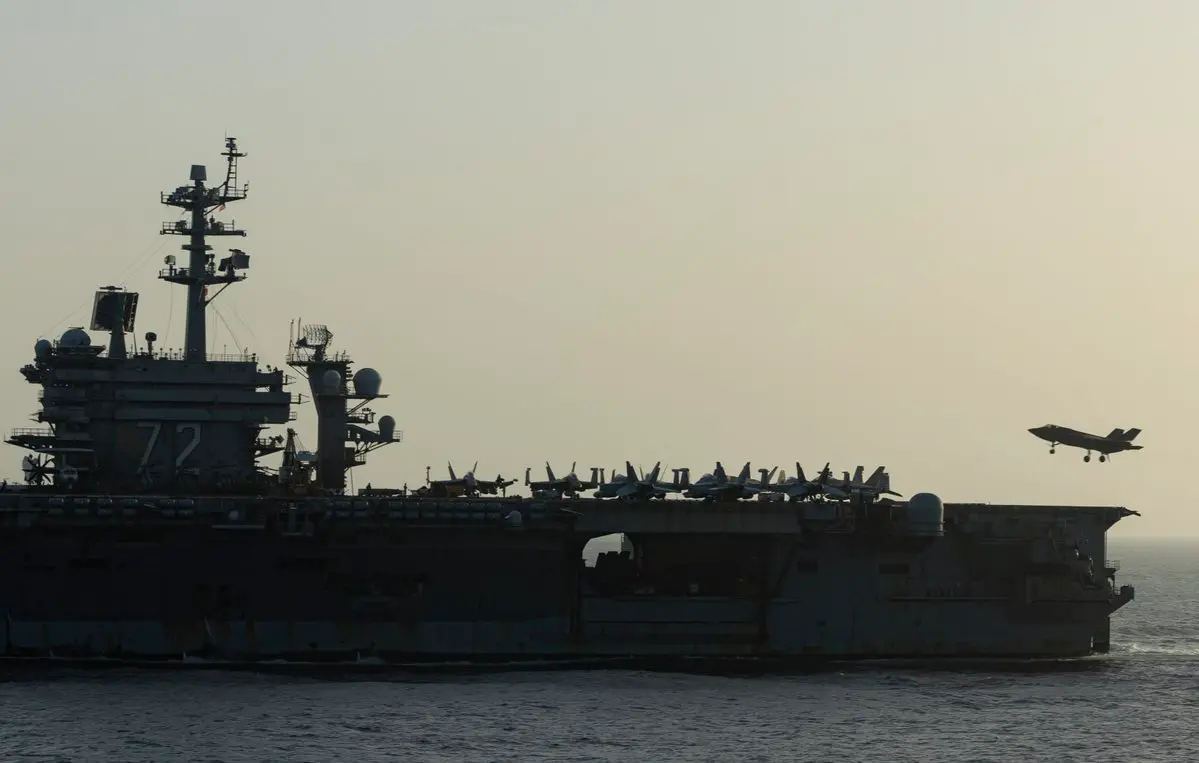
CENTCOM posted on X that US forces are ensuring "no vessels violate the President's proclamation," with the USS Abraham Lincoln carrier strike group operating in the Arabian Sea as the operation's centrepiece. Trump, characteristically, put it more simply: "No ship is even thinking about entering. No ship is going past our Navy."
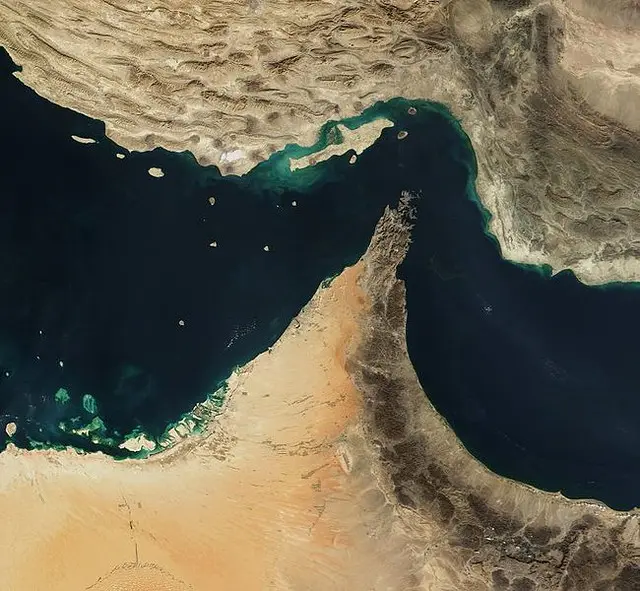
What the Blockade Actually Covers
There has been a deliberate effort from Washington to define the blockade precisely. Chairman of the Joint Chiefs of Staff General Dan Caine, in a statement, said, "This blockade applies to all ships, regardless of nationality, heading into or from Iranian ports. The US action is a blockade of Iran's ports and coastline, not a blockade of the Strait of Hormuz." Enforcement, he said, will occur both inside Iranian territorial waters and in international waters. Since the blockade began, US forces have directed 21 ships to turn around. None has attempted to push through, claims CENTCOM.
The USS Abraham Lincoln
The USS Abraham Lincoln, a Nimitz-class nuclear-powered carrier with a 4.5-acre flight deck, is part of the blockade. Satellite imagery earlier this week showed it positioned roughly 200 kilometres off Iran's southern coastline, the closest it has been since the war began in late February. Iran's navy chief had already warned in March that the Lincoln would be targeted the moment it came within firing range, vowing to "avenge the blood of the martyrs" of an Iranian frigate the US sank on March 4. The carrier has continued its advance regardless.
Dark Fleet Vessels Are Also in the Crosshairs
The blockade extends beyond conventional shipping. General Caine confirmed that US forces will "actively pursue any Iranian-flagged or any vessel attempting to provide material support to Iran", specifically including what he called dark fleet vessels. These are ships that operate outside normal international regulations, evading sanctions and insurance requirements to move Iranian oil under the radar. The operation spans beyond the Gulf as well, with Admiral Paparo's Pacific Command also tasked with intercepting vessels attempting to supply Iran through other routes.
Iran Reopened the Strait — Then Immediately Threatened to Close It Again
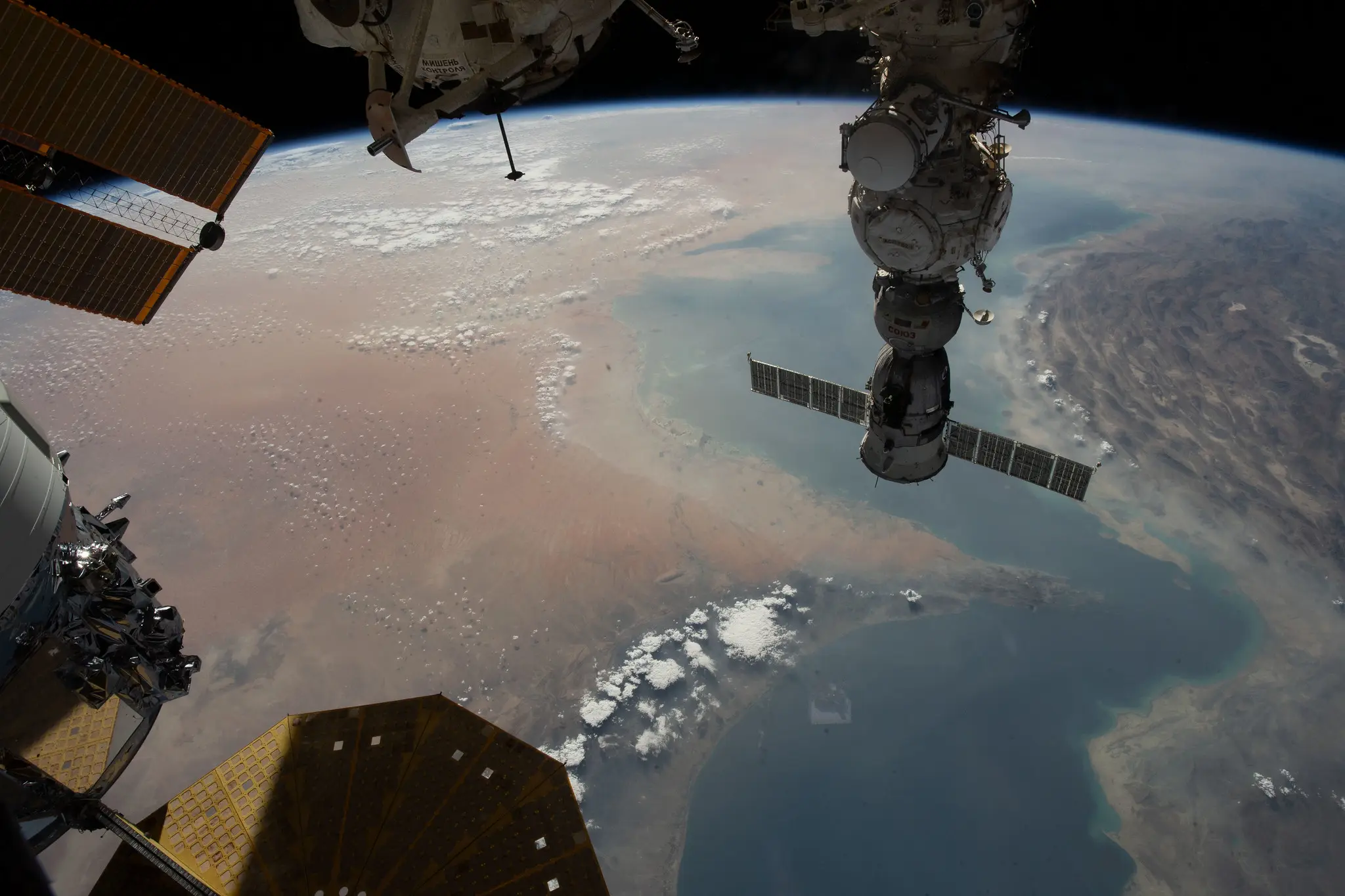
In the wake of the Israel-Lebanon ceasefire announced Friday, Iran reopened the Strait of Hormuz, the waterway through which roughly a fifth of the world's oil and liquefied natural gas typically flows. Markets responded immediately, with stocks climbing on the news. Trump told AFP a broader peace deal was "very close." The optimism lasted approximately a few hours. Iranian parliamentary speaker Mohammad Bagher Ghalibaf posted on X that "with the continuation of the blockade, the Strait of Hormuz will not remain open," adding that passage would require authorisation from Iran. The foreign ministry called the naval blockade "a violation of the ceasefire" and promised "an appropriate response."
Tehran has since then done exactly that, and the Strait of Hormuz is once again blocked.
)
)
)
)
)