Strait of Hormuz Risks?: The risks USS Abraham Lincoln may face while passing through the narrowest oil chokepoint

The USS Abraham Lincoln faces severe risks in the 21-mile-wide Strait of Hormuz. Drone swarms, 1,000-km range missiles, and tight two-mile transit lanes threaten the carrier's safe passage.
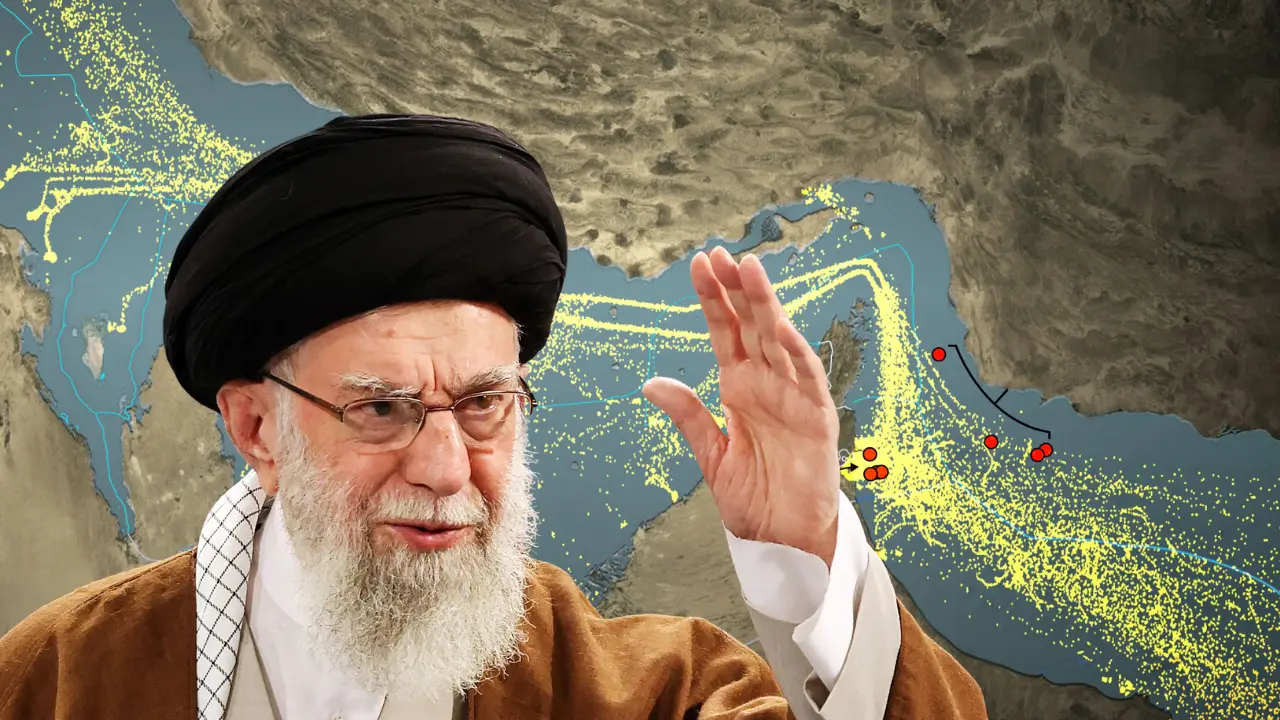
21-Mile Narrow Waterway Chokepoint
The Strait of Hormuz narrows to just 21 miles at its tightest point. This extremely confined space forces massive military vessels to operate dangerously close to the coastline. The tight geography leaves aircraft carriers with minimal room to manoeuvre defensively.
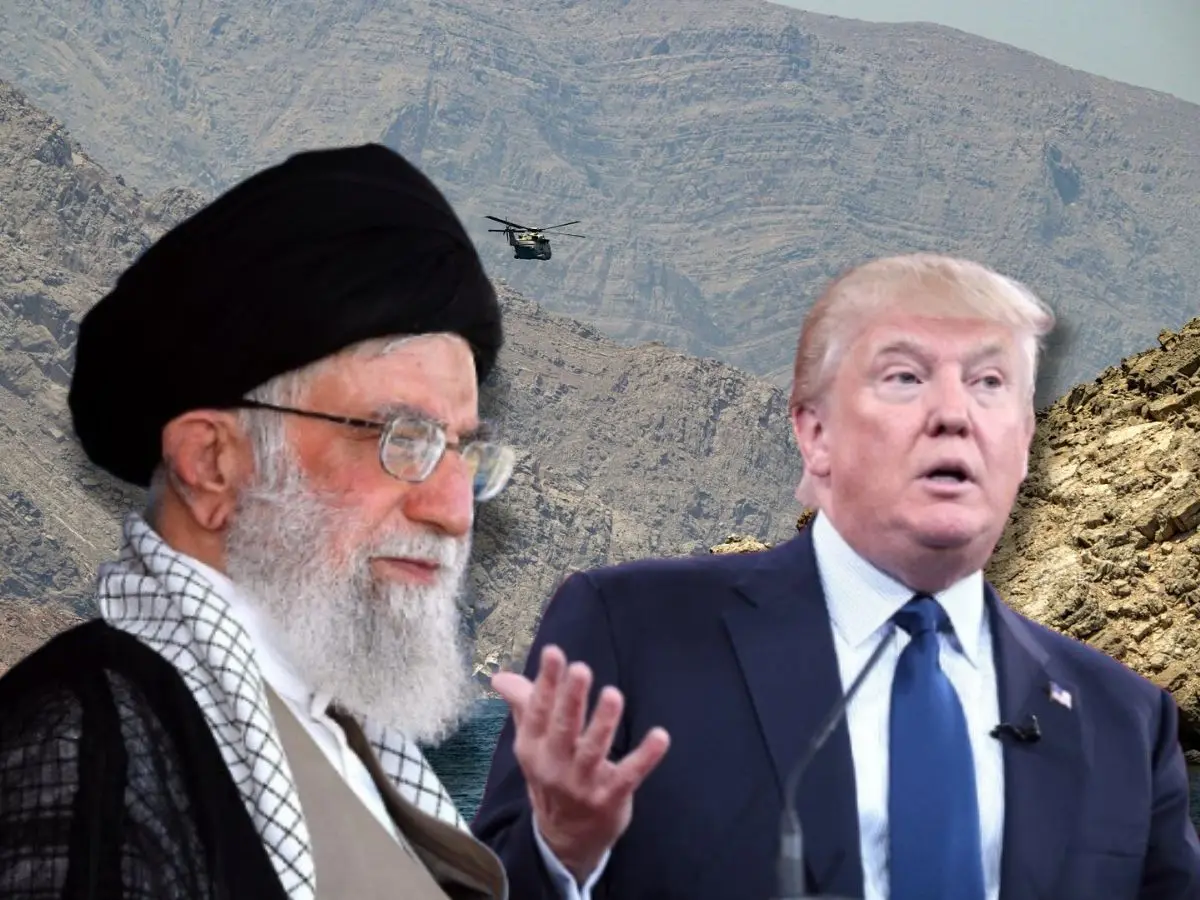
20 Million Daily Barrels
Around 20 million barrels of crude oil pass through this waterway every single day. This volume represents nearly 20 per cent of total global petroleum consumption. Any military escalation involving the carrier could instantly halt shipments and spike global energy prices.
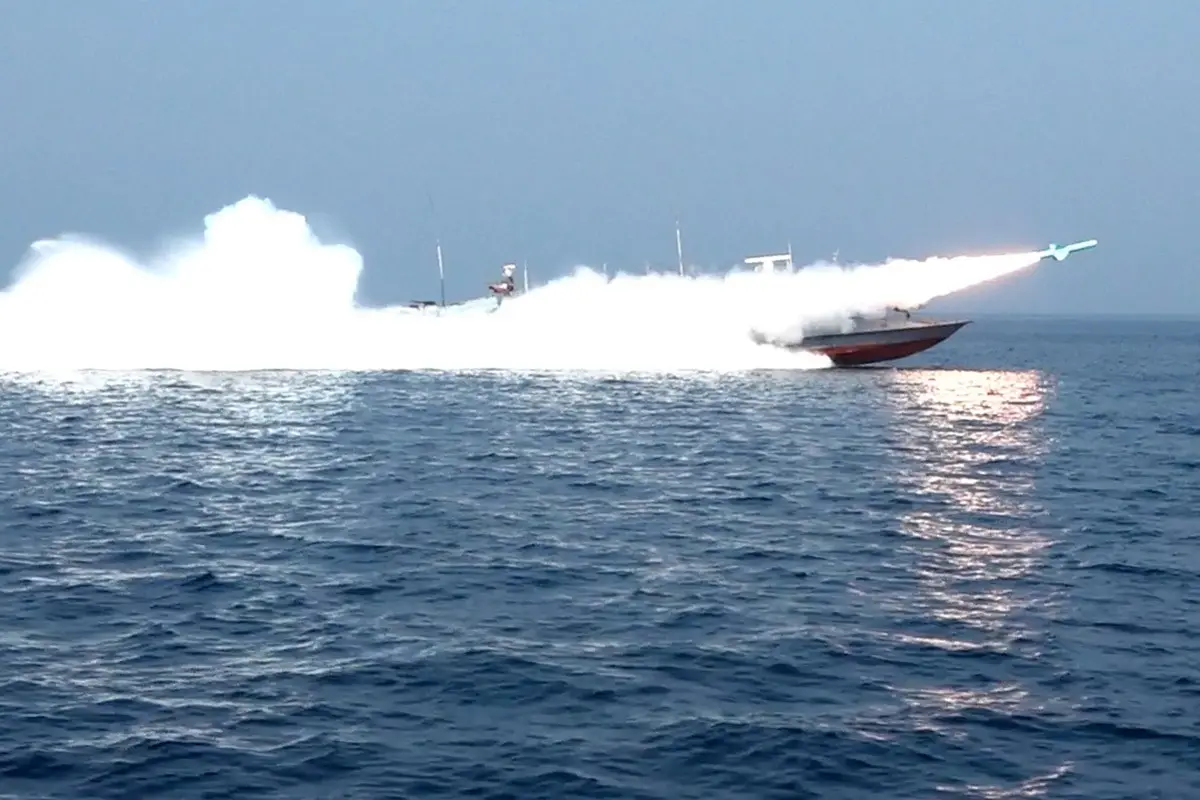
1,000-km Range Cruise Missiles
The American carrier faces severe threats from advanced underground missile facilities along the coast. Recent intelligence confirms the presence of smart cruise missiles with a 1,000-kilometre range. These weapons are heavily fortified and can track naval targets until impact.

80 Advanced Combat Aircraft
The USS Abraham Lincoln is armed with nearly 80 advanced combat aircraft to project power. The fleet relies heavily on F-35C stealth fighters and F/A-18 Super Hornets. However, launching and recovering these jets in such constrained and contested waters is highly risky.
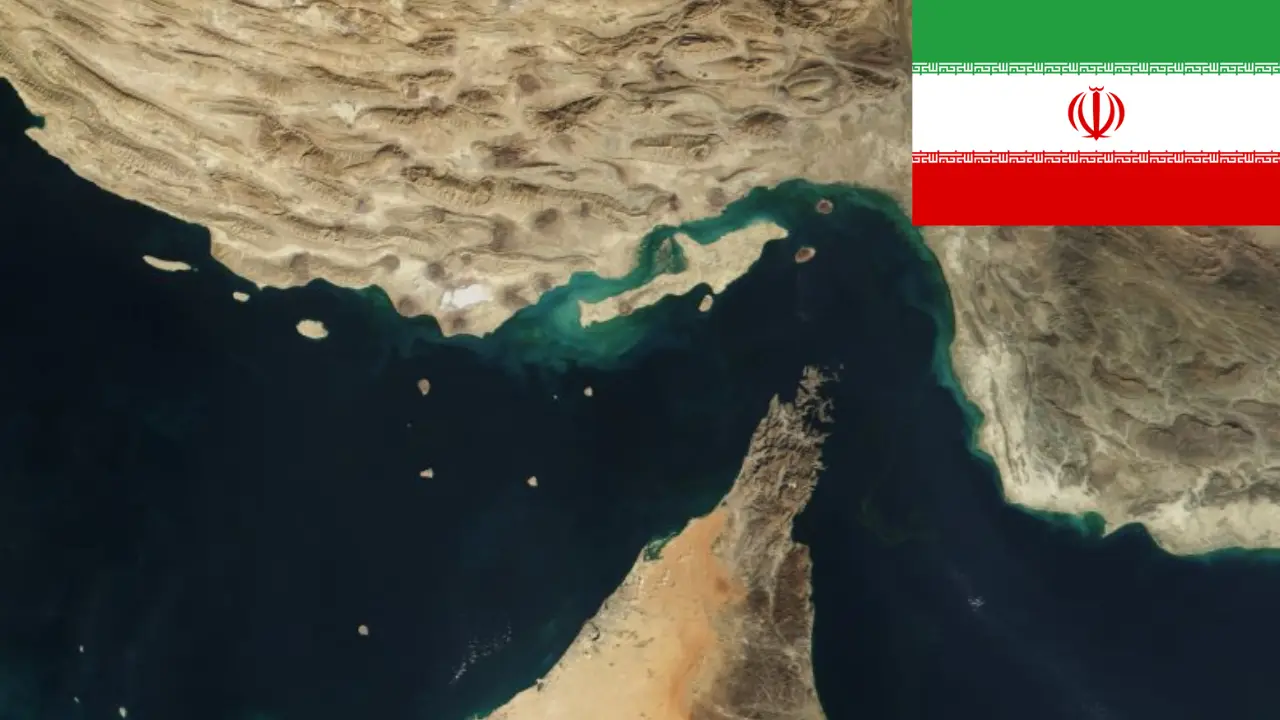
33-Kilometre Wide Marine Passage
While the passage spans 33 kilometres across, the navigable deep-water sections are much narrower. Shallow waters along the edges drastically limit where a deep-draft nuclear carrier can safely sail. This predictable path makes the strike group highly vulnerable to underwater mines.
2-Mile Wide Transit Lanes
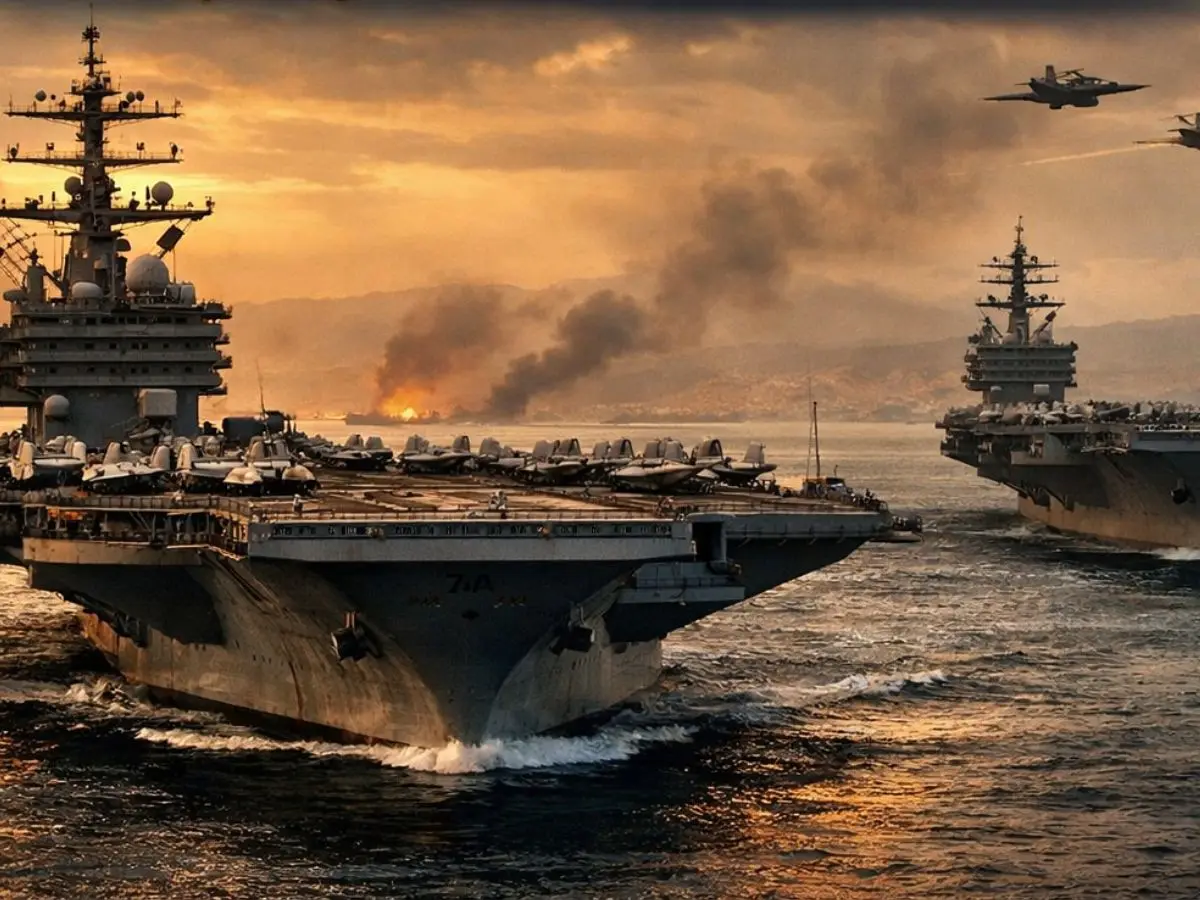
Commercial and military navigation is restricted to inbound and outbound lanes that are only two miles wide. These narrow corridors are separated by a tiny two-mile buffer zone. Warships cannot easily deviate from these lanes without risking groundings or territorial breaches.
Hundreds of Attack Drones
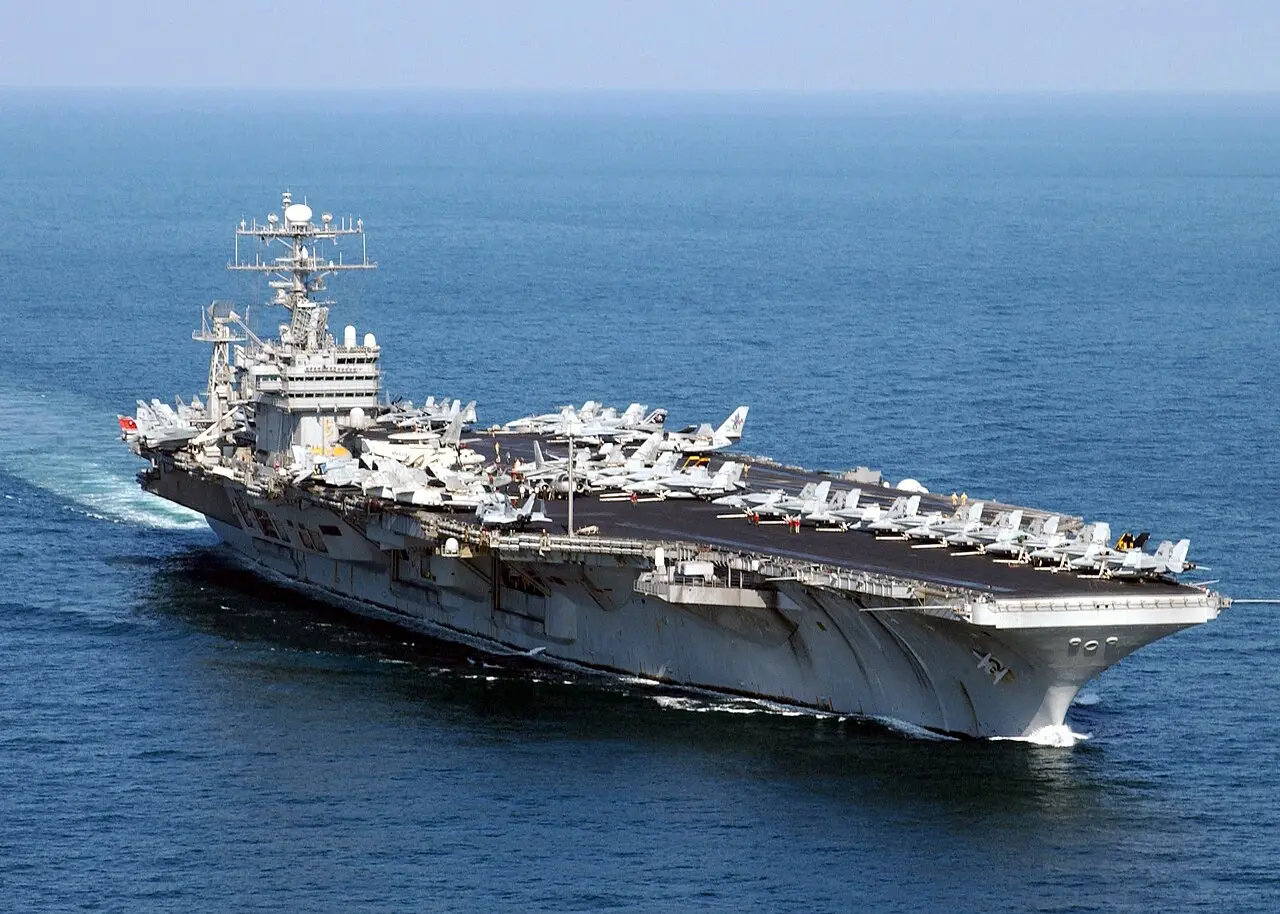
The US Navy must constantly defend against saturation attacks from hundreds of loitering munitions. Regional forces regularly deploy armed drones near American vessels to test air defence reaction times. A coordinated drone swarm tactic could easily overwhelm standard shipboard radar systems.
3 Heavy Escort Warships
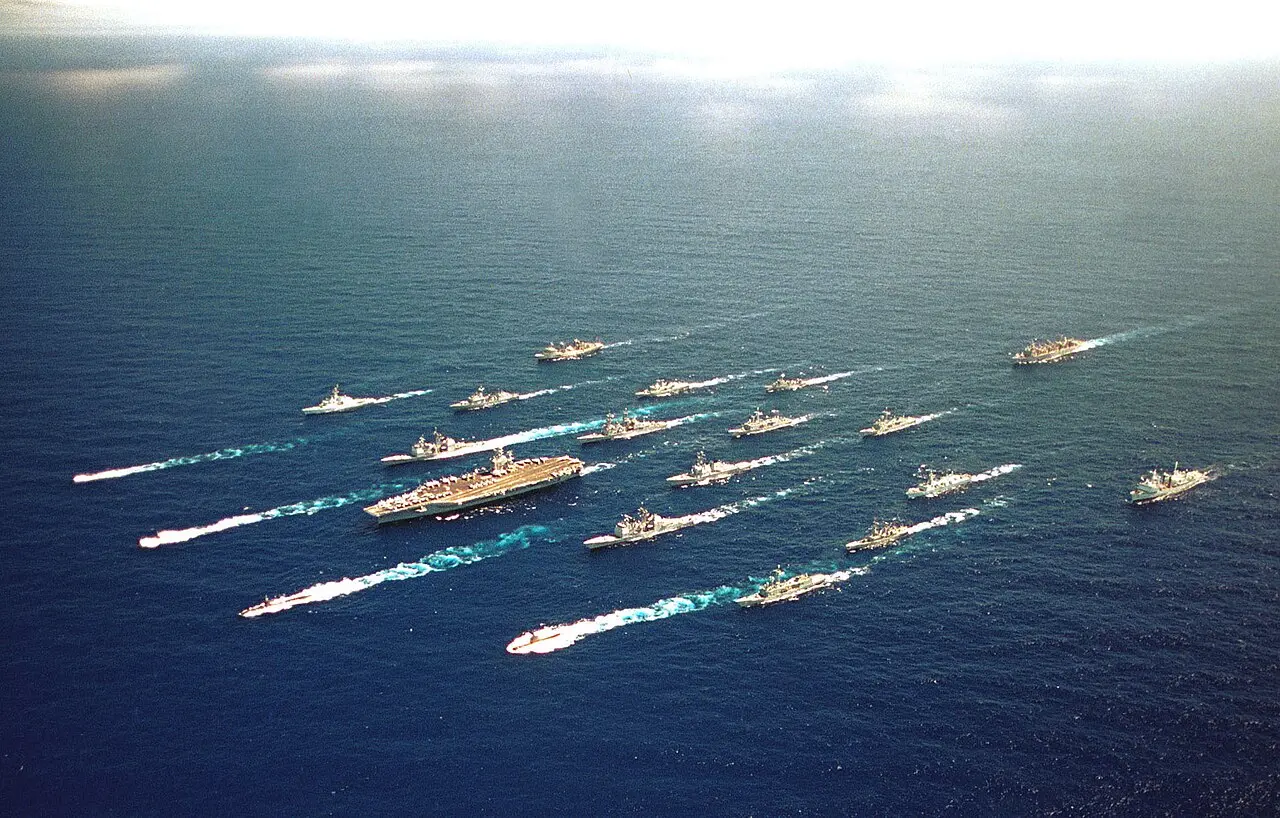
Three heavily armed destroyers currently escort the USS Abraham Lincoln through the perilous strait. These support vessels provide a crucial anti-aircraft and anti-missile defensive umbrella for the carrier. They also sweep the shallow waters for fast-attack boats and explosive hazards.
300-Day Extended Naval Deployment
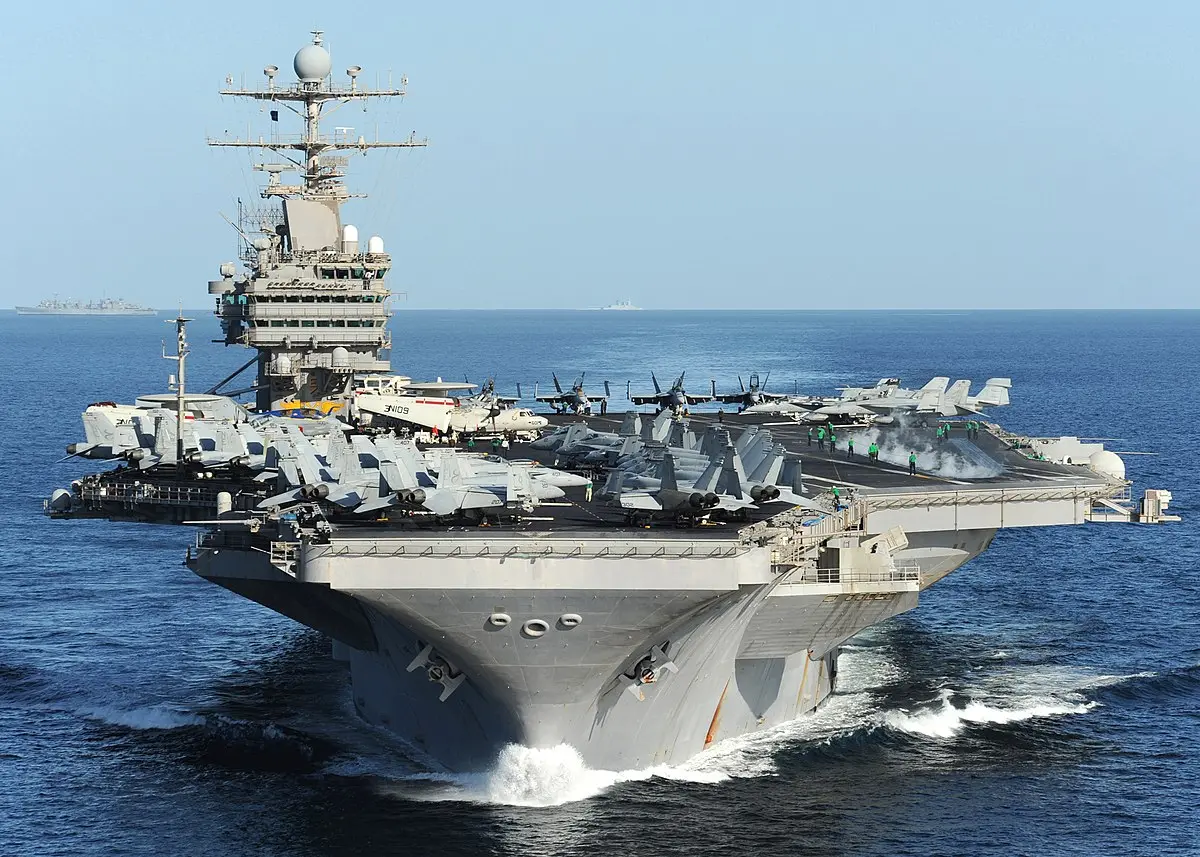
The strike group faces extreme operational fatigue due to extended regional deployments approaching 300 days. Crews remain on high alert around the clock to intercept electronic warfare interference. Constant GPS spoofing adds serious navigational risks in the shallow gulf waters.

15 Million Asian Barrels
A vast majority of the oil moving past the strike group is bound for Asian economies. Over 15 million barrels supply energy-hungry nations like India, Japan, and China daily. A military confrontation would severely restrict this critical supply chain and destabilise Asian markets.
)
)
)
)
)