Storm Byron slams Gaza camps, washing away the little people have left

Storm Byron drowned Gaza’s makeshift camps, leaving families shivering in soaked tents and ankle-deep water. UN says 850,000 people face high flood risk. Civil defence warns tents can’t protect anyone now.

Storm Byron hits war-torn Gaza
Storm Byron hit late Wednesday (Dec 10) and rolled across the Gaza with heavy rain, flooding tents and washing through crowded makeshift camps. Nearly the entire population has been displaced after more than two years of war, and the storm pushed them into yet another fight for basic comfort.
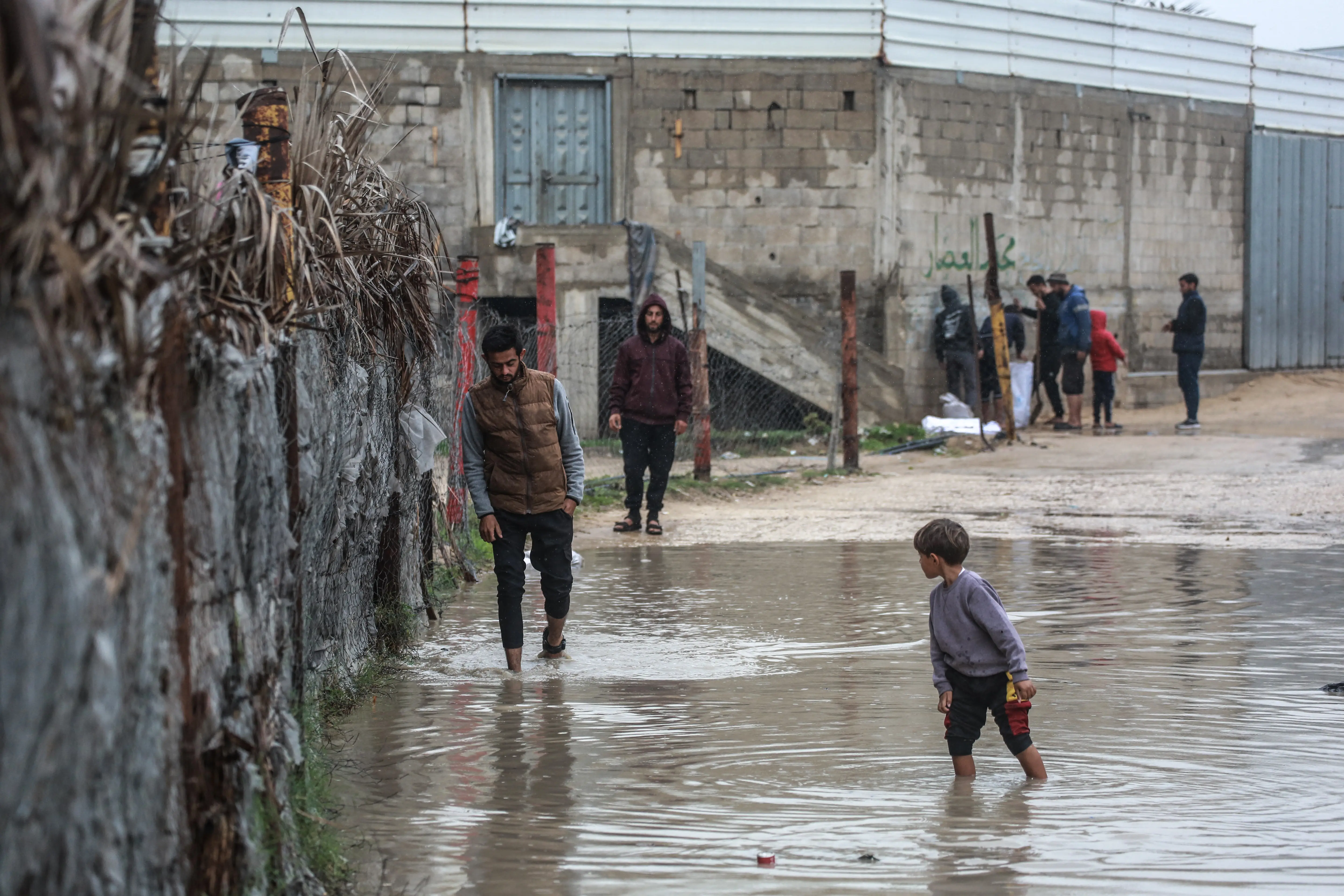
Life in the rain
Sandals and thin cotton sweaters are all that many Palestinians have as winter rain pounds Gaza City's Zeitoun neighbourhood. Families, as per AFP, dug shallow trenches around their tents, trying to stop stormwater from spilling in.
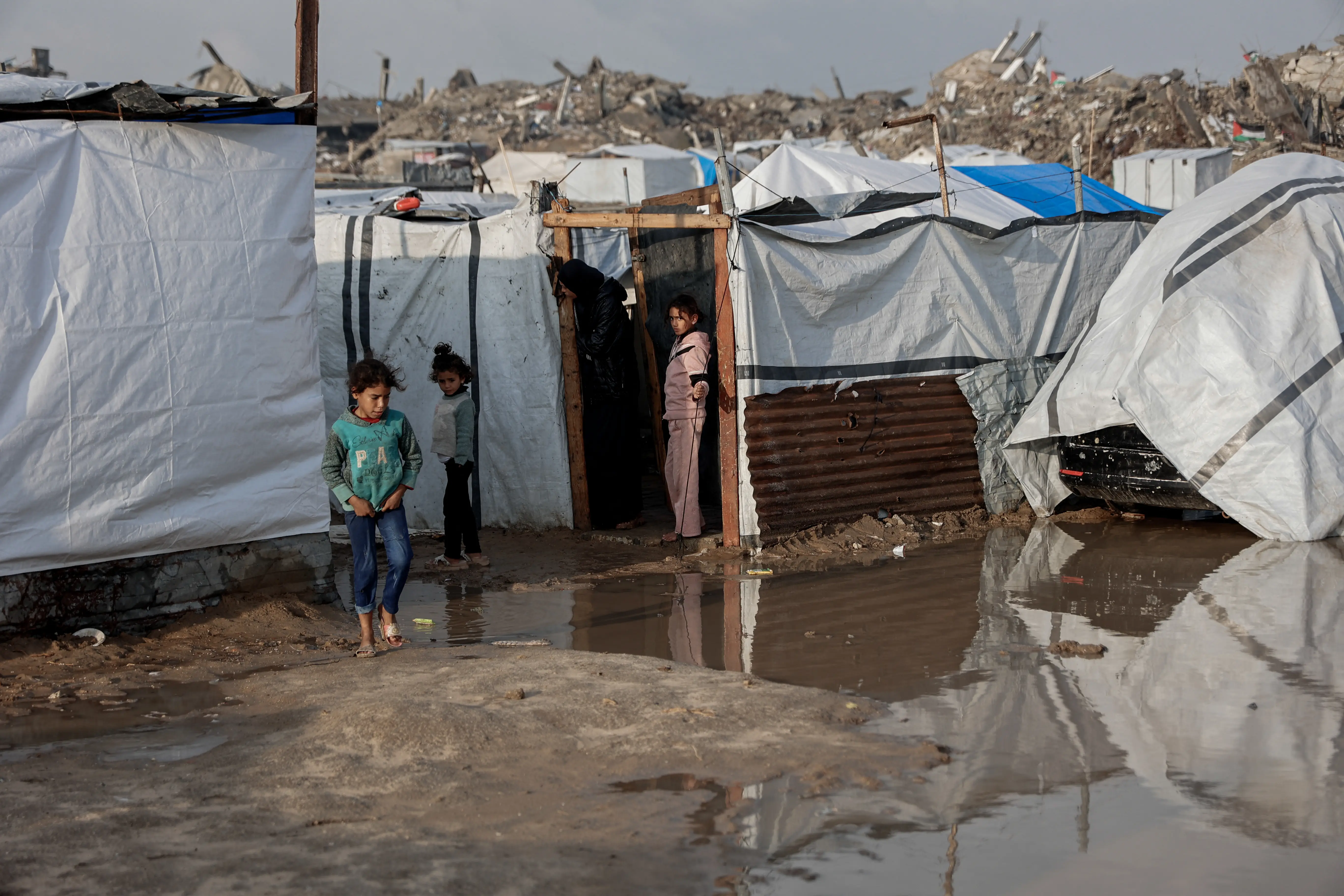
Makeshift shelters destroyed
With so many buildings destroyed, rubble-cleared lots have turned into long rows of tents and patched-together shelters.
A truce between Israel and Hamas has eased some pressure on aid, but not enough. The UN says supplies still fall far short of the scale of need.
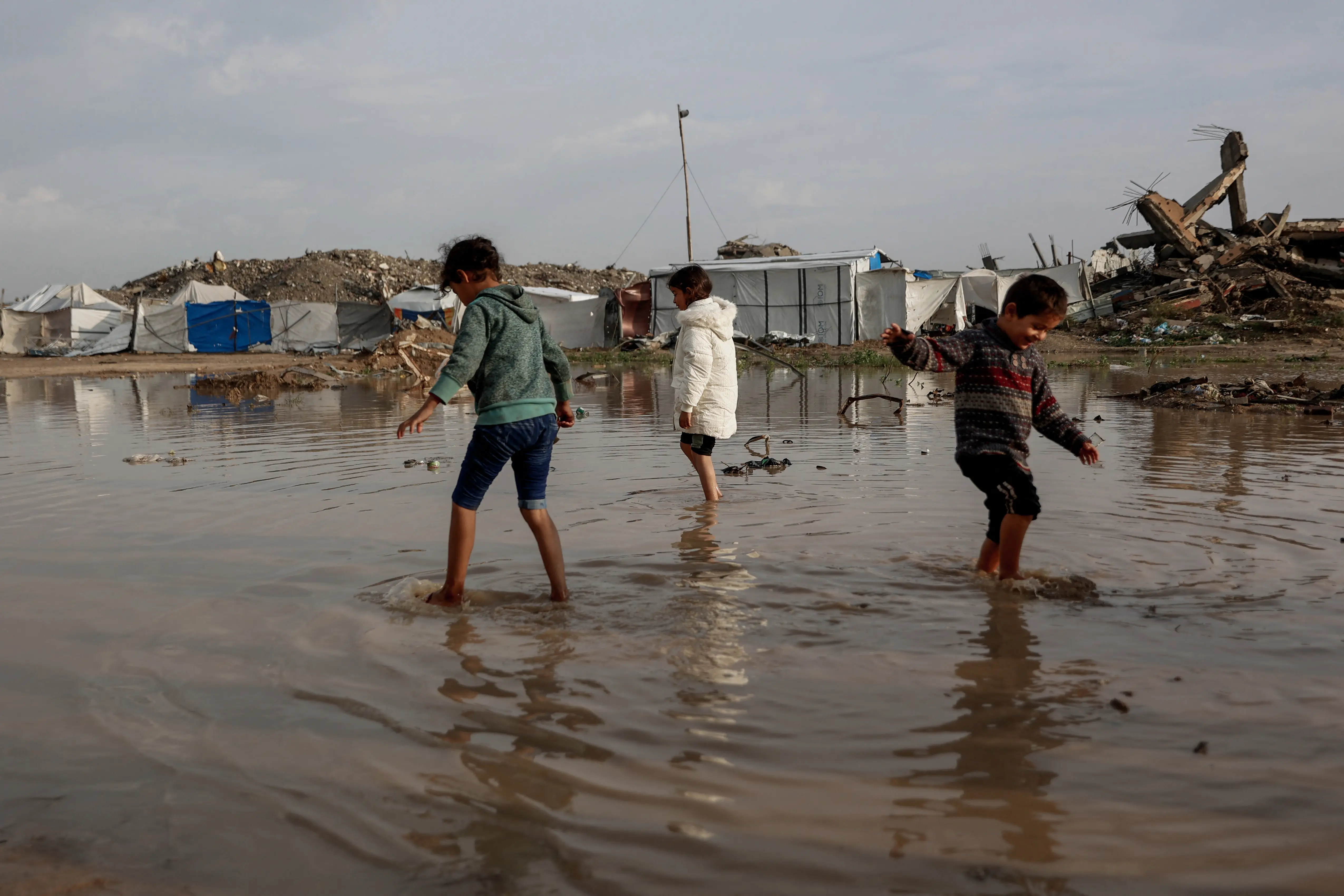
Camps at risk of flooding
According to a UN report, 761 displacement sites sheltering about 850,000 people face a high risk of flooding.
In Al Zawayda camp in central Gaza, rainwater pooled between tents and formed ankle-deep ponds. Residents stepped from one dry patch to another or waded through, trying to keep their children out of the cold water.
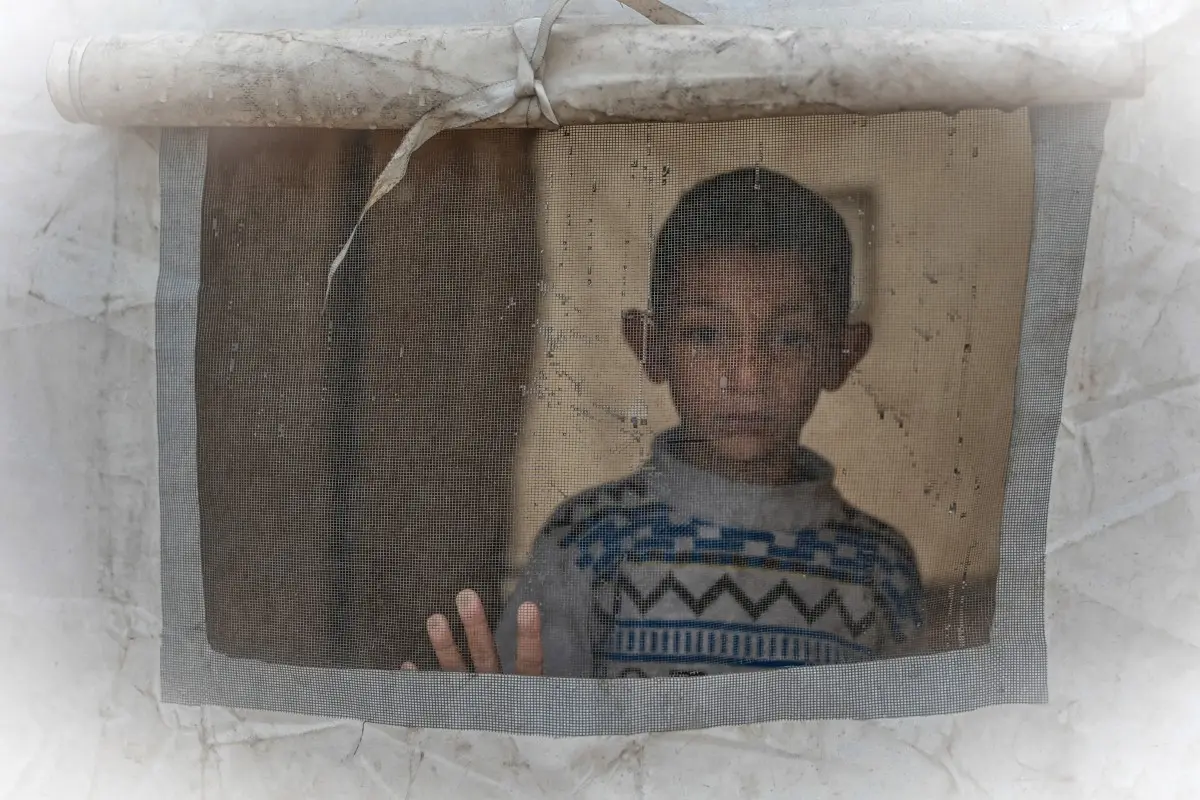
Voices from the tents
"Last night was a terrible night for us and our children because of the heavy rain and cold," a Palestinian, who lives in a tent with her family in Zawayda. "The children got all wet, the blankets got wet, the mattresses got wet, and we did not know where to go."
She asked for simple things: a sturdier tent, blankets, and clothes. "How long will we remain in this situation? This is injustice," she said as the rain hammered the tarp above her.
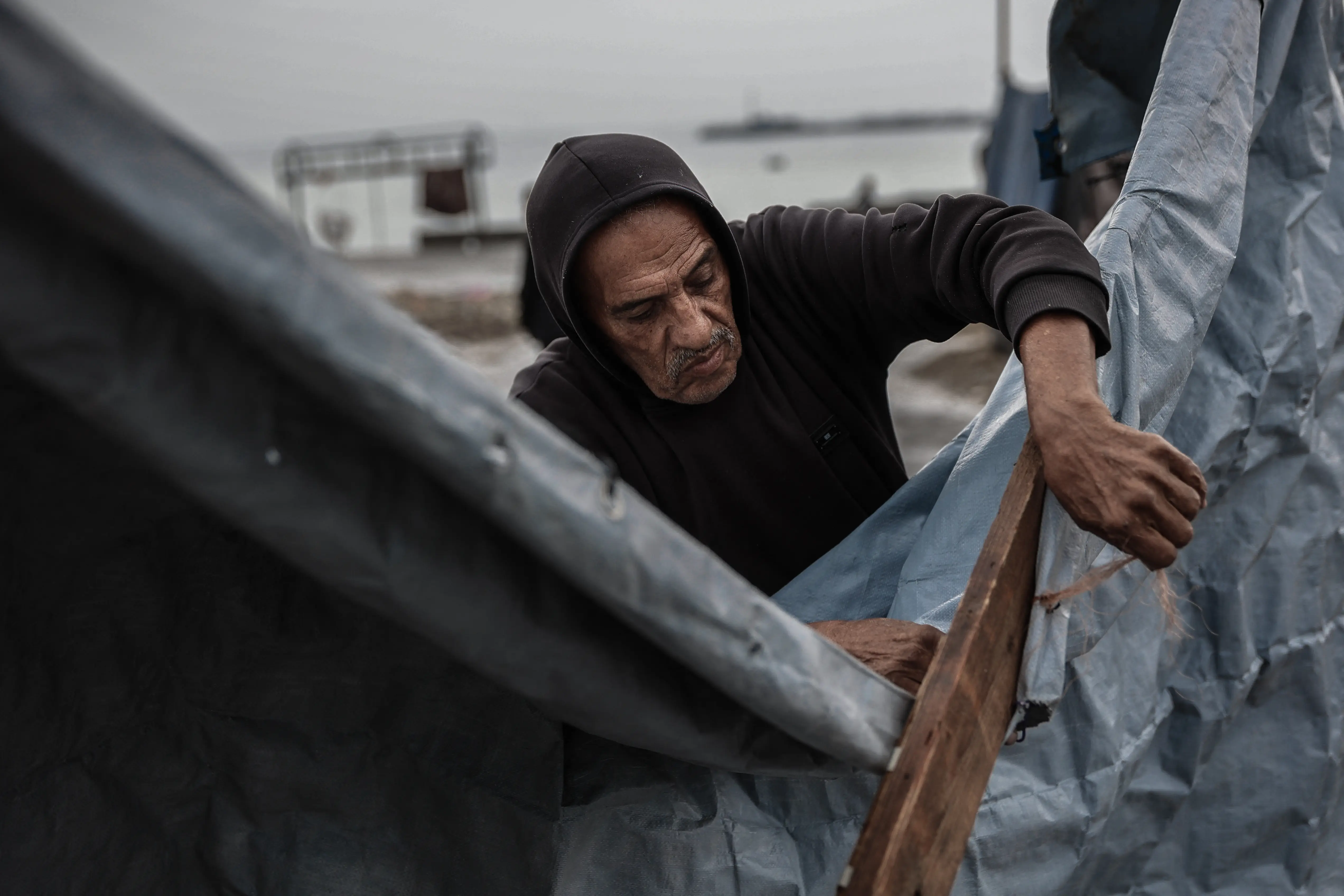
Weather that hits hard
Gaza sits between desert and sea — the Sinai and the Negev Desert on one side, and the Mediterranean Sea on the other — which means almost all its rainfall arrives in powerful winter bursts. In a territory already sealed off, shortages of gas, firewood, and even basic supplies make the cold season brutal.
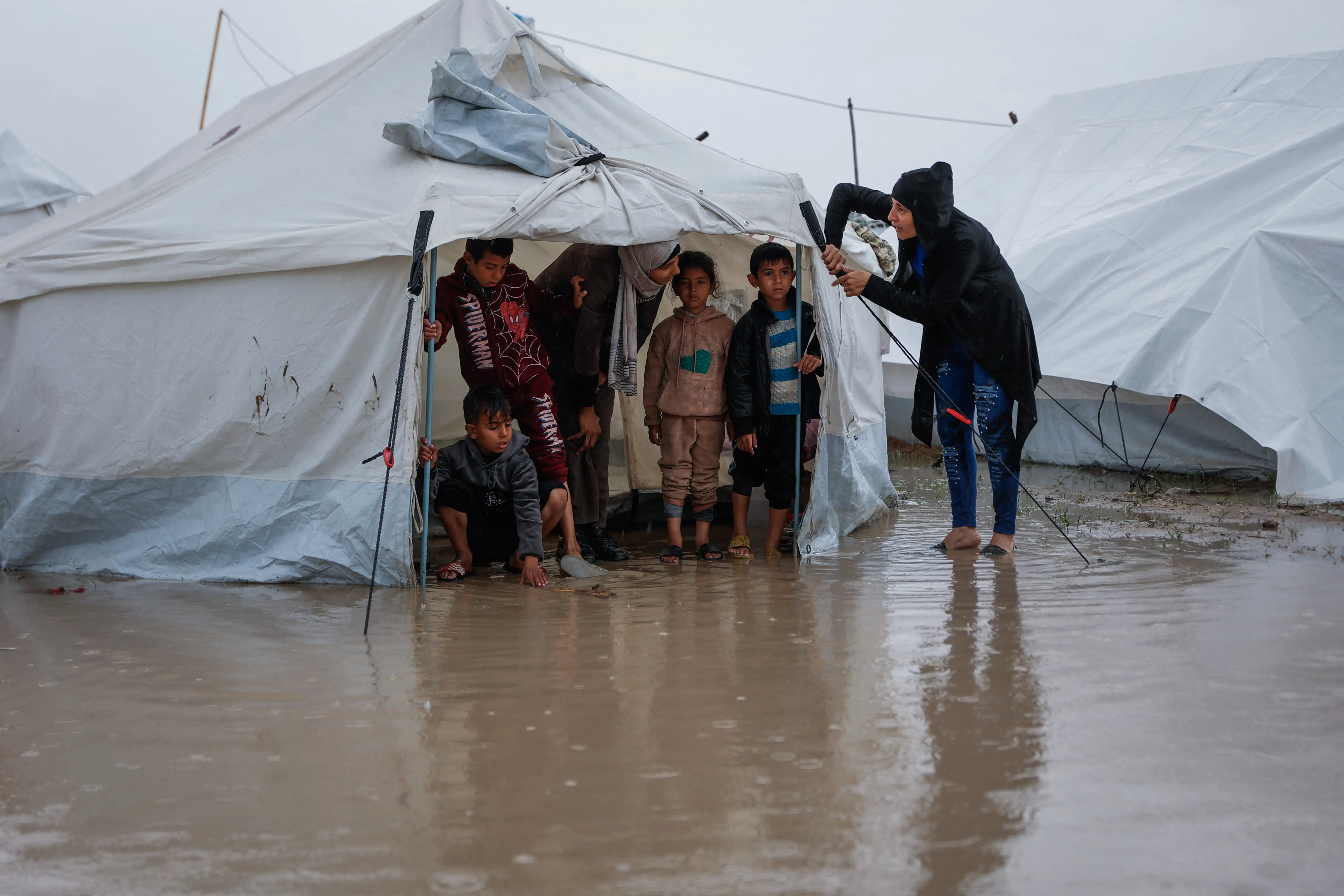
Storm damage on fragile ground
Mahmud Bassal, spokesperson for Gaza’s civil defence, said the storm caused yet more suffering, including one death when a wall collapsed. "The storm has had a severe impact on the population. Buildings have collapsed and much of the infrastructure has been destroyed, leaving the area unable to drain the large volume of rainfall," he told the news agency.
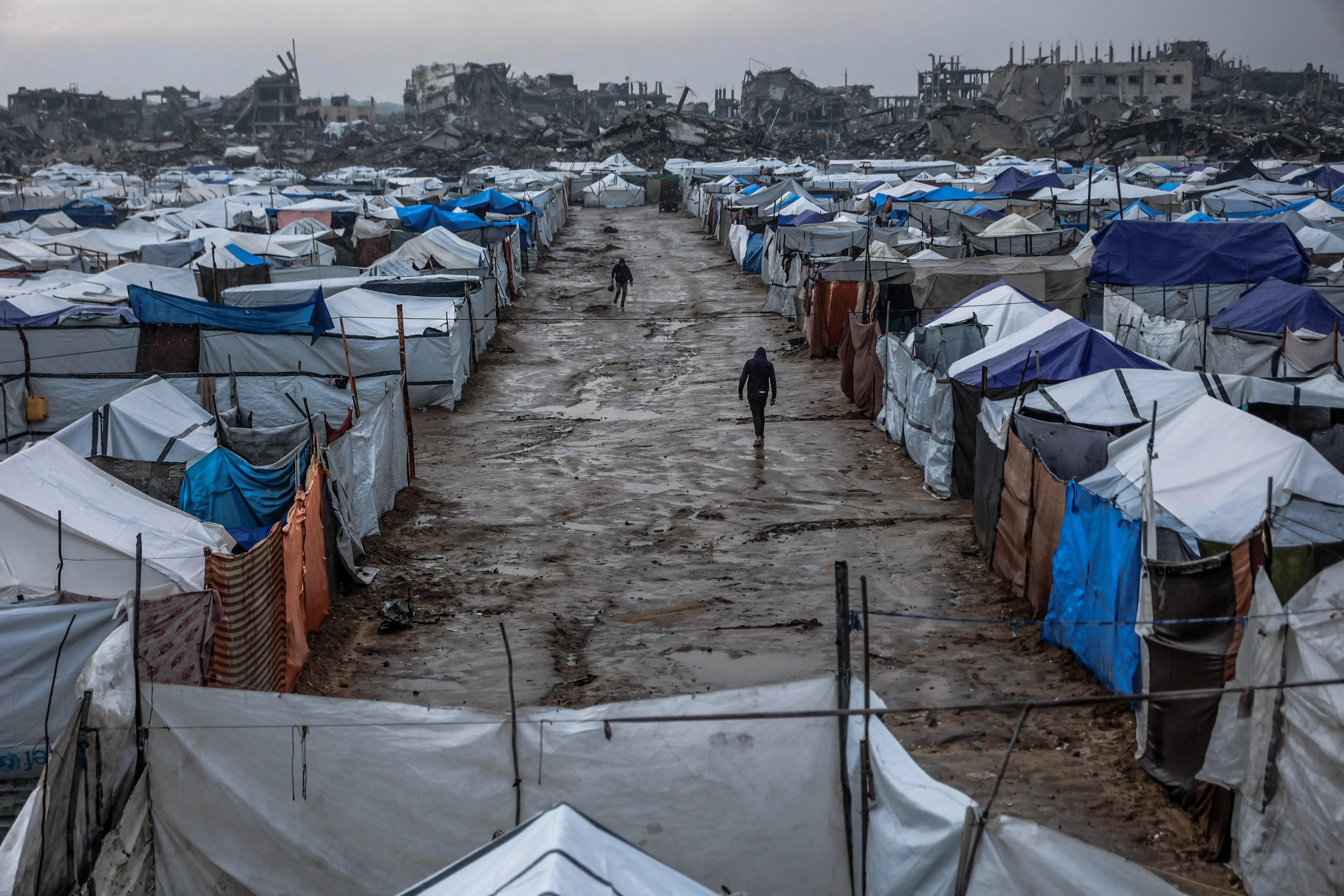
A call for real shelter, not more tents
Bassal said the region needs aid that provides long-term shelter, not stopgap canvas tents.
"Tents are categorically rejected. What must be provided now are mobile homes equipped with solar power, comprising two rooms, a bathroom, and all the necessary facilities for residents. Only then can reconstruction begin," said Bassal.
)
)
)
)
)