Stealth or Speed: What makes a fighter jet feature win battles?

Stealth helps fighter jets avoid detection while speed allows quick strikes and escapes. Today’s battles favour stealth with smart missiles, but speed and manoeuvres remain vital. Let's know why both features shape air power. The story continues below.
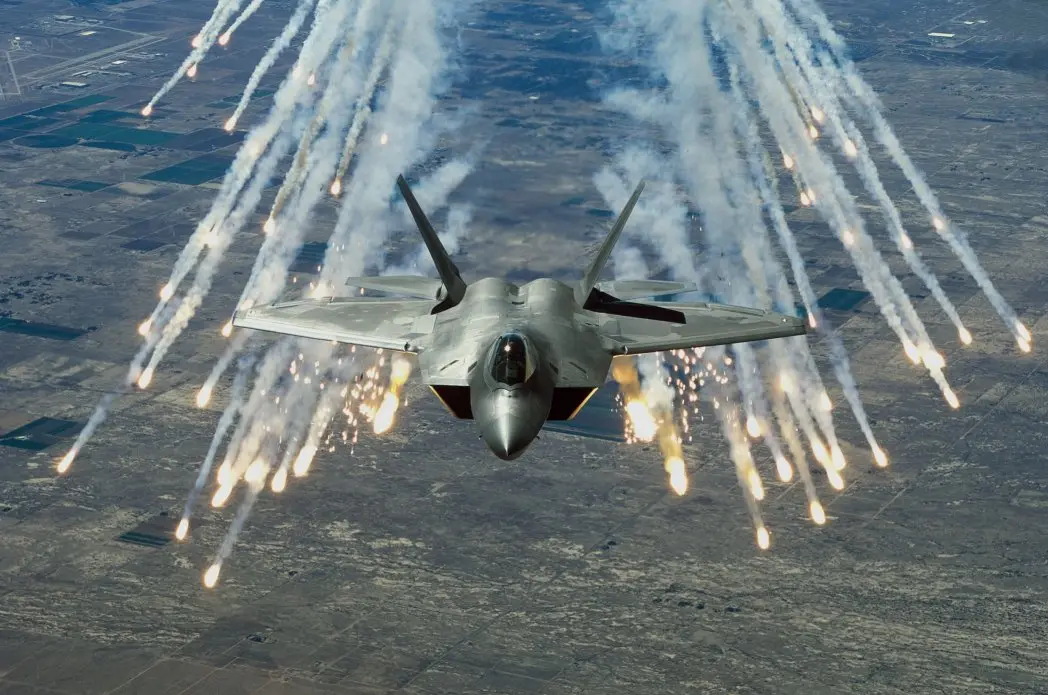
Stealth reduces detection ranges
Stealth fighters like the F-22 and F-35 use special shapes and materials to lower their radar signature. This makes them nearly invisible, allowing pilots to spot enemies first and strike before being seen. According to military experts, stealth offers a decisive upper hand in modern combat.
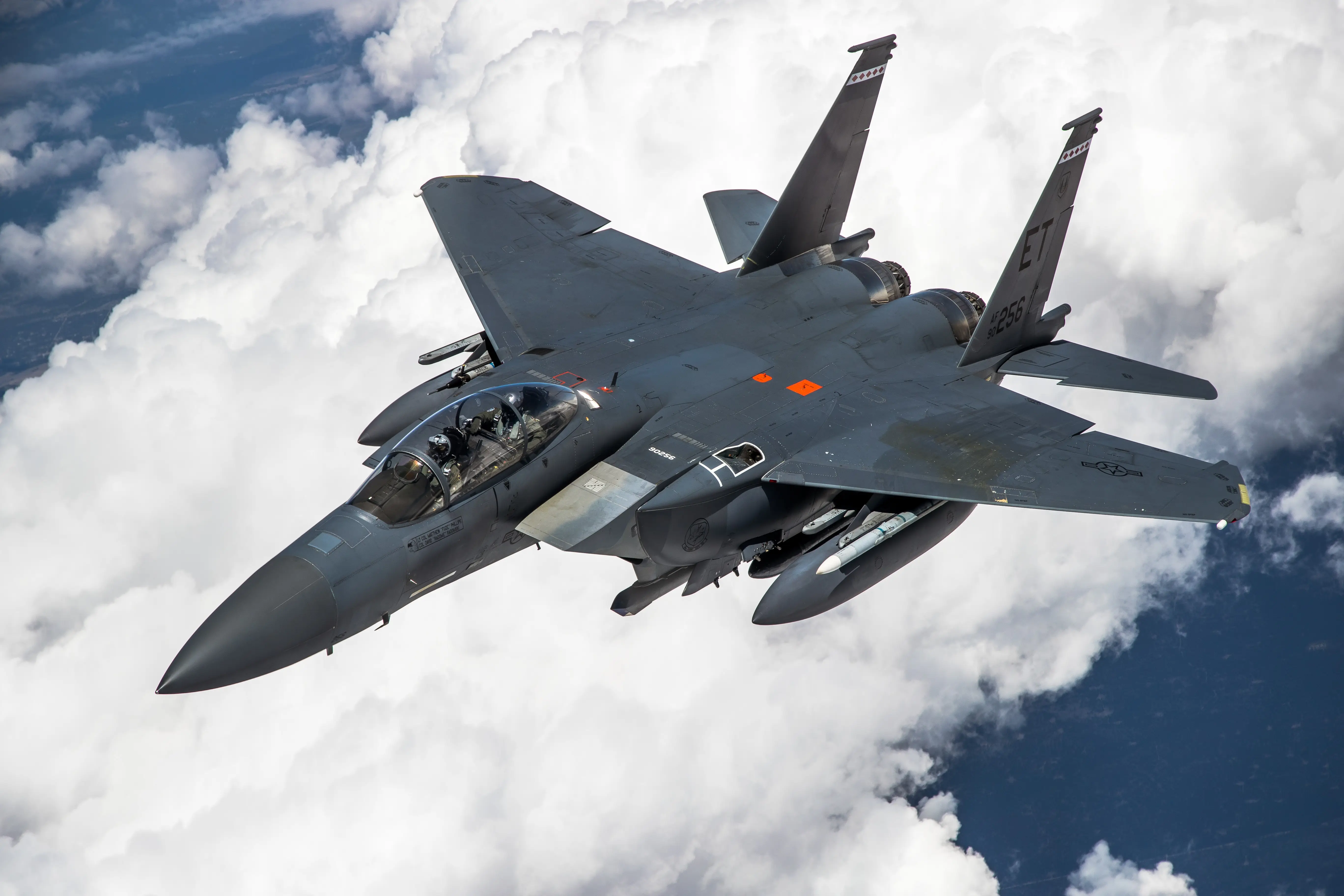
How does speed help jets?
Fast jets reach targets quickly and escape danger zones. Speeds over Mach 1.5 let pilots intercept enemies or flee attacks. The F-15EX, for example, can fly above Mach 2, combining speed with heavy weapons for powerful strikes.
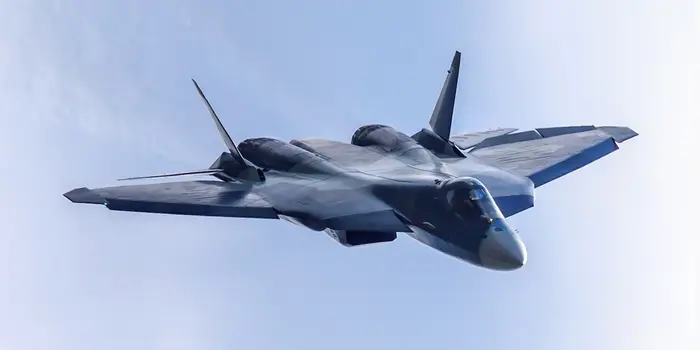
Why stealth has changed tactics
Since the 2000s, combat shifted from close dogfights to beyond-visual-range battles. Stealth enables jets to approach undetected and launch missiles from miles away, reducing the chance of direct fight or damage.
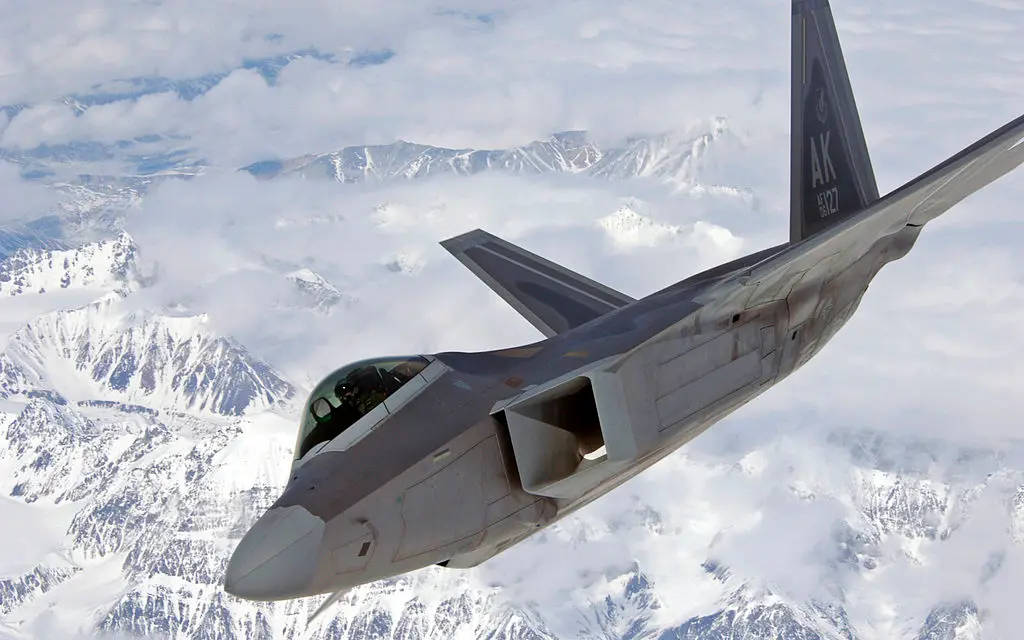
Can speed replace stealth?
Speed alone is not enough today. Advanced radars can detect fast jets early, and missiles pose high risks. But speed aids manoeuvering and can help jets survive enemy fire or reposition quickly.
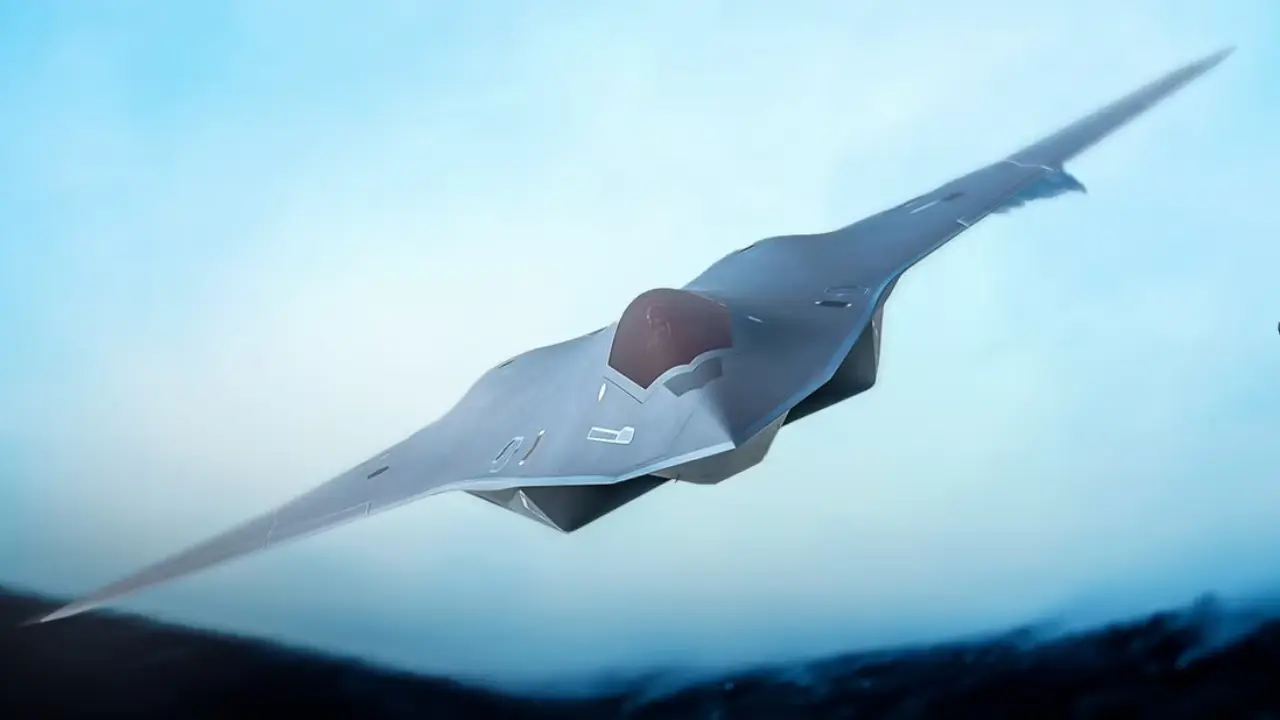
Maneuverability in close fights
Though stealth airlines avoid close combat, if detected, manoeuvrability is vital. High agility allows pilots to dodge missiles and out-turn opponents. 5th gen fighters combine stealth with excellent handling, balancing speed and control.
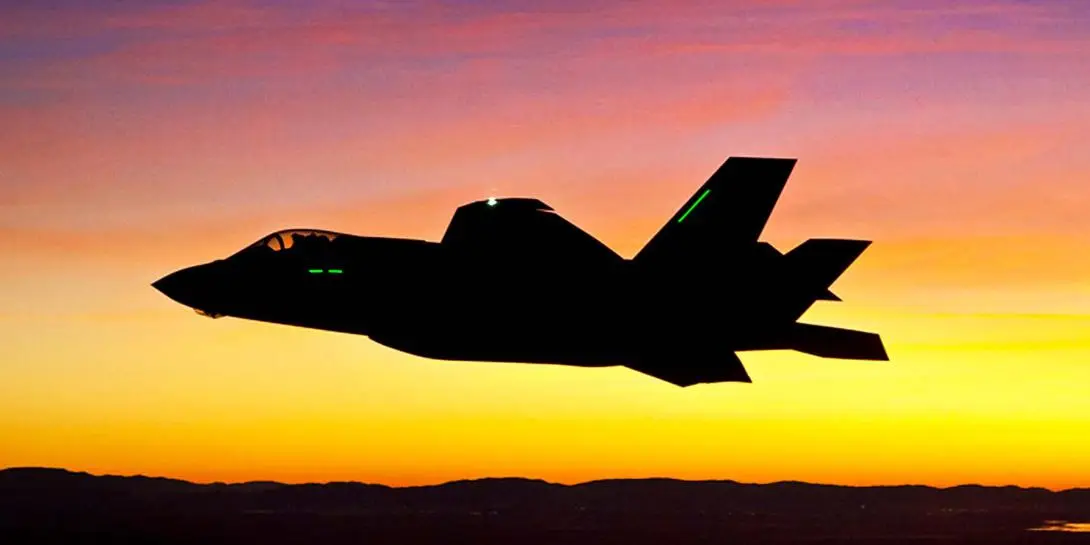
Electronic tools boost both stealth and speed
Modern fighters use AI-powered sensors, electronic countermeasures (ECM), and data fusion to find enemies early and stay safe. These systems enhance the benefits of stealth and support pilots during high-speed missions.
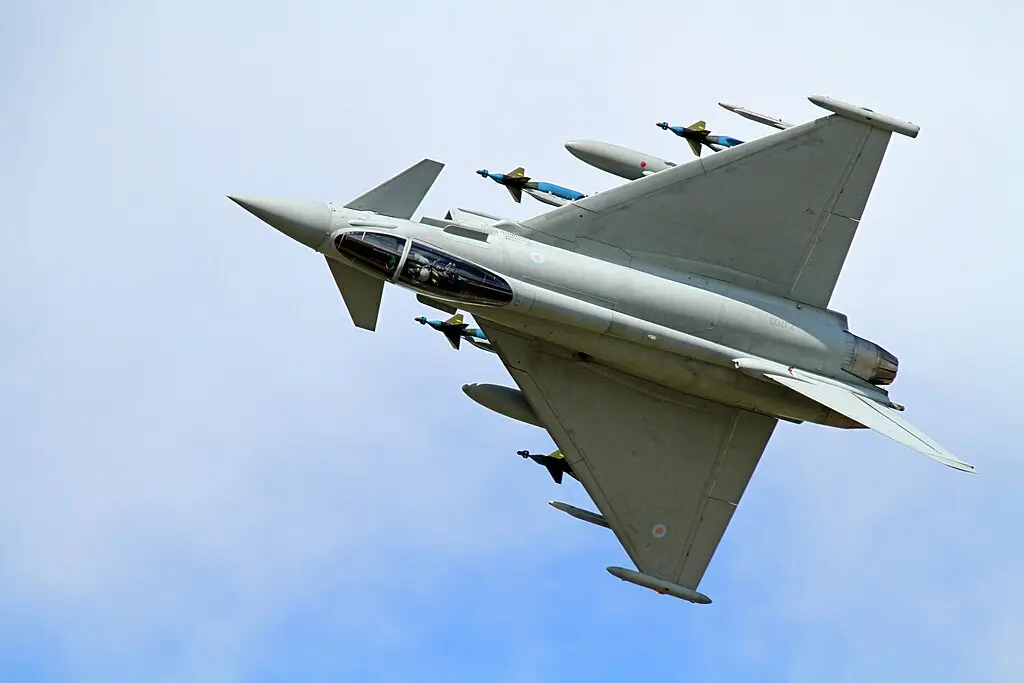
What truly wins battles?
Experts agree stealth gives the first-move advantage by hiding jets until they strike. However, speed and agility remain crucial for survival and mission success. Combining stealth, speed, and smart tech creates the most effective air combat jets today.
)
)
)
)
)