Star Wars-style sunsets, diamond rain and doomed planets: 6 of the most extraordinary exoplanets of 2025

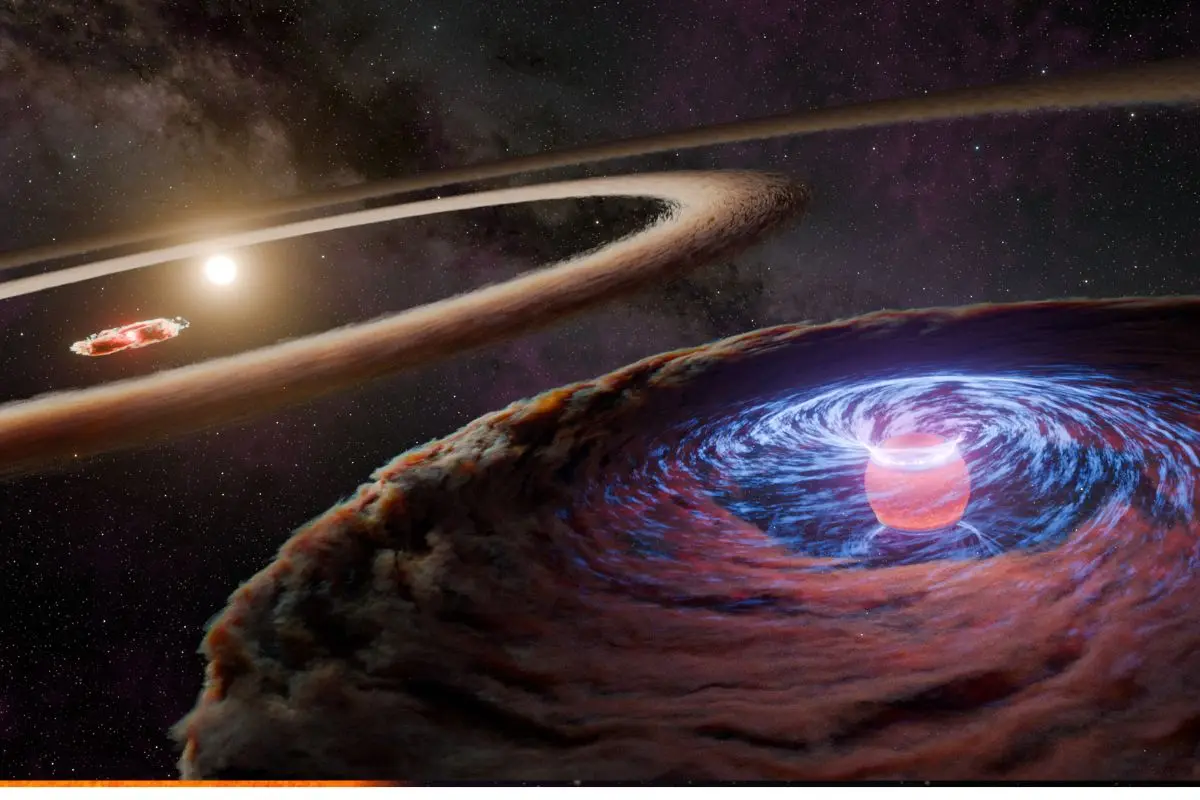
The official number of exoplanets or planets outside our solar system, tracked by NASA has reached 6,000.
A growing population of distant worlds
In 2025, the catalogue of confirmed planets beyond our solar system exceeded 6,000, highlighting a year of rapid expansion in the exploration of the Milky Way’s planetary diversity. These planets, that have been detected and confirmed by a combination of telescopes, observational surveys, by teams of researchers and astronomers, showcase unprecedented variety in size, orbit and behaviour. They, thus reshaped astronomers’ understanding of planetary systems across the galaxy. Here is a list of 6 of the most interesting exoplanets observed this year:
1. Lemon-shaped PSR J2322-2650b
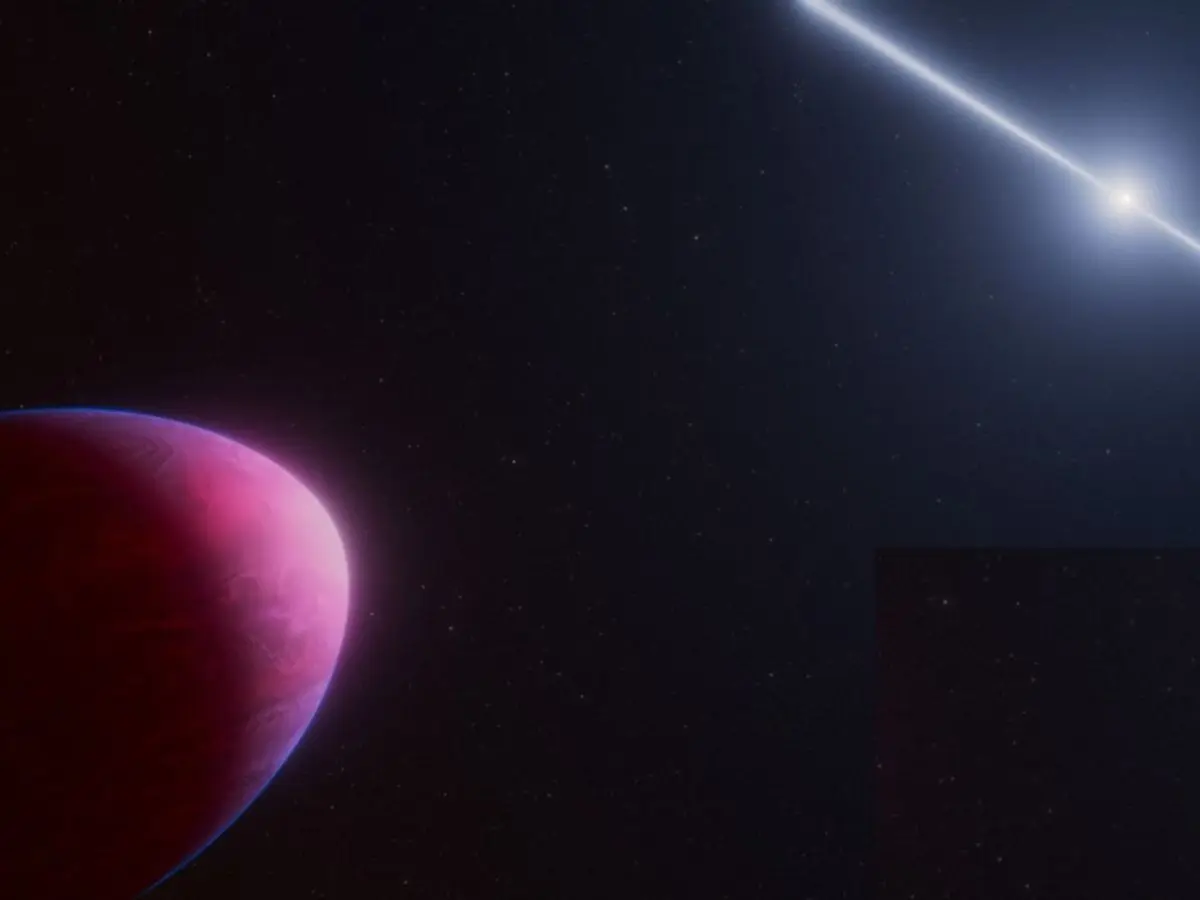
Scientists using NASA’s James Webb Space Telescope have observed a rare type of lemon-shaped exoplanet. The exoplanet is orbiting a pulsar with a helium-and-carbon-dominated atmosphere that forms diamond clouds. The gas giant exoplanet is extraordinarily close to its star, just 1 million miles away.
2. 2M1510 (AB) b — a Tatooine-like world
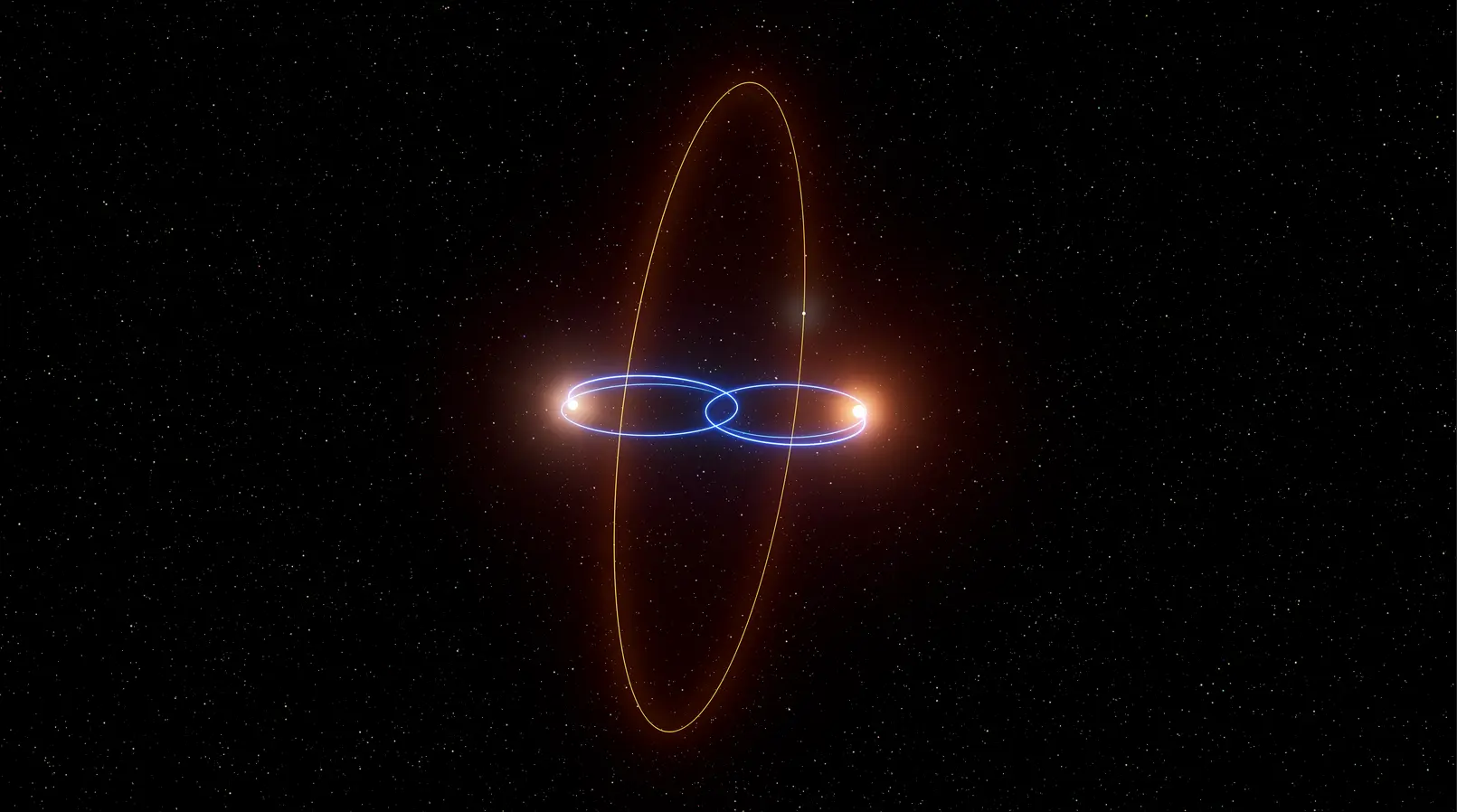
One of the standout discoveries of 2025 was 2M1510 (AB) b, a planet orbiting two brown dwarfs in a configuration that evokes the fictional planet from Star Wars. Detected about 120 light-years from Earth, in the constellation of Libra, it does not follow a typical flat orbital plane but instead swings above and below the pair of failed stars. This unusual orbit was inferred from the peculiar wobble of the system’s stars, providing a rare example of a world in a highly inclined circumbinary orbit.

3. HD 143811 (AB) b — directly imaged giant
Another interesting planet discovered this year is HD 143811 (AB) b, a massive exoplanet newly confirmed through direct imaging techniques. The gas giant has a radius of 1.4 times of Jupiter. Situated in the Scorpius-Centaurus star formation region, this world defies expectations in almost every way, starting with its resemblance to the fictional sunsets of the desert planet from the Star Wars, Tatooine. It further, orbits a pair of stars far more closely than any other directly imaged planet in a binary system, yet its own year lasts for 300 Earth years.
4. BD+05 4868 Ab — the disintegrating planet
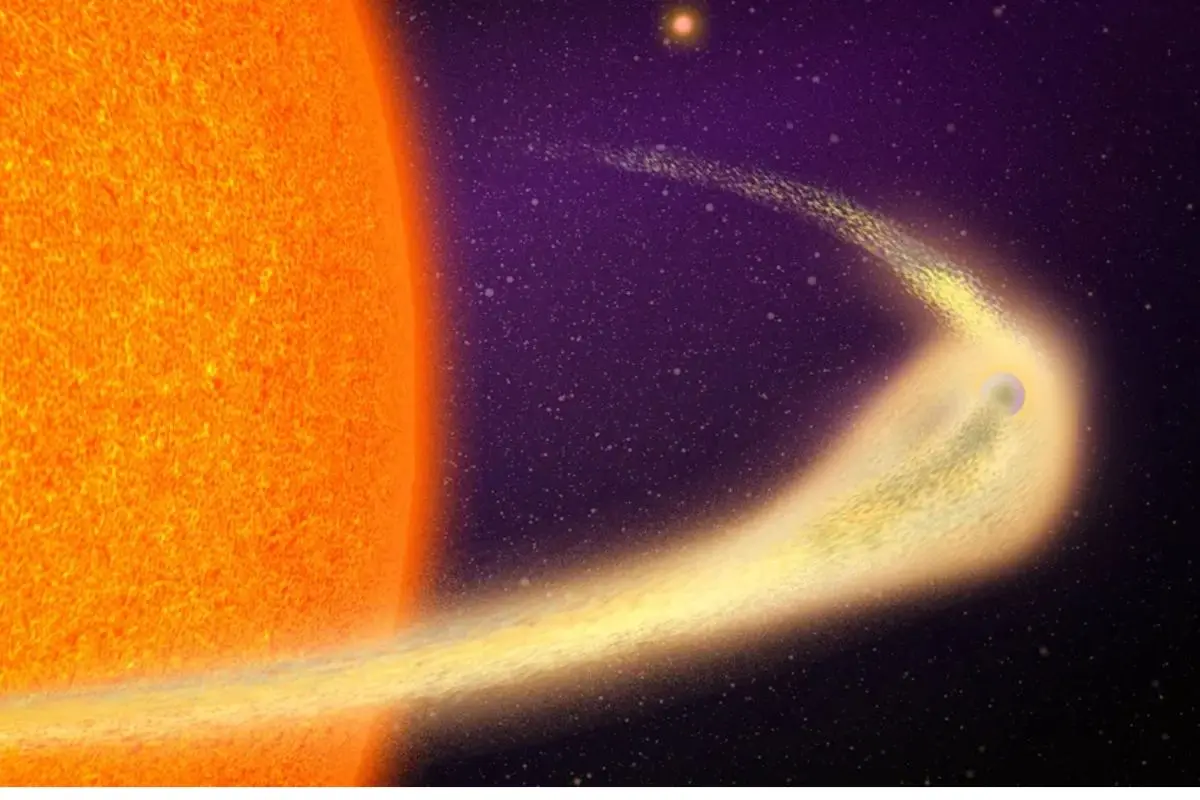
Some exoplanets are fleeting by nature. BD+05 4868 Ab orbits so close to its host star that it is losing mass, and falling apart, forming a long tail of vaporised material that stretches millions of kilometres into space. It is located in the Pegasus constellation and whips around its star once every 30.5 hours. This is an epic disintegration unfolding in real time, and the team of Scientists that discovered the exoplanet, predict that it might take 1 to 2 million years for the entire planet to fully disintegrate, says Space.com.
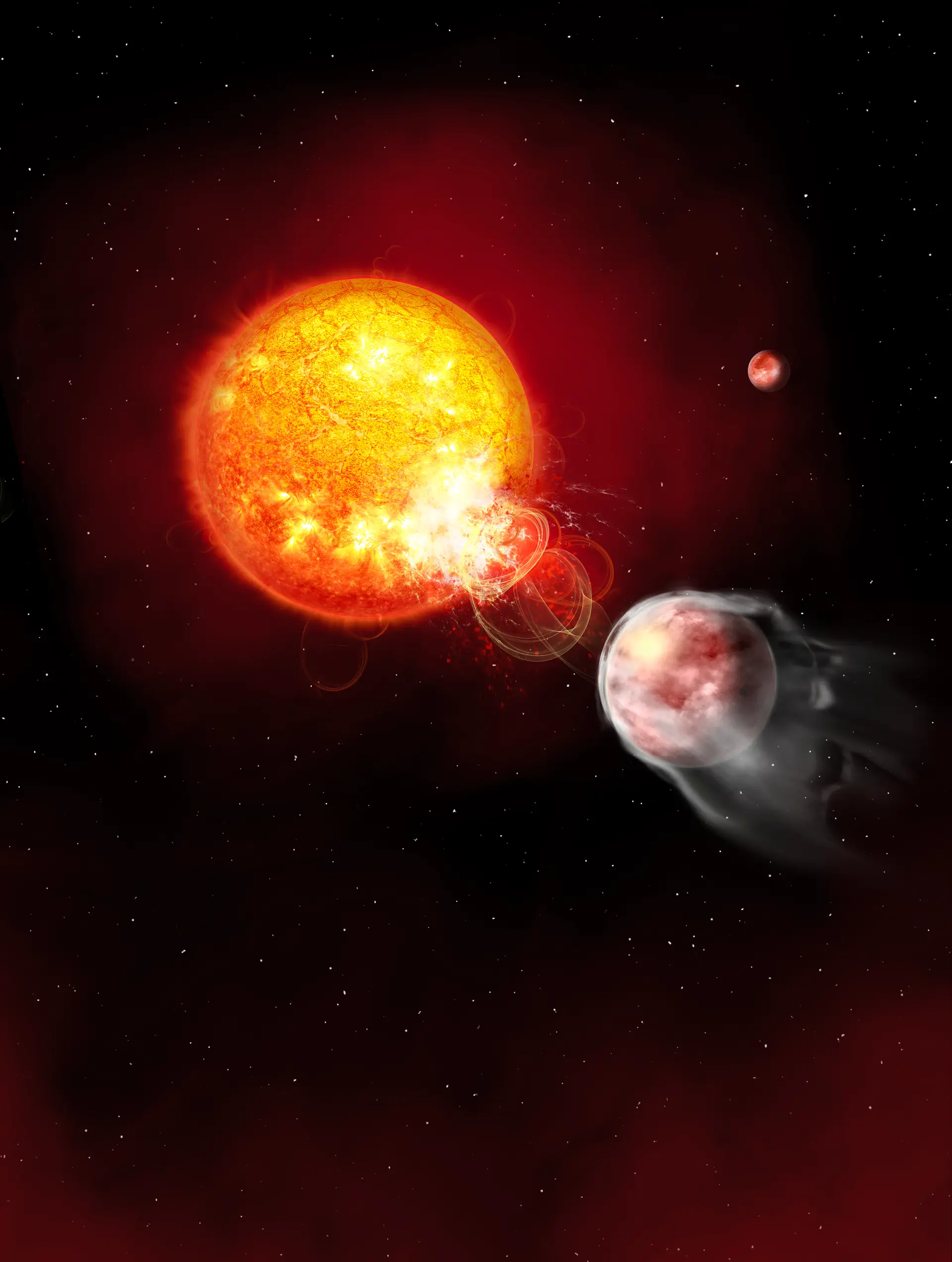
5. A "Death Wish" Planet (HIP 67522 b)
The 'clingy' exoplanet according to the European Space agency, is being bombarded with a great amount of high-energy radiation that it does not bode well for it. It is similar in size to Jupiter but has the density of candy floss, making it one of the wispiest exoplanets ever found. According to ESA, HIP 67522 b could go from an almost Jupiter-sized planet to a much smaller Neptune-sized planet, in the next 100 million years. It takes 7 days to complete one orbit of its star.
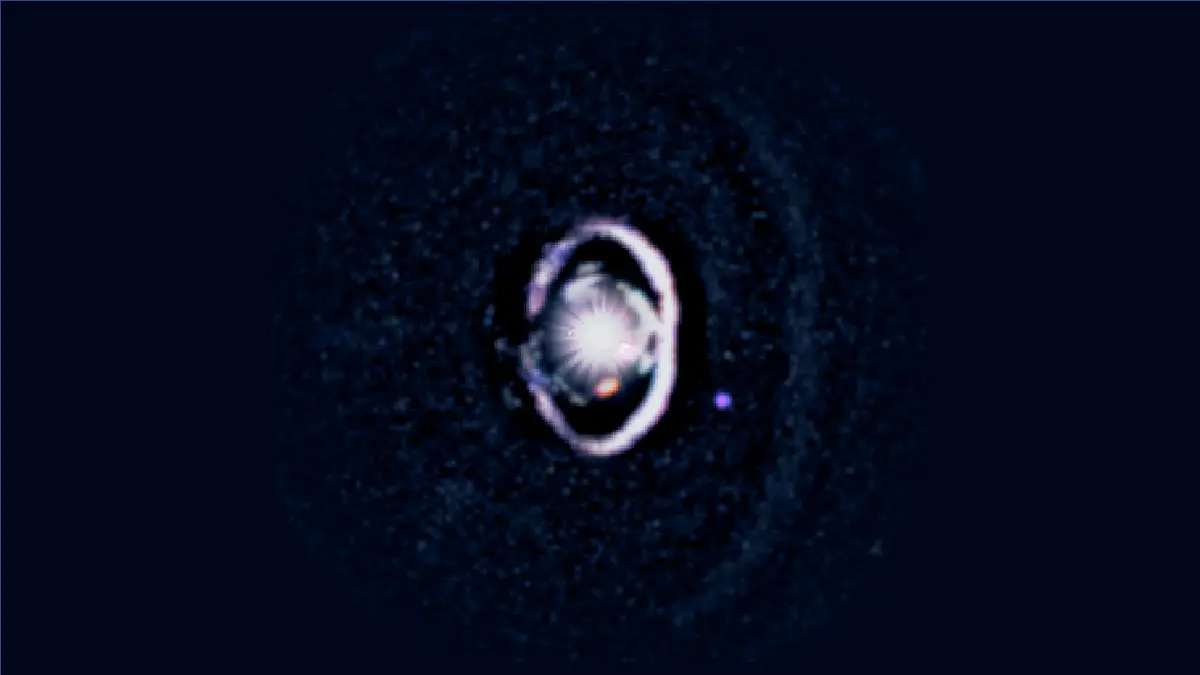
6. WISPIT 2b — a planet in formation
Astronomers directly directed and captured a new planet called WISPIT 2b embedded in the dusty ring of its young star. Estimated to be a gas giant around the size of Jupiter and around just 5 million years old, this young giant is actively carving a gap in the surrounding material as it grows, offering a rare glimpse of planetary birth. The exoplanet is the first confirmed detection of a planet in a multi-ringed protoplanetary disk, a disk that contains multiple gaps and channels, almost akin to a vinyl record.

)
)

)