Speed-of-light attacks: How Iron Beam turns electricity into a weapon in milliseconds

Iron Beam converts electricity into laser weapons through capacitor banks storing 30-household power. Electrical current excites atoms through pumping creating population inversion. Solid-state fibre lasers use spectral beam stacking combining dozens of individual beams.
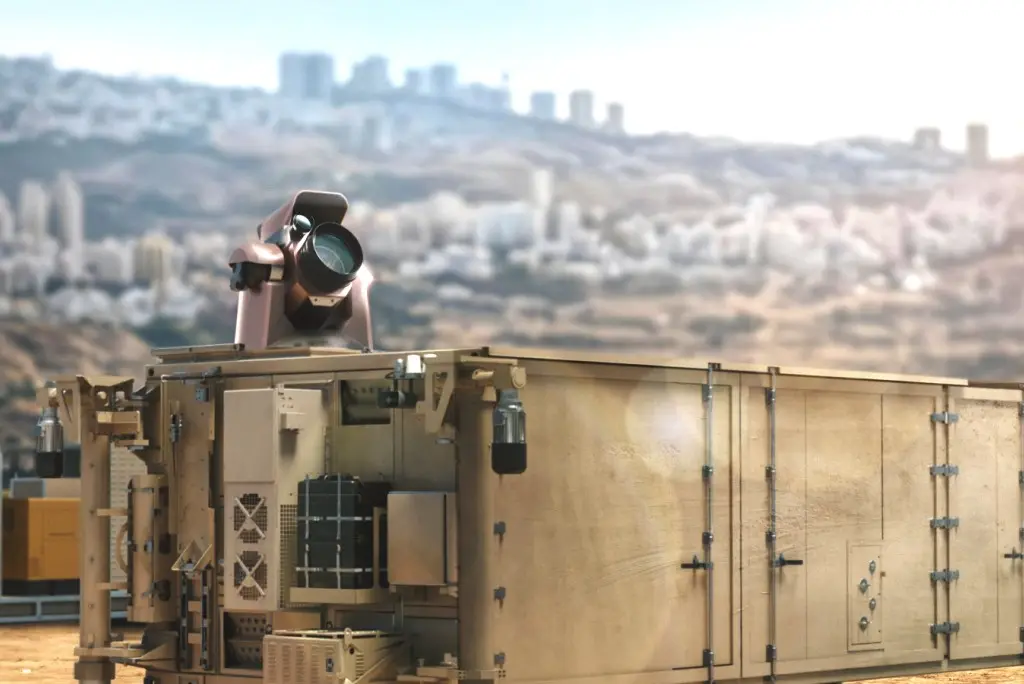
The Energy Chain - Electricity to Laser Generation
Iron Beam converts stored electrical energy through chain transforming grid power into focused laser beams destroying targets instantly without explosives or propellant. The system captures electrical current charging massive capacitor banks storing energy equivalent to powering 30 households simultaneously. This energy converts into laser generation through solid-state laser technology.
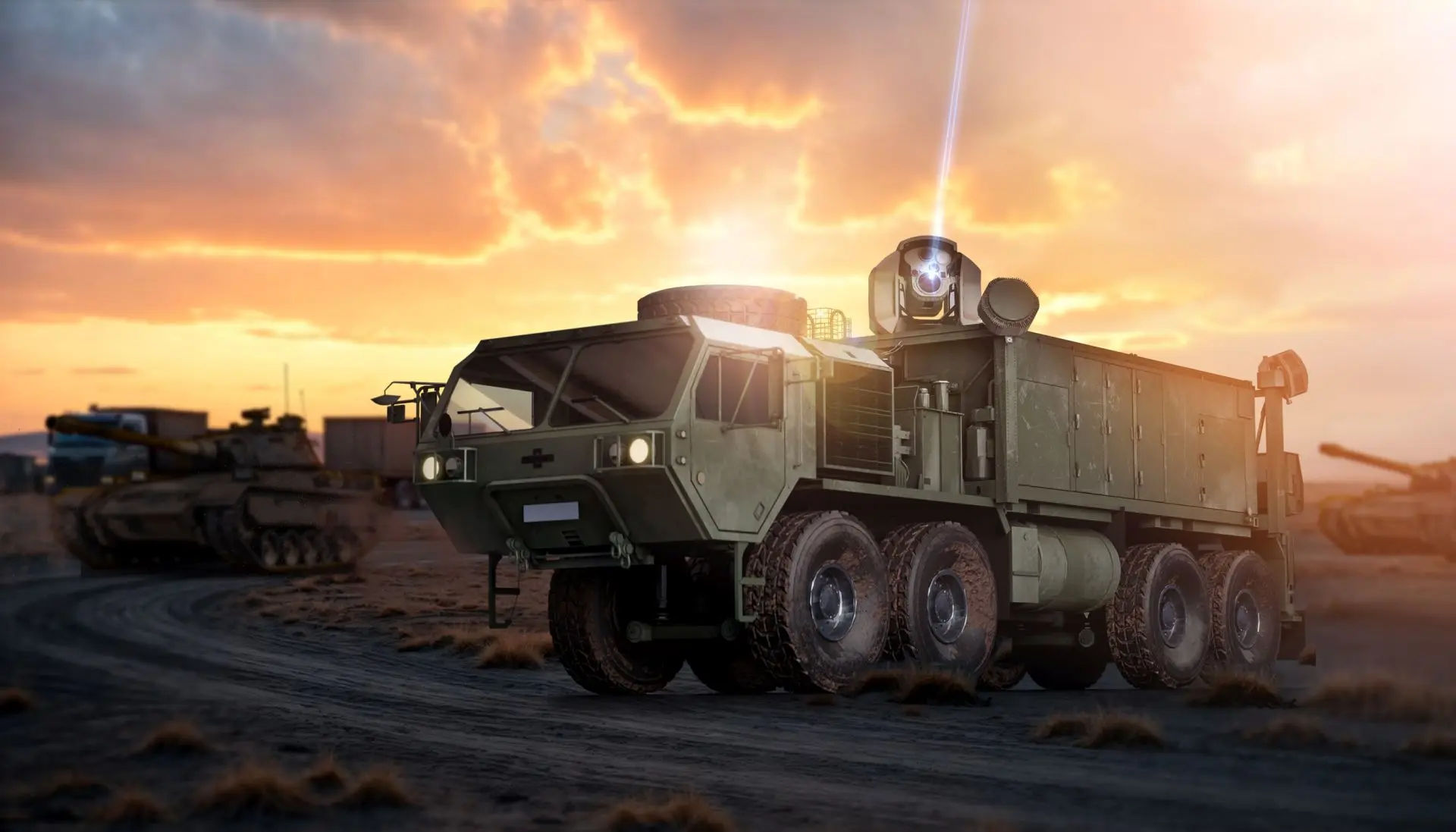
Capacitor Banks - Storing Gigantic Energy
Iron Beam uses massive capacitor banks storing energy released in controlled bursts which creates the instantaneous power required for laser generation. The National Ignition Facility uses capacitor banks storing 330 million joules per laser shot discharged in 400-microsecond bursts. Capacitor technology advances enable storage density approaching five cents per joule with fast discharge capabilities delivering precise high-current pulses to laser amplification systems.

Laser Pumping Process
Electrical current excites electrons within the laser medium through a process called pumping where charged atoms absorb energy becoming unstable. Excited electrons occupy higher energy states until returning to normal states releasing photons creating laser light. This stimulated emission process amplifies light between perfectly parallel mirrors building up coherent beam power millions of times stronger than initial excitation.
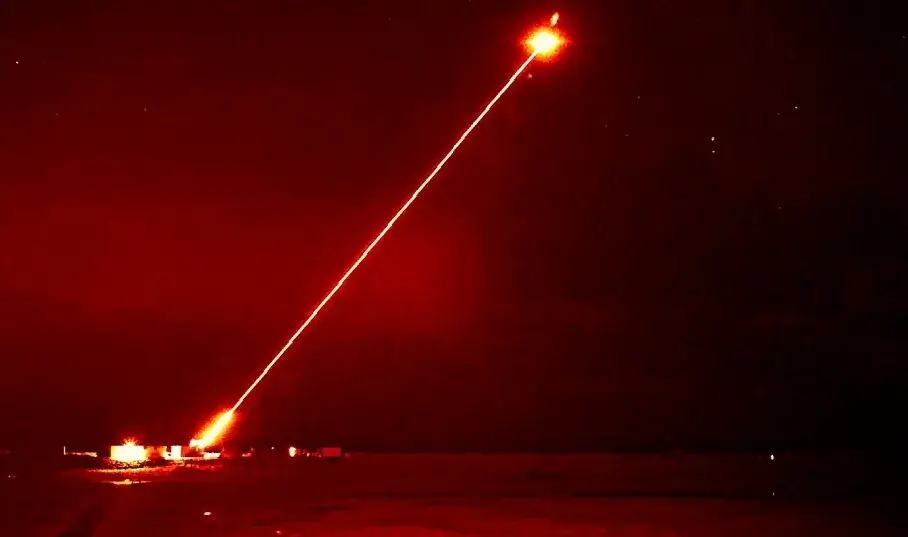
Population Inversion
Pumping continues until population inversion occurs where more atoms exist in excited states than normal states creating conditions for laser operation. This non-equilibrium condition forces photon generation cascading through the laser medium amplifying light exponentially. Population inversion enables sustained laser generation producing continuous 100-kilowatt power outputs or higher-pulsed releases.
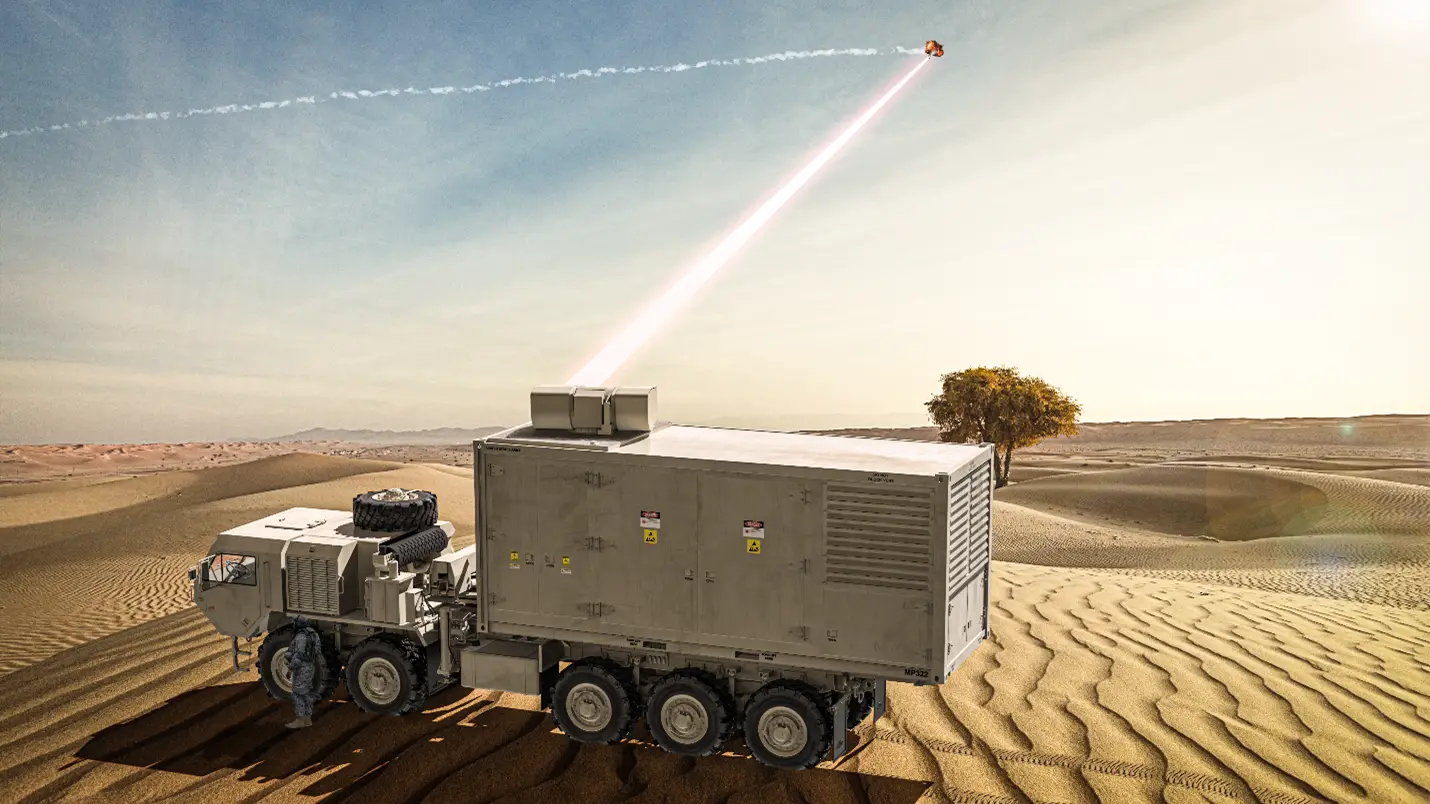
Solid-State Laser Technology - Fibre Optics Superiority
Lockheed Martin's 300-kilowatt fibre-based laser uses spectral beam stacking combining dozens of individual small lasers into single powerful beams through advanced wavelength management. Fibre lasers distribute heat across multiple fibres spaced apart enabling effective thermal dissipation without cumbersome cooling systems required by slab laser designs. This architecture enables lightweight compact systems compared to earlier high-power laser generations.
Atmospheric Propagation - Adaptive Optics Corrections
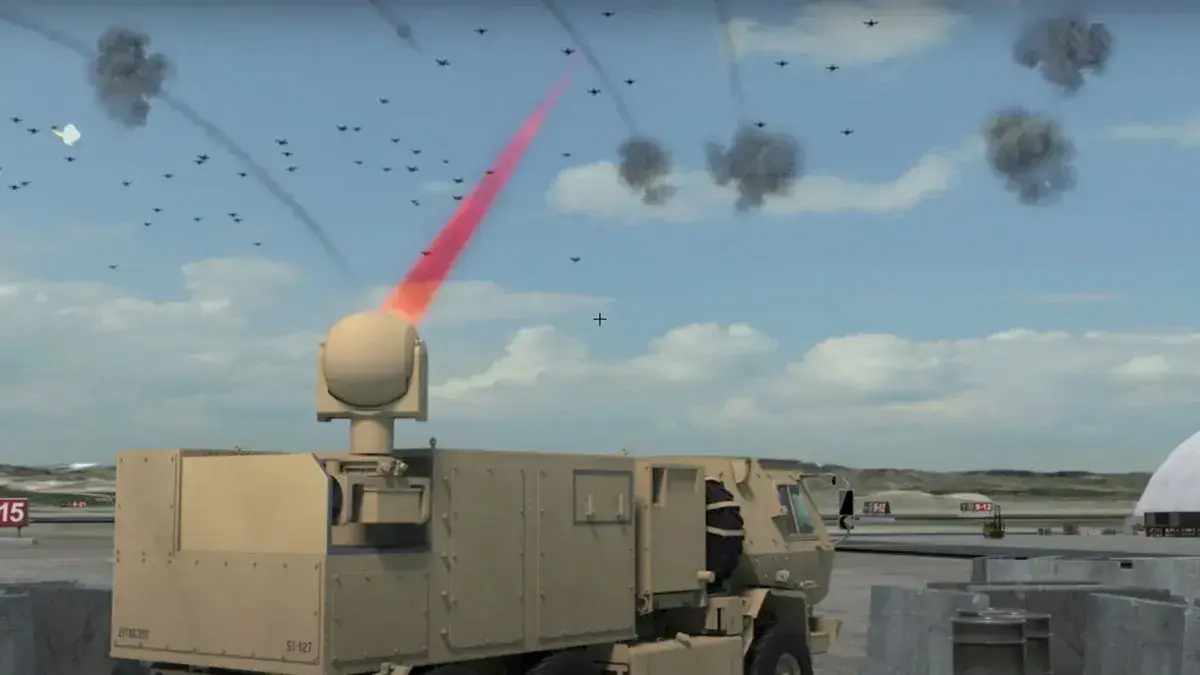
Iron Beam employs dual laser sources and adaptive optics systems maintaining beam focus through atmospheric turbulence, haze, and dust that would normally disperse laser energy. Real-time sensors detect atmospheric distortion and adjust fast-steering mirrors millisecond-by-millisecond maintaining perfect beam alignment.
Thermal Ablation Mechanism
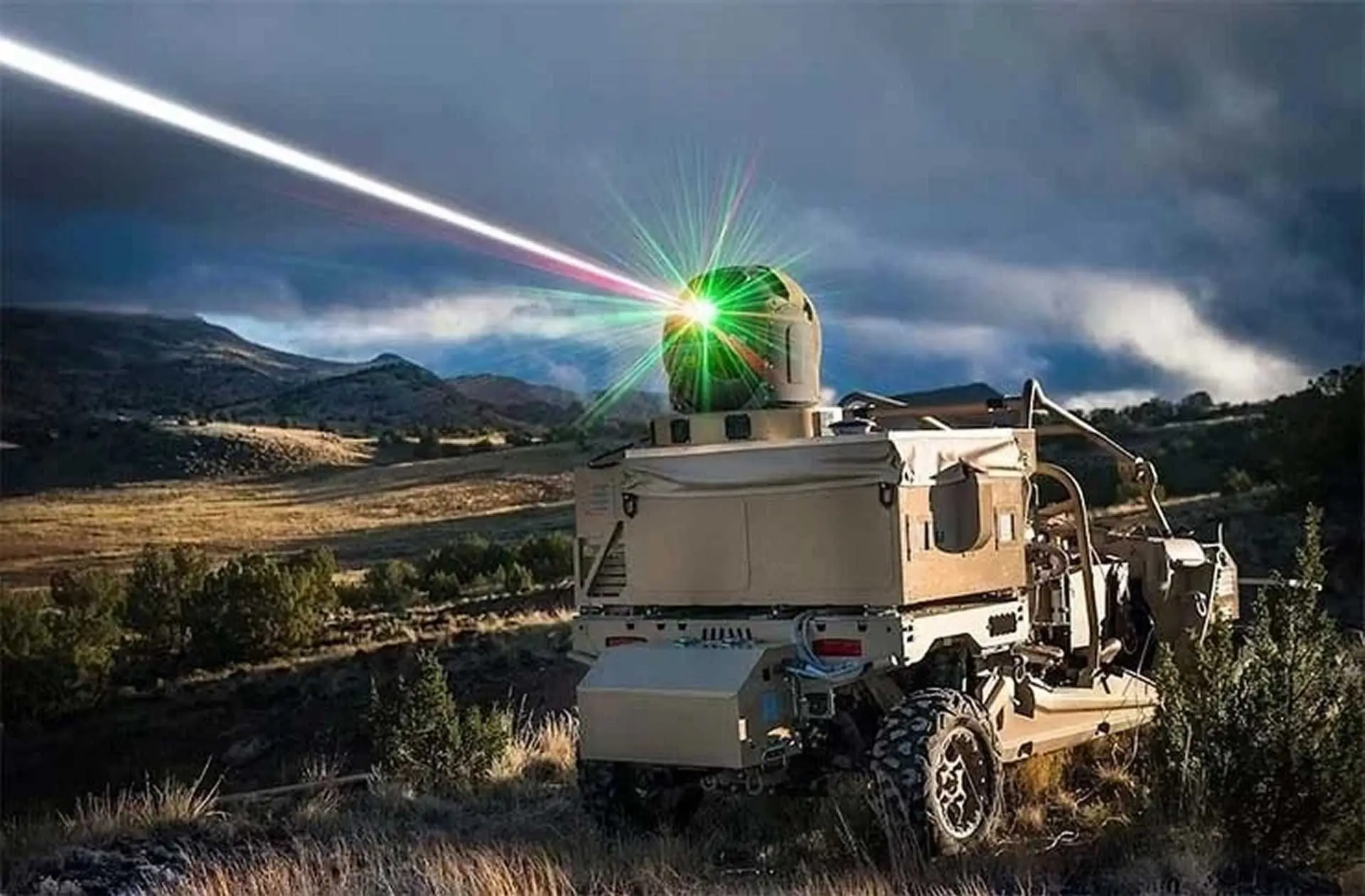
Iron Beam concentrates laser energy onto target areas roughly the size of a coin creating surface temperatures exceeding 1,500 degrees Celsius vaporising metal. Thermal ablation heats target material causing phase transitions from solid to liquid to vapour removing material layer-by-layer. Depending on target composition, repeated laser pulses penetrate aluminium hulls in 3.3 to 16.4 milliseconds destroying internal systems.

Efficiency Challenge - Managing Heat Dissipation
Current laser weapon systems achieve approximately 50 per cent electrical efficiency converting only half of input electrical energy into laser light whilst remaining 50 percent becomes waste heat. High-efficiency fibre lasers approach 40-66 per cent efficiency, reducing heat generation compared to earlier technologies.

Multiple Beam Coherence - Combining Individual Lasers
Spectral beam stacking combines dozens of individual laser wavelengths maintaining coherence enabling multiple beams to function as single ultra-powerful weapon. This technology eliminates need for single monolithic high-power sources prone to reliability issues. Distributed architecture enables modular construction where failed components replace without system-wide shutdown.
Speed-of-Light Advantage - No Flight Time or Guidance Errors
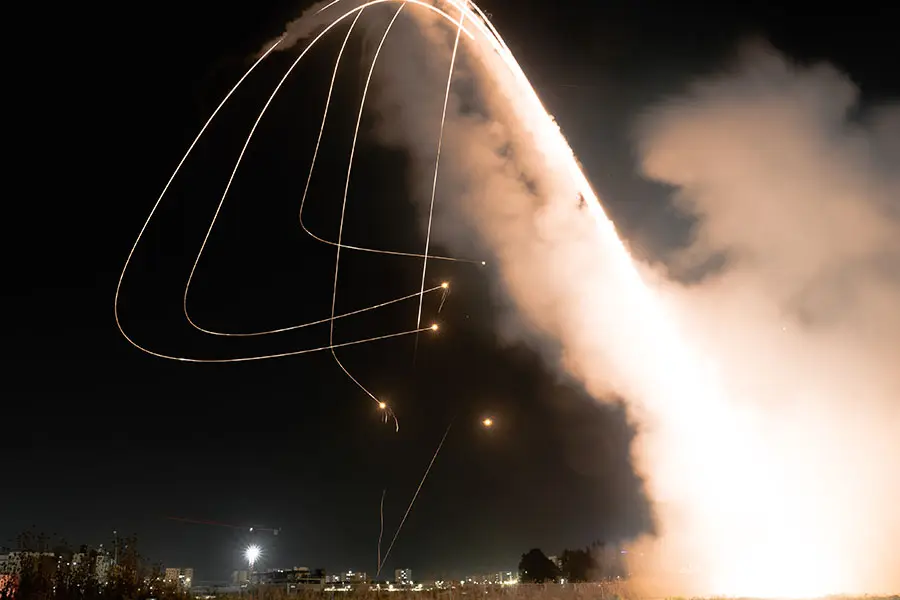
Laser beams travel at 300,000 kilometres per second requiring zero transit time from weapon to target unlike missiles requiring seconds reaching distant threats. No ballistic calculations, no gravity compensation, no Coriolis effect corrections, no guidance system failures. The shot cost reduces to mere electricity price estimated at single-digit dollars per engagement making continuous firing economically viable.
)
)
)
)
)