Speed isn't everything: Can a B-52 bomber outrun danger without being a fast aircraft?

The B-52 outruns danger not with speed, but through its 50,000-foot service ceiling, advanced electronic warfare, and long-range standoff weapons. Operating as an airborne missile truck, the USD 84 million aircraft stays safe from modern threats.
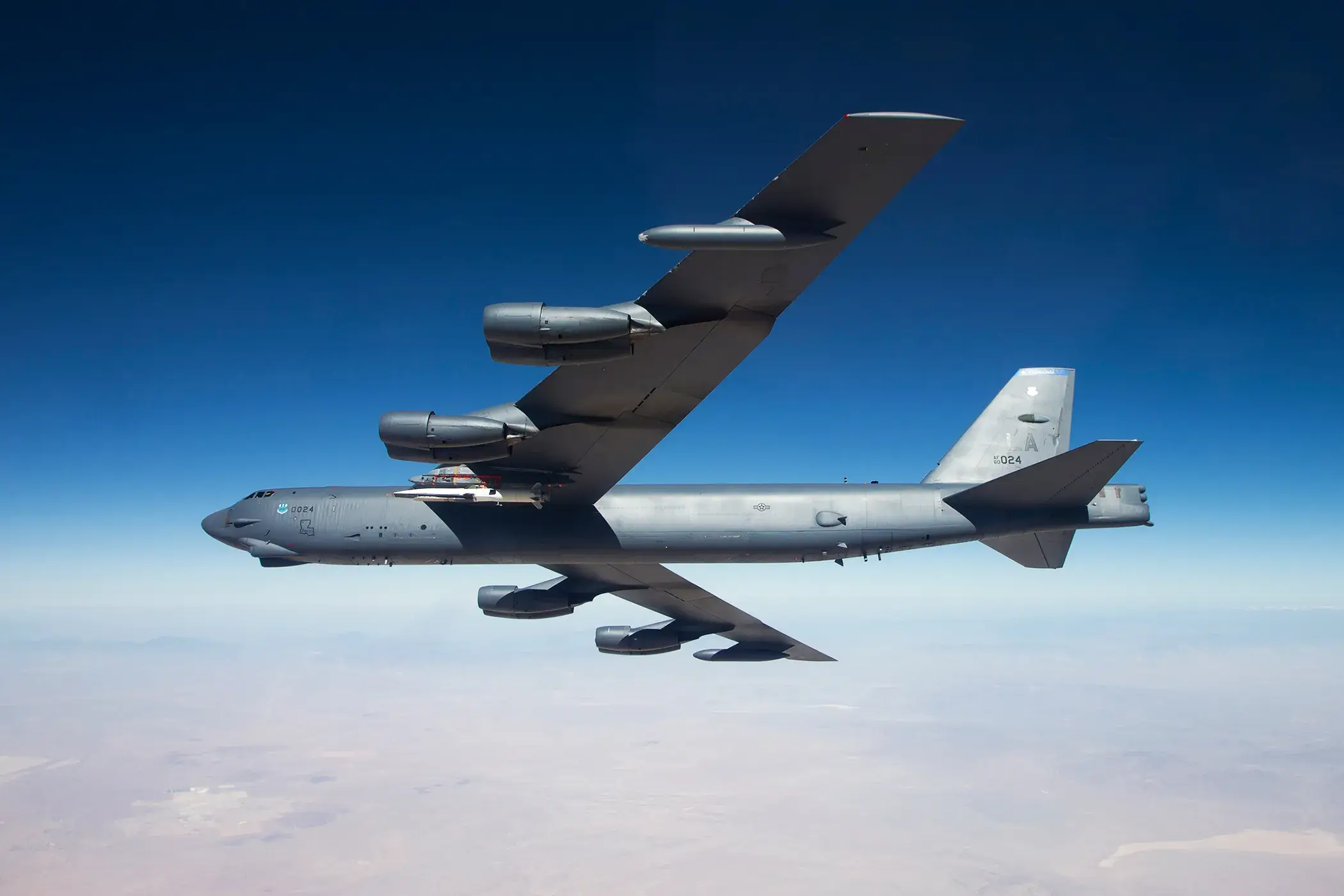
The Subsonic Giant
The Boeing B-52 Stratofortress is not a supersonic aircraft, possessing a maximum speed of Mach 0.84 or roughly 650 miles per hour. Despite lacking the raw speed of modern fighter jets, this 390,000-pound heavy bomber has remained highly survivable for over seven decades.
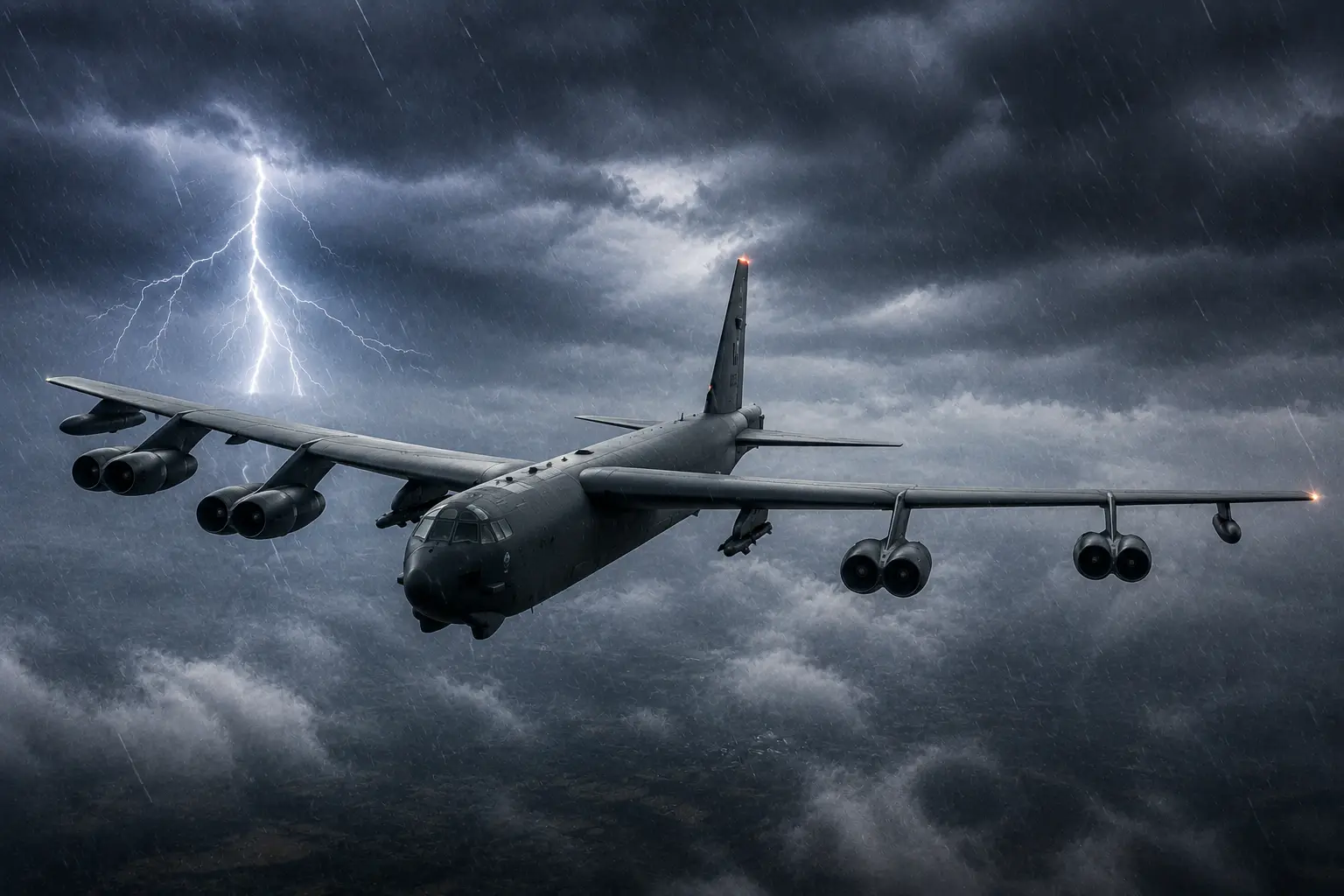
Outrunning via Distance
The B-52 outruns danger not with physical velocity, but through its specialized standoff strategy. By launching long-range cruise missiles and hypersonic weapons from thousands of miles away, the bomber destroys targets while remaining safely parked in international skies.
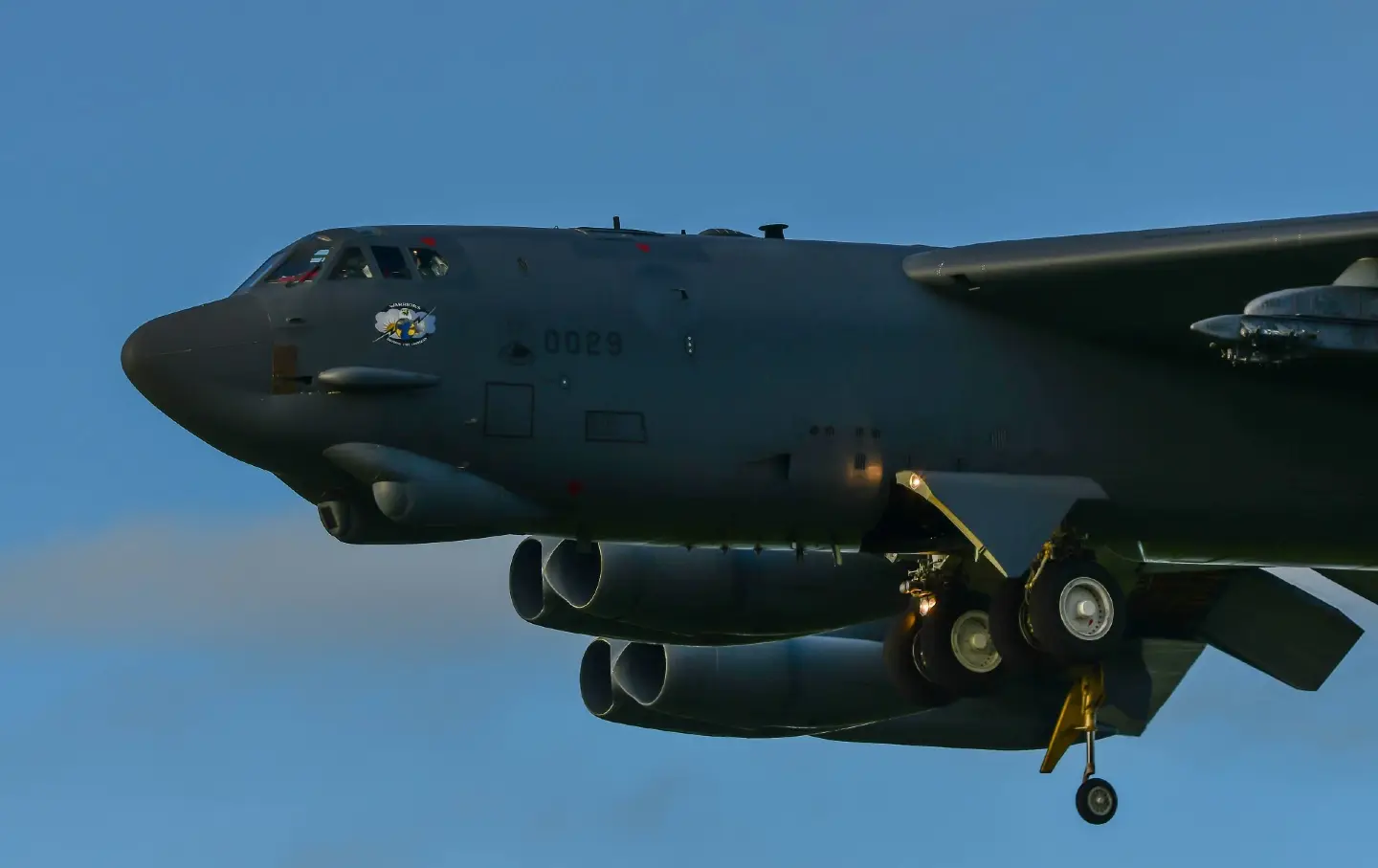
The Stratospheric Shield
Operating at an extreme service ceiling of 50,000 feet gives the heavy bomber a distinct atmospheric advantage. At this altitude, the aircraft flies well above standard anti-aircraft artillery and forces hostile interceptors to burn massive amounts of fuel to climb and reach it.
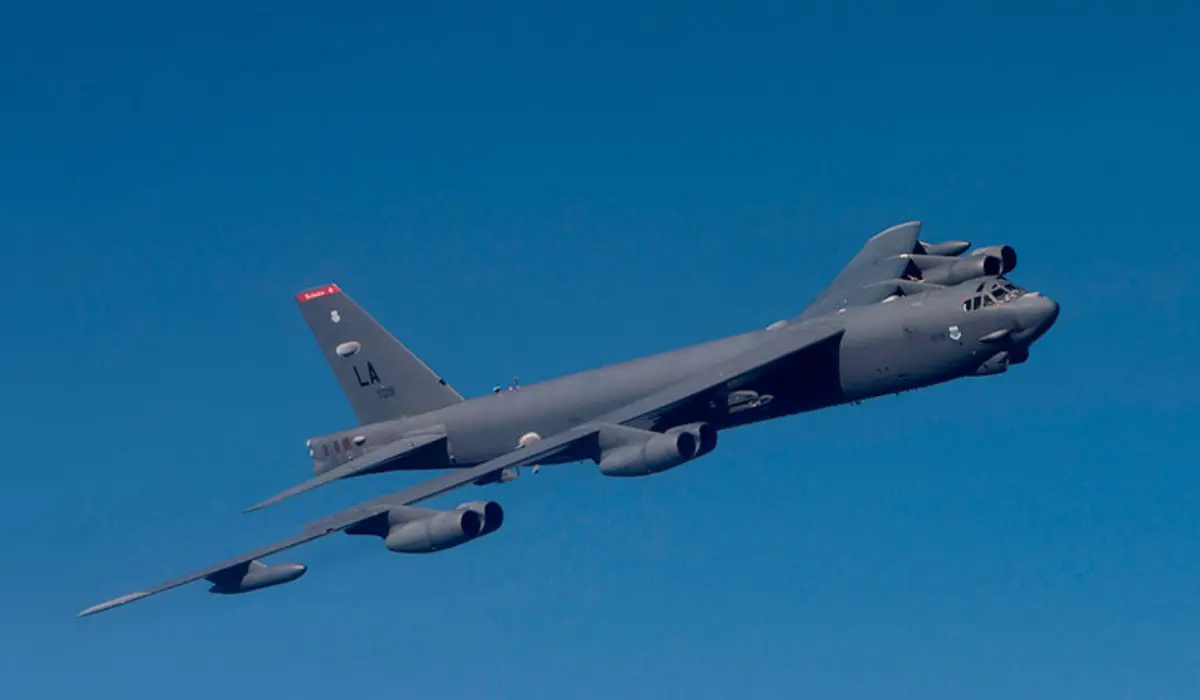
Electronic Ghosting
Instead of trying to outspeed incoming surface-to-air missiles, the B-52 actively neutralises them using highly classified electronic countermeasures. The onboard Electronic Warfare Officer deploys powerful digital radar jamming to instantly blind enemy tracking networks.
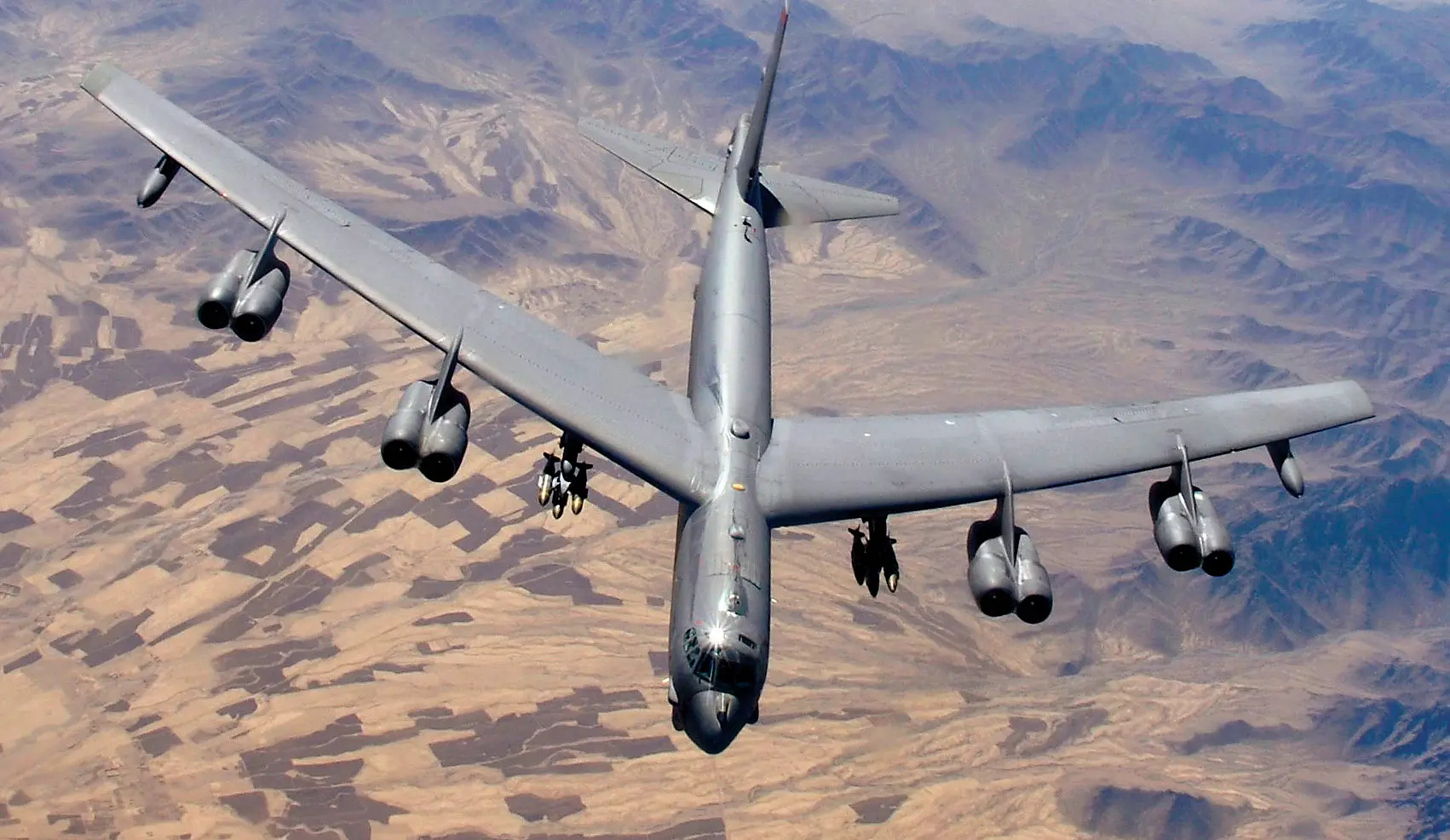
Overwhelming with Decoys
The heavy bomber routinely deploys Miniature Air-Launched Decoys (MALD) to confuse hostile air defence networks. These sophisticated drones perfectly simulate the B-52’s radar cross-section, tricking enemy systems into firing at fake targets while the real bomber turns away.
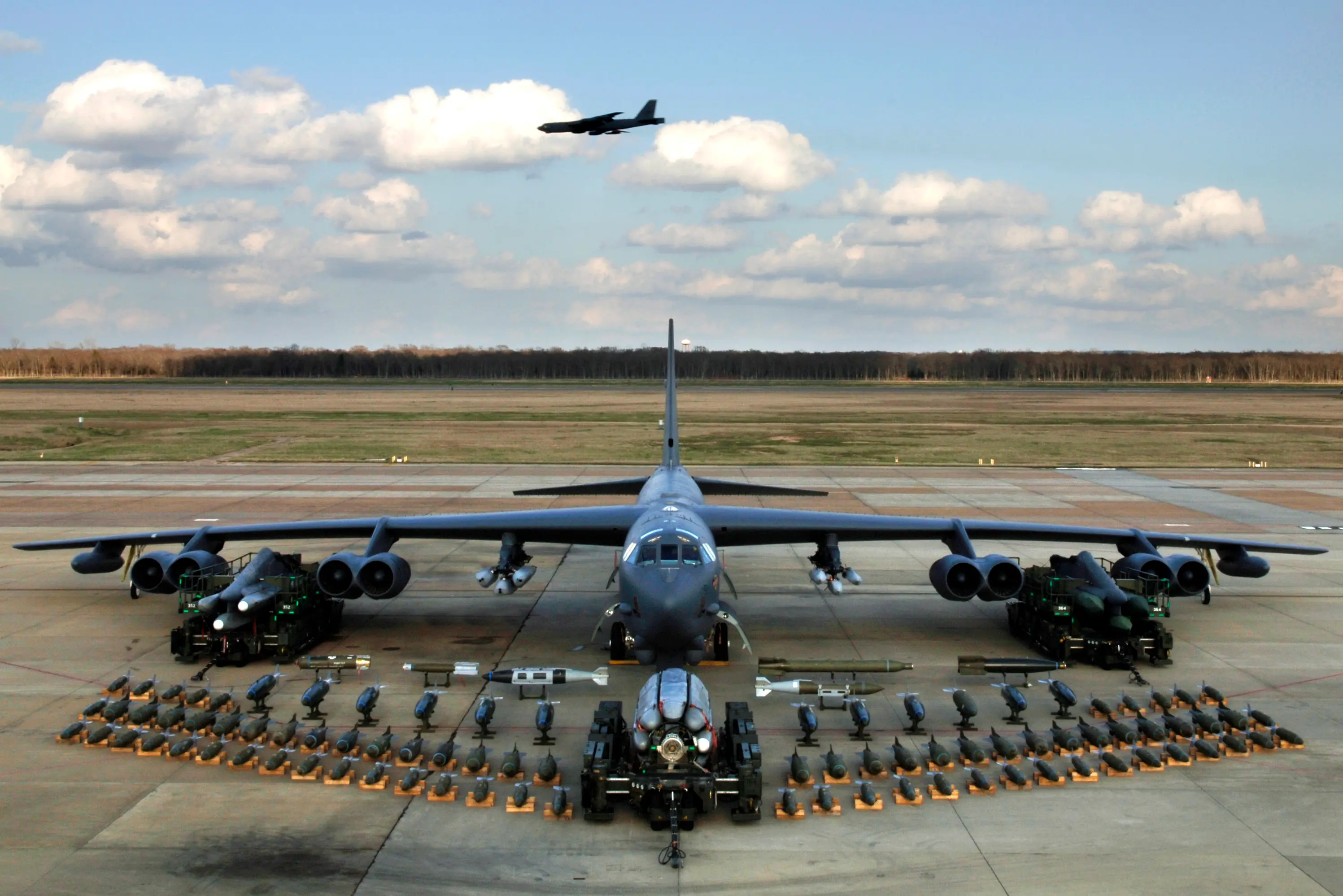
Fighter-Derived Awareness
Under the USD 48.6 billion modernisation programme, the upgraded B-52J is receiving the advanced AN/APQ-188 AESA radar. This fighter-derived sensor allows the crew to detect and jam hostile threats from much farther away, giving them ample time to avoid danger.
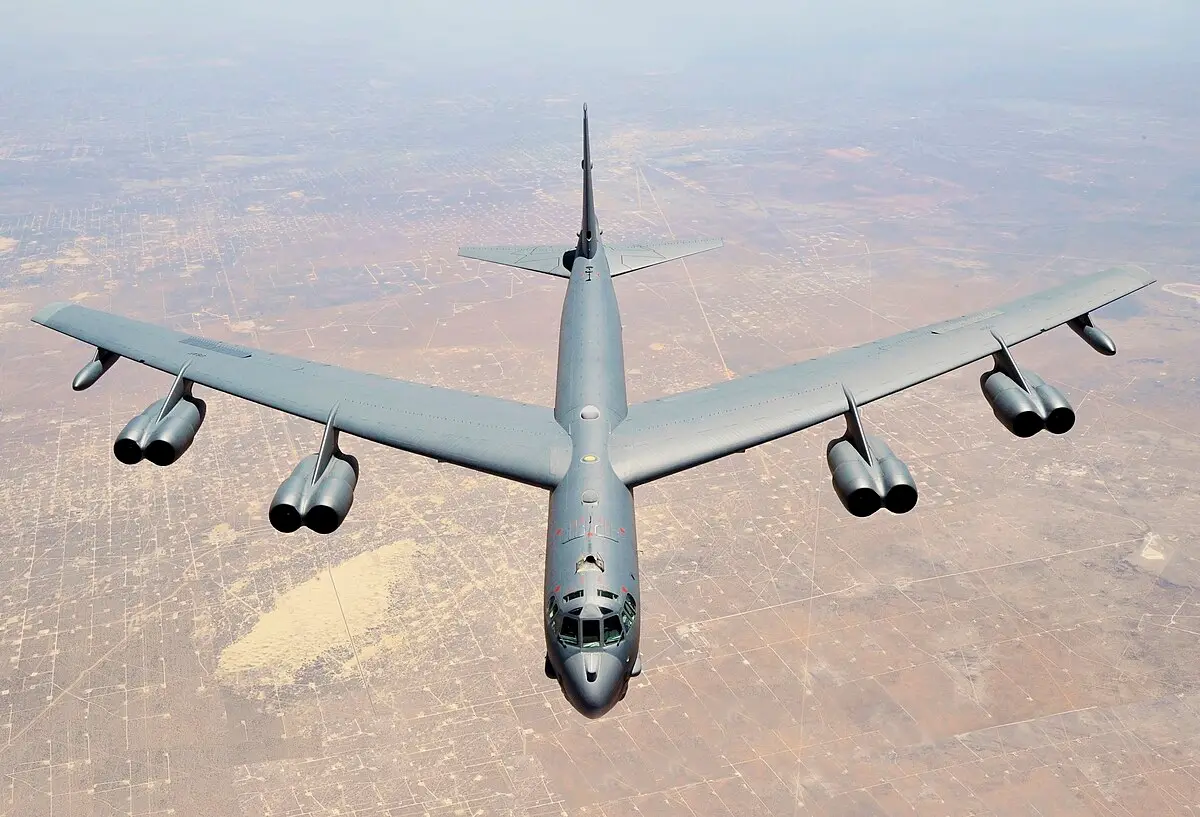
Stealth Escort Network
Future combat doctrines pair the non-stealthy B-52 with next-generation stealth assets like the B-21 Raider. Stealth platforms will first penetrate and dismantle the enemy’s air defence grid, allowing the USD 84 million aircraft to safely deliver its massive 70,000-pound payload.
)
)
)
)
)