Spain ramps up wildfire defences after last years' wildfires

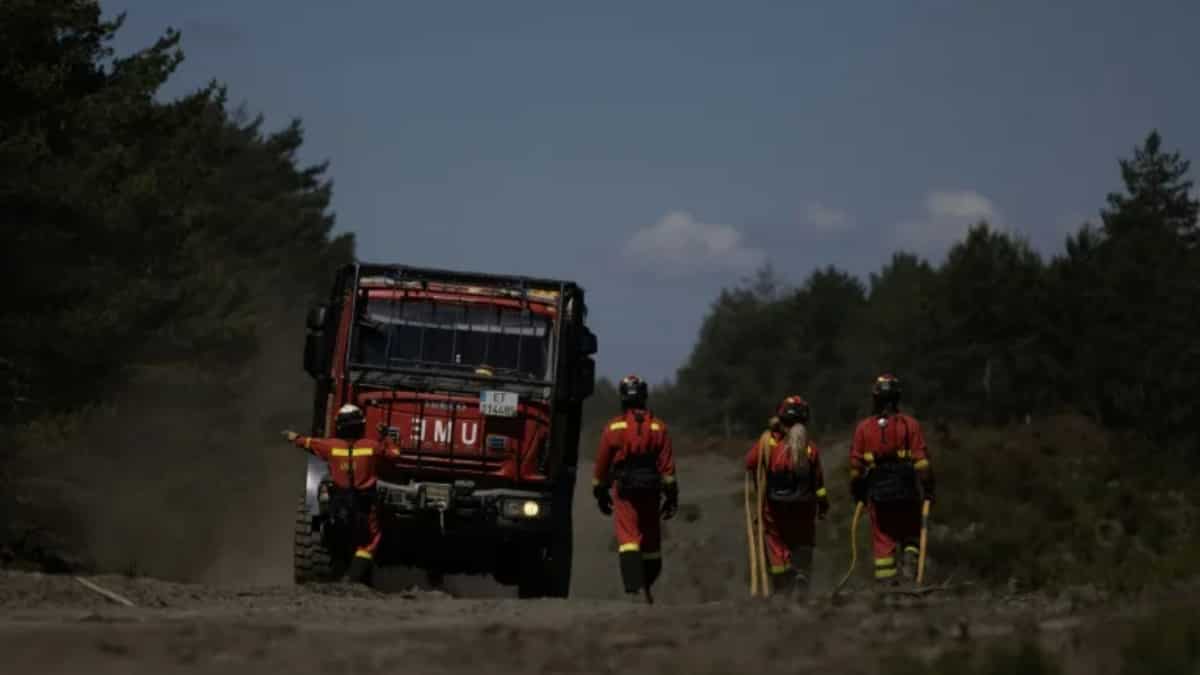
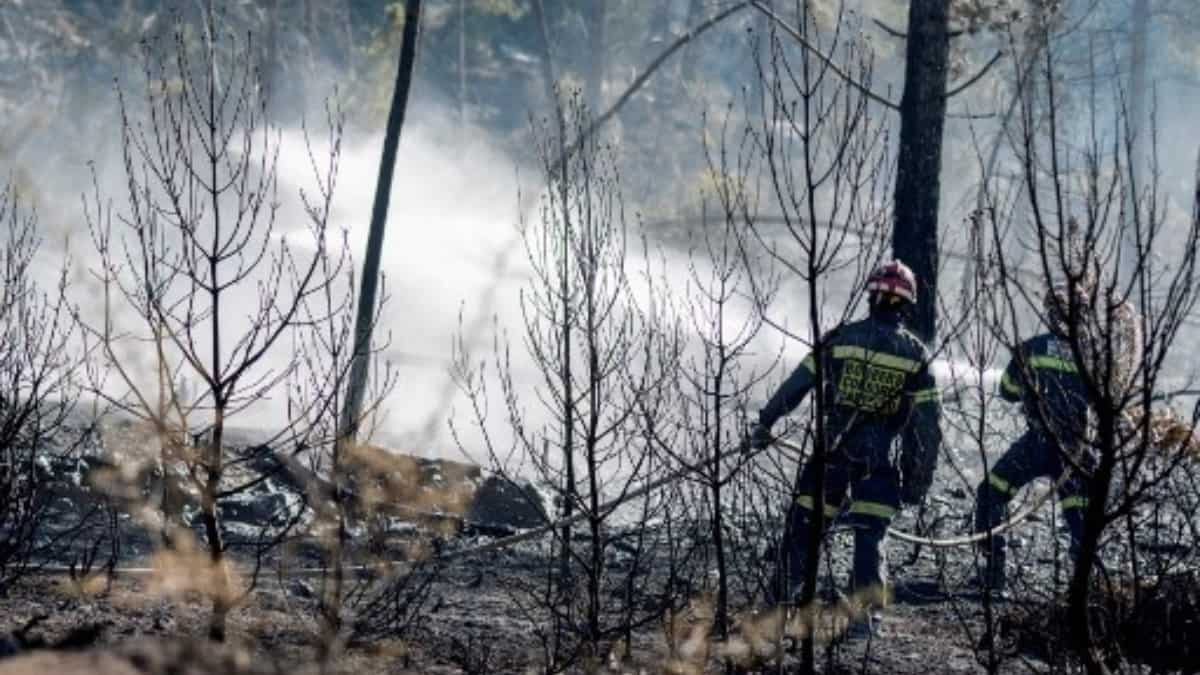
Firefighters conduct a drill
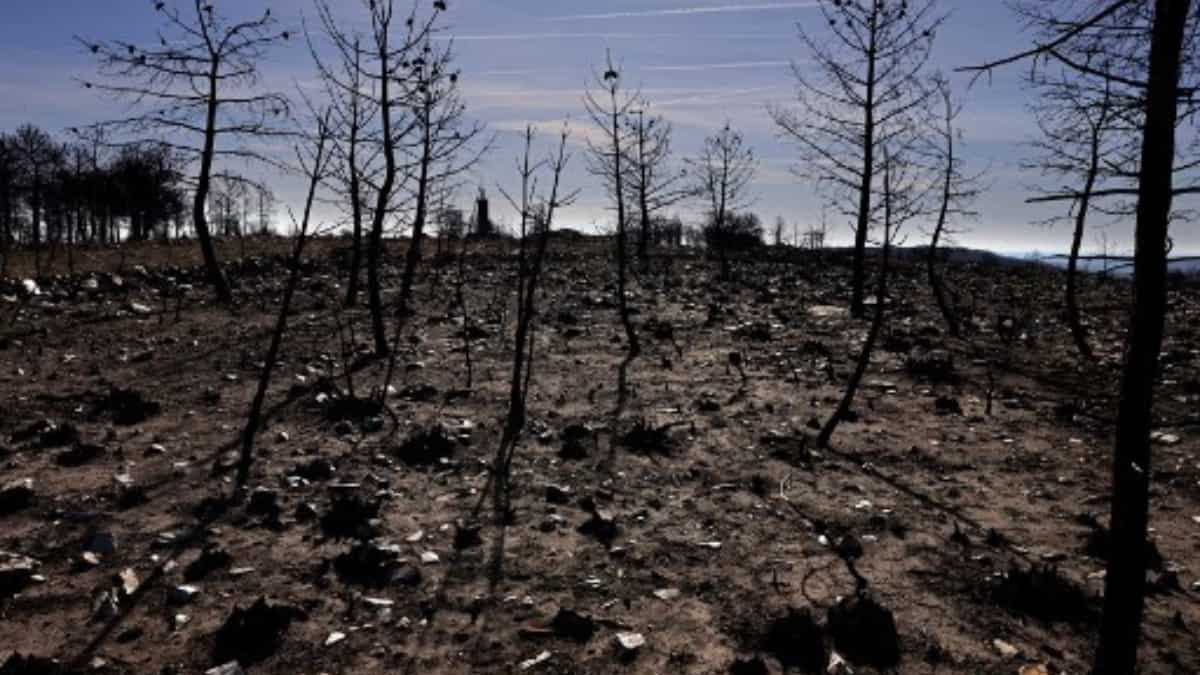
Spain is ramping up its wildfire defences after last years' wildfires. Firefighters conducted an exercise in northwest Spain. In a forested area of Castilla y Leon, a region northwest of Madrid that is prone to wildfires, troops from the Military Emergency Unit (UME) were seen battling an imaginary disaster.
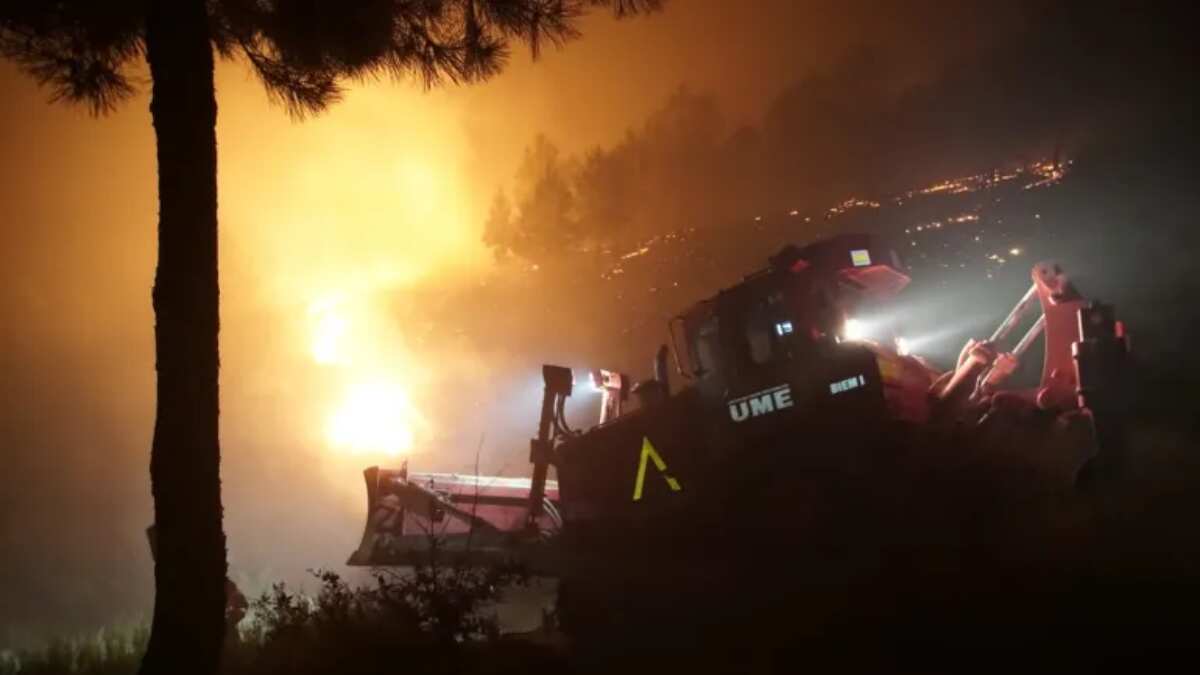
Wildfire season in Spain
Captain Adrian Vives, head of an engineering unit based in the area told AFP, "What we're doing is widening the firebreak so that when the fire reaches it, there's no fuel." The firefighter unit was finishing its training ahead of the wildfire season, which runs from mid-June until the end of September.
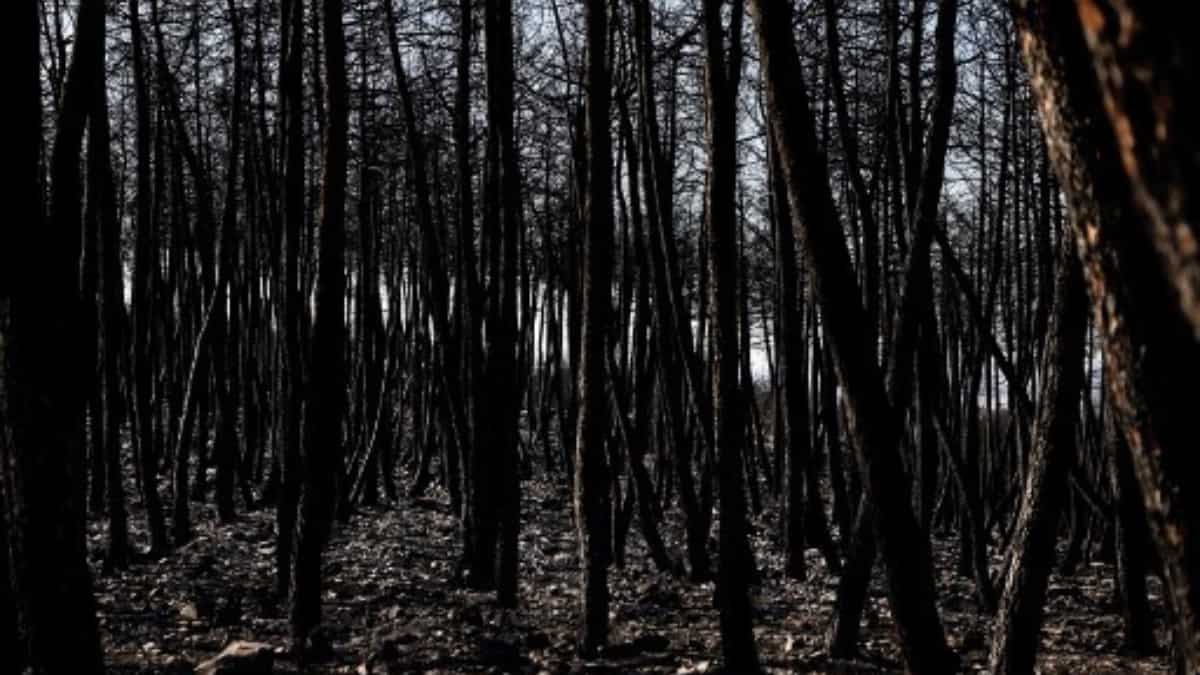
Combustible biomass
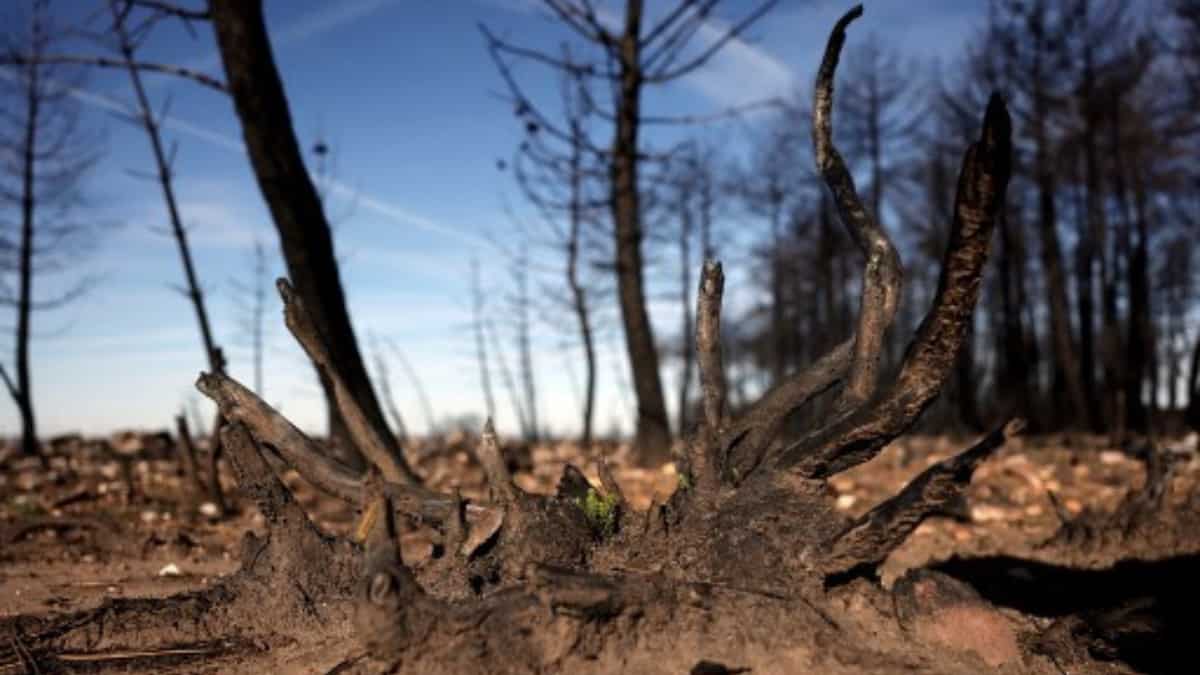
During such training exercises, troops come across more and more combustible biomass such as dead branches, leaves, shrubs or fallen needles. After long periods without rain or after heatwaves, they become more combustible and hence can easily start or spread a wildfire. Working to remove plant fuel from forests is a year-round job to prevent fires.
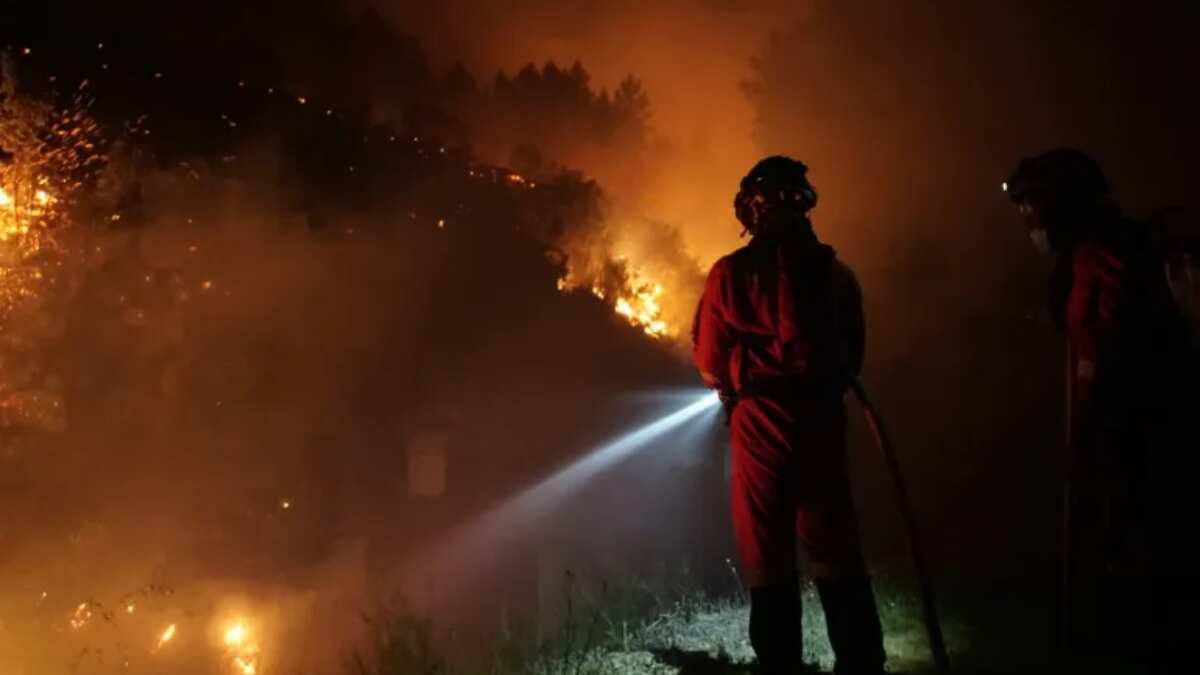
Most advanced forest firefighting systems?
According to Leonardo Marcos, head of Spain's Civil Protection unit, Spain has one of "Europe's most advanced" forest firefighting systems. However, those working on the ground have complained about shortcomings, such as coordination between different authorities.
No standardised protocol
Israel Naveso, head of the CUBP firemen's trade union said, "We don't even have the same communication systems to be able to act, which makes our life very difficult. There is no norm which requires the political leaders to buy the same walkie-talkies for inter-brigade communications."
Demand for organised firefighting units
Firemen have been demanding legislation for a common protocol for years now. In its absence, each region decides separately how to organise its firefighting units and what equipment and training to give them. This creates huge disparities and confusion amongst the lot and does not help the firefighters battle the wildfire.
Need to act now!
The firemen say that without national legislation to standardise responses across all of Spain's 17 regions, the future does not seem so bright.
)
)
)
)
)